Category Archives: Desert

Photographs at Dead Sea


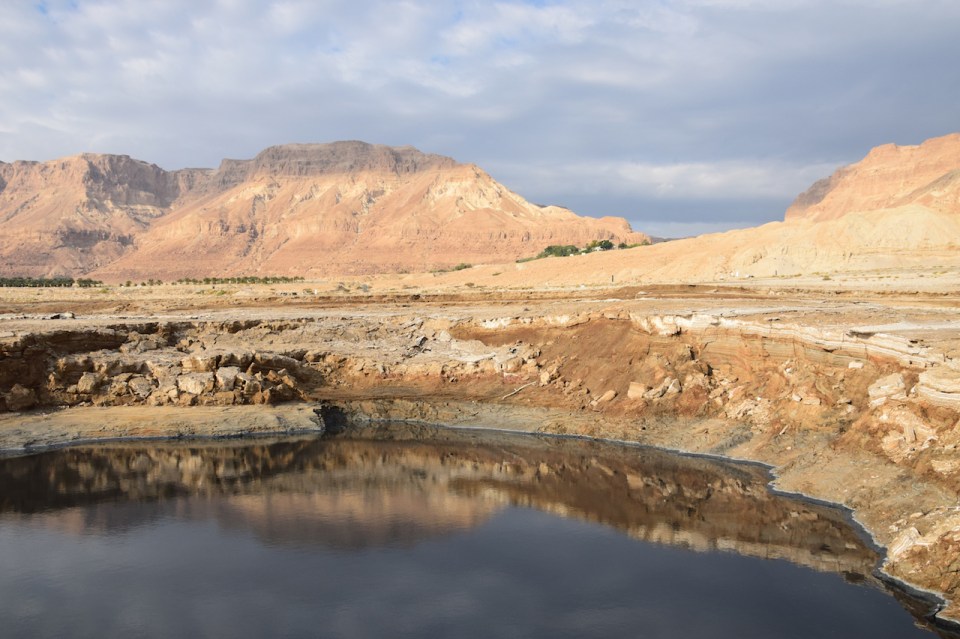
August 2008 when traveling to Kathmandu with my family was the first time I ever exhibited my photographs, in a show I called “From the Lowest Place on Earth”. At 420 meters below sea level, the Dead Sea lies in a deep crack in the earth, between Israel and Jordan, part of the Great African Rift.

DSC_0320

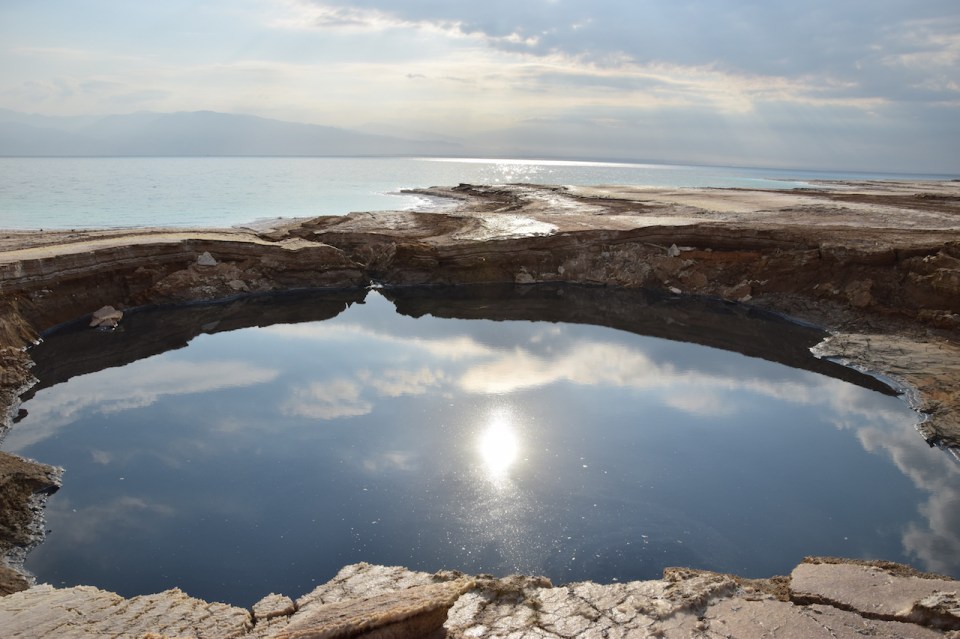
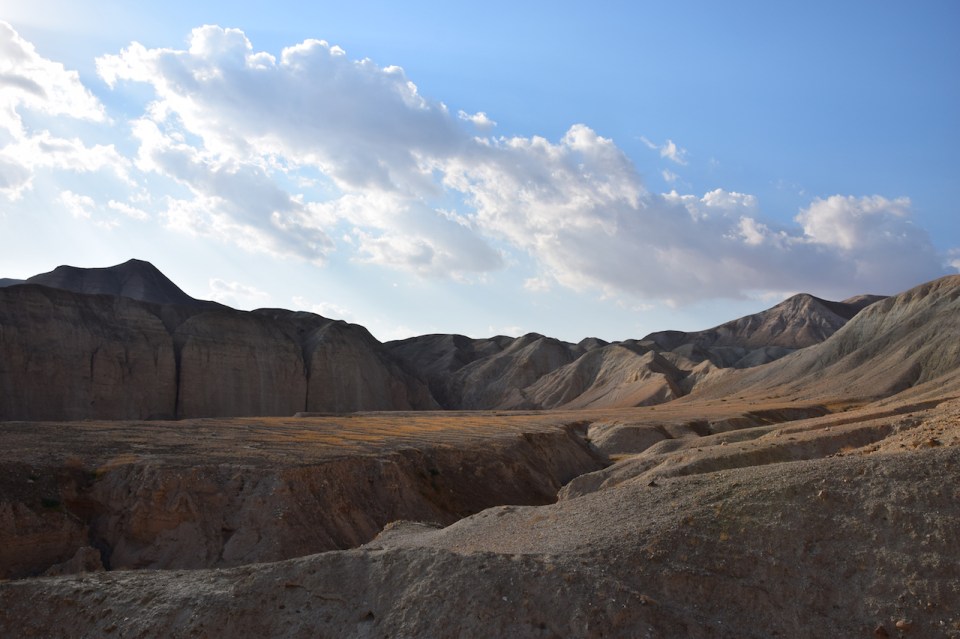
In the past year the light that had accompanied me in my life was extinguished and my own light flickered. I return to the area by the Dead Sea and wrestle to capture the light. The sun works with an incredible palette of colors, emerald, turquoise, cerulean blue, ultramarine, pink and purple, yellow ochre, orange and dusty umber.

In a world that is sometimes hard to comprehend and rapidly encroaching on nature, especially in a small country like Israel I framed these photographs to capture the pristine beauty of nature. I wanted to convey the solitude you can find in the desert – a refuge through the ages for kings, prophets, Jewish sects and Byzantine monks. I find solace in the quiet and beauty of this area by the Dead Sea.

DSC_0533

DSC_0524

DSC_0339

DSC_0552

DSC_0516

Many of the photographs display the contrasts in the landscape – between wet and dry, water and desert; the contrast between rock and vegetation and between the broad horizontal expanse of the Dead Sea and the cliffs and mountains that rise vertically above it. In some photographs, like the one below, I put aside the landscape to capture the colors and patterns in the picture to create an abstract composition.


DSC_0308


Nahal Og

DSC_0490

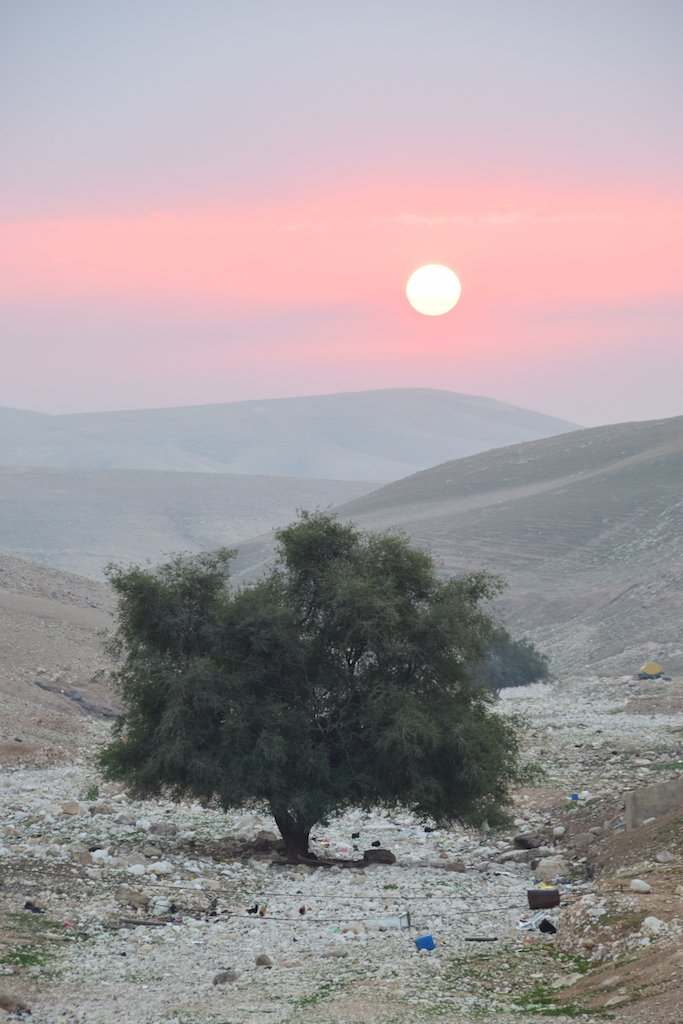
Decided to go for a photo shoot, so early in the morning I headed out of Jerusalem to drive down to the Dead Sea. After a half hour I arrived at the overlook above Nahal Og, pulled off the road just in time to see the sun breaking through the cloud cover above the horizon. I was looking for sunrise landscapes and although this part of the nahal is close to the highway and inhabited by a Beduin encampment you can capture the view of an ethereal sky and desert solitude if you look for it.

DSC_0496

There are other views – it breaks the pristine beauty, but you can include the jumble and junk scattered on the hillsides, Beduin shacks, fences, stuff.

DSC_0497 (1)

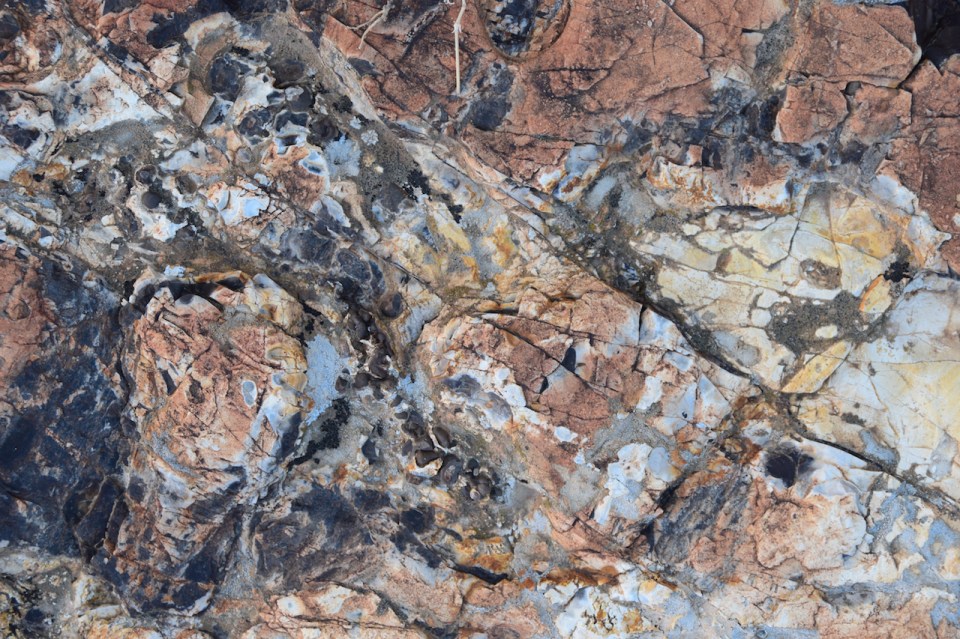
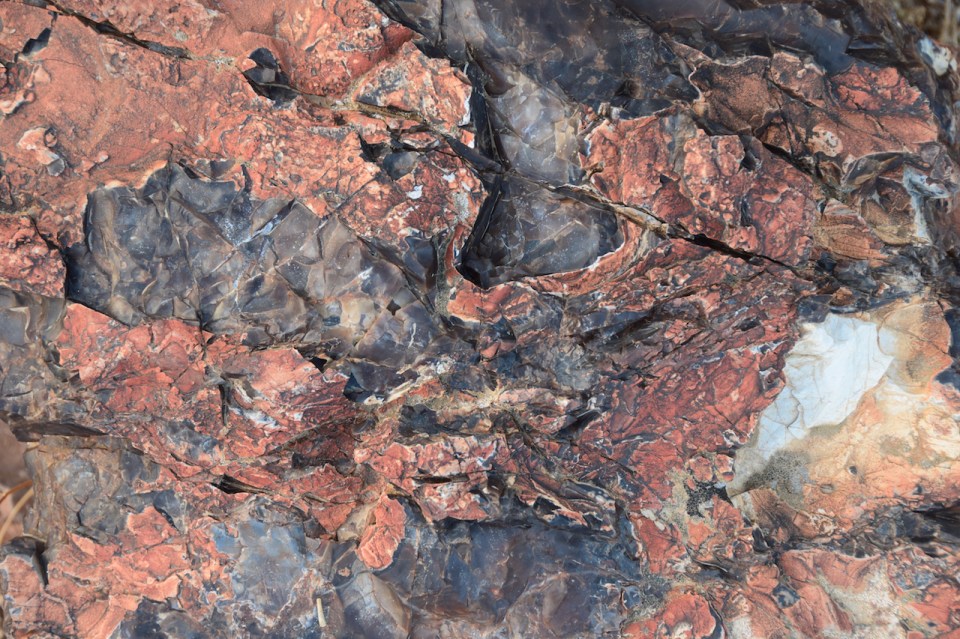
While hiking around the hills taking these photographs I looked down and noticed the rocks at my feet, incredible colors. I’ve been thinking about how to take landscape photos that display the shapes, textures and colors of what I am seeing rather than being focused on the visual scene itself. Here are a few of these rock photographs.

DSC_0504 (1)DSC_0501 (1)DSC_0503DSC_0506 (1)

Later in the afternoon, on my way back I drove to the trail head into Lower Nahal Og and took photos, the closing bracket to the sunrise photos at dawn.

A great day!

DSC_0555

For more information see my post about Hiking Nahal Og.


Negev

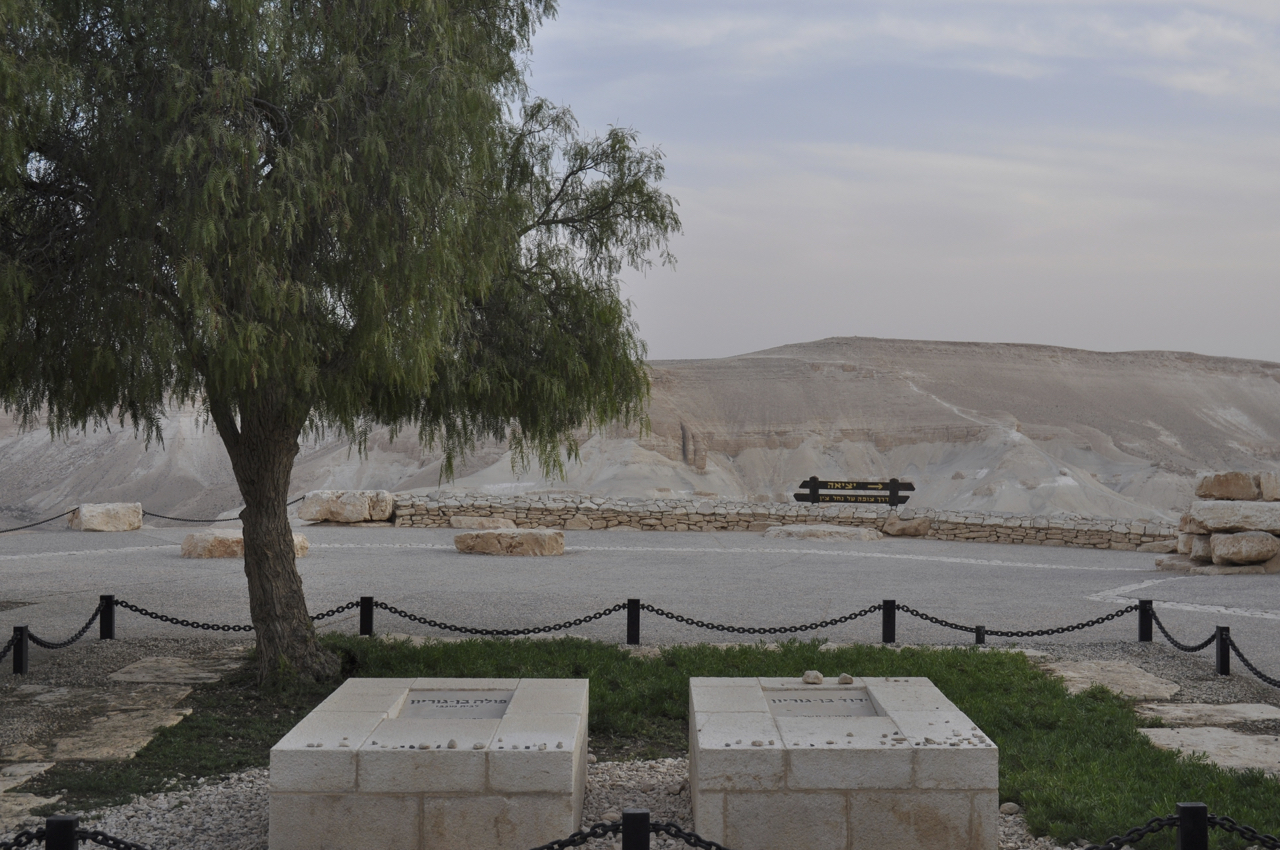
Ben Gurion grave, Sde BokerI’m thinking about the Negev. The Negev covers some 13,000 km² (4,700 sq mi) and makes up more than 55% of Israel’s land area. Ben Gurion, Israel’s first prime minister and statesman, saw the Negev as the key to a viable Israel. He joined Kibbutz Sde Boker in the Negev in 1970, lived the last 3 years of his life there and is buried overlooking Nahal Zin.

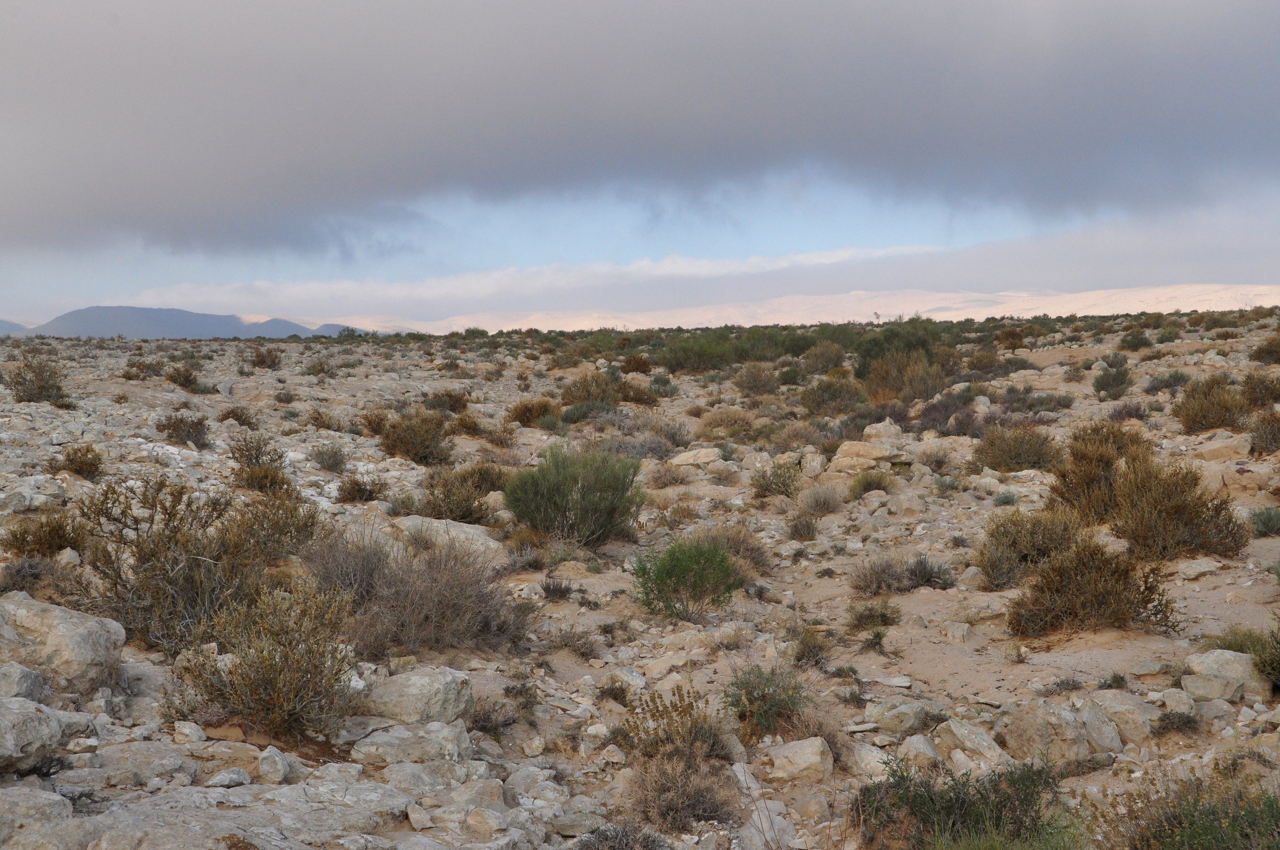
There are some remarkable sites in the area for hiking and photography : Ein Avdat, white cliffs, reflection pool and Griffon vultures (like angels) soaring overhead and a hike across a high plateau to a spring, Ein Akev, in a stream bed. This part of the Negev is a rocky desert, a melange of brown, rocky, dusty mountains interrupted by dry stream beds, in Hebrew nahal, in Arabic wadi. The photographs below are the view across the plateau from an early morning hike with Bonna in August 2013. This week, Rosh Hodesh Tammuz, we celebrate our 34th wedding anniversary.

In the first photo, there is a lot of foreground, brush, rocks, sand stretching to the distant horizon. In the second, there is little foreground and a lot of sky. The shift in the horizon line creates a dramatically different effect. I hope they capture some of the barrenness, expanse and spiritual power of the Negev. 

Rocky Negev

Negev sky

Photo of the Week – Wadi Qelt

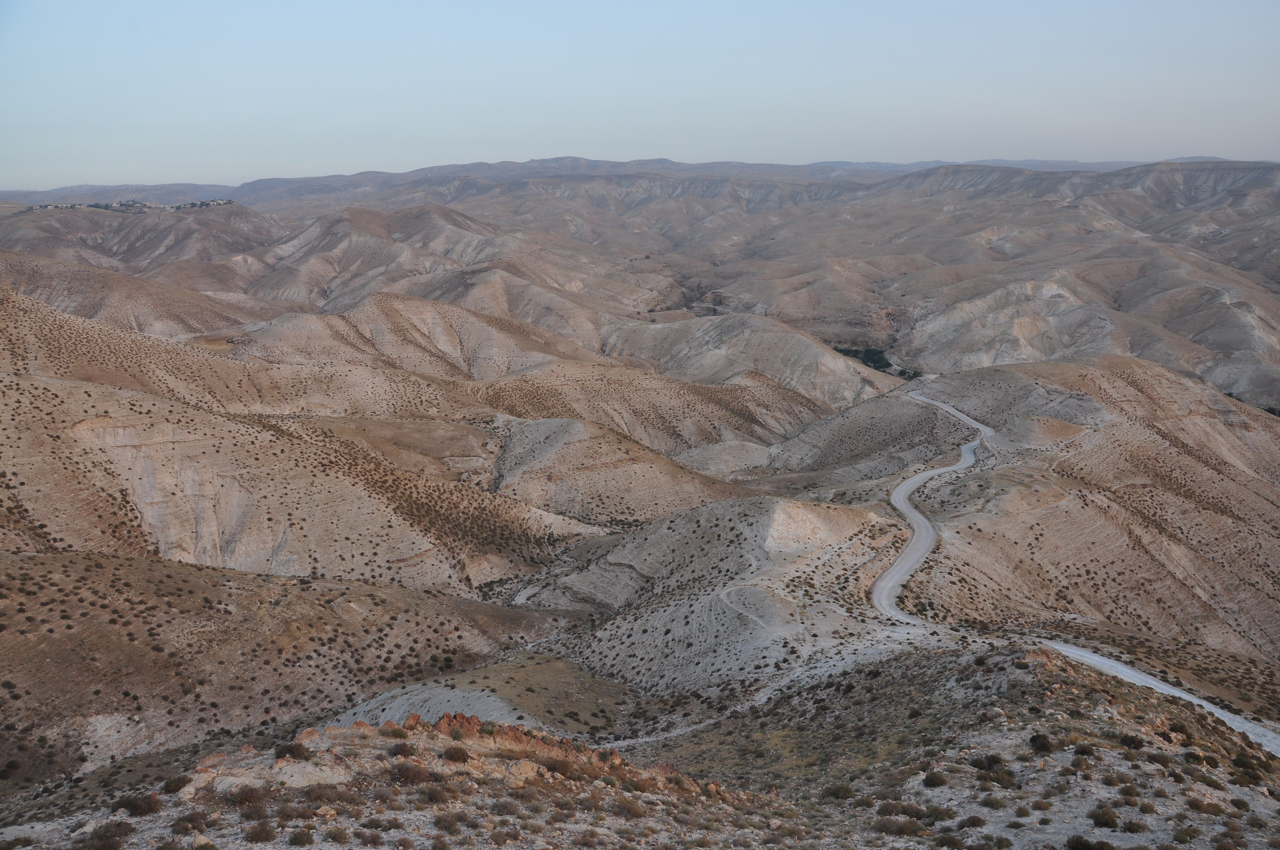
There are deserts in Israel and exploring them with a guide is a special experience. If you’re interested in photography, you will get some great photo opportunities. In the Negev I’d recommend the Large Makhtesh and the Small Makhtesh, unique geological forms and farther south the mountains around Eilat. For an area close to Jerusalem the area to explore is the Judean desert. This morning we headed out at 5am to reach an overlook of Wadi Qelt in time for sunrise – first photo was taken 6:23am. Here are some of my photos.

The technical details, these photos were shot with a Nikon D90 DSLR camera with a 18-200mm Nikon zoom lens.

sunrise-wadi-qelt

Overlook of Wadi Qelt ISO 250 18mm f/8 1/60 sec.

Overlook of Wadi Qelt ISO 250 18mm f/8 1/60 sec.

Green of Wadi Qelt ISO 250 42mm f/8 1/60 sec.

Overlook of Wadi Qelt ISO 250 42mm f/8 1/60 sec.

Please share this post with your friends by clicking on the icons at the end of this message.

Photographs on this website are © Shmuel Browns (unless marked otherwise) – if you are interested in purchasing one of my photos or using one of my photos for your own project please contact me.

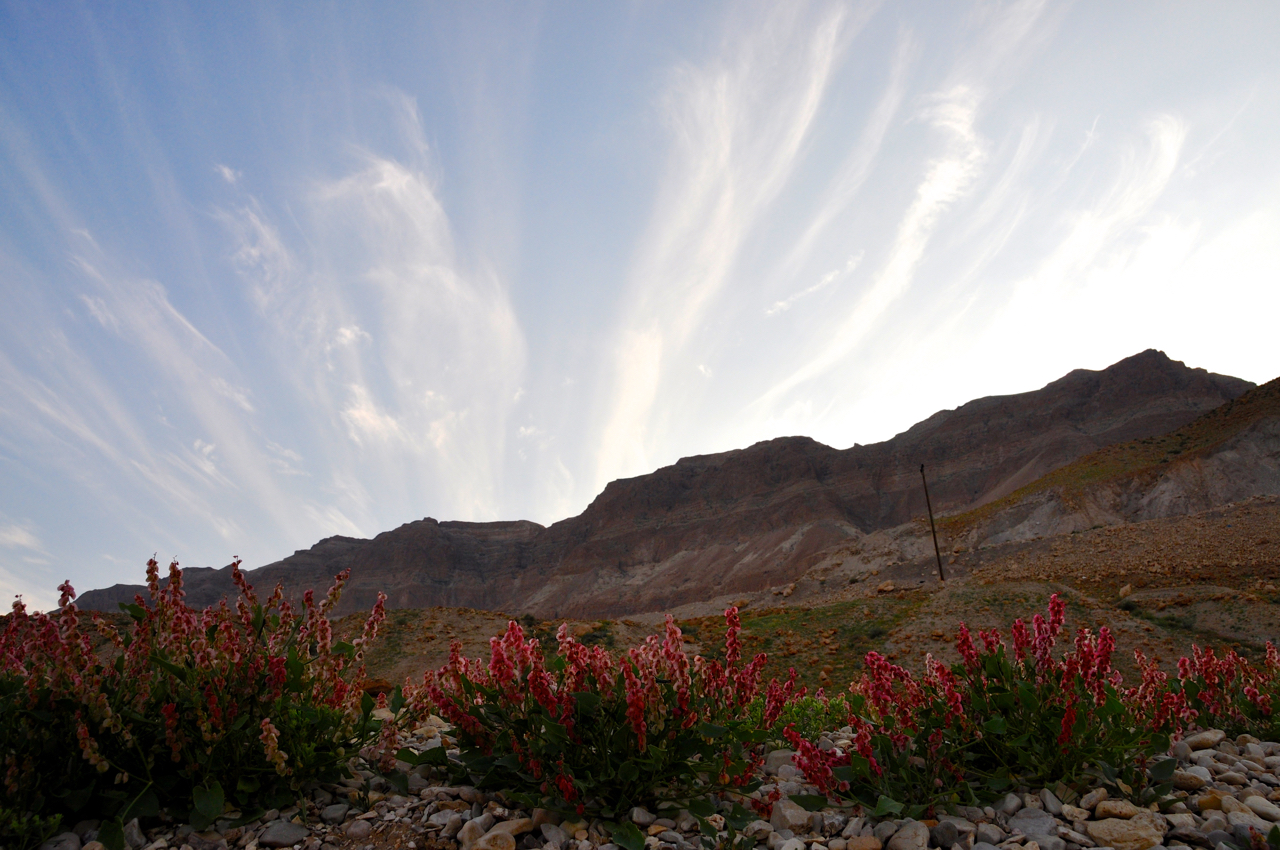
Photo of the Week – Flowers in Judean Desert

The Dead Sea and Judean desert are just a half hour drive down the hill from Jerusalem making it very accessible. It is the lowest place on earth, 409 meters below sea level, an area bordered by mountains on both sides in a desert with running water and in one area geothermal springs. I drove down this week to enjoy the hot springs and float in the mineral-rich cool sea. I can’t remember a time when i’ve seen the hills so green with so many wildflowers blooming.

Flowers in Judean DesertThe technical details – the photo was taken with a Nikon D90 digital SLR camera in March (ISO 200, 20mm, F10 at 1/250 sec). Clicking on the image will display it larger.

Please share this post with your friends by clicking on the icons at the end of this message.

Photographs on this website are © Shmuel Browns (unless marked otherwise) – if you are interested in buying or using one of my photos for your own project please contact me.

Through My Lens, Dead Sea

SB MudThe Dead Sea is located at the lowest point on earth, part of the Great African Rift valley, in the crack in the earth’s crust created when Asia and Africa were torn apart five million years ago. Yesterday we drove down to the Dead Sea from Jerusalem for a relaxing day. We chose Mineral Beach and soaked in the 39º C (that’s 102º F) thermal pool, floated in the Dead Sea and slathered ourselves with mud.

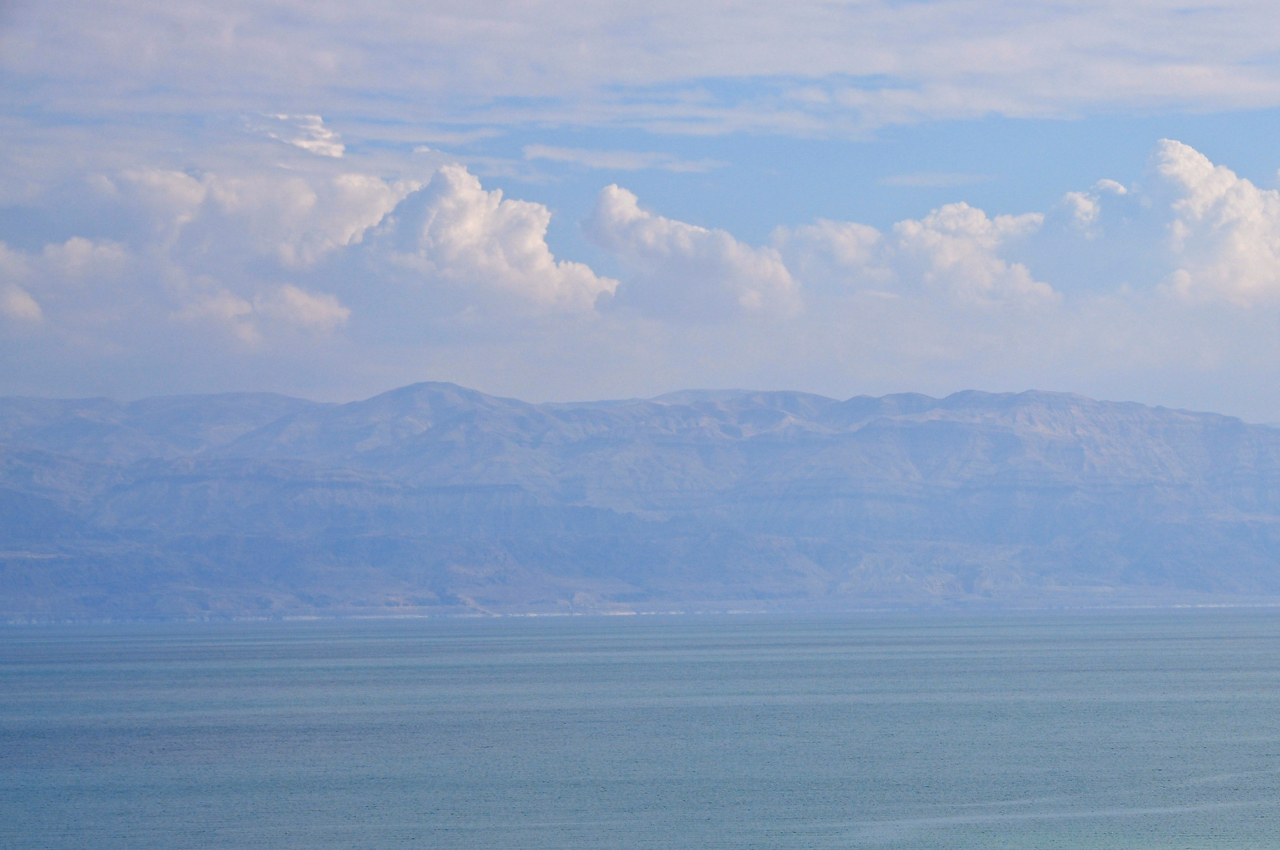
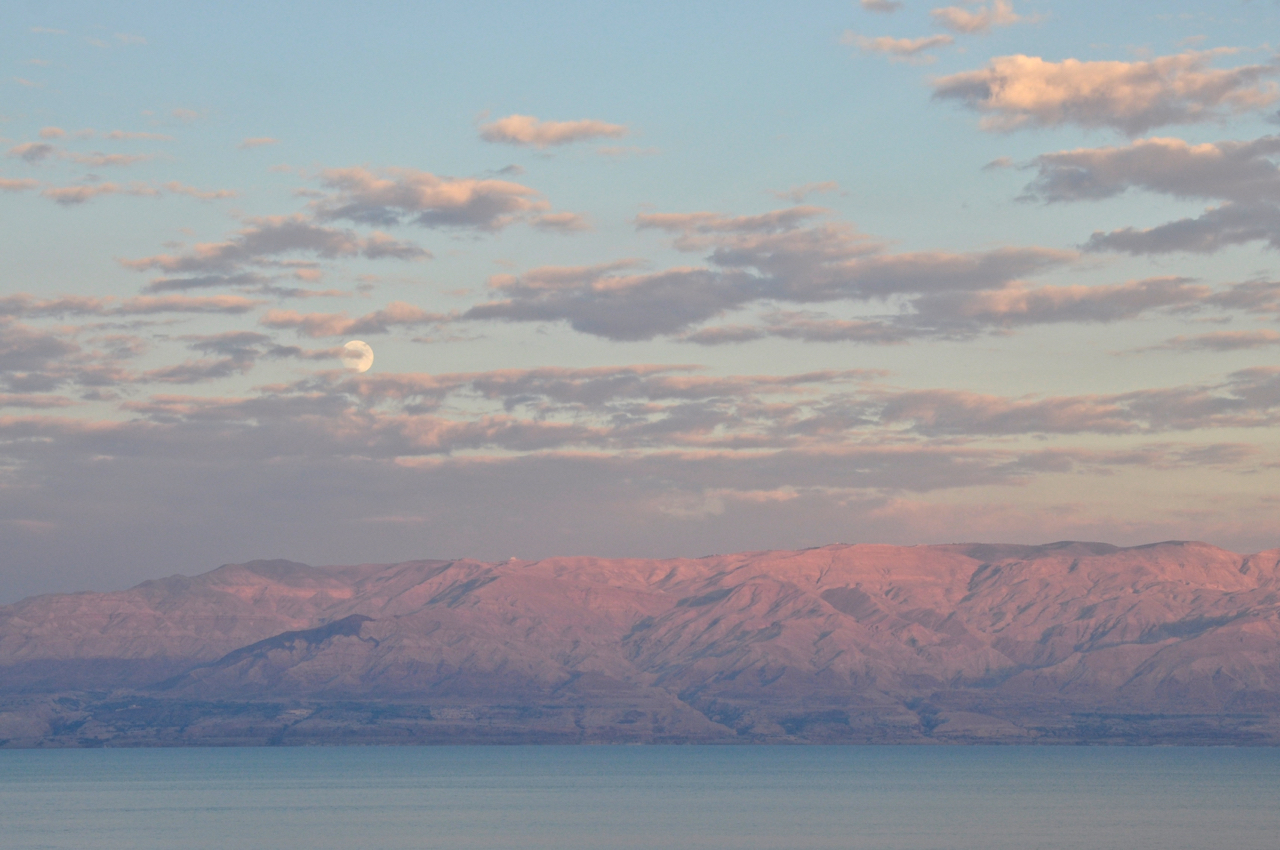
In my last couple of blog posts, A Glimpse of Tomb of Moses and Sunset at Large Makhtesh, I shared photographs that I took in the late afternoon, a good time to take photographs. These photos continue this theme, taken as the sun sank behind the cliffs and the moon rose over the mountains of Moab in Jordan. The photographs were taken with a Nikon D90 DSLR camera with 18-200mm zoom lens.

Blue Dead Sea

Dead Sea in Blue, early afternoon

The photograph below was taken pointing west at the sun after it had sunk behind the mountain (the other photos were pointing east at Jordan). This meant that there was only a few minutes of light to capture these images.

Sun setting Dead Sea

Sun sinking behind the mountains

Dead Sea sunset

Sunset at Dead Sea

Moonrise over Dead Sea

Moonrise over Dead Sea