Category Archives: Nature

Photographs at Dead Sea


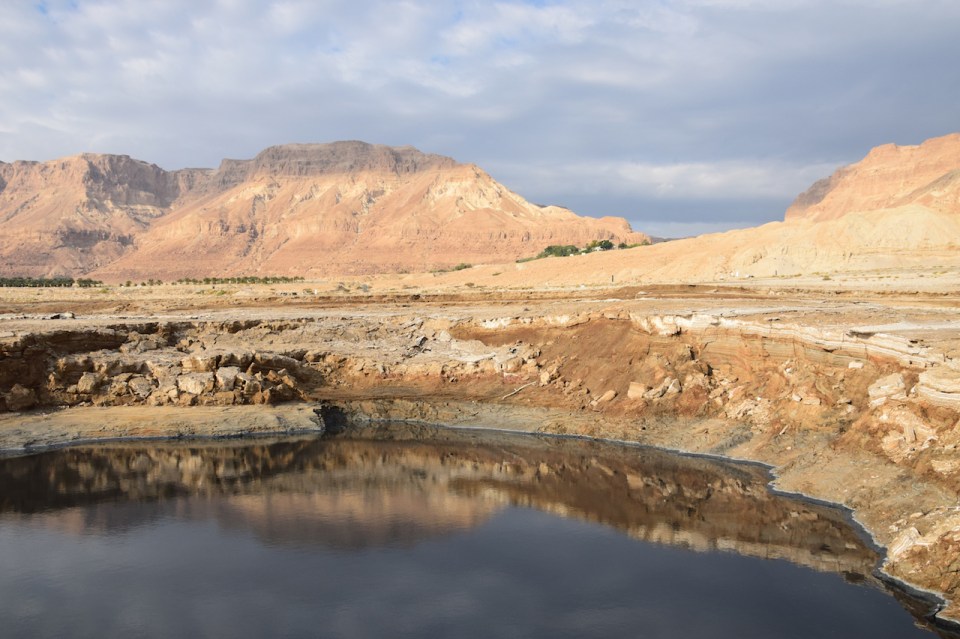
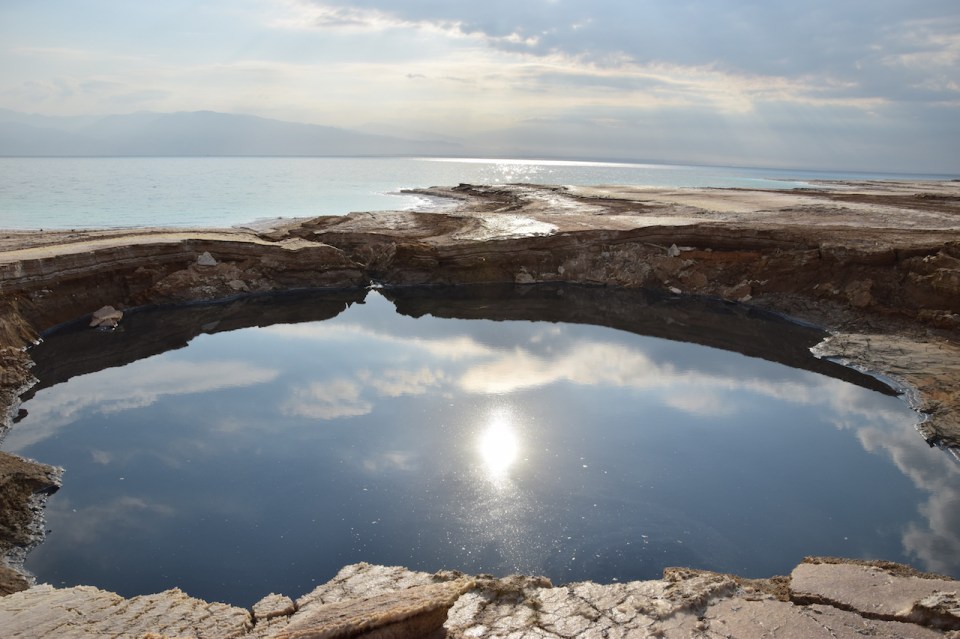
August 2008 when traveling to Kathmandu with my family was the first time I ever exhibited my photographs, in a show I called “From the Lowest Place on Earth”. At 420 meters below sea level, the Dead Sea lies in a deep crack in the earth, between Israel and Jordan, part of the Great African Rift.

DSC_0320

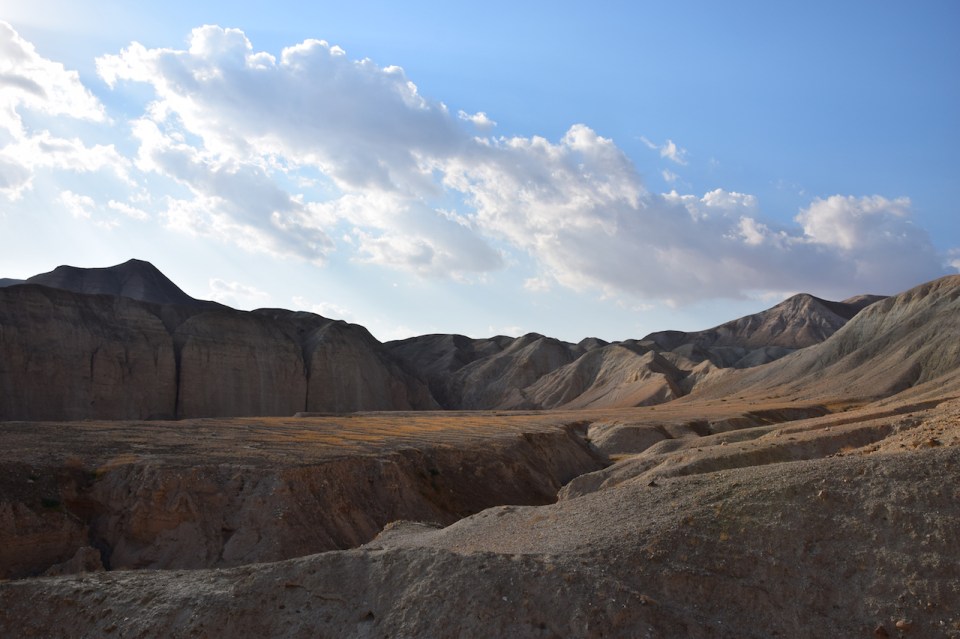
In the past year the light that had accompanied me in my life was extinguished and my own light flickered. I return to the area by the Dead Sea and wrestle to capture the light. The sun works with an incredible palette of colors, emerald, turquoise, cerulean blue, ultramarine, pink and purple, yellow ochre, orange and dusty umber.

In a world that is sometimes hard to comprehend and rapidly encroaching on nature, especially in a small country like Israel I framed these photographs to capture the pristine beauty of nature. I wanted to convey the solitude you can find in the desert – a refuge through the ages for kings, prophets, Jewish sects and Byzantine monks. I find solace in the quiet and beauty of this area by the Dead Sea.

DSC_0533

DSC_0524

DSC_0339

DSC_0552

DSC_0516

Many of the photographs display the contrasts in the landscape – between wet and dry, water and desert; the contrast between rock and vegetation and between the broad horizontal expanse of the Dead Sea and the cliffs and mountains that rise vertically above it. In some photographs, like the one below, I put aside the landscape to capture the colors and patterns in the picture to create an abstract composition.


DSC_0308


Photo of the Week – Nahal Soreq

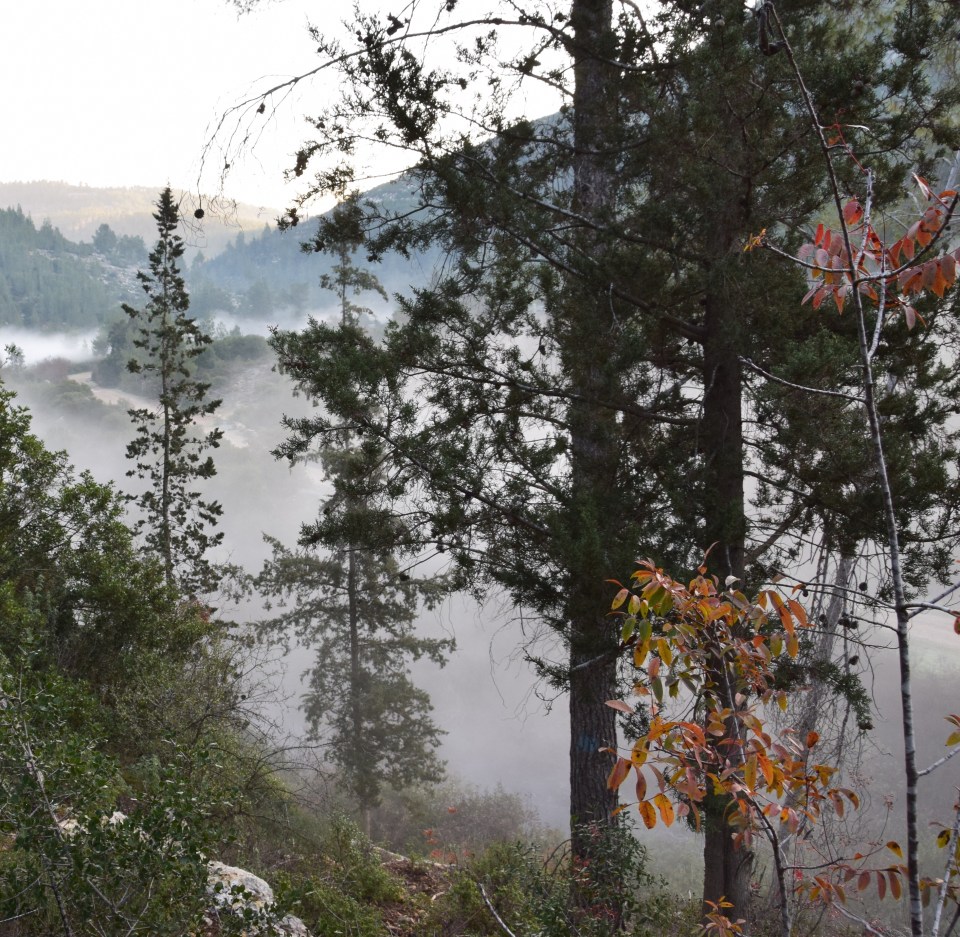
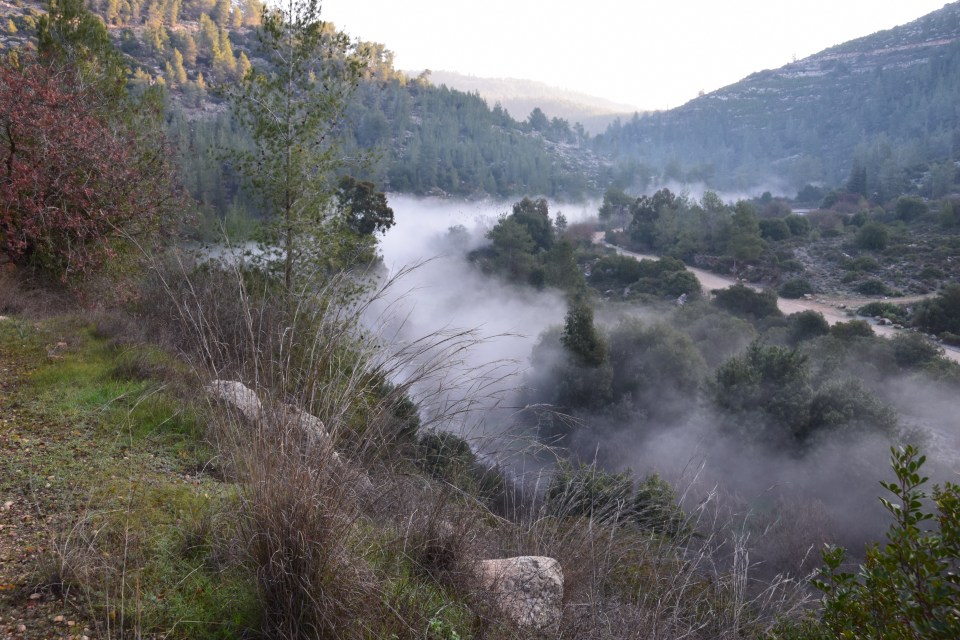
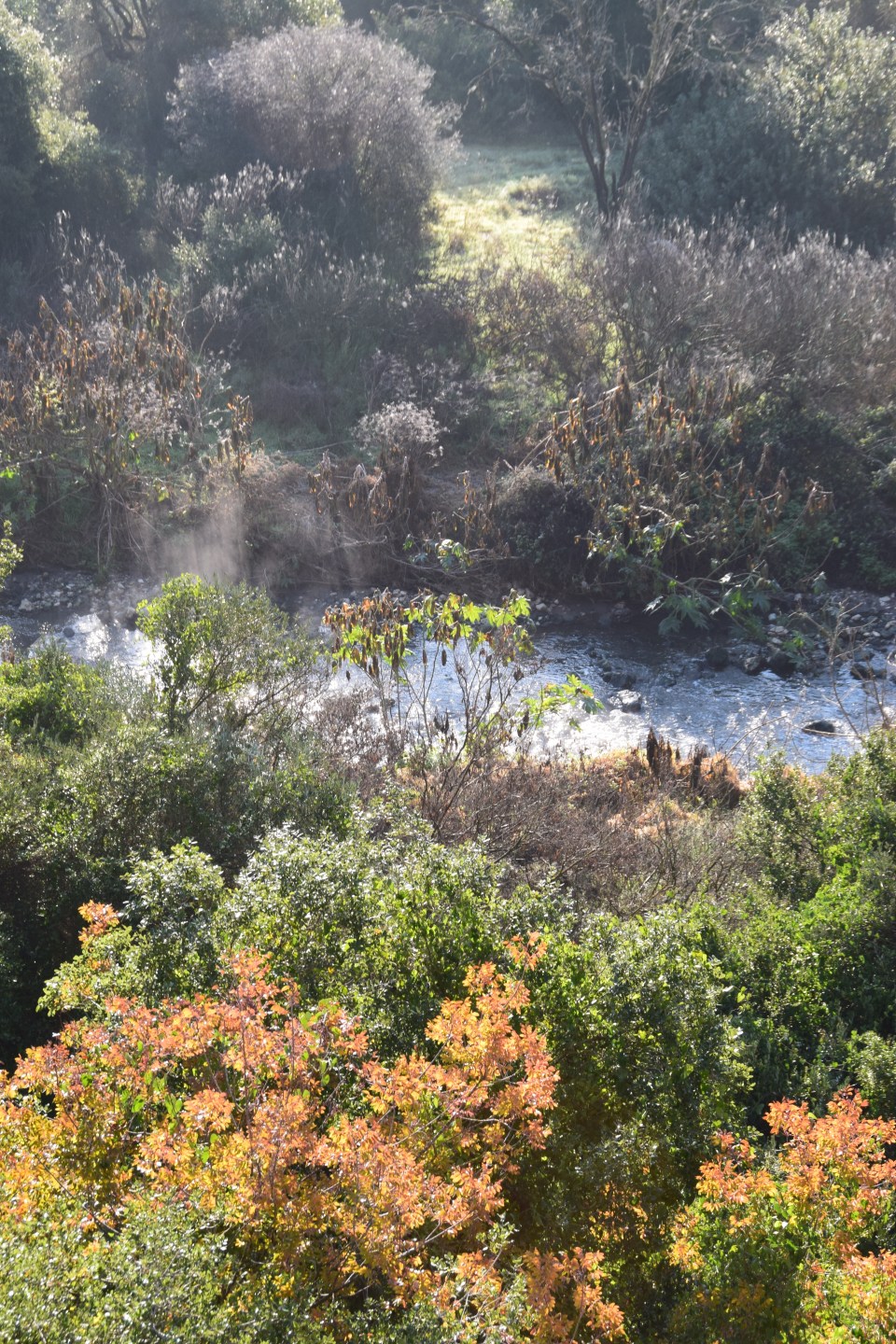
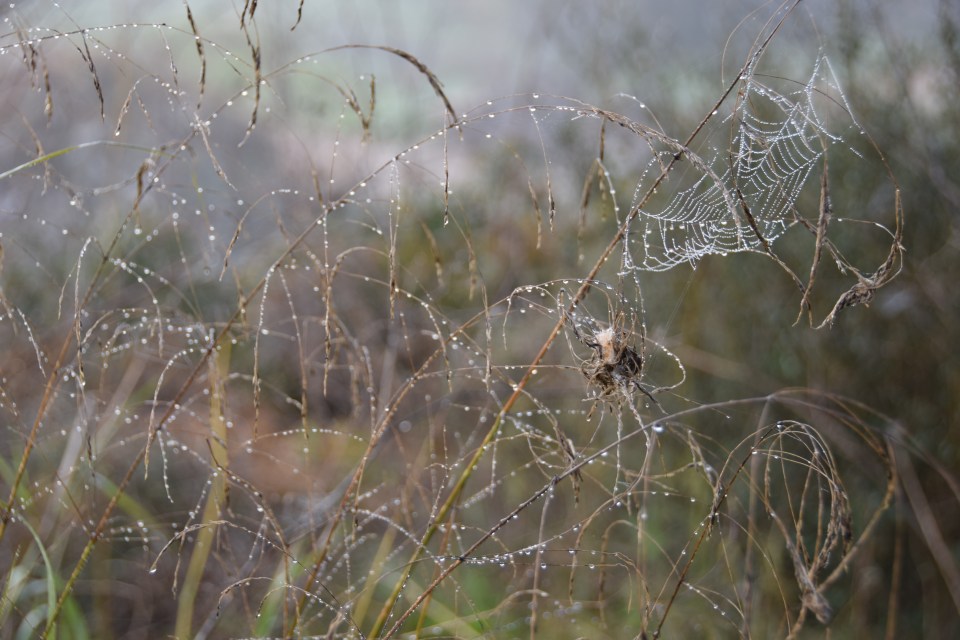
Early this morning we drove out of Jerusalem past Ein Karem and Sataf and followed the Soreq valley, the historical route of the train that joined Jaffa to Jerusalem. Suddenly the gauge on the car signaled that the temperature outside was 4ºC. As we looked to the right the valley was filled with mist. We pulled off the highway, parked and climbed the hill to get some elevation and take photographs.

DSC_0106

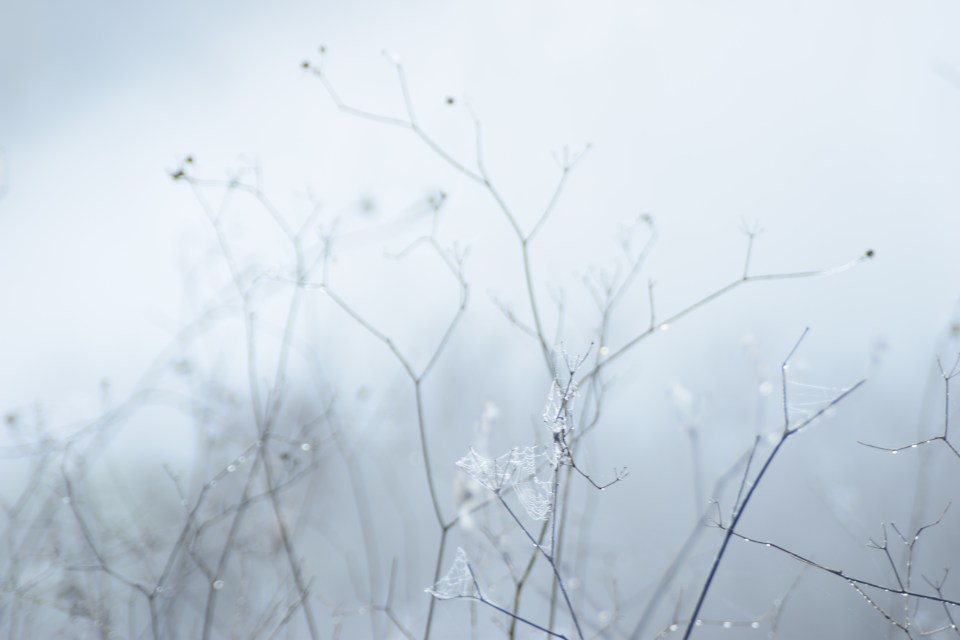
DSC_0108DSC_0163Then we descended into the valley and mist and got some nice closeups using a macro lens.

DSC_0140

Couldn’t find any spiders but saw their gossamer webs left behind.

DSC_0132

We did a nice hike in Nahal Katlav, from the derelict Bar Giora/Dayr-al-Shaykh train station, and I figured that the time was right to find crocus pushing up through the earth and we did.

Yam l’yam – Hiking Sea to Sea (3 days)

During the heat wave of July I walked yam l’yam from the Mediterranean Sea to the Sea of Galilee twice in 2 consecutive weeks so I have been initiated. We did it as a 3 day hike, walking about 20+ km per day, 1) Achziv to Maalot Tarshiha, 2) to Meron and 3) to Karei Deshe. Those who have heard of yam l’yam think it’s a cool concept, you walk across the whole country (that’s how small Israel is). In fact, each day is a great hike. Together the 3 days are more than the sum of their parts, enabling you to experience a cross-section of northern Israel. Each day hike is different, challenging in its own way, with varying topography, vegetation and accompanying history. This post is to document parts of the hike with photos, so that you, dear readers, will see something of what we experienced. I invite you to consider this amazing hike on your next visit.

Sea at Achziv

Sea at Achziv

Amitai carving watermelon

Amitai carving watermelon

Day 1: According to tradition we began yam l’yam by touching the water. The earlier you can start the better (especially in the summer, this year the temperature in July when we did the hike was in the 90ºs). The trail goes under highway <4> by the monument to the Night of the Bridges, an operation carried out by the Haganah and Palmach on the night of June 16-17,1946 in British Mandate Palestine to destroy 11 bridges linking the country to its neighbors, Lebanon, Syria, Jordan and Egypt that the British army used as transportation routes. The operations were carried out successfully, without injuries, except for the railway bridge at Nahal Keziv which failed (14 soldiers were killed, 5 injured).

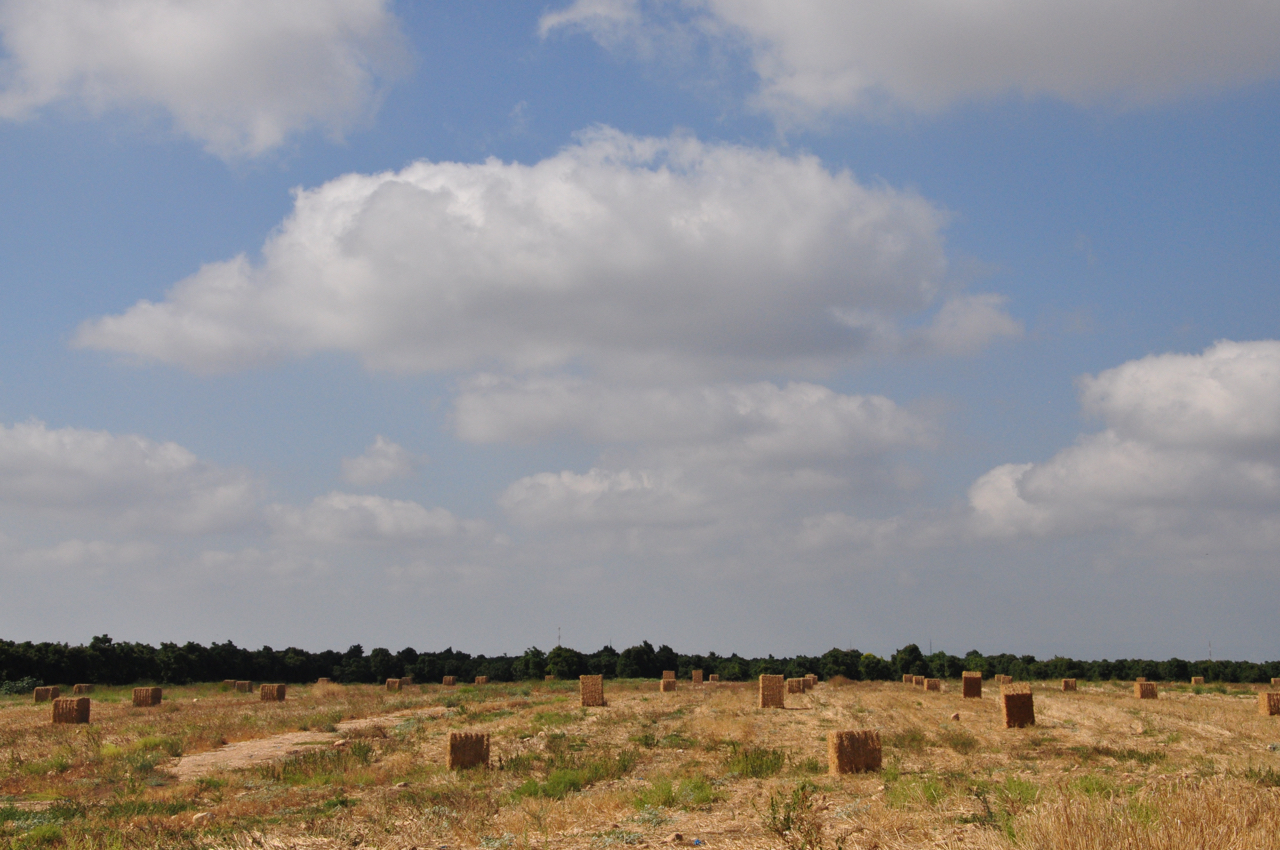
The route continues parallel to the nahal beside the fields of Kibbutz Gesher HaZiv. The kibbutz had harvested their watermelons but there were some left behind and we found a good one that Amitai carved and served. The kibbutz also had fields of sunflowers and forage crops that had been harvested and were drying in bales in the field – the scene reminded me of scenes of Tuscany.
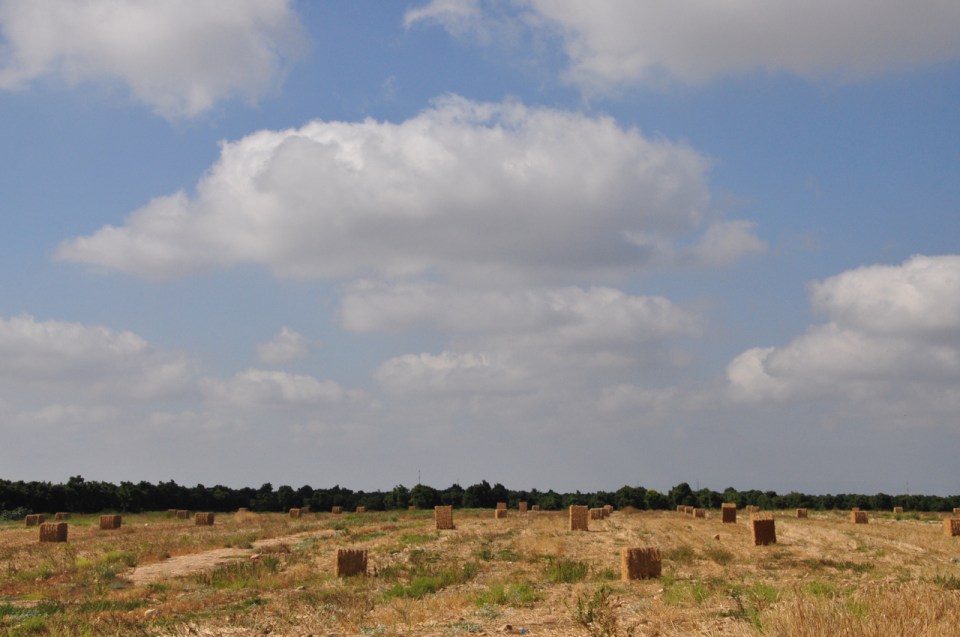
Galilee like Tuscany
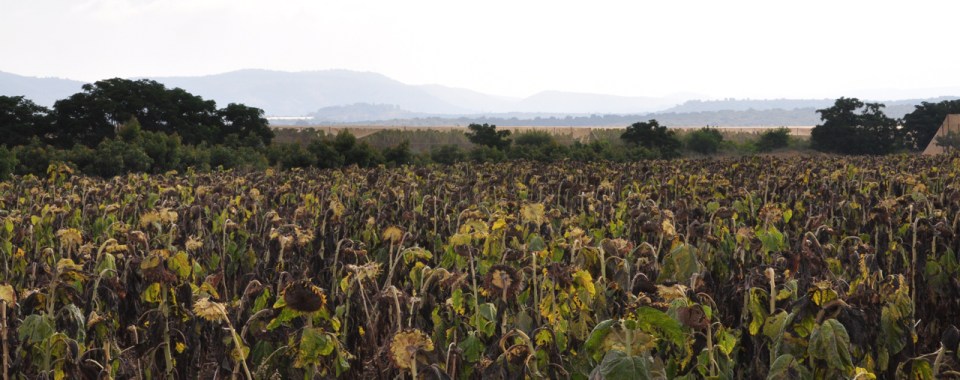
Galilee like Tuscany

Field of sunflowers

Field of sunflowers

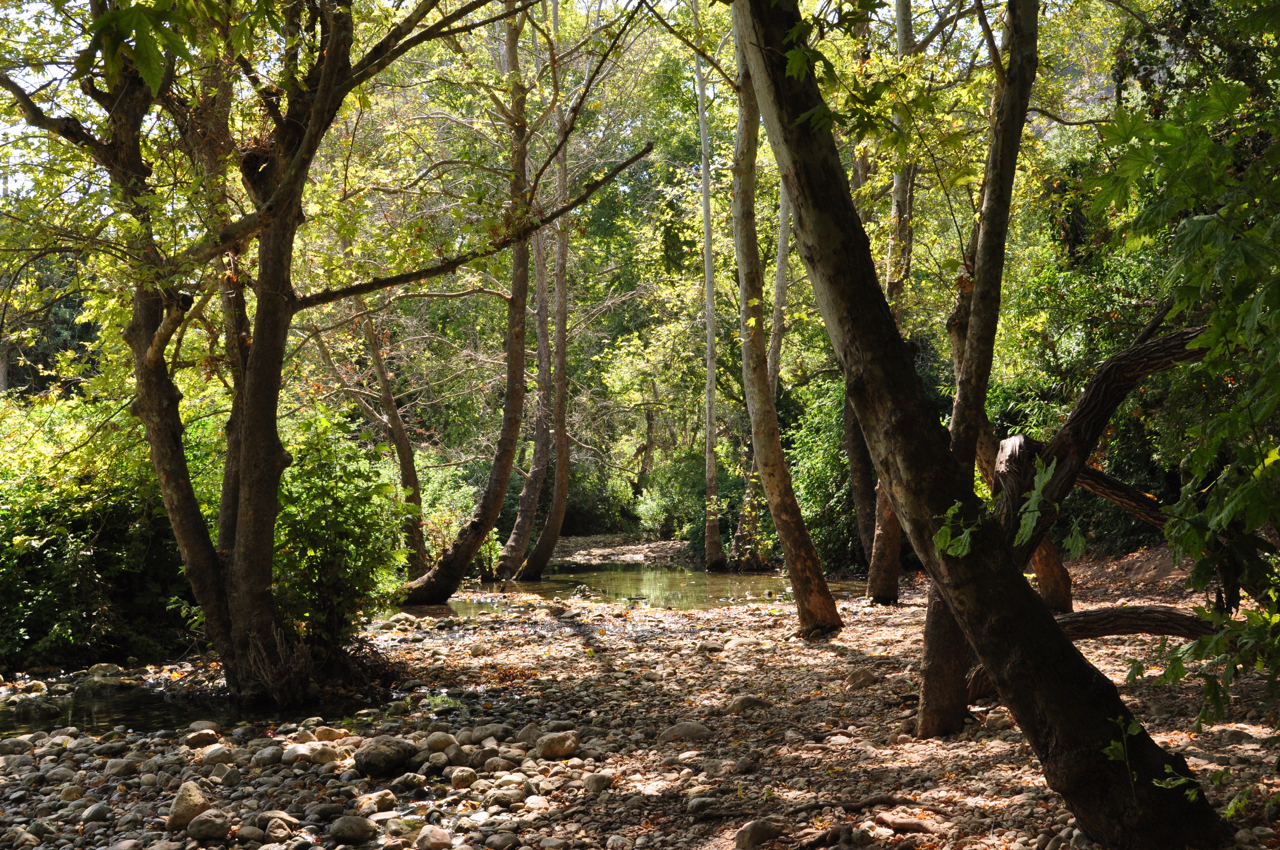
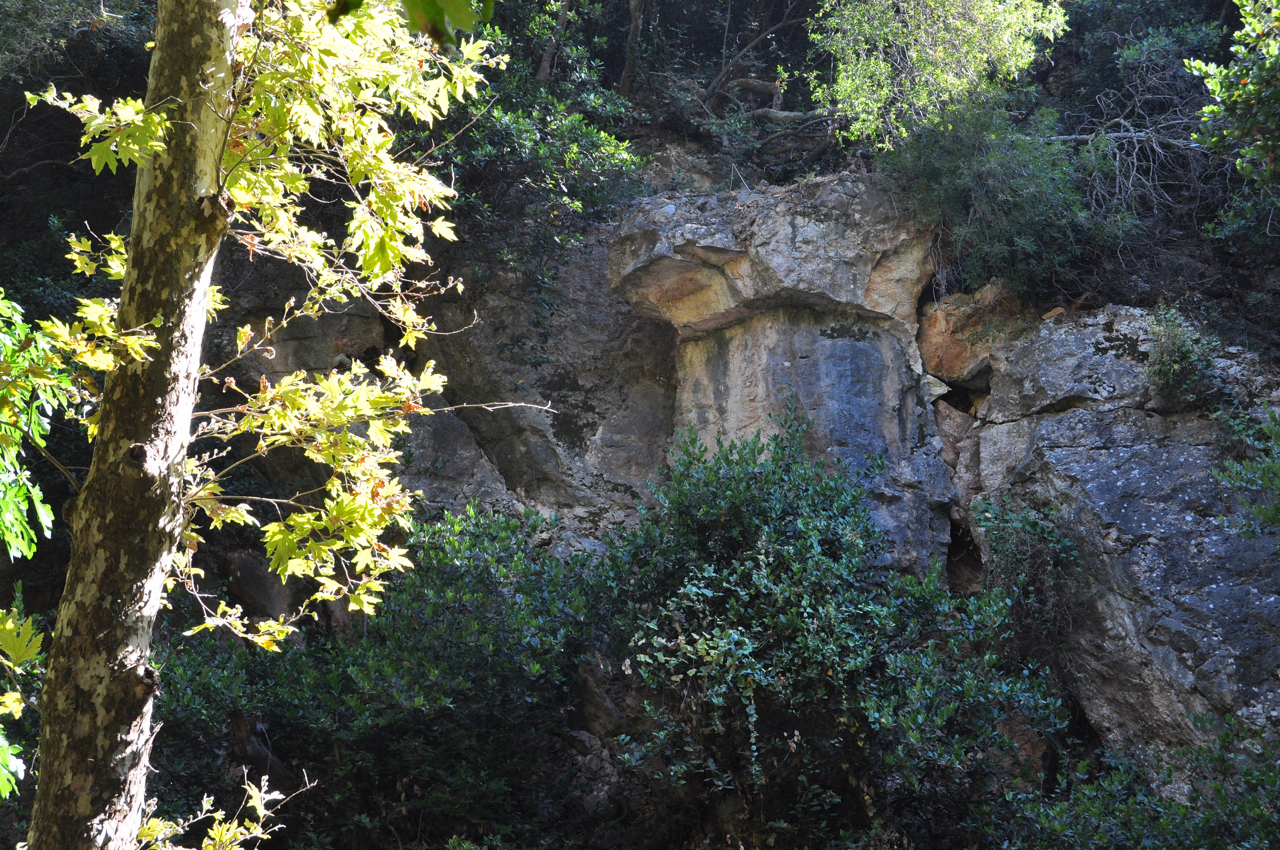
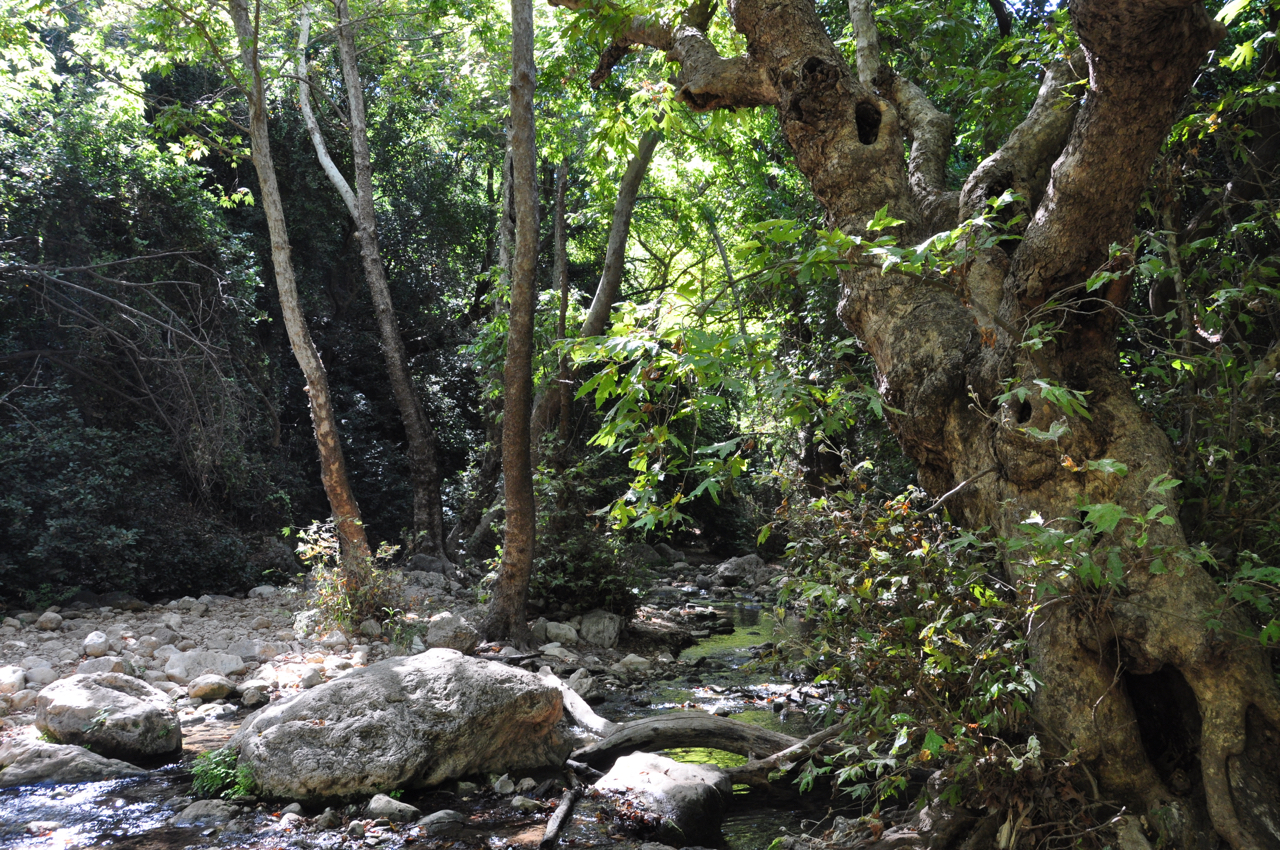
From there you pick up the green trail that runs along Nahal Keziv and follow it through dappled woods and streams.

Forest, Achziv

Sumsum enjoying

Sumsum one tired but happy dog

If you keep your eyes open you’ll see all kinds of plants and animals.

Farther along the trail you’ll see the ruins of Montfort Castle, a Crusader fortress that was originally built as a farming estate by the French De Milly family. The name derives from the two French words mont (a mountain) and fort (strong). When the estate was sold in 1220 to the German Teutonic Knights they fortified it as their headquarters and called it accordingly Starkenberg, the same meaning in German.

Montfort

Montfort Castle

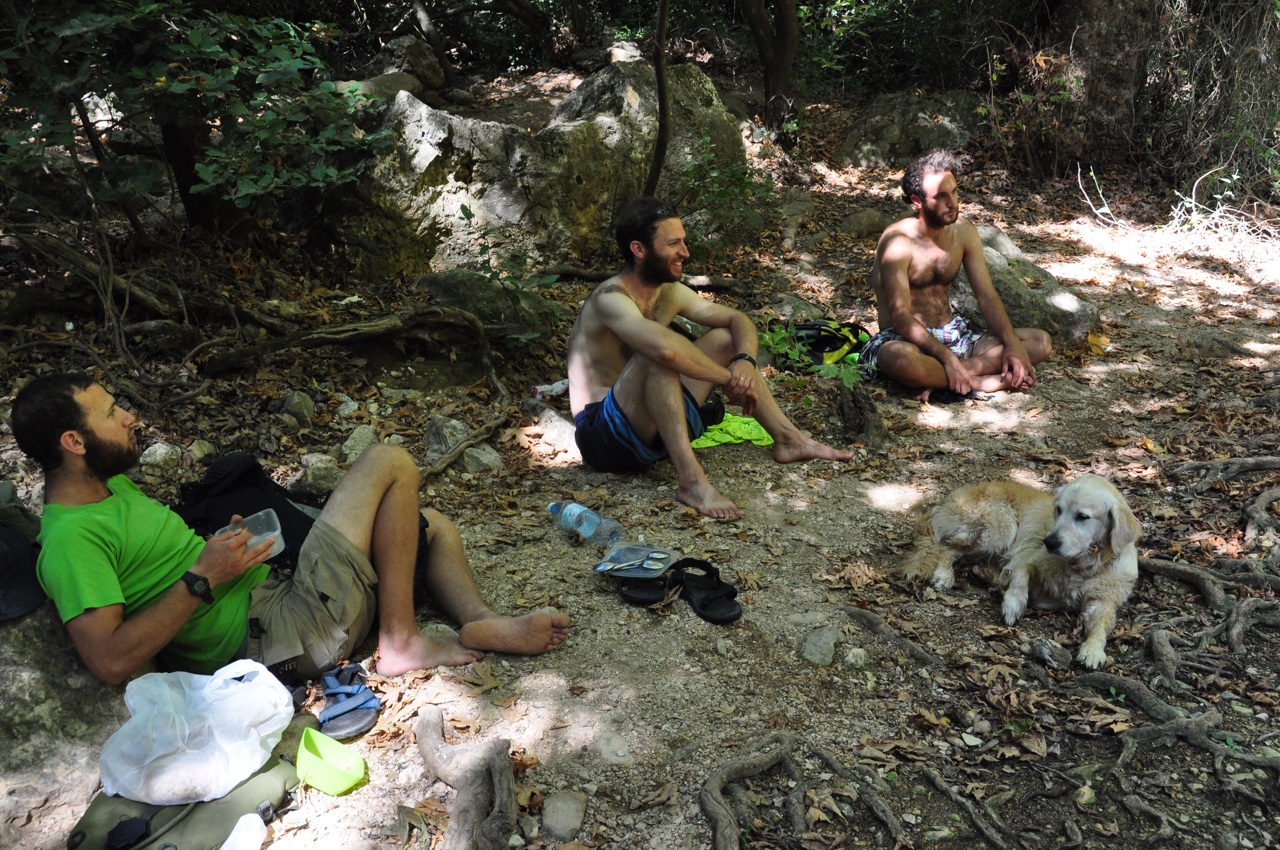
From here we reached Ein Tamir and this was where we stopped for lunch and a dip in the pool.
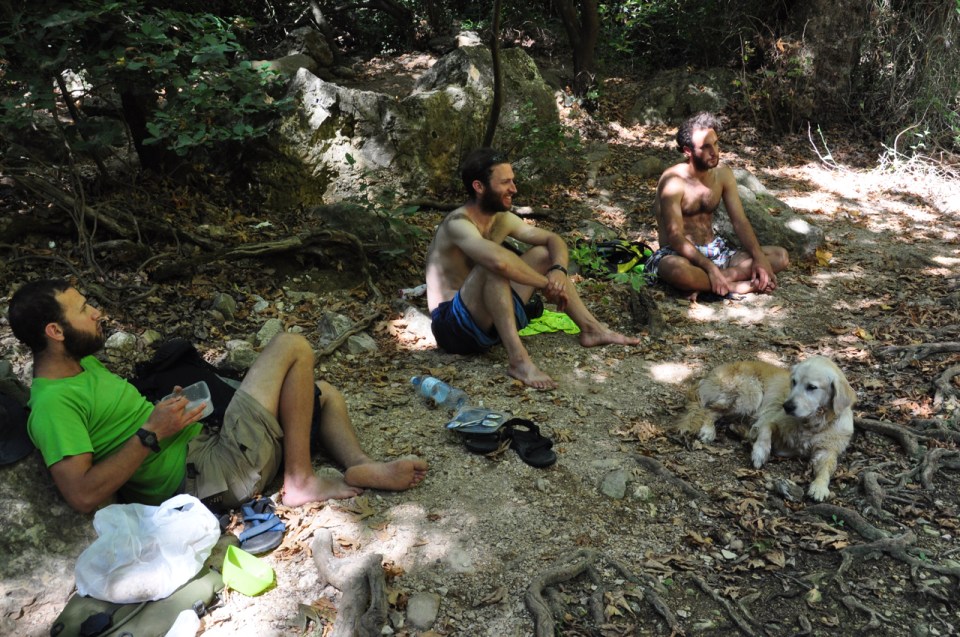
Boys relaxing

Everyone relaxing

Lunch break

Forest

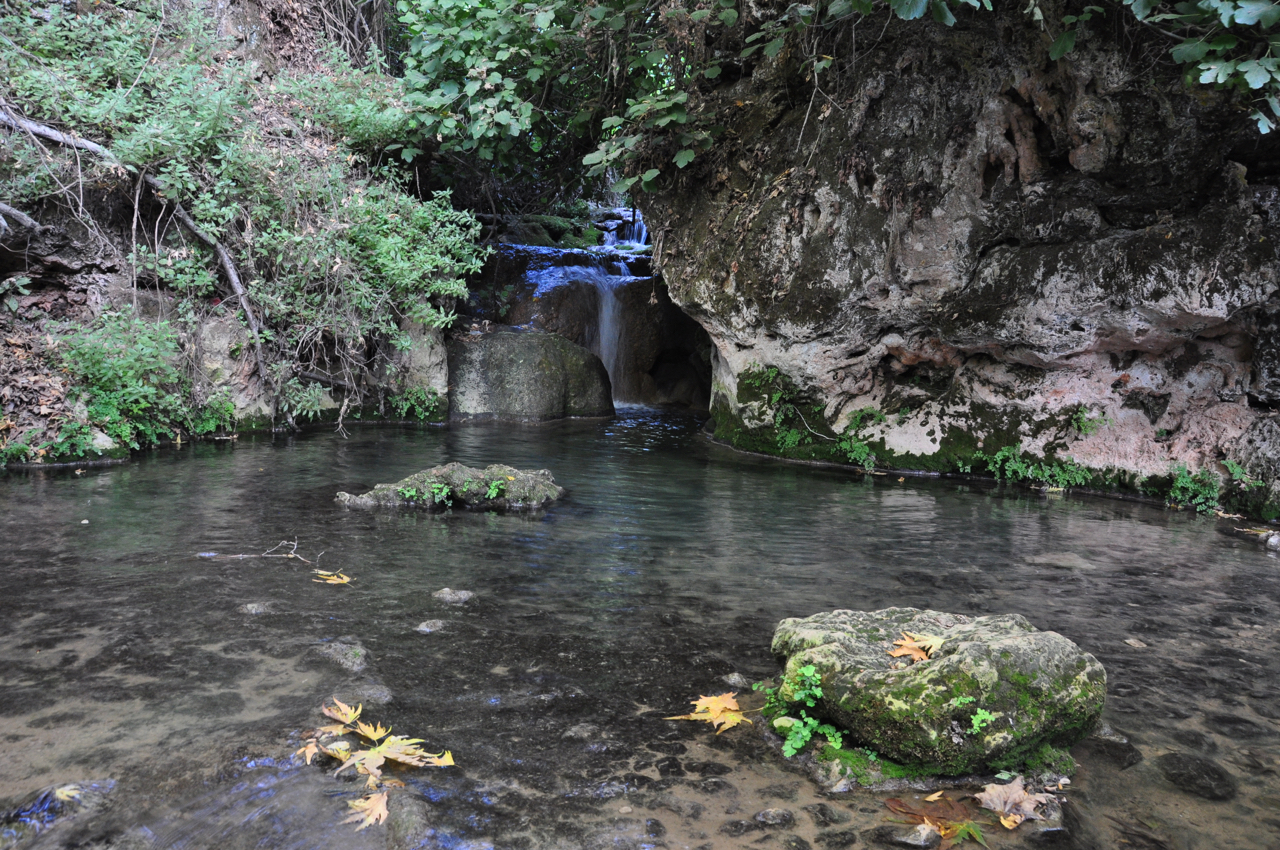
Cascading watersClose to the end of day 1 we reached this waterfall and after cooling down we hiked uphill to the town of Maalot-Tarshiha. The city was established in 1963 through a municipal merger of the Arab town of Tarshiha and the Jewish development town of Ma’alot. Tarshiha is believed to have been built on the site of a Canaanite settlement, Haki, dating back to the 2nd-3rd millennium BCE. Excavations of a 4th-century burial cave in the village unearthed a cross and a piece of glass engraved with a menorah.

Day 2: Early morning we took a lift to the trailhead to rejoin Nahal Keziv at the intersection of highway <89> with <8944>. The challenge on day 2 is the climb up Mount Neria and over Mount Meron, the highest peak in Israel (proper) at 1208 meters above sea level (except for the Hermon that soars to 2814 meters).
Yam l'yam day 2

Katlav, Nahal Amud

Katlav, Nahal Amud

When you reach the peak of Mount Neria the view is breath-taking and these lines may come to mind.

There is much beauty in the world                           יש בעולם הרבה דברים יפים
Trees and flowers and people and scenery             עצים ופרחים ואנשים ונופים
And if you open your eyes                                              ומי שיש לו עיניים פקוחות
You’ll see every day                                                                           רואה יום יום
A hundred incredible things, at least.                       מאה דברים נפלאים לפחות
                 Leah Goldberg                                                         לאה גולדברג

Day 3: Rejoin the trail and enter Upper Nahal Amud just past Meron. The trail is part of the Israel Trail and runs north-south to the Sea of Galilee at about 200 meters below sea level.

Pine Forest, Meron

Pine Forest, Meron

This is one of the pools where you can go in to cool off.
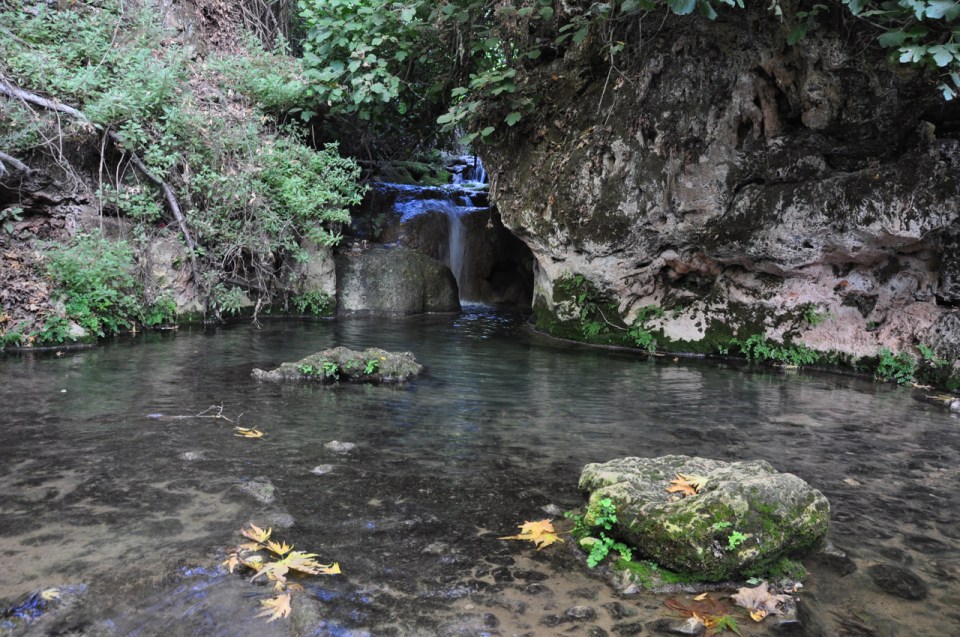
Pool, Upper Nahal Amud

Sehvi Pool, Upper Nahal Amud

And finally the Kinneret, the Sea of Galilee. According to tradition we ended by touching the water (and then enjoying a dip).

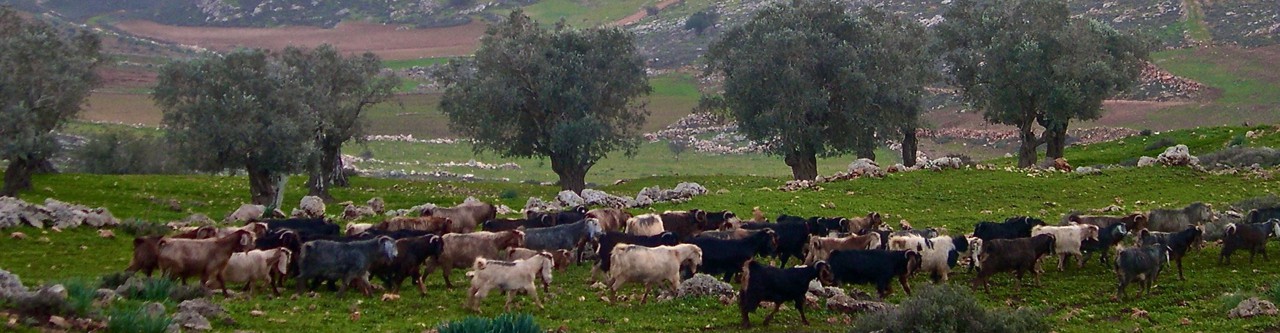
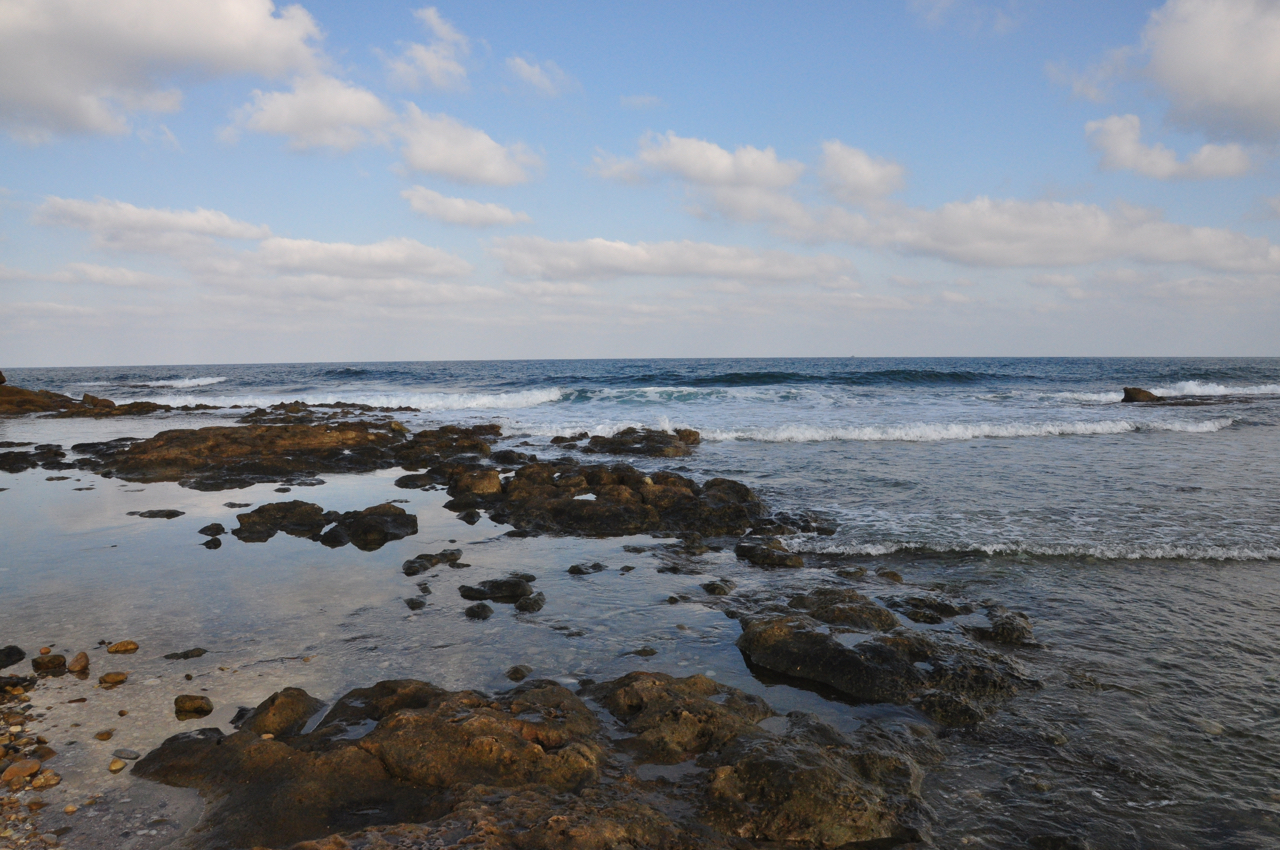
Sea of Galilee

Nahal Og

DSC_0490

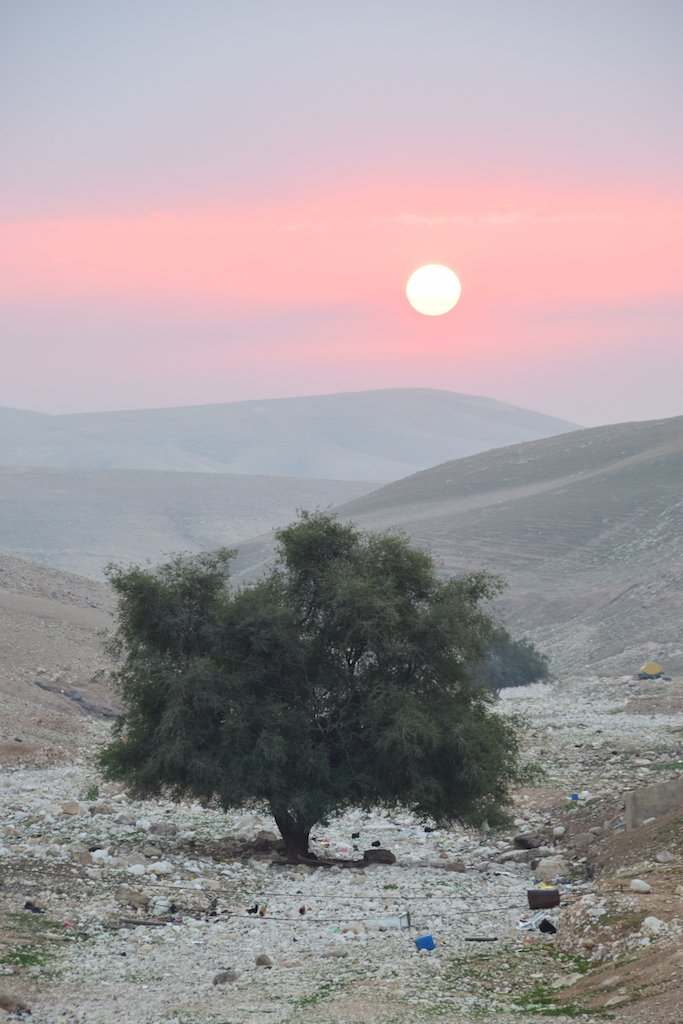
Decided to go for a photo shoot, so early in the morning I headed out of Jerusalem to drive down to the Dead Sea. After a half hour I arrived at the overlook above Nahal Og, pulled off the road just in time to see the sun breaking through the cloud cover above the horizon. I was looking for sunrise landscapes and although this part of the nahal is close to the highway and inhabited by a Beduin encampment you can capture the view of an ethereal sky and desert solitude if you look for it.

DSC_0496

There are other views – it breaks the pristine beauty, but you can include the jumble and junk scattered on the hillsides, Beduin shacks, fences, stuff.

DSC_0497 (1)

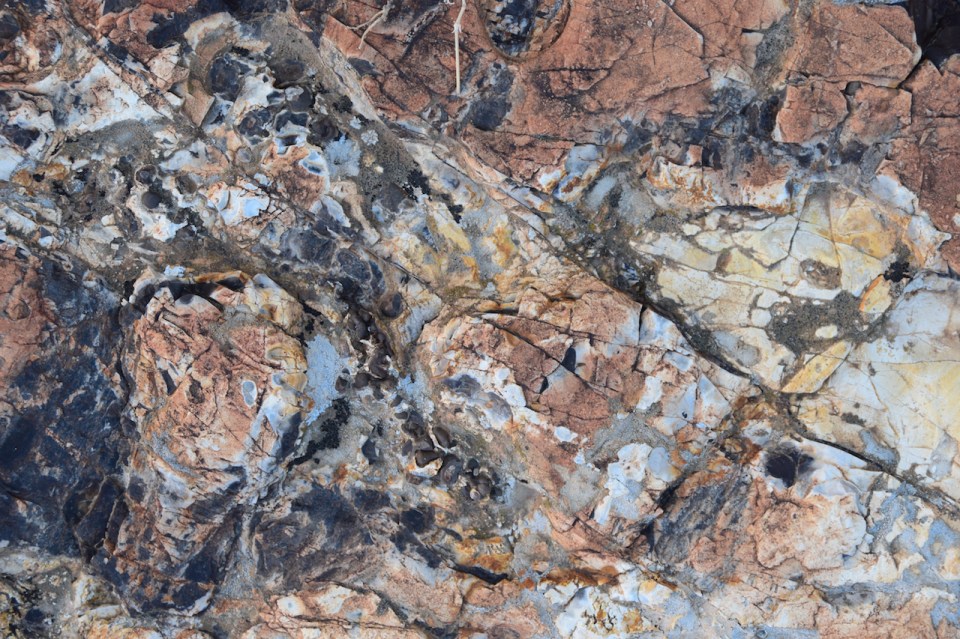
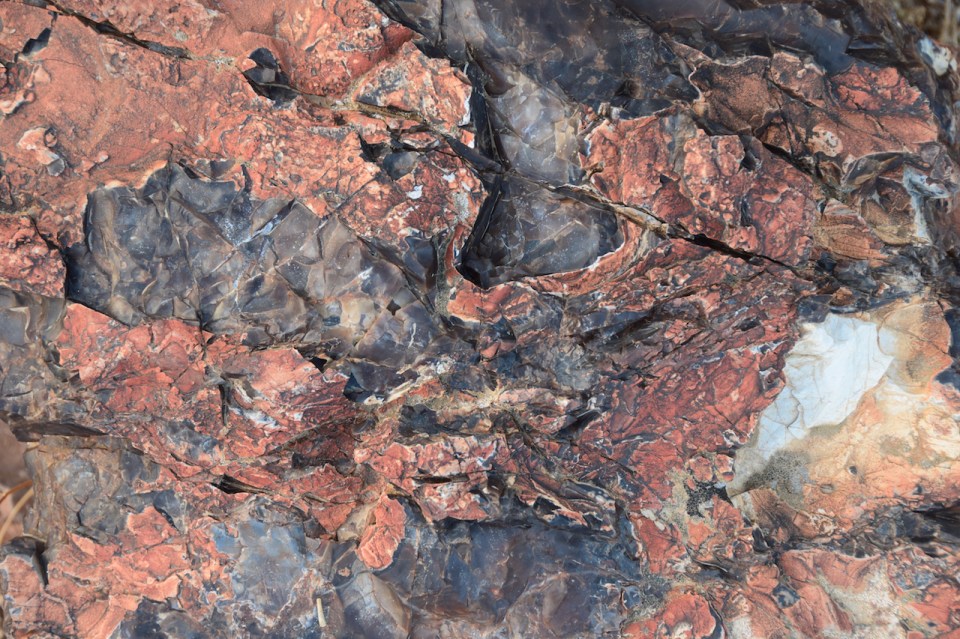
While hiking around the hills taking these photographs I looked down and noticed the rocks at my feet, incredible colors. I’ve been thinking about how to take landscape photos that display the shapes, textures and colors of what I am seeing rather than being focused on the visual scene itself. Here are a few of these rock photographs.

DSC_0504 (1)DSC_0501 (1)DSC_0503DSC_0506 (1)

Later in the afternoon, on my way back I drove to the trail head into Lower Nahal Og and took photos, the closing bracket to the sunrise photos at dawn.

A great day!

DSC_0555

For more information see my post about Hiking Nahal Og.


Negev

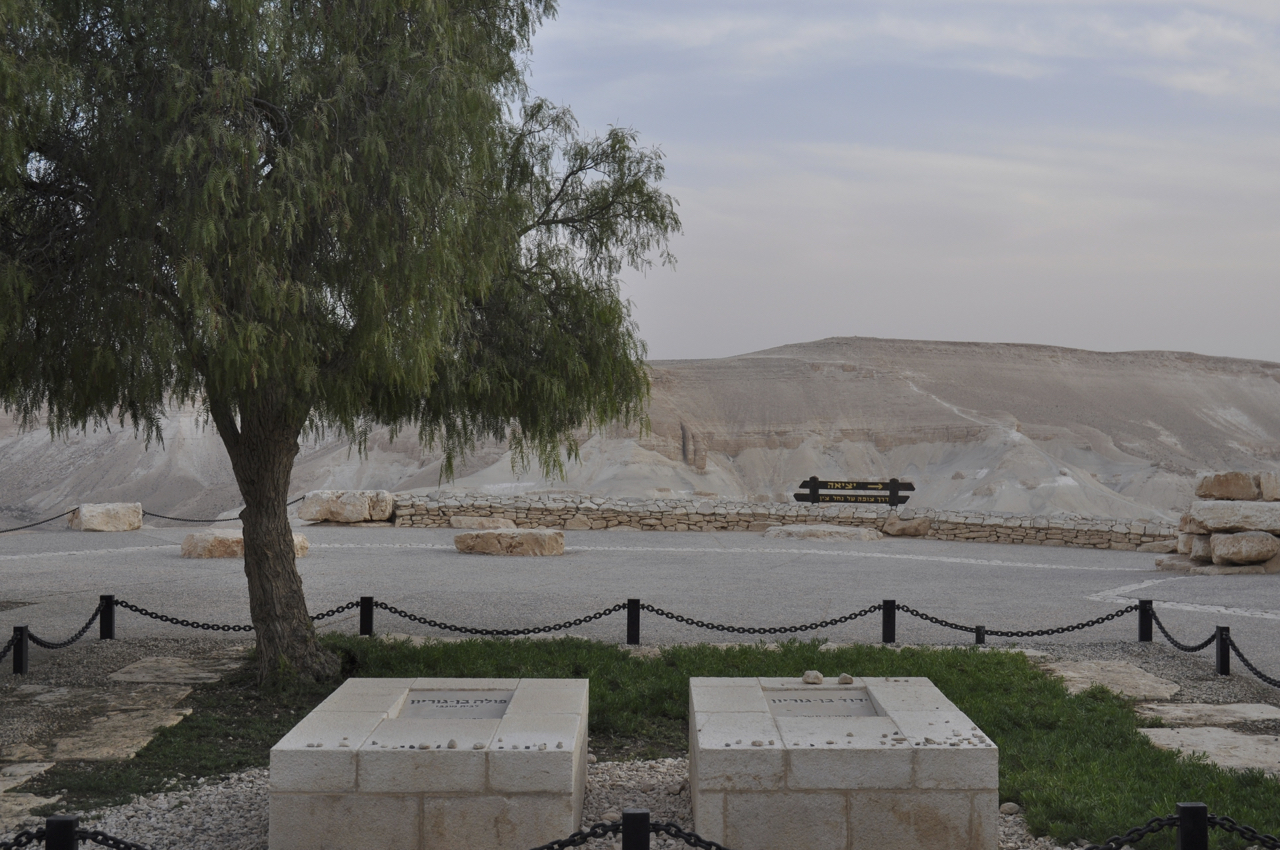
Ben Gurion grave, Sde BokerI’m thinking about the Negev. The Negev covers some 13,000 km² (4,700 sq mi) and makes up more than 55% of Israel’s land area. Ben Gurion, Israel’s first prime minister and statesman, saw the Negev as the key to a viable Israel. He joined Kibbutz Sde Boker in the Negev in 1970, lived the last 3 years of his life there and is buried overlooking Nahal Zin.

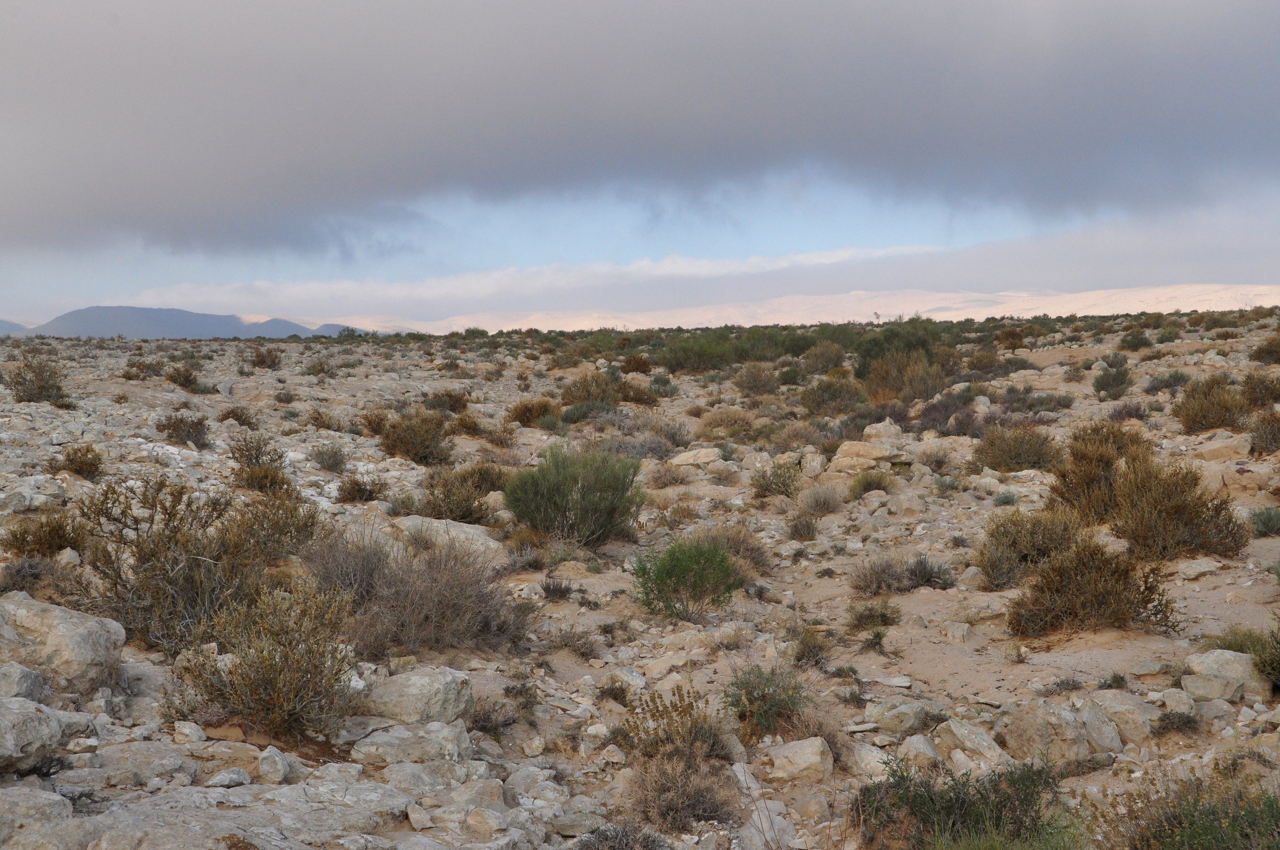
There are some remarkable sites in the area for hiking and photography : Ein Avdat, white cliffs, reflection pool and Griffon vultures (like angels) soaring overhead and a hike across a high plateau to a spring, Ein Akev, in a stream bed. This part of the Negev is a rocky desert, a melange of brown, rocky, dusty mountains interrupted by dry stream beds, in Hebrew nahal, in Arabic wadi. The photographs below are the view across the plateau from an early morning hike with Bonna in August 2013. This week, Rosh Hodesh Tammuz, we celebrate our 34th wedding anniversary.

In the first photo, there is a lot of foreground, brush, rocks, sand stretching to the distant horizon. In the second, there is little foreground and a lot of sky. The shift in the horizon line creates a dramatically different effect. I hope they capture some of the barrenness, expanse and spiritual power of the Negev. 

Rocky Negev

Negev sky

Photo of the Week – Wadi Qelt

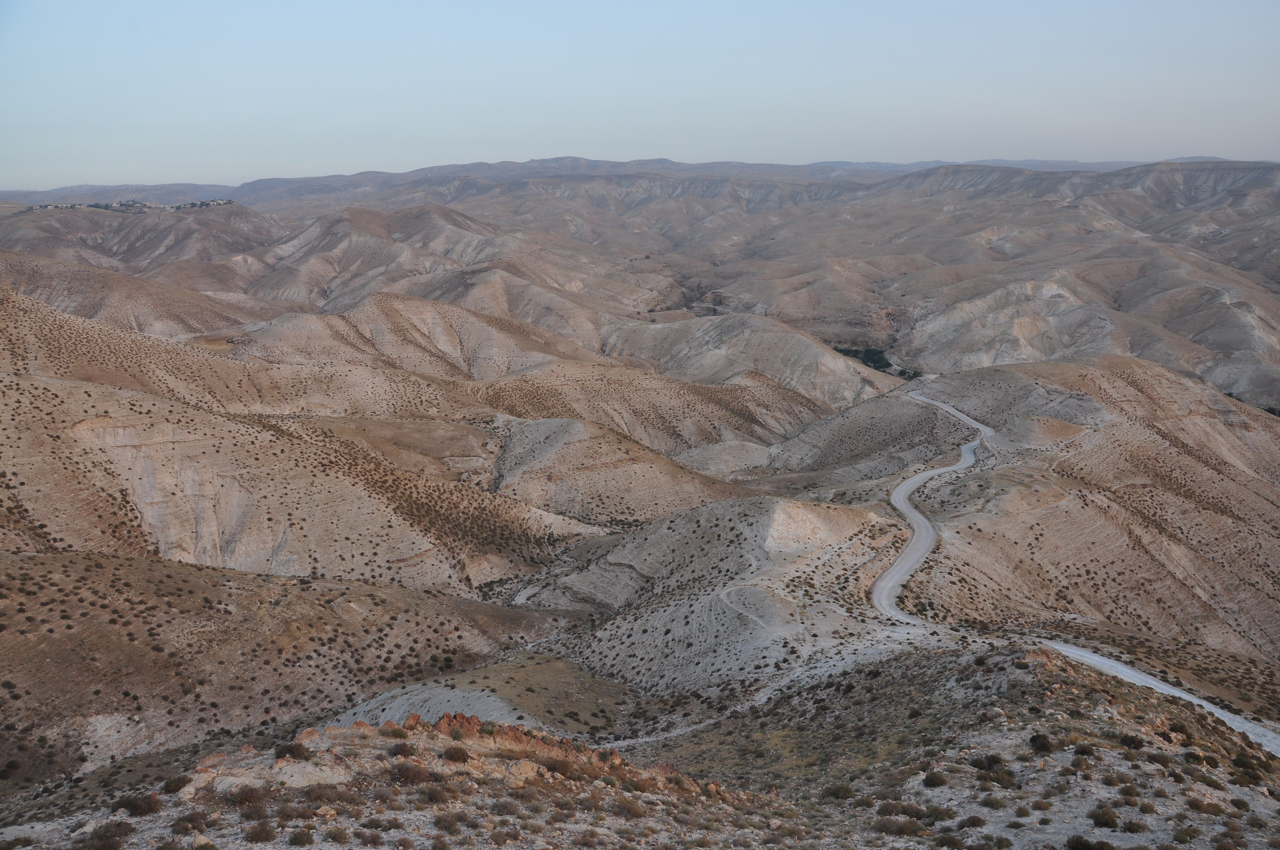
There are deserts in Israel and exploring them with a guide is a special experience. If you’re interested in photography, you will get some great photo opportunities. In the Negev I’d recommend the Large Makhtesh and the Small Makhtesh, unique geological forms and farther south the mountains around Eilat. For an area close to Jerusalem the area to explore is the Judean desert. This morning we headed out at 5am to reach an overlook of Wadi Qelt in time for sunrise – first photo was taken 6:23am. Here are some of my photos.

The technical details, these photos were shot with a Nikon D90 DSLR camera with a 18-200mm Nikon zoom lens.

sunrise-wadi-qelt

Overlook of Wadi Qelt ISO 250 18mm f/8 1/60 sec.

Overlook of Wadi Qelt ISO 250 18mm f/8 1/60 sec.

Green of Wadi Qelt ISO 250 42mm f/8 1/60 sec.

Overlook of Wadi Qelt ISO 250 42mm f/8 1/60 sec.

Please share this post with your friends by clicking on the icons at the end of this message.

Photographs on this website are © Shmuel Browns (unless marked otherwise) – if you are interested in purchasing one of my photos or using one of my photos for your own project please contact me.