Author Archives: Shmuel Browns

Unknown's avatar

About Shmuel Browns

I am a tour guide, licensed by the Israel Ministry of Tourism. I do tours throughout Israel, personalized to your interests, time and budget.

Photo of the Week – Sea of Galilee (Kinneret)

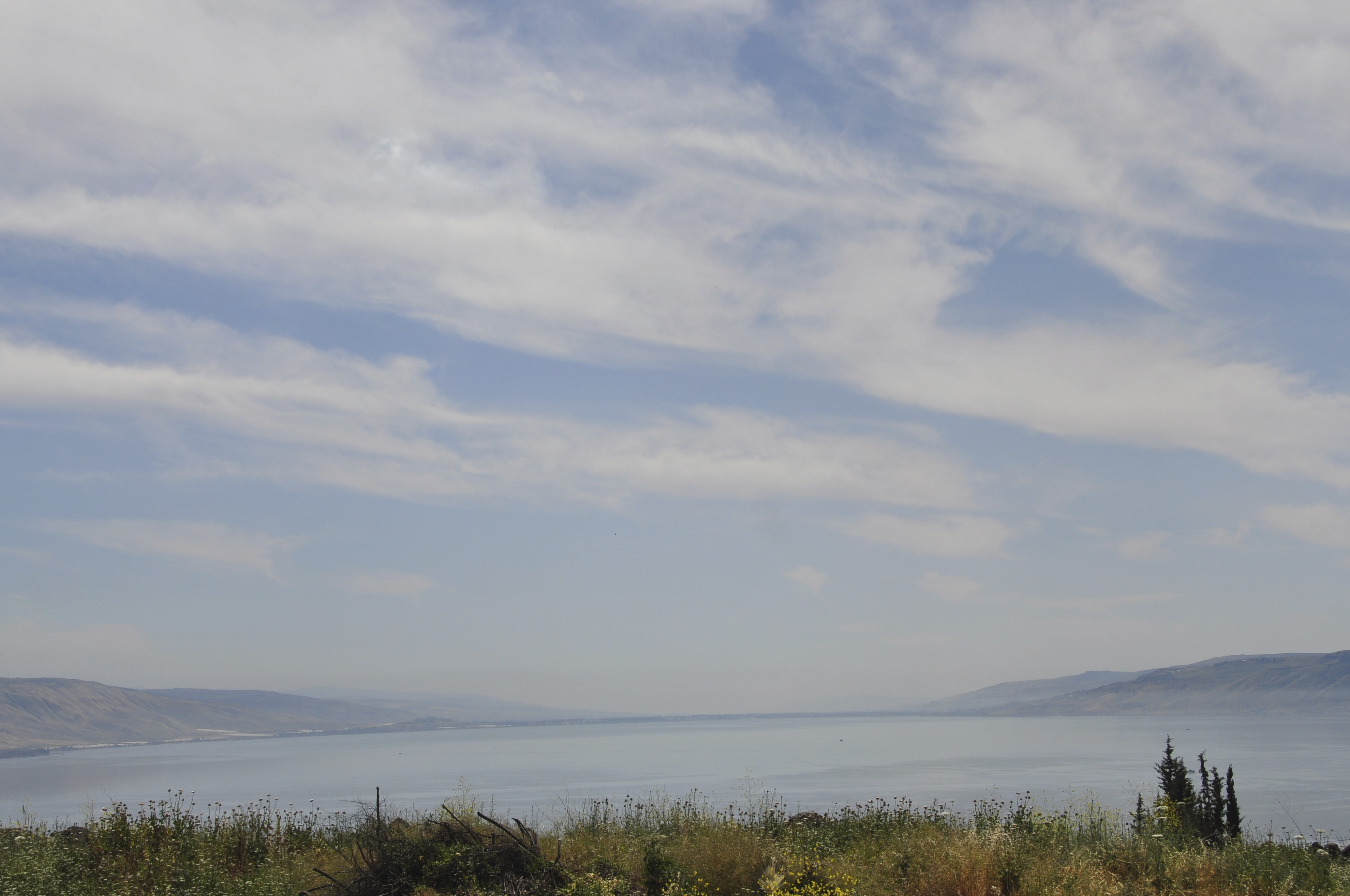
The Sea of Galilee, called the Kinneret in Hebrew, is the lowest freshwater lake in the world at an elevation of 212 meters below sea level, part of the Great African Rift. It is 21 km by 13 km with a circumference of 53km – I’d be happy to take you on a tour around the lake by bicycle. This photo was taken from Almagor, a moshav to the north of the lake, the site of the Battle of Tel Motilla between Syria and Israel in 1951, one of many attacks by Syria from the Golan Heights.

Sea of Galilee from Almagor

The technical details – the photo was taken with a Nikon digital SLR camera and 18-200mm lens in April (ISO 200, 36mm, F11 at 1/500 sec).

Photographs on this website are © Shmuel Browns (unless marked otherwise) – if you are interested in purchasing one of my photos or using one of my photos for your own project please contact me.

From the Golan Heights

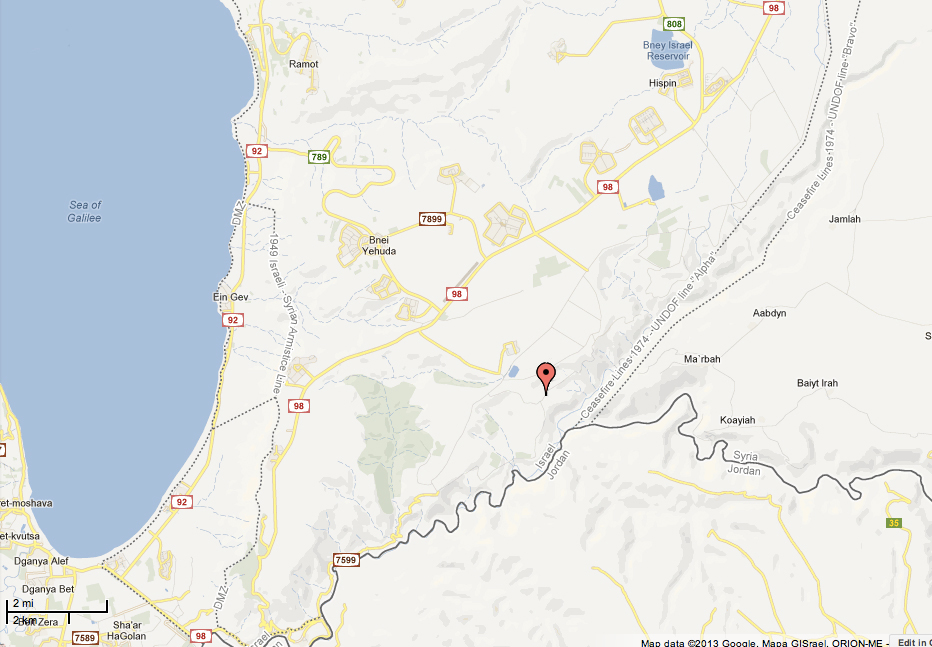
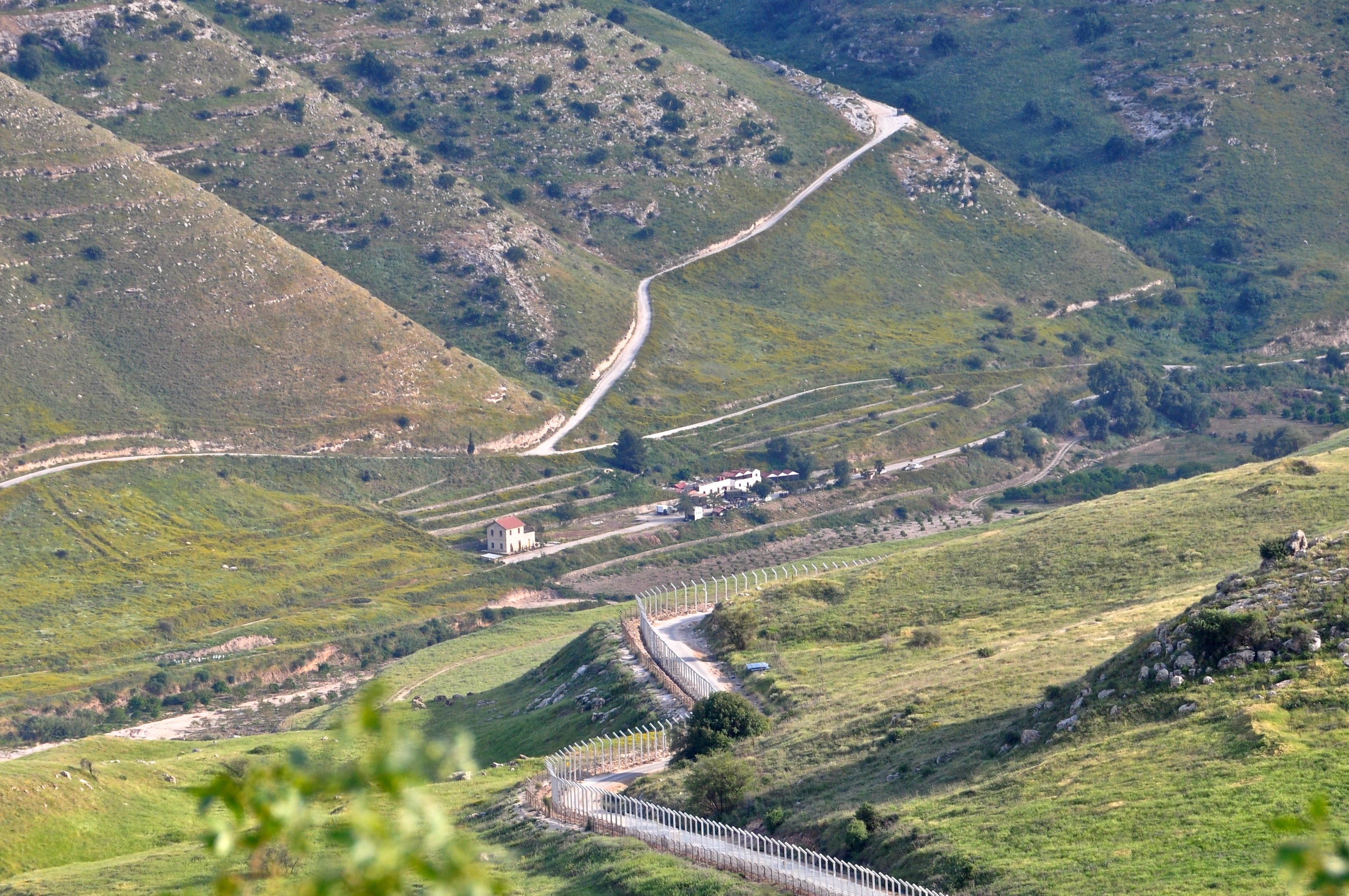
Yesterday I was up on the southern Golan Heights near Kibbutz Meitsar, less than 2 km from the border with Syria and looking east at the point where Israel, Syria and Jordan touch.

Golan map

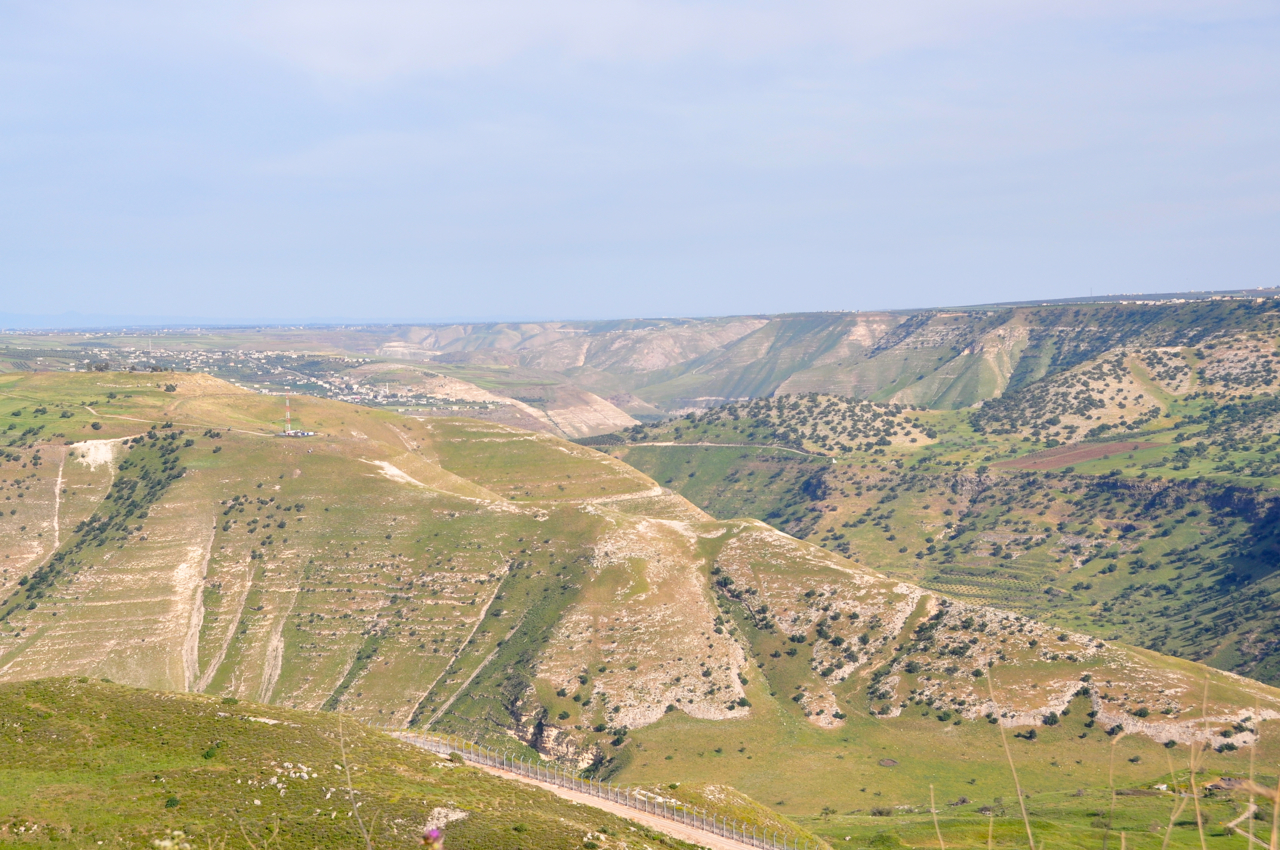
The Rokad river valley separates Israel from Syria – the ridge in the middle of the photograph below is in Syria and the Yarmuk river valley behind the ridge is the border between Syria and Jordan. You can see the new border fence that Israel is building, given the fighting in Syria – in fact, we saw some plumes of smoke to the north, billowing upwards in the distance. Across from where we were standing, near UN post OP55, one of seven observation posts in Israel, is a UN post, one of seven in Syria that monitor the demilitarized zone between Syria and Israel.

Golan Heights

Down below in the valley is Ein Aya, a natural spring that fills a pool, great for a dip on a hot day. Golan view

Across the border in Jordan is a two-story stone building with a red tile roof, one of the German railway stations along with the stations at Beit Shean, Tzemach and Al-Hamma (Hammat Gader) for the Jezreel Valley (Rakevet HaEmeq) line that connected Haifa with Daraa (Syria) in 1905.This is the third branch of the ambitious 4000 km Berlin-Baghdad rail project started by Oppenheimer and Meissner after Kaiser Wilhelm II’s 1898 visit to the Holy Land. The Haifa station today houses the Israel Railway Museum that provides an historical overview of railways in the Holy Land and their part in the development of the country – worth a visit.

Golan train station

Coming up the Jordan valley after Beit Shean you can see the remains of the German rail line and some of the bridges that supported the tracks. At Gesher, next to the station, is the Mujami Bridge, destroyed on May 14, 1948 by the Israelis to impede the advance of Iraqi and Jordanian troops, the lowest rail bridge in the world at 257.5 meters below sea level.  The Naharayim station, in Bauhaus style, was constructed near the hydroelectric power plant built in 1927 by Russian-Jewish engineer Pinhas Rutenberg. The site was chosen because it is where the Yarmuk river flows into the Jordan river.

Gunter Hartnagel has posted a wonderful set of his photographs of the railroad built by the Germans on Flickr.

Photo of the Week – Makhtesh

The Makhtesh HaKatan (Small Makhtesh) is the smallest (about 5km x 7km) of 3 makhteshim, a geological land formation in the Negev desert, known also as an erosion cirque. This photo was taken from the rim, looking down into the makhtesh.

Small MakhteshYou can click on the image for a larger view (which may take some time to load depending on your Internet connection). Please share this post with your friends by clicking on the icons at the end of this message.

The technical details – the photo was taken with a Nikon point and shoot camera in January (ISO 100, 8mm, F7.6 at 1/250 sec).

Photographs on this website are © Shmuel Browns (unless marked otherwise) – if you are interested in purchasing one of my photos or using one of my photos for your own project please contact me.

Photo of the Week – Dead Sea Works Moonrise

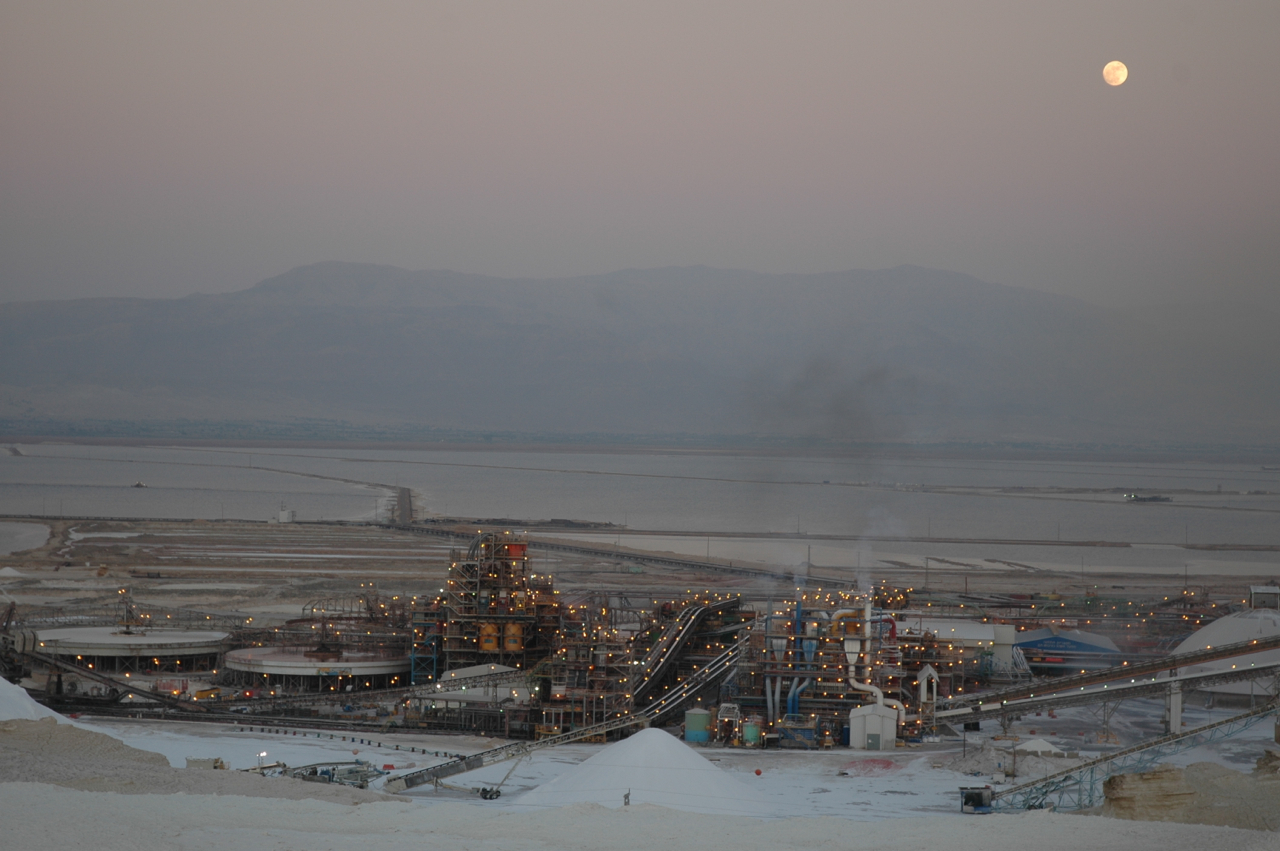
Highway <90> is a scenic road that runs along the western shore of the Dead Sea to Eilat. If you are driving at night the Dead Sea Works (DSW) appears like a mirage in the desert, like some alien space station of lights and structures.

Because the Dead Sea is incredibly rich in minerals, sodium, potassium, calcium, bromine, and magnesium salts (21 minerals, twelve of which are not found in any other water body) it is a desirable and profitable location for mineral extraction. The DSW is the world’s fourth largest producer and supplier of potash products.

Dead Sea Works MoonriseYou can click on the image for a larger view (which may take some time to load depending on your Internet connection). Please share this post with your friends by clicking on the icons at the end of this message.

The technical details – the photo was taken with a Nikon D90 DSLR and 18-70mm lens at 8pm in June (ISO 200, 50mm, F4.5 at 1/40 sec).

Photographs on this website are © Shmuel Browns (unless marked otherwise) – if you are interested in purchasing one of my photos or using one of my photos for your own project please contact me.

Wildflowers in Judean Desert

After the winter rainy season is a great time to get out and tour the land of Israel. The Judean desert is a half hour from Jerusalem, in fact, it is sometimes called the Jerusalem desert, because the city is on the edge of the desert. A great way to explore the Judean desert is by taking a jeep tour. At this season, the desert is still green from the winter rains and there are many wildflowers. It is really something to see the desert bloom. I took the opportunity to shoot these flowers at the overlook across from Mar Saba. Thanks to Dr. Ori Fragman-Sapir of the Jerusalem Botanical Garden who has helped me identify them.

This is also the season of the children of Israel’s exodus from Egypt, the beginning of their wandering in the desert which brings them to the land of Israel. The Passover seder ends with the intention of Next year in Jerusalem so hopefully you will plan to visit in the coming year.

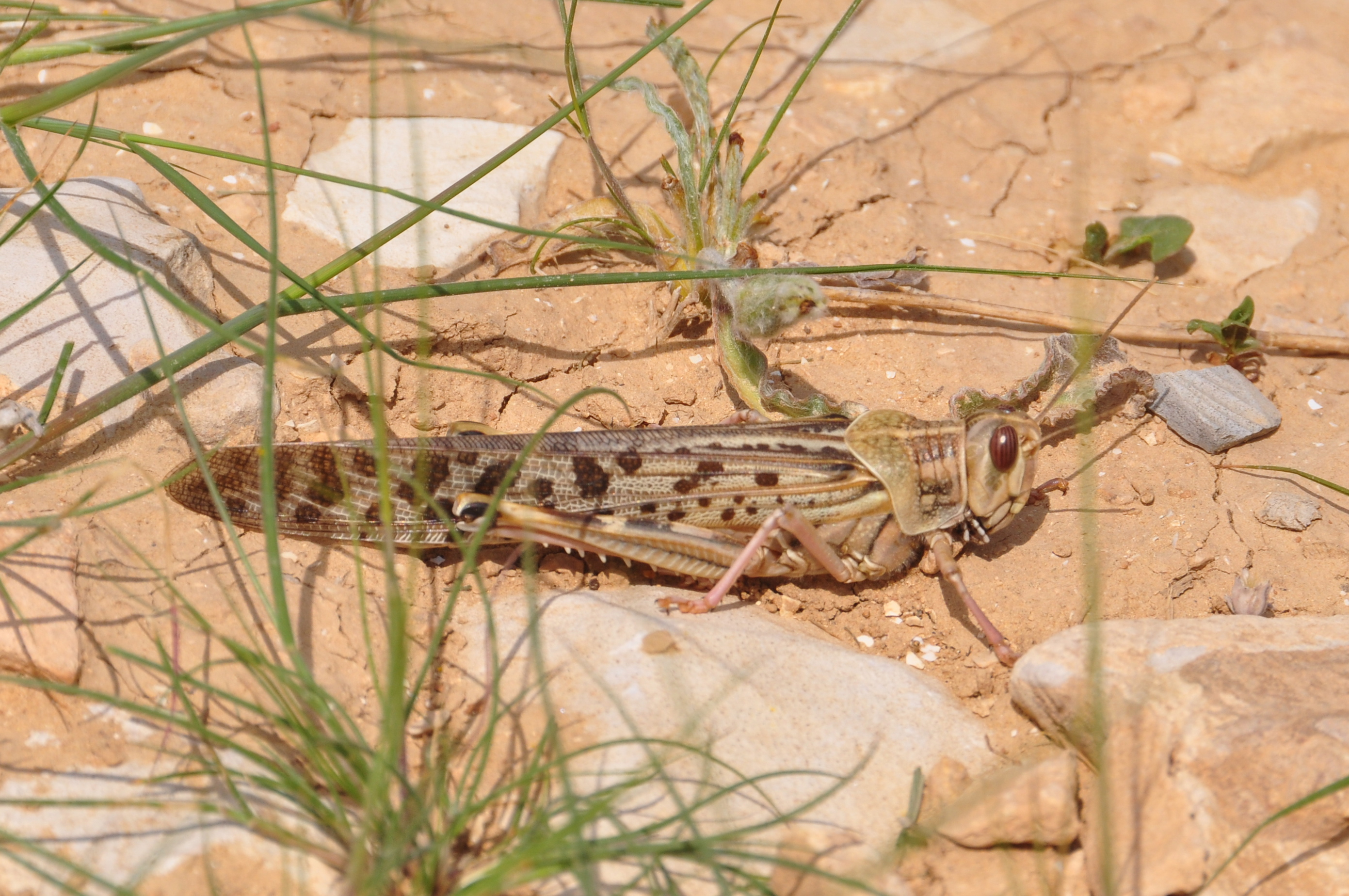
If you haven’t heard of the current invasion of locusts from Egypt into the south of Israel check out the article in Haaretz that includes a great Reuters photo of the pyramids at Giza, the view obscured by locusts.

While photographing flowers, Raanan, our jeep driver, pointed out a locust and I got a close-up photo, something to add at your Pesach seder when recounting the ten plagues: blood, frogs, lice, wild beasts, cattle disease, boils, hail, locusts, darkness, killing of first-born.

דם, צפרדע, כנים, ערוב, דבר, שחין, ברד, ארבה, חשך, מכת בכורות.

locust

Mar Saba and Judean Desert Revisited

I received an email a few weeks ago from Kevin with the BBC in England that he gave me permission to share here.

Dear Shmuel,

I’m producing  a BBC radio series, presented by the British broadcaster John McCarthy. We have been commissioned by BBC Radio 4 to make a series of ten 15 minute programmes to follow in the footsteps of Edward Prince of Wales who toured much of the Middle East in 1862.  I’ve been looking at your blog, and saw your excellent entry Photography and Visitors to the Holy Land about his time in Israel.

As you know, he visited Egypt, the Holy Land, Lebanon, Syria, Turkey and Greece. His journey and the sights along the way were recorded by the photographer Francis Bedford. This was the first time that a royal tour was captured by the still new medium of photography.

As you are clearly interested in this tour, I would very much like to discuss our recording with you, perhaps with a view to interviewing you as a part of the programme.  We will be intending to visit each of these sites, to take a new photograph to match the old one, and to discuss the changes over the intervening 150 years in each location.

Very best and thanks for your time.
Kevin

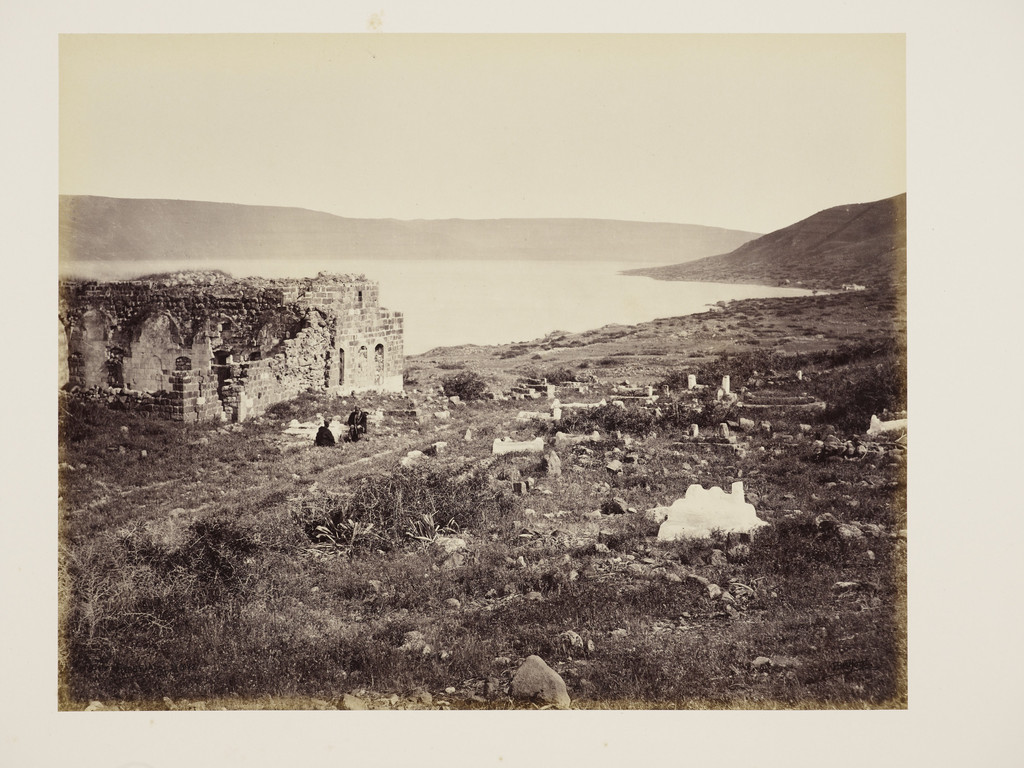
Here are another few Bedford photographs.

Tiberias-Sea-Galilee-Bedford

Tomb of Absalom

Mar-Saba-Kidron-Bedford

In reviewing the photographs taken by Bedford in Israel and talking with Kevin we decided to do Mar Saba, the monastery in the Judean desert.
Jeep tour

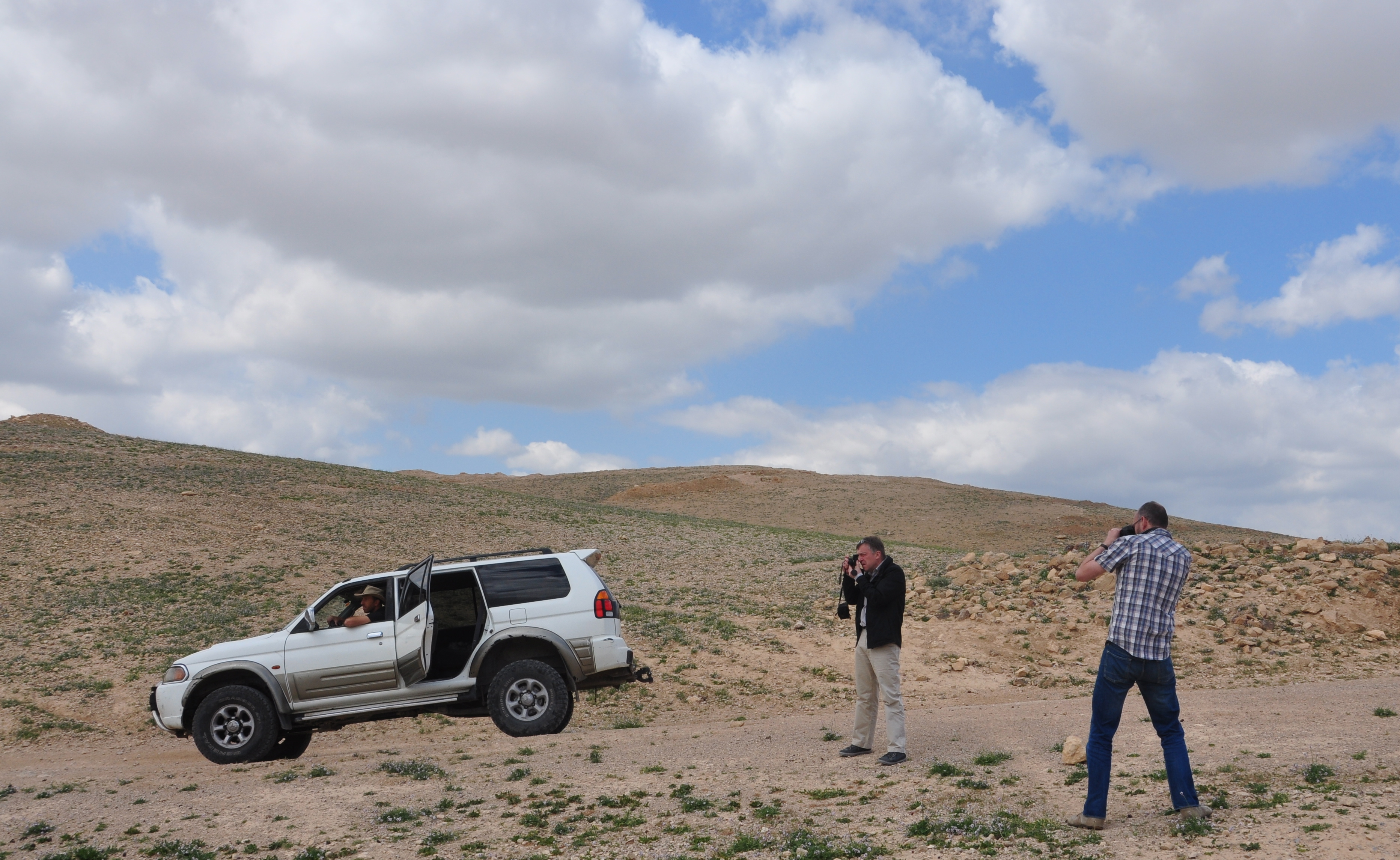
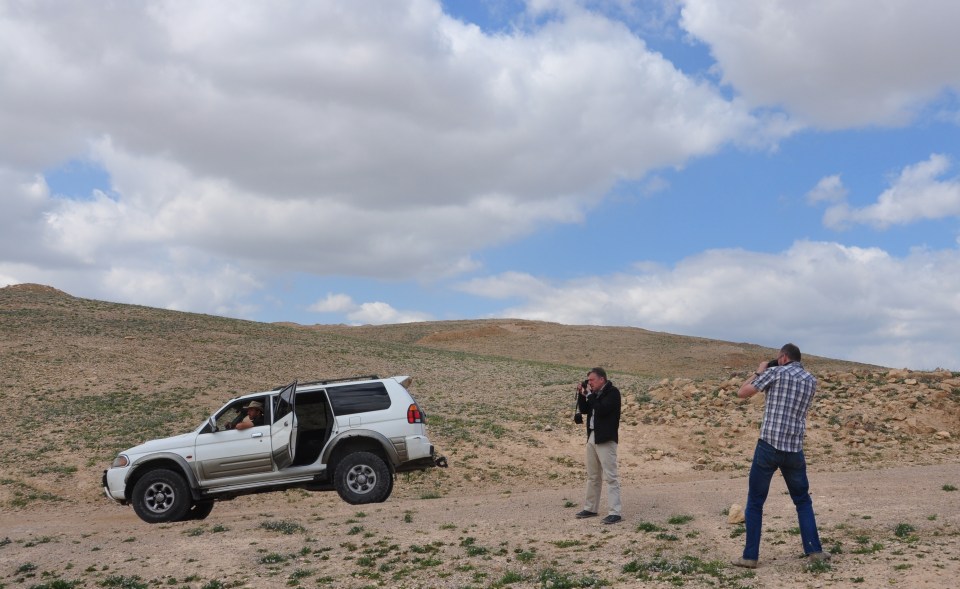
So we met up with Raanan, a great jeep driver, who took us off-road across the Judean desert to the overlook of the monastery in the Kidron valley. The desert is very green after the winter rains we had this year. We saw sheep, goats, donkeys and camels grazing on the plants and wildflowers. I took the opportunity to photograph some wildflowers (but that’s for another post).

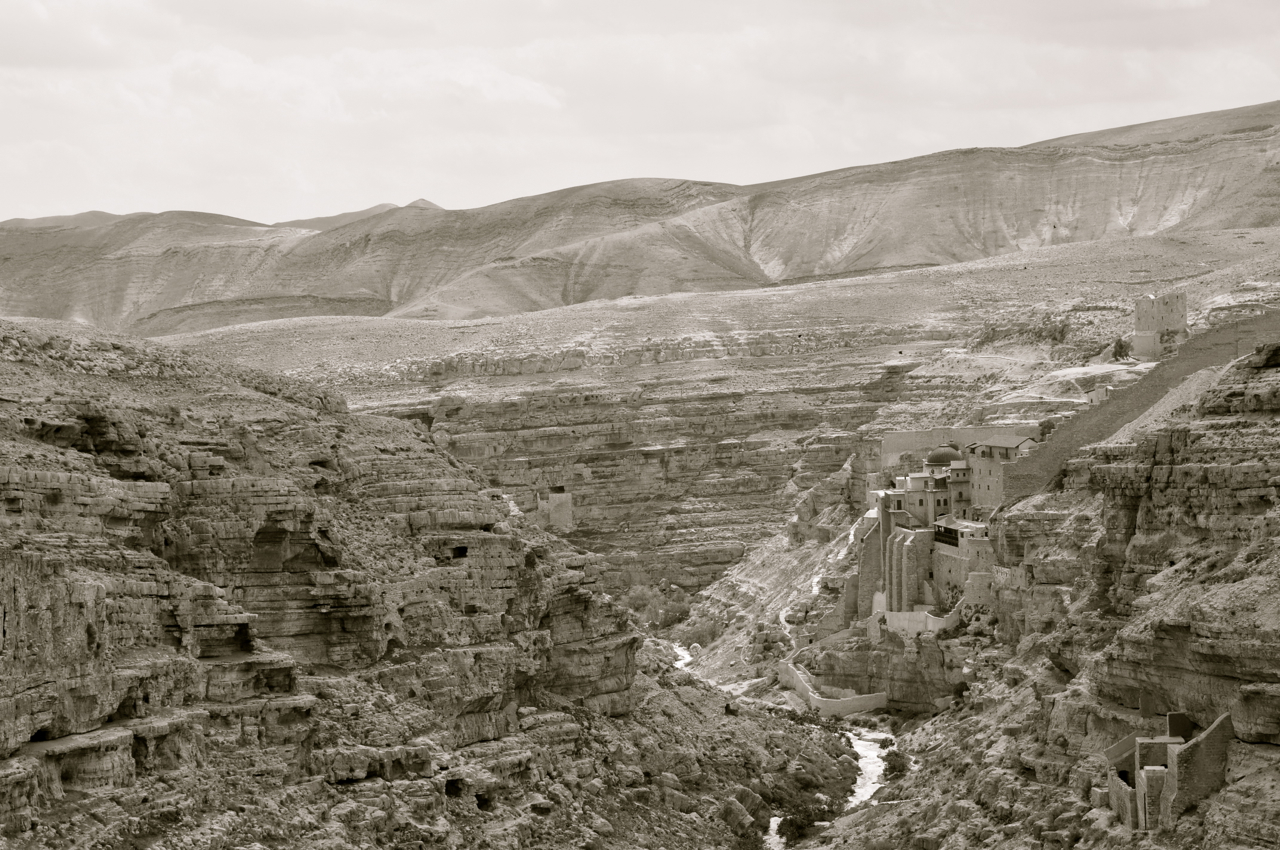
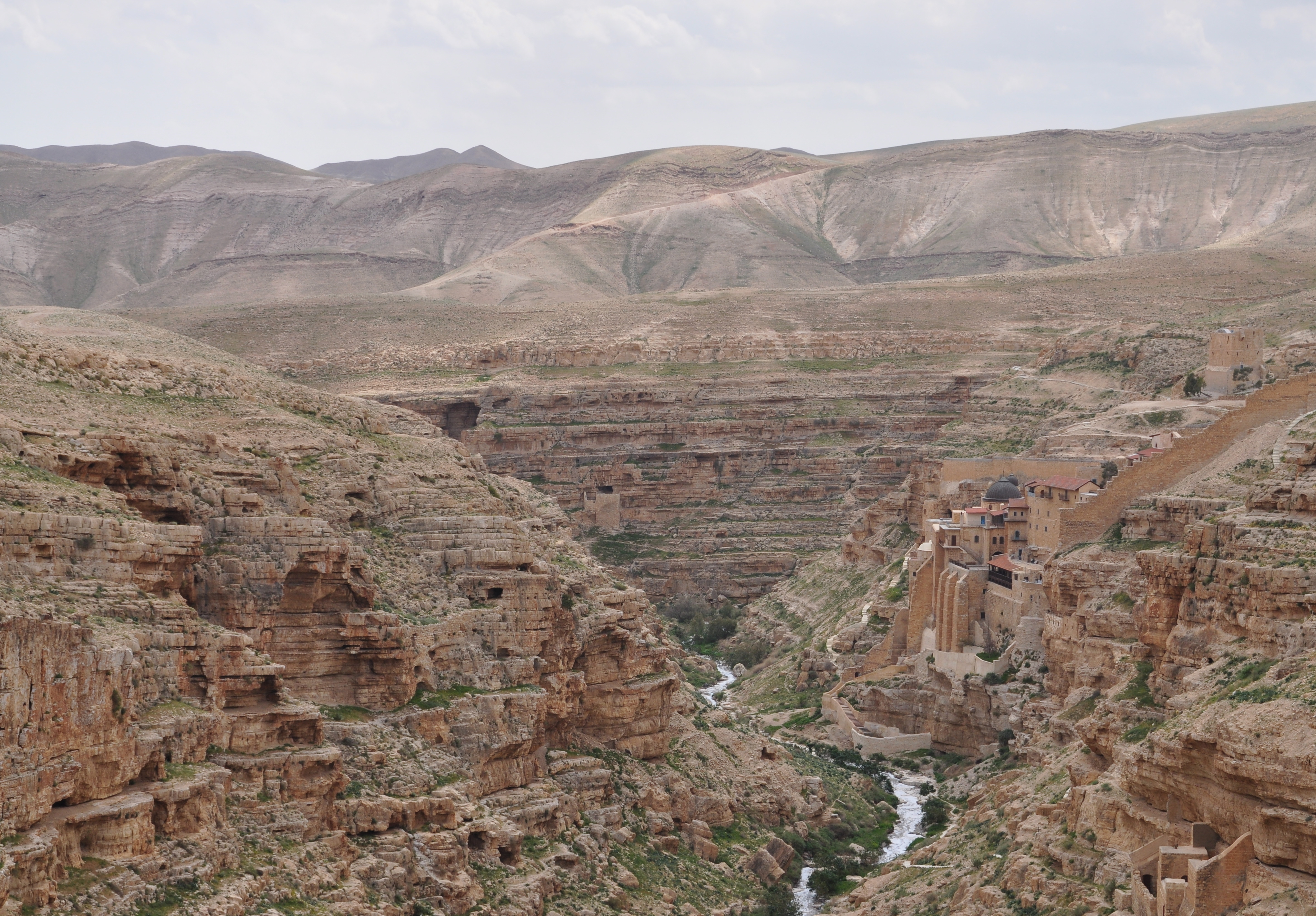
Our challenge was to try to shoot a photograph that matched the one Bedford took 150 years ago. Bedford’s is a very interesting image because of the angle. Bedford had a good eye and chose to shoot the monastery complex cascading down the cliff, focussing on the channel of the Kidron stream between the two cliffs. Here is my image shot March 18, 2013 with a Nikon D90 digital SLR camera and 18-200mm zoom lens (ISO 200 50 mm f/10 1/320) in black and white and color.

Mar-Saba-Kidron-B&W

Mar-Saba-Kidron-Browns