Category Archives: Archaeology

Sites around Akko

There are many well-known sites in Israel that are popular, that visitors see again and again while missing out on other hidden gems. Many people have seen the Chagall Windows at Hadassah hospital in Jerusalem but far fewer probably know about the stained-glass windows that Israeli artist, Mordecai Ardon designed. Many people have visited Yad Vashem but far fewer have visited Lohamei HaGetaot, a kibbutz near Akko founded by those who fought and survived the Nazis.
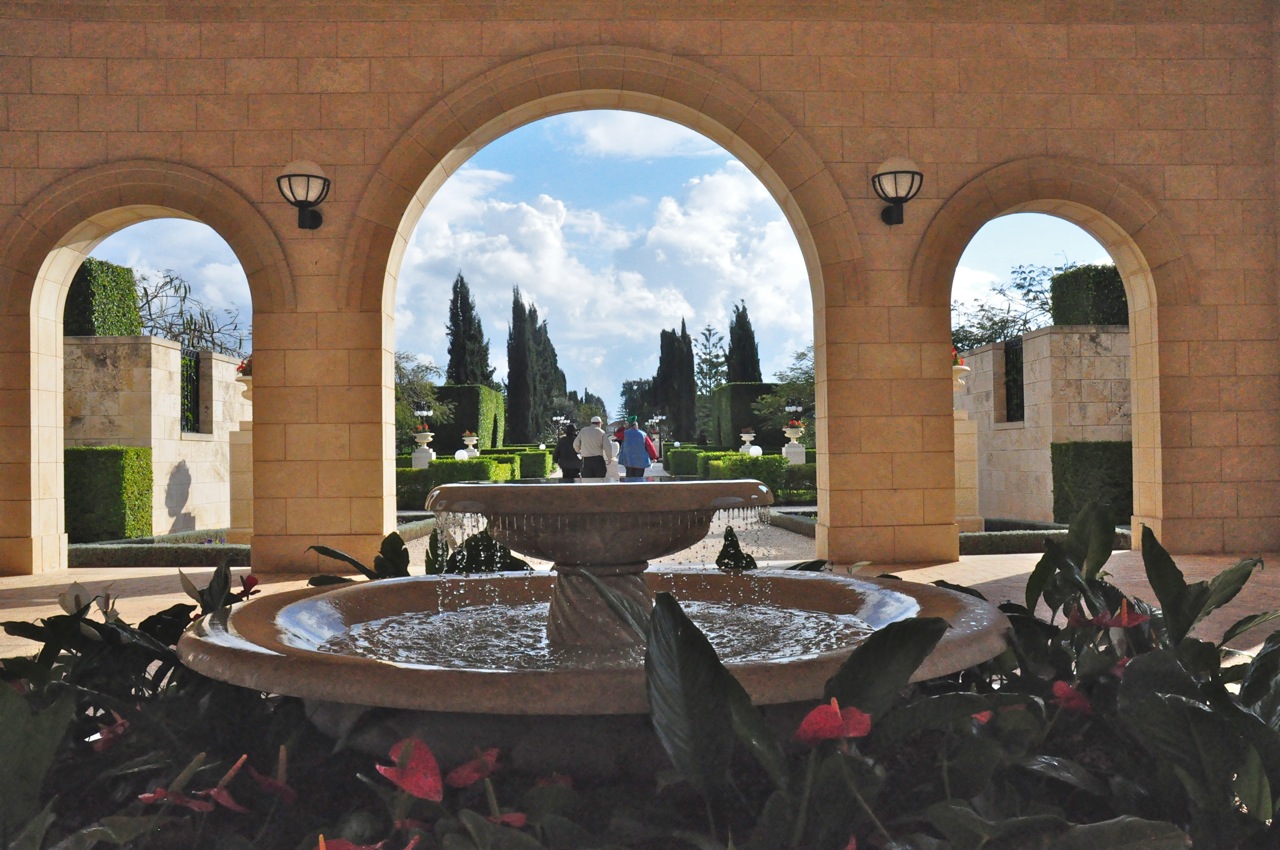
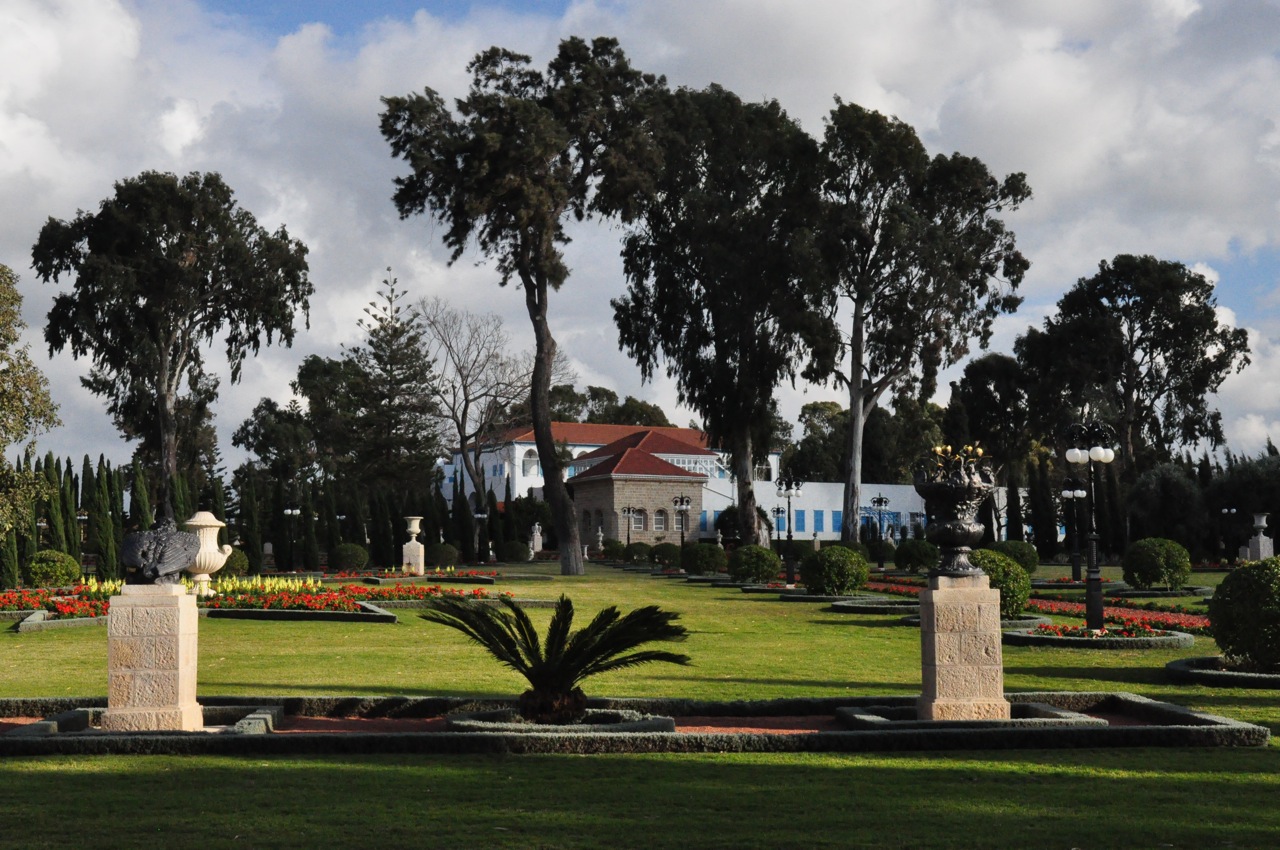
Many people are familiar with the Bahá’í gardens in Haifa but far fewer have visited the Bahá’í gardens just north of Akko. The gardens in Haifa comprise a staircase of nineteen terraces extending all the way up the northern slope of Mount Carmel. The golden-domed Shrine of the Báb, the resting place of the Prophet-Herald of the Bahá’í Faith, stands on the central terrace, looking across the bay towards Akko. There the gardens at Bahjí reflect the beauty and serenity of the Haifa gardens.

The gardens form a large circle surrounding the historic mansion where Bahá’u’lláh, the Prophet-Founder of the Bahá’í Faith, lived during the final years of his life after he was released from Acre Prison by the Ottoman Turks and the shrine where he is buried.
Later during the British Mandate period, Jewish resistance fighters were held in the Acre prison and 9 died there on the gallows. Today the prison is a museum and has been recently updated to dramatically retell the story of the Hagana, Irgun and Lehi struggle with the British, definitely worth a visit. There is another less well-known museum to the underground prisoners in Jerusalem in the Russian compound.

The Old City of Akko was designated a UNESCO World Heritage site in 2001. In July 2008, the Bahá’í Gardens in Haifa and Akko were listed as UNESCO World Heritage sites, in recognition of their “outstanding universal value” as holy places and places of pilgrimage. Like all great works of art, these extraordinary sites are tangible expressions of the human spirit.
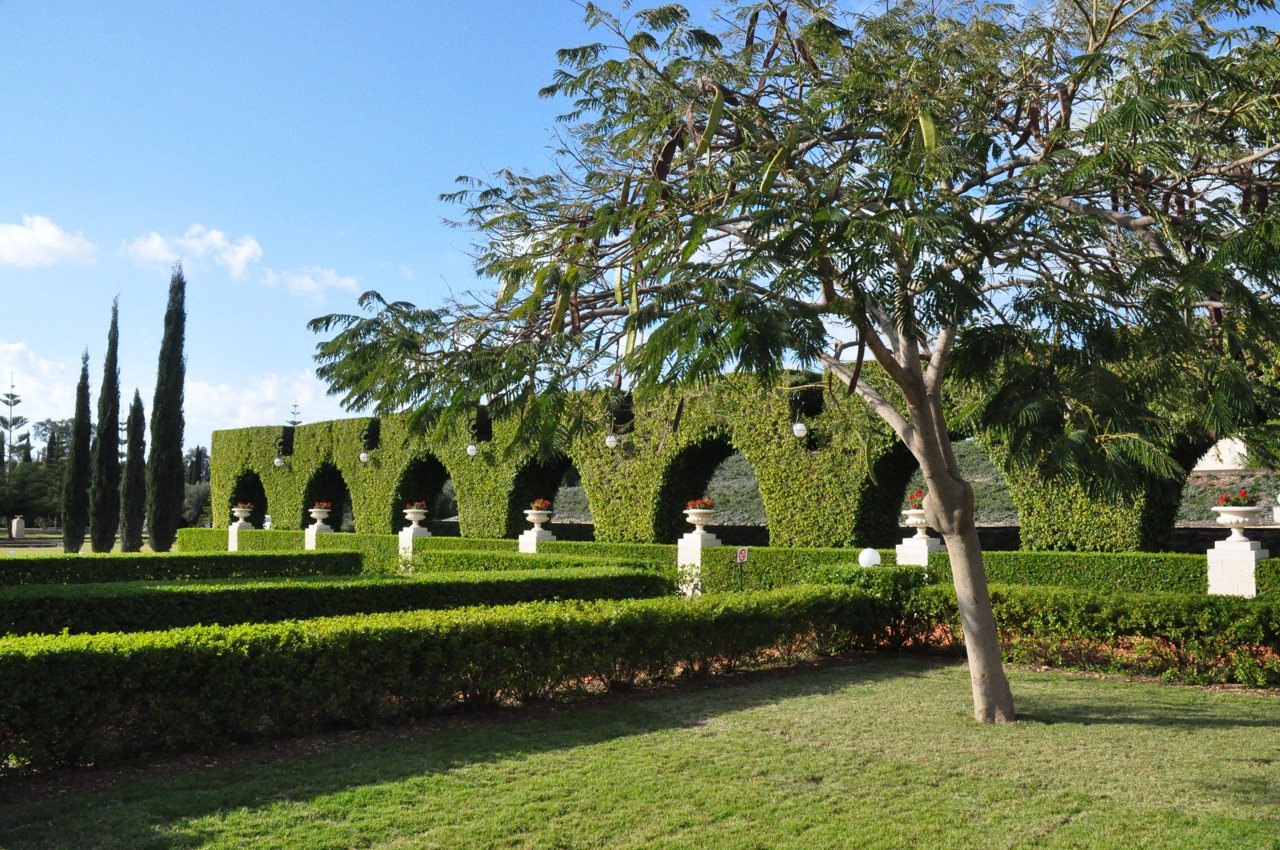
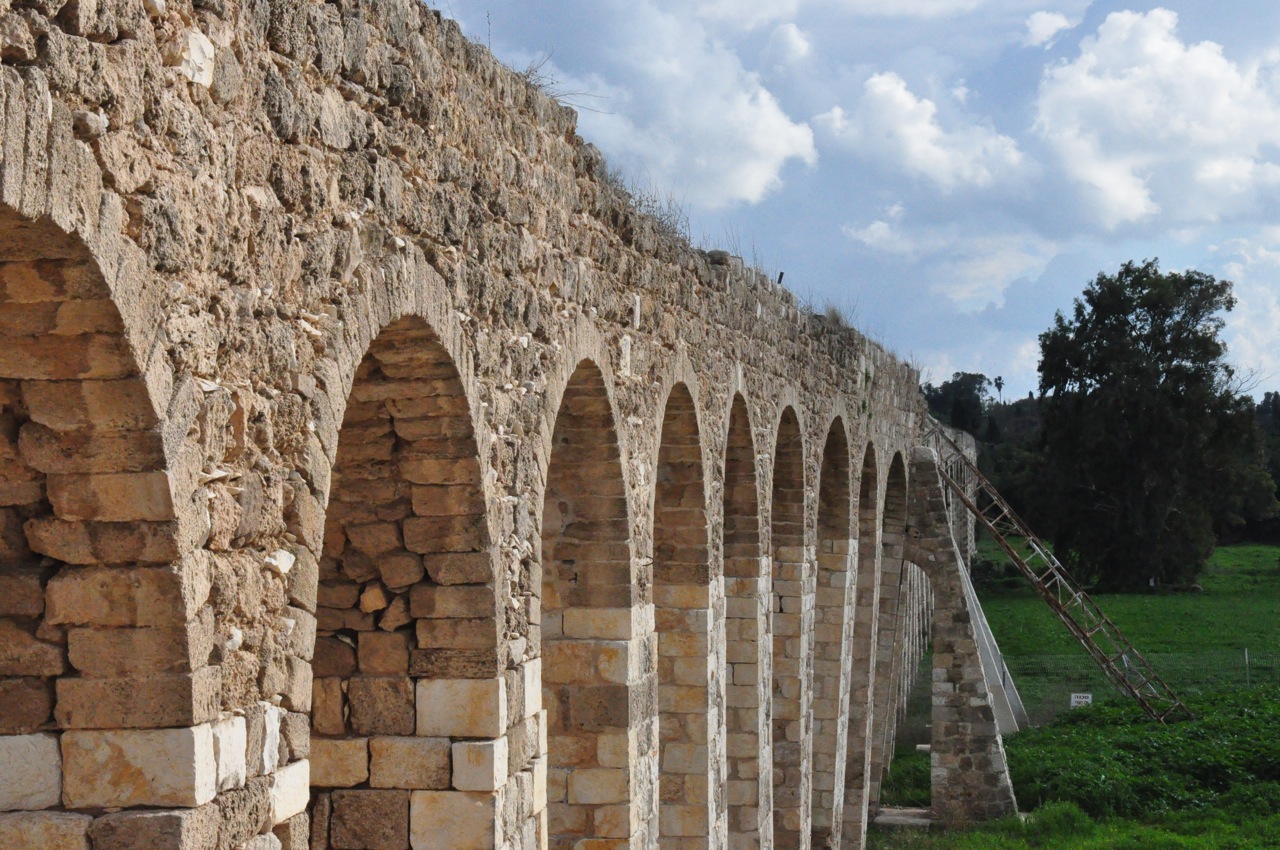
One of the striking formations near the entrance is a trimmed hedge in the form of an aqueduct. Many people are familiar with the aqueduct that Herod built, onto which the Romans tacked a second aqueduct to bring water to Caesarea but there is another less well-known aqueduct. Just north of Akko, by Kibbutz Lohamei HaGetaot is an aqueduct from the Ottoman period built on an earlier one from the Hellenistic period that was built to bring water from the Cabri springs to Akko.
Kibbutz Lohamei HaGetaot was founded in 1949 by a community of Holocaust survivors, members of the Jewish underground in the ghettos of Poland, and veterans of partisan units. Integral to the kibbutz from the beginning was the Ghetto Fighters’ House – Itzhak Katzenelson Holocaust and Jewish Resistance Heritage Museum for documenting and researching the Holcaust. The museum serves as a testimony to the stories of the survivors and an expression of the return of the Jewish people to our land.

Beside it is Yad Layeled (Monument to Children), an educational center commemorating the one and a half million Jewish children murdered in the Holocaust. The building was designed by Ram Carmi of two main architectural elements: a central 3-story cone and a descending ramp that encircles the cone and defines the path through the space. The space is lit by natural light that enters through a circular stained-glass window on the domed ceiling of the cone that becomes dimmer as you descend until you reach the innermost sanctum and eternal flame.

Yad Layeled gives the visitor an intimate view of the children’s world during the Holocaust and opens a door to their dramatic experiences and pain. It is unique in that it is intended to reach out to young people (ages 10 and up). The other permanent exhibitionis dedicated to Dr. Janusz Korczak, a Polish-Jewish doctor, author and educator who devoted his life to children. Many people visit Yad VaShem but fewer people know about Lohamei HaGetaot. That’s a good reason to hire a guide – a guide can take you places and share experiences that you probably won’t discover on your own.

Jewish Hirbet Midras

About 45km south of Jerusalem in the Ella valley, where David fought Goliath, are the ruins of an ancient agricultural settlement beginning in Iron age II, Hirbet Midras. With the recent discovery of a Byzantine church thought to be the burial place of the prophet Zechariah* people may lose sight of the fact that the site also contained a large, important Jewish settlement that dates from the Second Temple period (3rd century BCE) until its destruction during the Bar Kokhba uprising.

The site is part of a JNF park and nature reserve covering about 5000 dunam with typical Mediterranean woodlands, Kermes oak, Atlantic pistachio, terebinth and buckthorn. When I visited there were pink cyclamen (rakafot רקפות), red anemones (kalaniot כלניות) and Common Asphodel in bloom. With the recent rains, hyssop (zatar) had come up.

There were also many clumps of mandrakes (dudaim) in bloom, the fruit, which is reported in the Bible to be an aphrodisiac, will be ready late summer, at the time of the wheat harvest.

וַיֵּלֶךְ רְאוּבֵן בִּימֵי קְצִיר-חִטִּים, וַיִּמְצָא דוּדָאִים בַּשָּׂדֶה, וַיָּבֵא אֹתָם, אֶל-לֵאָה אִמּוֹ; וַתֹּאמֶר רָחֵל, אֶל-לֵאָה, תְּנִי-נָא לִי, מִדּוּדָאֵי בְּנֵךְ

Reuven went out and found mandrakes in the field and brought them to his mother, Leah. Then Rachel said to Leah, “Give me, I pray thee, of your son’s mandrakes”.  Genesis 30:14

Among the remains at the site are various buildings, agricultural installations and an extensive complex of caves and tunnels, including a columbarium and tombs.

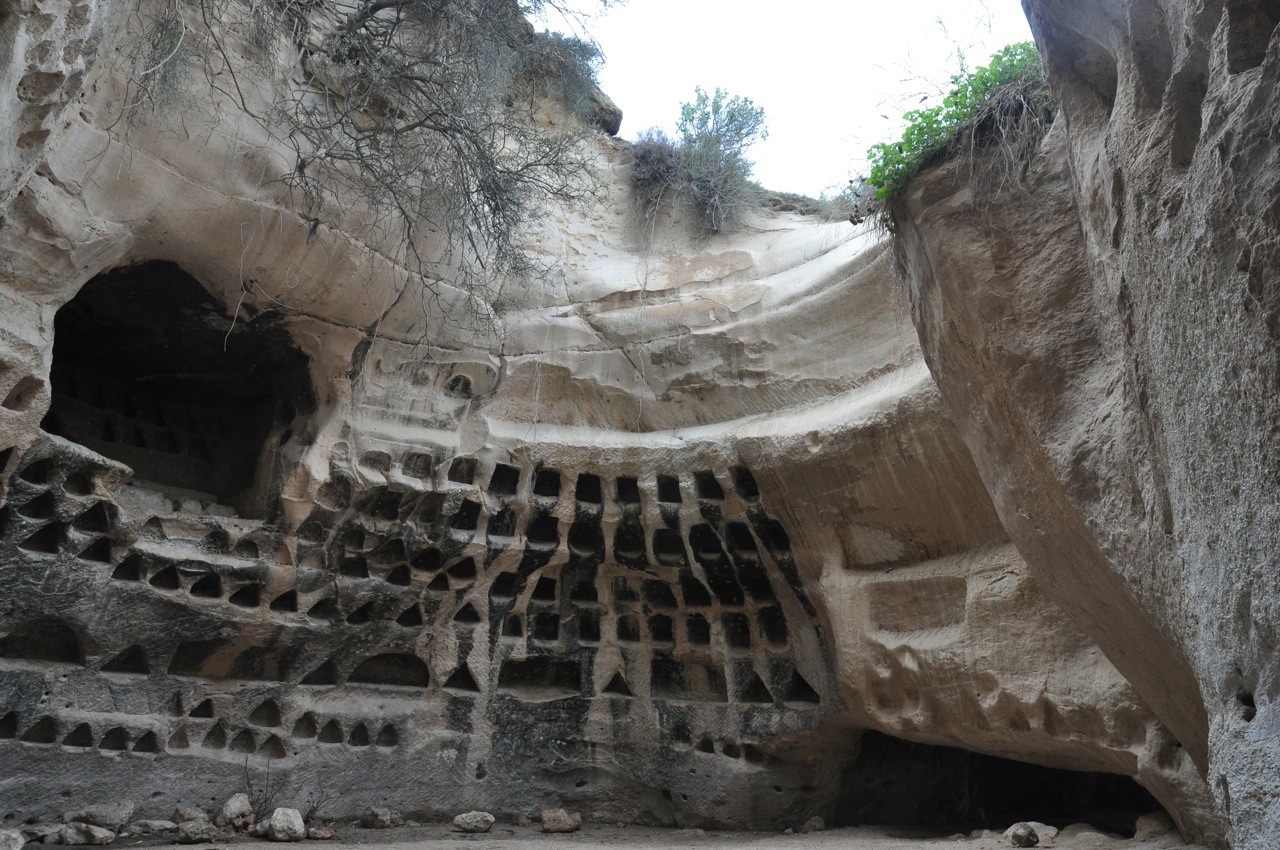
Cut out of the soft limestone is a bell cave with square and triangular niches carved in the walls that was used as a columbarium (dovecote). The pigeons were raised for food and the dung used as fertilizer. Other bell caves were used for storage and hiding during the Bar Kokhba revolt – a collection of chambers were quarried and connected to each other by tunnels. For those who like spelunking you can walk and crawl (about 20 minutes and you’ll need a flashlight and a map) from the bell cave through a circular maze of tunnels through some dozen chambers that takes you back to where you started.

At the top of the hill with a great view of the coastal plain is a stepped, pyramid-shaped structure of dressed stone, the only one of its kind in Israel. The base is about 10 meters and the present height is 3.5 meters but 3 rows of stones are missing bringing the original height to 5 meters. This structure is a nefesh or monument marking a Jewish burial cave.

There is a wall of dressed stones up the hill near the stepped pyramid and nearby part of a niche which leads scholars to identify the building as a 4th century synagogue.

On the way back down you will pass a system of subterranean burial chambers cut in the limestone. The original opening of the cave was from a square patio, the tomb opening was sealed by a large stone disc that rolled on a track in the rock.

Nearby on the western side of highway 38 is a site with Roman milestones from the third century CE, from the days of Marcus Aurelius, with inscriptions of one of the caesars names (Septimius Severus) and his achievements.


*According to Jewish and some Christian traditions the burial place of Zechariah, along with Hagai and Malachi, the last three Hebrew prophets who are believed to have lived during the 5th-6th centuries BCE is in a large catacomb on the Mount of Olives (31.783333°N 35.250833°E). Archaeological research shows that the complex dates from the 1st century BCE, when this style of tombs came into use for Jewish burial. Some Greek inscriptions discovered at the site suggest the cave was re-used to bury Christians during the 4th and 5th centuries CE.

Mosaics at Hirbet Midras

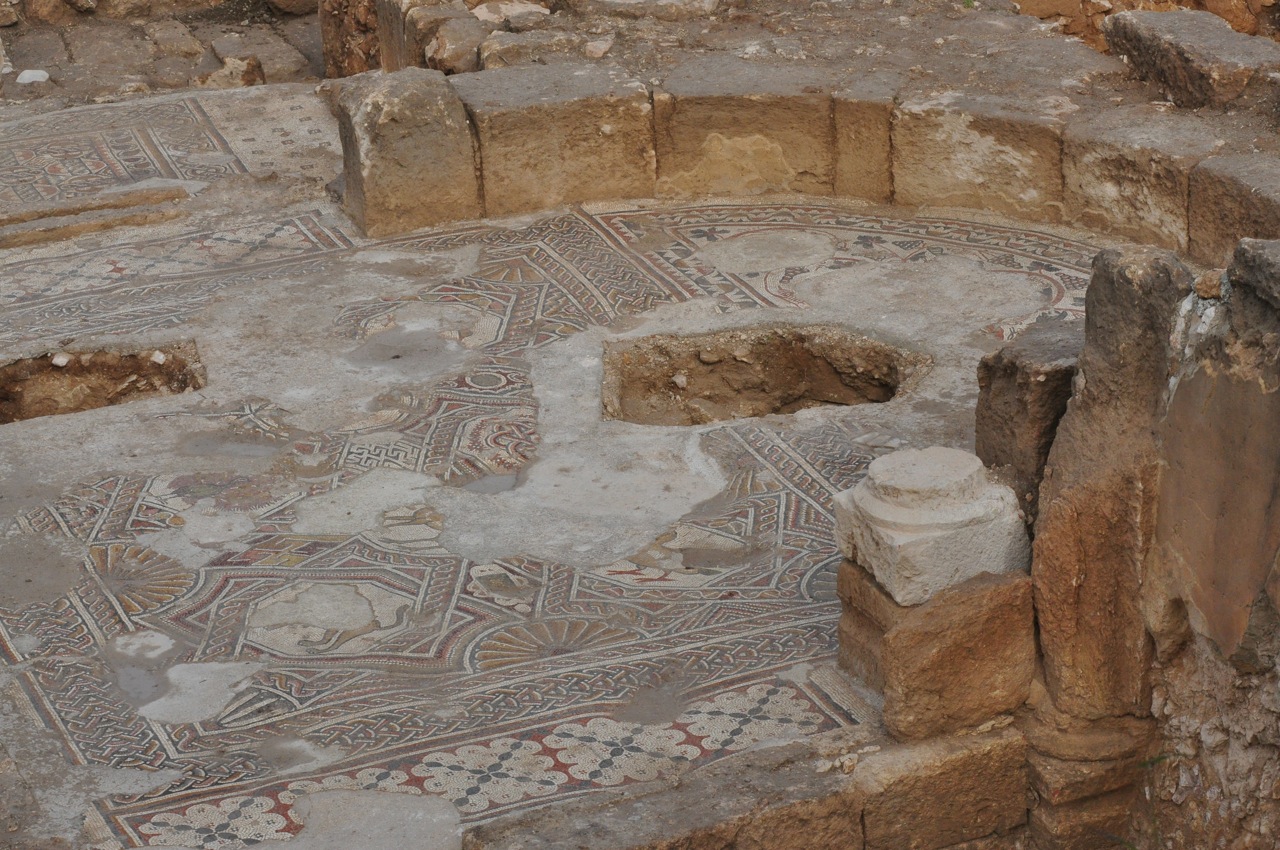
All of the floors recently uncovered in the church at Hirbet Midras have incredible mosaics, that are extraordinarily well preserved. The mosaics include both intricate geometric designs and floral, fauna, fish, birds and fruit. The tesserae are fine, 7mm cubes in an assortment of colors enabling the artists to create realistic images. You can click on any of the images to see it in higher resolution.

The apse of the church with a geometric rectangular carpet; the curved part has an image of a rooster and duck in a design of grapevine tendrils and bunches of grapes.

Display of mosaics in the aisle, geometric patterns on either side of a panel with chukar birds.

Close up of the chukar bird panel.

Panel that combines birds, fish and lotus.

Image of a lion attacking what looks like an ibex among grapevines. Interesting to compare it with the image of the lion attacking the deer under the tree from Hisham’s Palace (Khirbet El-Mafjar, 7th century) near Jericho.

Byzantine Church, Hirbet Midras

Amir Ganor is not your usual archaeologist. Although he works for the Israel Antiquities Authority he packs a handgun because his primary responsibility is apprehending thieves who plunder sites for valuable artifacts to sell on the antiquities market. In this case a group of Palestinians were breaking into the complex of tunnels and caves in the Judean Coastal Plain or shefela in the area of Beit Guvrin, specifically Hirbet Midras, looking for coins and other treasure. This led Ganor to the site where a large stone lintel was uncovered.

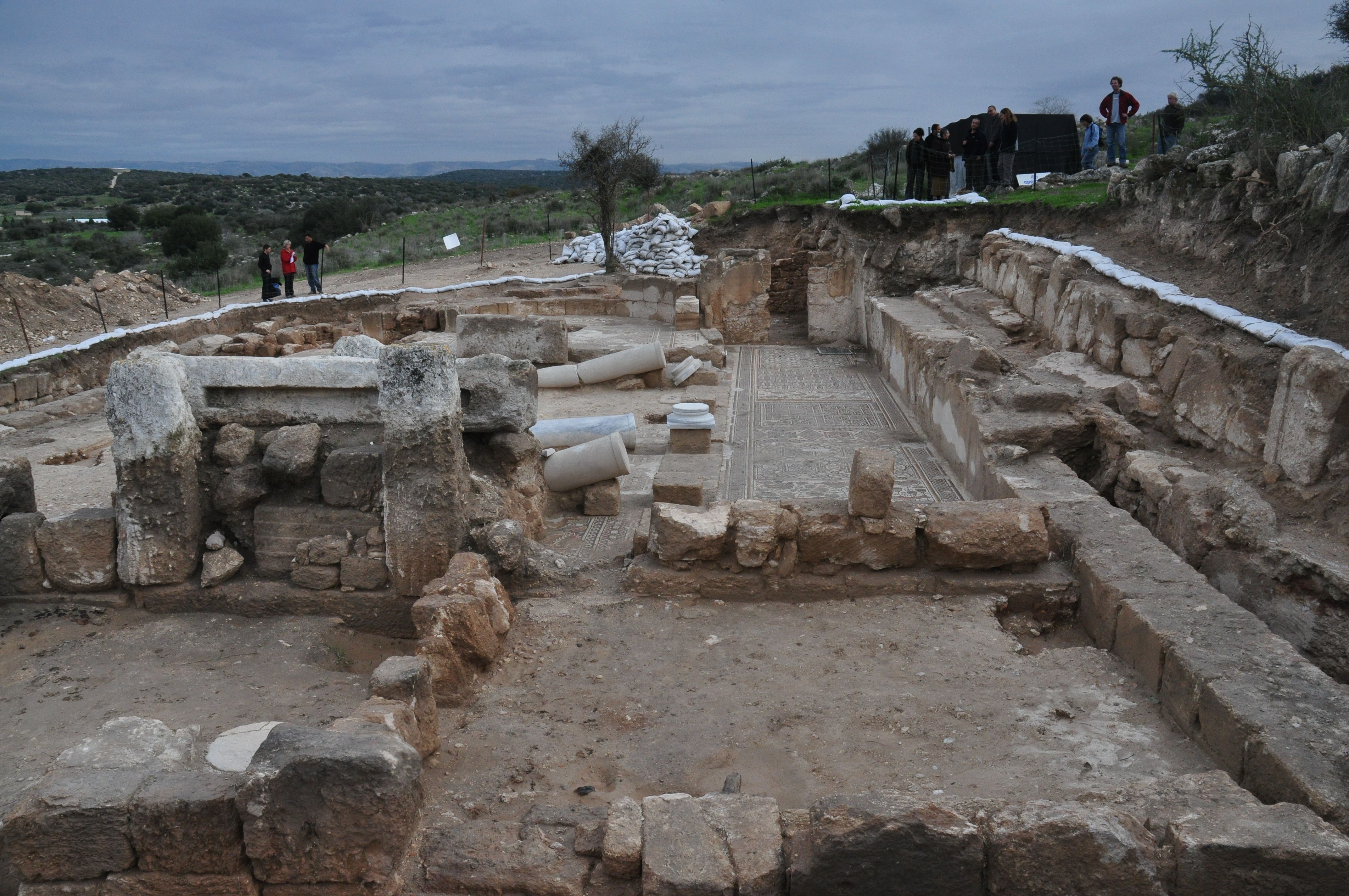
The same lintel was first uncovered in the 1980s and based on the expert opinion of Prof. Amos Kloner was thought to be from a synagogue since it was almost identical to one found in the north at Hirbet Nevoraya. Ganor requested approval and support from the Antiquities Authority to excavate the area to discover more about the public building. Within a short time very impressive and beautiful floor mosaics were uncovered. Large dressed stones with what look like Byzantine crosses were discovered when the plaster covering them fell off. Combined with the architectural details, an apse, a crypt, mosaic floors, it seems that the building was a church. The church was destroyed by an earthquake some 1,300 years ago and lay mostly covered until the 19th century. The columns and capitals are displayed exactly as they were found, lying parallel on the ground and the northern wall is angled out from the movement of the earthquake.

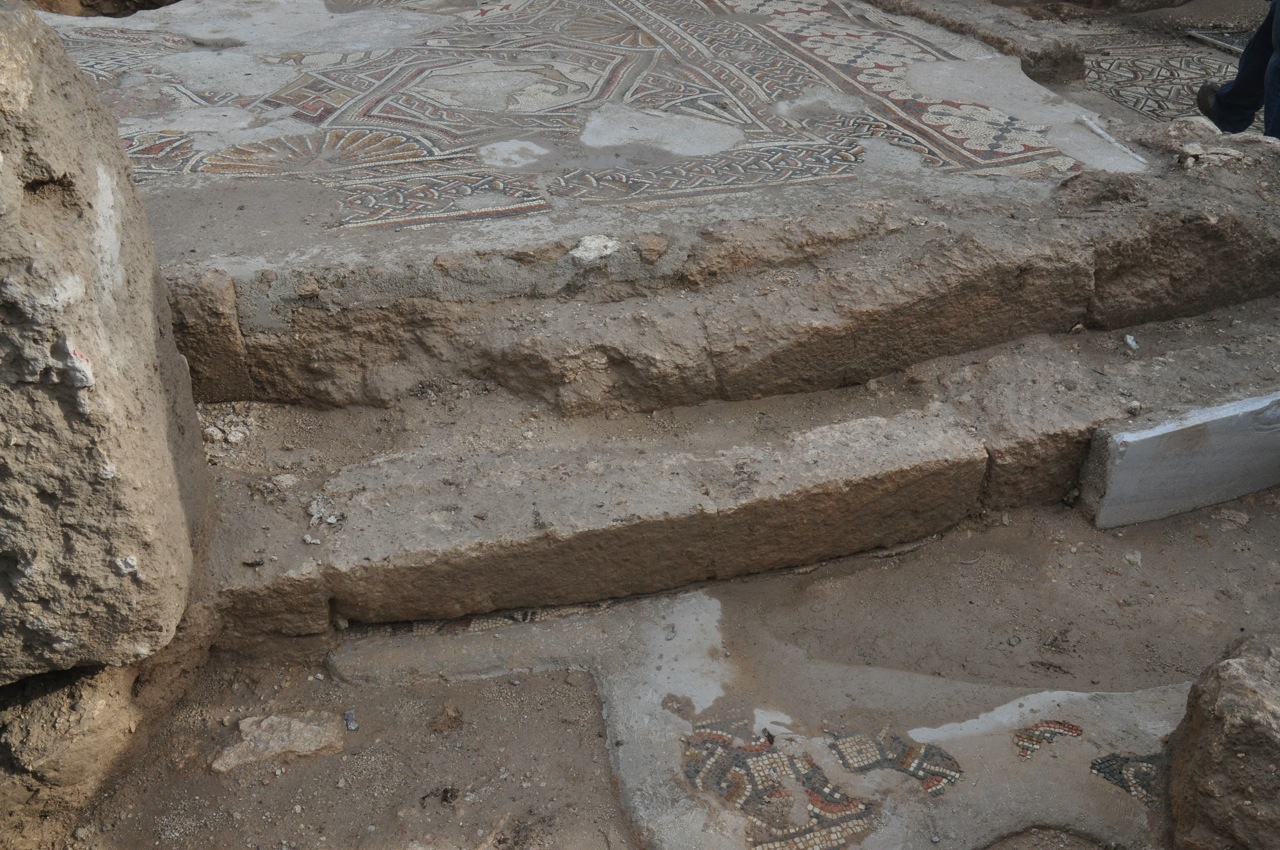
There are several construction phases, in the last two the building was used as a splendid church. However, in the first phase the excavation shows that the later church was built inside a large public compound from the Second Temple period. The church, in its last phases, was built as a basilica, a central nave and two wide aisles that are delineated by eight marble columns with magnificent capitals which were specially imported (the eight bases can be seen but only 3 capitals and columns remain). The front of the church had a large flagstone courtyard, a narthex, and at the end of the nave is a raised bema or platform (that was added later – you can see that the mosaic floor continues under the bema).

All of the floors in the building were adorned with incredible mosaics, that are extraordinarily well preserved; these include both geometric designs and floral, fauna, fish, birds and fruit. Today I went out to the site to photograph the mosaics (before they are covered to protect them until the site can be readied for visitors). You can view them at https://israeltours.wordpress.com/2011/02/04/mosaics-hirbet-midras/

Located behind the bema are two rooms, one paved with a marble floor and the other that led to an underground tomb that was empty.

Beneath the entire building is a subterranean complex in which there are rooms, water installations, traps and store rooms for hiding. Among the artifacts discovered are coins from the time of the Great Revolt (66-70 CE) and the Bar Kokhba uprising (132-135 CE), stone vessels, lamps and various pottery vessels that are characteristic of the Jewish population from the settlement at that time.

Scholars who visited the site during the excavation proposed identifying the crypt as the tomb of the prophet Zechariah. Early Christian sources identified his burial place in the village of Zechariah which was discovered in 415CE. In light of these sources, including the Madaba Map (the building with the apse with the Greek, ΒΕθΖΑΧΑΡ to its left is Bet Zechariah), scholars think the church at Hirbet Midras is a memorial church meant to mark the tomb of the prophet Zechariah.

Bet Shean – Scythopolis

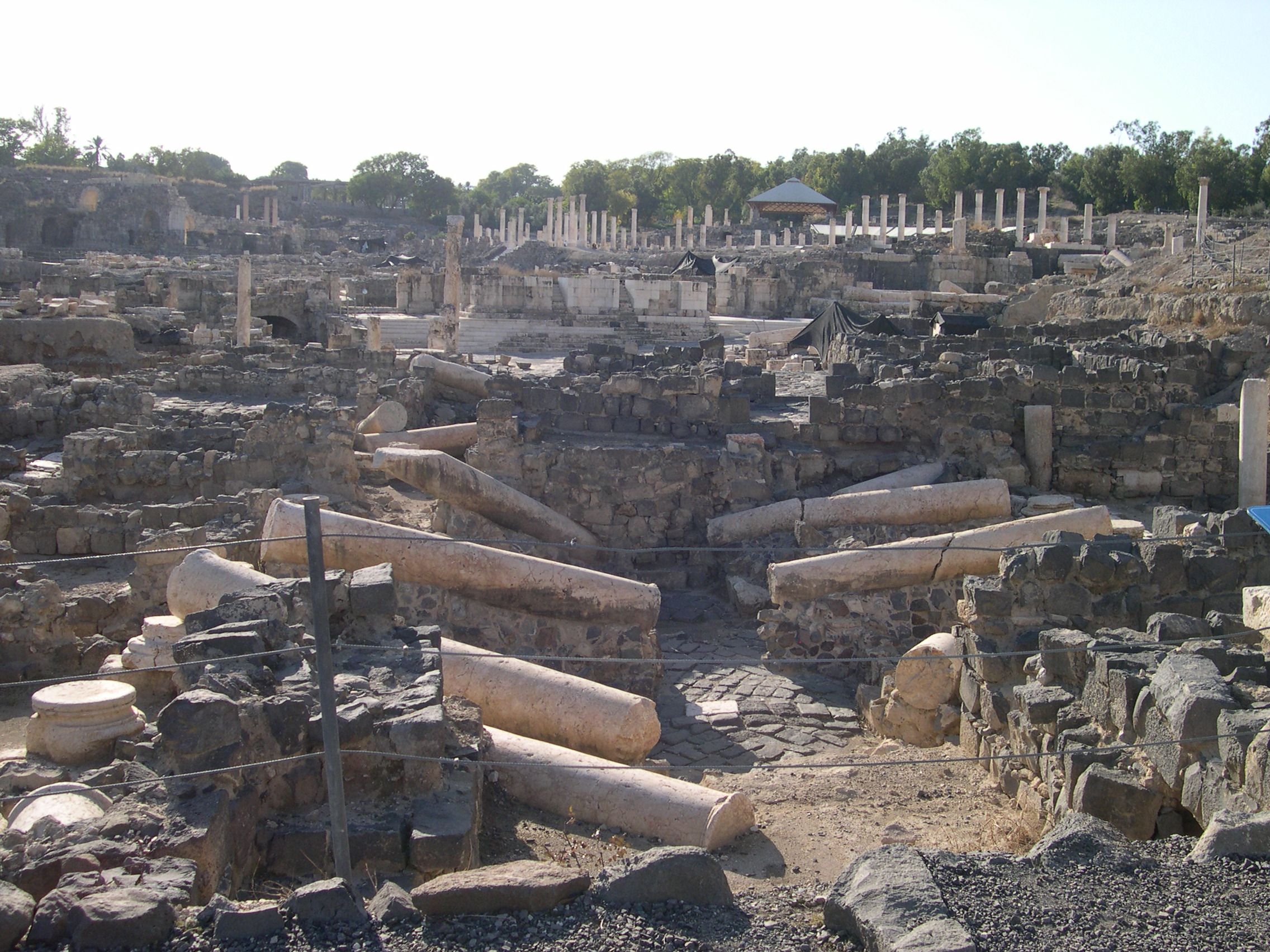
Bet Shean situated at the junction of the Jordan River valley and Nahal Harod that connects to the Jezreel valley, is an important crossroads because it controls access from the interior to the coast and from Jerusalem to the Galilee. It was called Scythopolis from the Hellenistic period onward and according to Greek mythology was founded by Dionysus. In 63BCE it was conquered by the Roman general Pompey and made a part of the Decapolis, a loose confederation of ten cities that were centers of Greco-Roman culture. It was the largest city according to Josephus and only one west of the Jordan River and is mentioned several times in the New Testament (Matt 4:25; Mk 5:20). This was the period of Pax Romana and the city prospered, evidenced by a high-level of urban planning and extensive construction the remains of which can be seen today in the archaeological park.

You can explore the site and visit the best preserved Roman theatre, a public bathhouse, two magnificent colonnaded streets, a Roman temple, a decorative fountain building (nymphaeum) and other landmarks of a Roman city.

Ancient sources indicate that Scythopolis had a mixed population of pagans, Jews, Samaritans, and Christians. At the western end of Tell Ictaba stood the sixth century Monastery of Lady Mary with a beautiful mosaic floor that depicts the 12 months and the sun and moon as human figures. Outside the city wall a Samaritan synagogue dating to the 5th–early 7th centuries CE was discovered. Its apse is oriented northwest towards Mount Gerizim (not south towards Jerusalem) and the floor is covered by a beautiful mosaic with geometric and plant motifs, but no human images. Another synagogue known as the “House of Leontis” perhaps part of an inn was found with a mosaic floor depicting geometric, animal, and plant motifs, and in the center, a medallion containing a menorah and the Hebrew word shalom. Another mosaic in the complex depicts scenes from Homer’s Odyssey, a five-branched candelabra and scenes of the Nile.

In 634, the second caliph, Omar Ibn al-Khatab took the city on his march through to Egypt. and it reverted back to a variation on its Semitic name, Beisan. The Muslims and Christian majority lived together but the city declined, additional structures were built on the streets themselves, narrowing them to mere alleyways, and makeshift shops were opened among the colonnades. Visitors to the Israel museum can to see the gate of the Umayyad shopping street inlaid with Arabic mosaic inscriptions. On January 18, 749 Beisan was completely devastated by a massive earthquake. A few residential neighborhoods grew up on the ruins but the city never recovered its former glory.

Looking across the site you can’t but notice a hill that rises 50m above the city. It’s worth climbing the stairs to the top for a spectacular view of the city and Bet Shean valley. Looking over the fertile surrounding countryside Rabbi Shimon ben Lakhish (ca. 350CE) wrote that if the Garden of Eden is in the Israel, then its gateway is Beth-Shean (Eruv 19a). This tel was first investigated from 1921 to 1933 by archeologists from the University Museum of the University of Pennsylvania. As a result of their work, Bet Shean became the first tel in Israel to produce a complete stratigraphic sequence spanning more than 18 layers of occupation from the late Neolithic period (fifth millennium BCE) through medieval times.

Level IX dated to around 1450BCE, was an Egyptian garrison after Thutmose III’s victory against an alliance of 300 Canaanite rulers.

A few hundred years later, the Philistines conquered it (it was they who fastened Saul’s body to the wall of Bet Shean after the famous battle on Mount Gilboa: 1 Samuel 31.8–11). Bet Shean became part of the kingdoms of David and Solomon, and was eventually destroyed in a fire, apparently at the hands of Tiglath-Pileser III, King of Assyria in 732 BCE.

Exploration of the Roman-Byzantine city of Scythopolis at the base of the tel began much later in the 1980s by Mazor of the Israel Antiquities Authority and Foerster and Tsafrir of the Hebrew University. More recent excavations of the tel are reported in detail at
http://www.rehov.org/project/tel_beth_shean.htm

Ohel Yitzchak Synagogue

In 1867 a courtyard between Cotton Merchants’ Gate (Bab al-Qattanin) and the Gate of the Chain (Bab al-Silsileh) and less than 80 meters from the Western Wall was purchased from the Muslim Khaladi family* by the Hungarian Jewish community. They founded a kollel, called Shomrei Ha’Chomot (Guardians of the Walls) and a yeshiva known as Or Ha’Meir and studied Torah around the clock in 3 shifts. After a visit by Rabbi Yitzhak Ratsdorfer, a Belz Hassid and diamond merchant in 1891, they built two synagogues, Beit Yitzchak and Ohel Yitzchak, financed by and named for him.

The magnificent synagogue was completed in 1904 and was on a par with the more famous Tiferet Israel and Hurva synagogues in the Jewish quarter. In 1938 because of the Arab riots the site had to be abandoned and the community relocated to Mea She’arim. During the 19 years of Jordanian Legion, the synagogue was looted and vandalized until it was a ruin, the story of more than 50 Jewish religious institutions in the Old City.

The site lay deserted until about 15 years ago, when Moskowitz bought it and financed the synagogue’s reconstruction and a comprehensive archaeological dig. In cooperation with the Israel Antiquities Authority who did the research to find old photographs and drawings of the site (I saw similar detailed documentation prepared by the IAA for the renovation of a building in Akko that will become the new Effendi Hotel) they reconstructed the building over a 10 year period using remnants of the destroyed building found at the site whenever possible. In the excavation begun in 2004 they found three steps dating back to the Second Temple period going east towards the Western Wall suggesting a monumental staircase leading to Warren’s Gate, the closest entrance to the Holy of Holies (I’ve heard that the synagogue and staircase have been connected to the Western Wall tunnels). Every historical period was represented but a major discovery was a giant public bathhouse from the Mameluke period (14th C), which lies below the entire site. According to IAA archaeologist Yuval Baruch, this is the most complete relic of the Mameluke period ever discovered in Jerusalem.


* Not far from the synagogue, along Bab al-Silsileh street in a 13th C Mameluke building is the Khalidi Library, the largest and finest private Palestinian library, and one of the largest private collections of Islamic manuscripts in the Arab world. Some of these are handwritten, one of a kind manuscripts and even autograph works written by hand by the original author (umm in Arabic). One such umm dated 1201 is a very richly decorated makrumah, or presentation copy, gilded with floral and geometric motives, a personal horoscope and family tree prepared for Salah al-Din Yusuf ibn Ayyub sultan of Egypt and Syria who defeated the Crusaders.

The library reading room is housed in the turbah, or burial place, of Amir Husam al-Din Barkah Khan and his two sons. Barkah Khan, who died in 1246, was a military chieftain of Khwarizmian origin who fought in Syria and Palestine in the 1230’s and 1240’s. His daughter was married to the formidable Mameluke sultan Baybars (1260-1277), who relentlessly fought the Crusaders. The two pairs of lions at Lion’s Gate are the symbol of Baybars.