Author Archives: Shmuel Browns

Unknown's avatar

About Shmuel Browns

I am a tour guide, licensed by the Israel Ministry of Tourism. I do tours throughout Israel, personalized to your interests, time and budget.

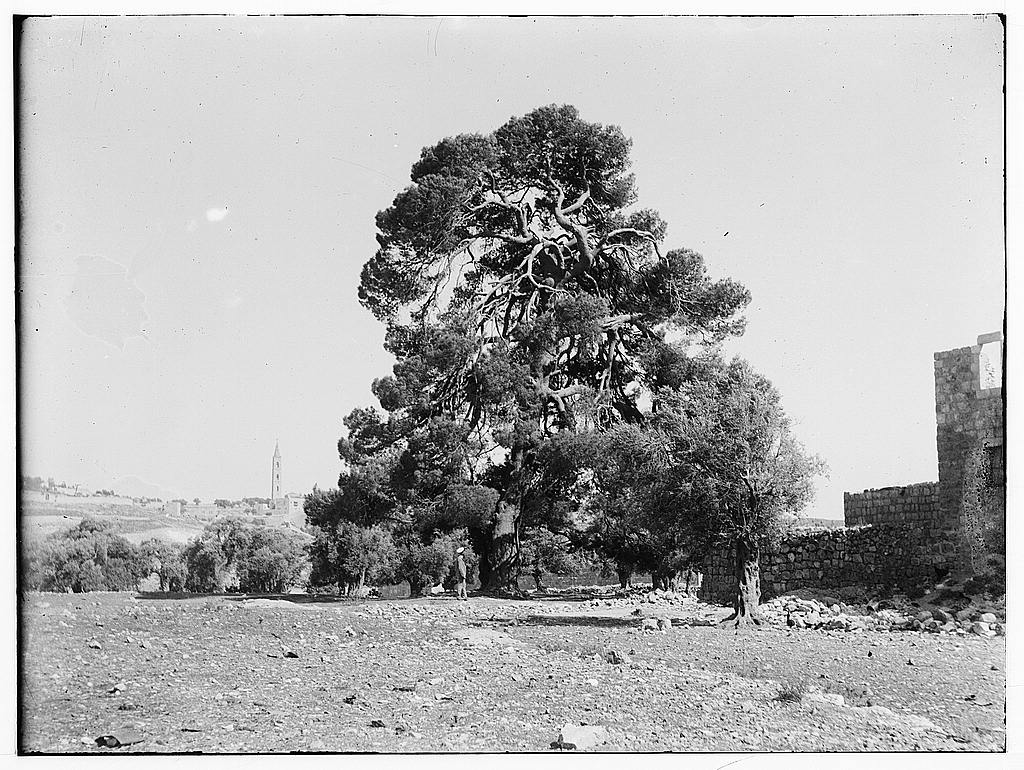
Prince of Wales Pine Tree

I was visiting with friend and fellow tour guide, Tom Powers, in Bethlehem and we were talking about our interest in photography and what you can learn by comparing photographs taken 100 years ago or more with the same scene today. I mentioned Francis Bedford’s photographs from Edward, Prince of Wales visit to this area in 1862 and my guiding for the BBC to Mar Saba and my blog post https://israeltours.wordpress.com/2013/03/19/mar-saba-and-judean-desert-revisited/. This reminded Tom of a photograph from the Matson collection, image #00776, titled “Prince of Wales Tree near Palestine Museum” (link to the image online at http://lcweb2.loc.gov/service/pnp/matpc/00700/00776v.jpg).

Prince of Wales Pine Tree

Tom did the research and wrote the captions for several hundred high-resolution photographs taken between 1898 and the 1940s in the American Colony and Eric Matson Collection. The complete set of photographs, some 4,000 images has been produced as two DVDs by Todd Bolen – http://www.lifeintheholyland.com/49_matson_american_colony_8_volumes.htm
Here is the writeup for the Prince of Wales Tree:

The area pictured lies north of the northeast corner of the Old City. The view is to the southeast, with the Russian Ascension Tower on the Mount of Olives visible on the skyline (left). The Rockefeller Museum buildings, if they are visible at all (through the trees), would be in an early stage of construction.
A late 19th century observer describes this area as “a large field on the north-east side of the town, which extends from the town-ditch [rock-hewn Crusader moat at the Old City’s NE corner] to the splendid pine tree near an oil-press worked by the Moslems. This region is known by the general name of Kerm esh Sheikh [the Sheikh’s Vineyard]”
— Charles Clermont-Ganneau in Archaeological Researches (1899), Vol. 1, p. 248
The “Sheikh” was Muhammad al-Khalili a prominent member of an aristocratic Muslim family from Hebron who settled in Jerusalem in the 17th century and owned this plot of ground. In antiquity it was a cemetery, whose many documented burials stretch back to the Hellenistic period, and in Crusader times it served first as the staging-ground for Godfrey de Bouillon’s successful assault on the nearby city wall on July 15th, 1099, and later as a farm called by the Crusaders “Belveer.”
Muhammad al-Khalili, who served for a time as Mufti of Jerusalem, built a two-story summer residence here in 1711, the structure seen at right, which came to have the name Qasr el-Sheikh. It had an olive press on the ground floor and living quarters above and was one of the first buildings ever erected outside the Turkish city walls. Such buildings were especially useful for guarding the agricultural fields that covered the area, and the property of “Karem esh-Sheikh” was planted with olive and fig trees, date palms, and of course grapevines.
As for the tree, it is said that Muhammad al-Khalili brought the pine seedling from Hebron, wrapped in his head-covering, and planted it here. When it was grown, the venerable pine seems to have become a well-known local landmark, and over the years numerous dignitaries, including members of the British royal family, enjoyed its shade. Among them was Edward, Prince of Wales (later to be crowned King Edward VII) who visited Jerusalem in 1862 and made his encampment here, hence the tree’s name. In 1865 Prince Arthur likewise camped at the site.
In the late 19th century the Muslim Rashidiyah School was built on part of Karm el-Sheikh and it remains in use today as part of Jerusalem’s public school system. At the beginning of the 20th century the Arab neighborhood of Bab a-Sahairah, named after the nearby city gate (Herod’s Gate), grew up in the surrounding area. Then in 1919 the Mandatory government selected the site for the construction of an archaeological museum, although it was only in 1930 that the eight-acre tract, Karm el-Sheikh, was purchased from the al-Khalili family and the cornerstone was laid. Construction was completed in 1935, and the museum officially opened to the public in 1938.
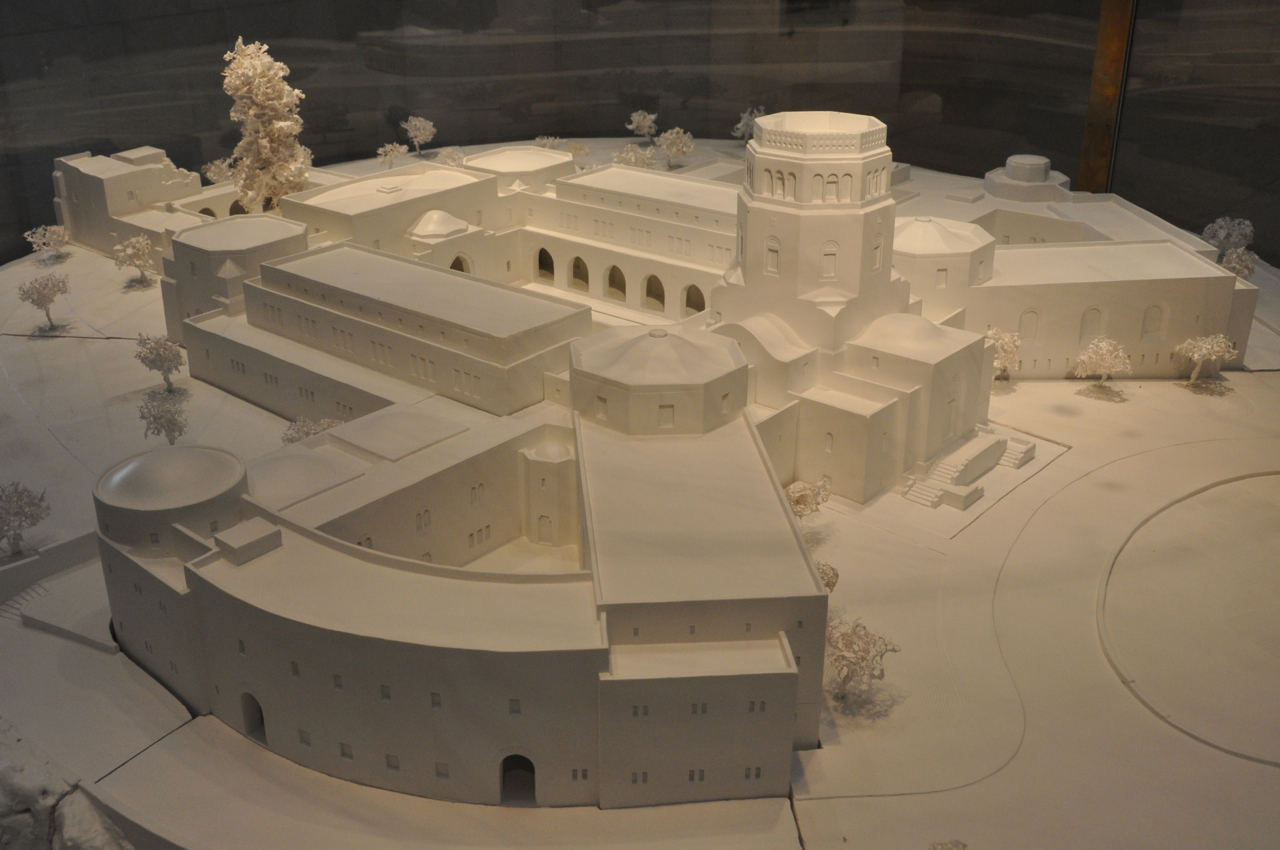
At the time the Rockefeller Museum was coming into existence, the old “Prince of Wales Tree” still stood here, just to the west of the main museum site. In fact, the original architectural plan called for a rear (western) courtyard surrounded by cloisters, which would communicate between the historic villa structure, Qasr el-Sheikh, and the main museum building. And the old pine tree, at the suggestion of Rockefeller himself, was to have pride of place at the center of this court, as “an ‘organic’ counterpart to the imposing tower” at the front of the building. This meant, in concrete terms, that the central axis of the entire museum complex was aligned on the tree!
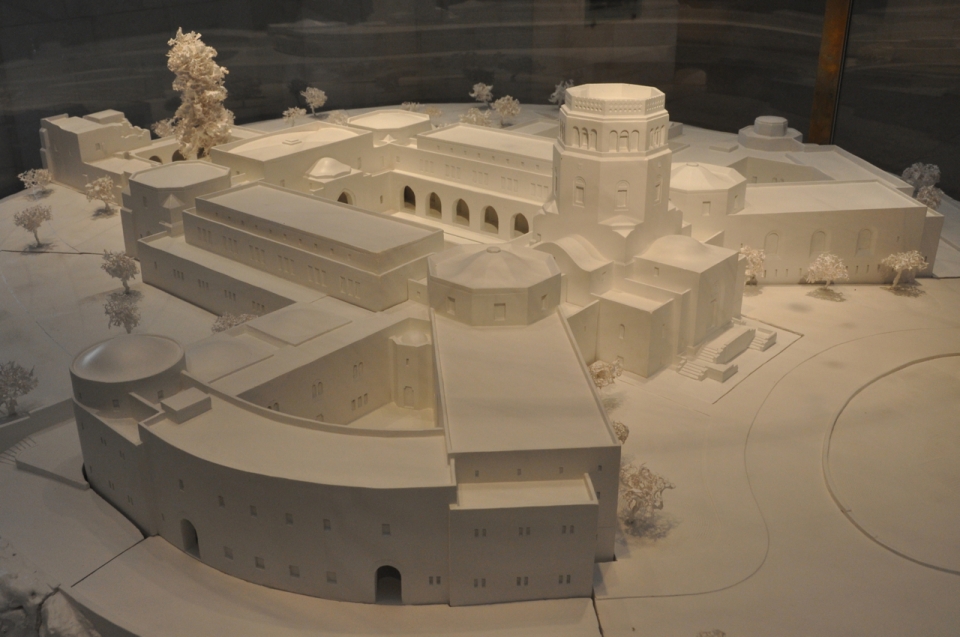
Rockefeller museum model
In the end, the envisioned rear courtyard was never realized, nevertheless the venerable tree — through all the vicissitudes of British, international, Jordanian and then Israeli control – stood as a silent witness behind the museum. In its later years it was actually propped up by a special concrete buttress, however by 1988 the so-called Prince of Wales Tree – then close to 300 years old – had finally died and had to be cut down. The great stump is still visible behind the museum. As for the historic villa, Qasr el-Sheikh, much of it remains intact; restored and modernized, it today houses the Restoration Department of the Israel Antiquities Authority.
Rockefeller museum and pine tree

Sources:
  1. A. Mertens, “Who was a Christian in the Holy Land? (Edward VII)”, an on-line resource at www.christusrex.org
  2. West Meets East: The Story of the Rockefeller Museum (2006), by Fawzi Ibrahim; excerpt online at http://www.imj.org.il/rockefeller/eng/index.html

Christian Pilgrim Itinerary (9 days)

If you are interested in experiencing the Holy Land as a Christian pilgrim I am happy to work with you to create a personalized tour. Here is a sample 9 day itinerary with visits to religious and archaeological sites with time for prayer and reflection. We will visit the trinity of cities: Nazareth, Bethlehem and Jerusalem and their churches: Annunciation, Nativity and Holy Sepulcher. Click links for more information. I will be sharing more details on Nazareth and Bethlehem in upcoming blog posts.

Day 1 pickup at the airport and drive to Nazareth

Day 2  Nazareth

  • Mary’s Well and Greek Orthodox church
  • Synagogue church
  • Church of the Annunciation
  • St Joseph’s Church
  • Mary of Nazareth International Center
  • Mount Precipice
  • Transfiguration on Mount Tabor
  • dinner in Tiberias overlooking Sea of Galilee

Day 3  Around Sea of Galilee

  • Korazim
  • Jordan river
  • Tabgha: Church of Multiplication; Peter’s Primacy
  • lunch: St. Peter’s fish
  • Capernaum
  • Domus Galilaeae
  • Jesus boat
  • dinner in Rosh Pina with a view

Day 4 Galilee

drive to Jerusalem; Shabbat dinner with my family

Day 5  Bethlehem

Day 6  Jerusalem Old City

  • Mount Zion
    • Dormition Abbey
    • Room of Last Supper
  • Peter in Gallicantu – model of Jerusalem in Byzantine period
  • Gethsemane
  • Church of Agony
  • Tomb of Mary

Day 7

Day 8  Judean desert

Day 9

Photo of the Week – Ibex

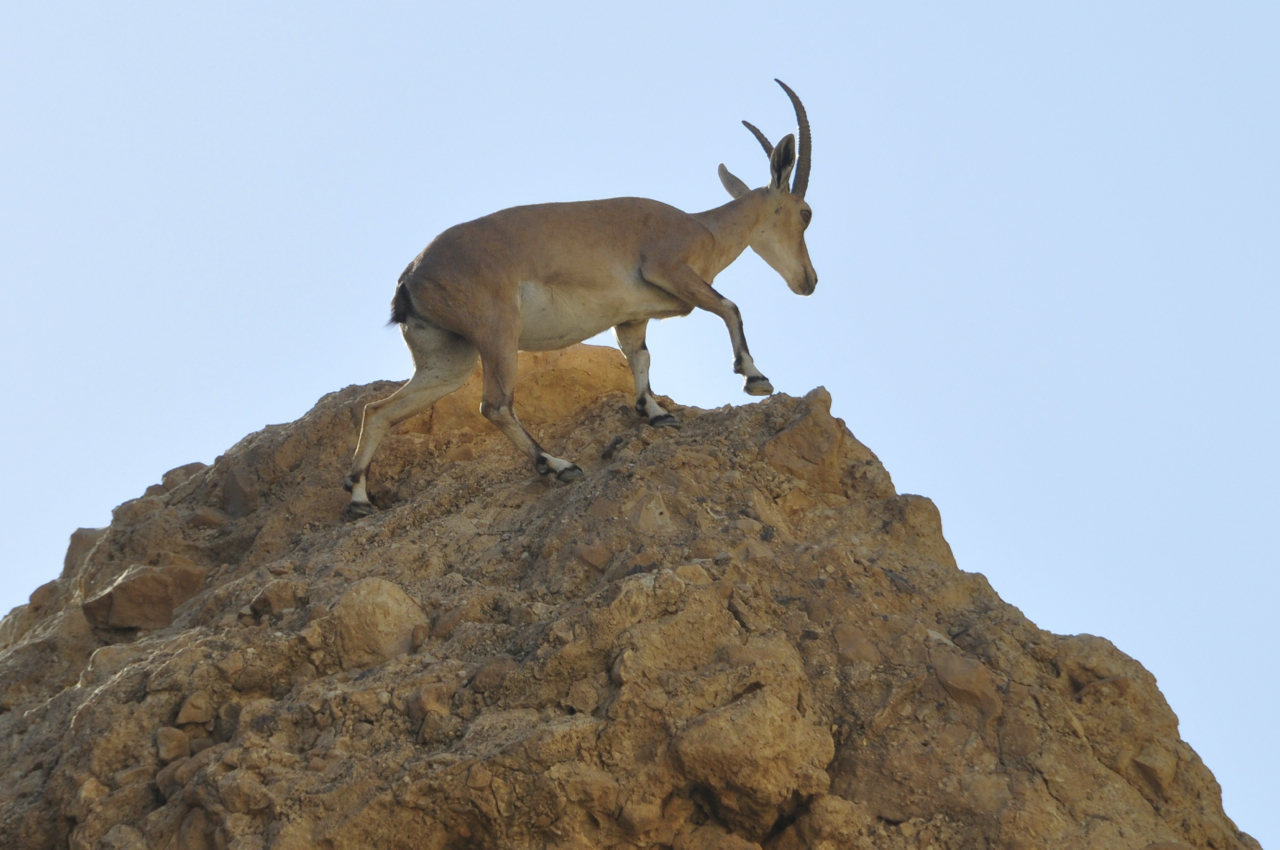
When hiking in the Ein Gedi nature reserve keep your eyes open for hyrax, Tristram grackle and ibex. As I was coming out of the reserve a group of some forty ibex went by. Their color blends into the cliff side but I caught this one as it climbed over the hill.

Ibex

The technical details – the photo was taken with a Nikon DSLR camera (ISO 400, 200mm, F11 at 1/500 sec).

Please share this post with your friends by clicking on the icons at the end of this message.

Photographs on this website are © Shmuel Browns (unless marked otherwise) – if you are interested in purchasing one of my photos or using one of my photos for your own project please contact me.

Related articles

Photo of the Week – Heron at Kinneret

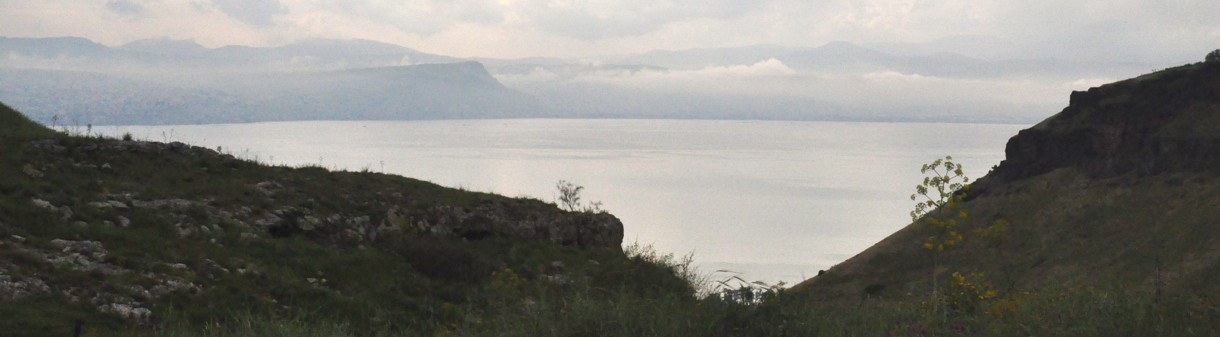
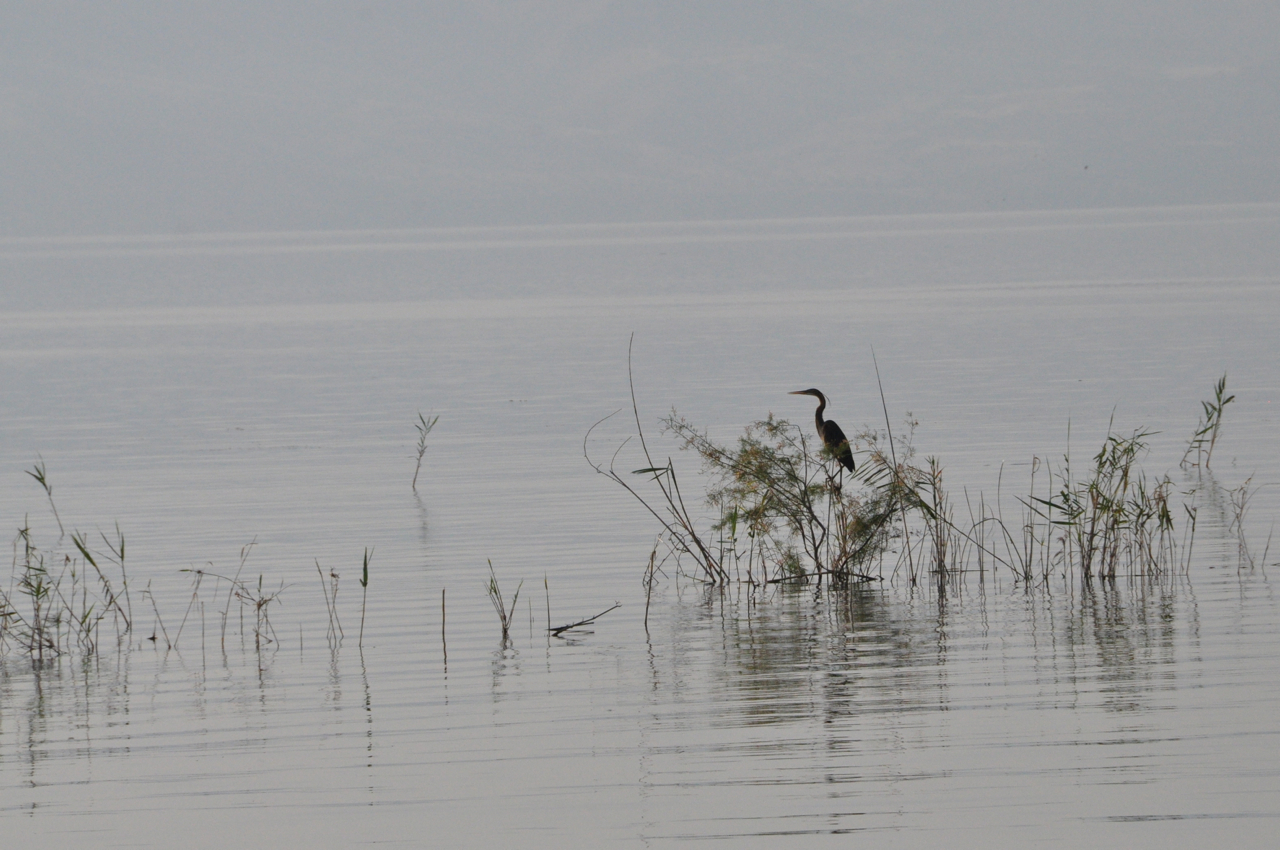
I’ve been guiding in the north, around the Sea of Galilee and caught this heron on the lake in the morning.

Morning HeronThe technical details – the photo was taken with a Nikon DSLR camera (ISO 1000, 200mm, F13 at 1/1000 sec).

Please share this post with your friends by clicking on the icons at the end of this message.

Photographs on this website are © Shmuel Browns (unless marked otherwise) – if you are interested in purchasing one of my photos or using one of my photos for your own project please contact me.

Related articles

Photo of the Week – View from Herodium

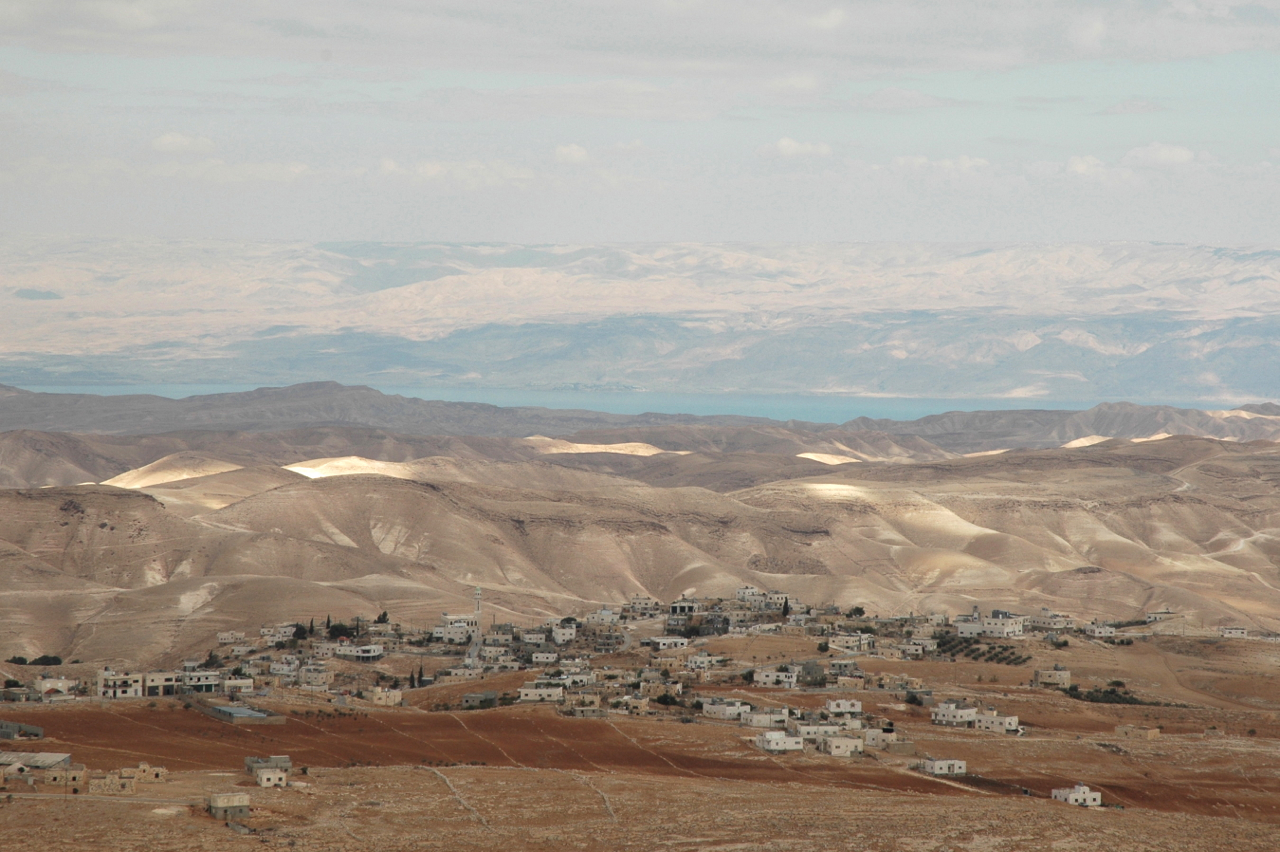
I guided a group today on my Herod the Great Tour visiting Herodium and then the monumental Herod exhibit at the Israel museum. This photo is one I took from the top of the man-made mountain at Herodium looking east towards Jordan. It’s quite amazing that on a clear day you can see as far as the Dead Sea and the mountains of Moab.

View from Herodium

The technical details – the photo was taken with a Nikon DSLR camera on November 2 (ISO 200, 70mm, F10 at 1/400 sec).

Please share this post with your friends by clicking on the icons at the end of this message.

Photographs on this website are © Shmuel Browns (unless marked otherwise) – if you are interested in purchasing one of my photos or using one of my photos for your own project please contact me.

Related articles


Mosaics at Bet Qama

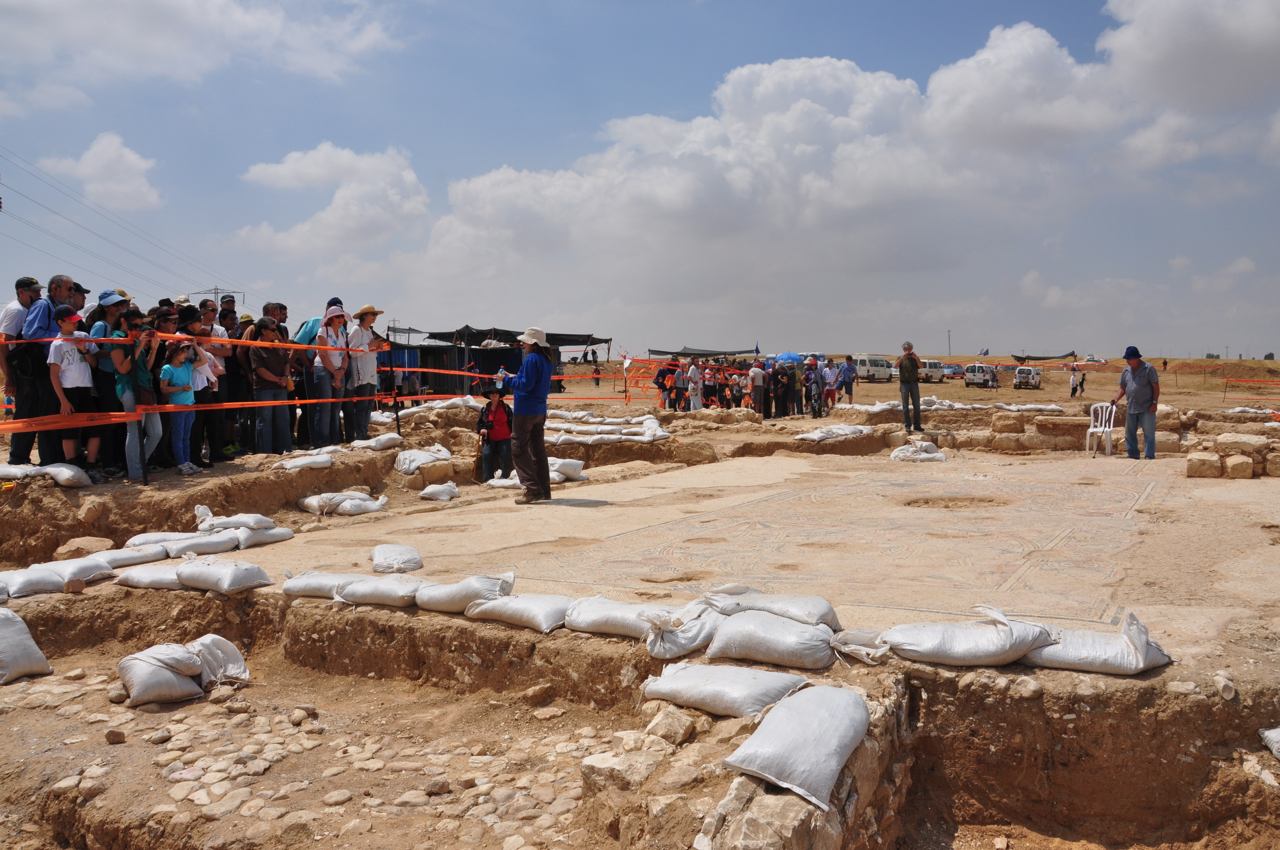
Israel Antiquities Authority reported on excavations it is carrying out prior to construction of the extension of highway 6 north of Beersheva.

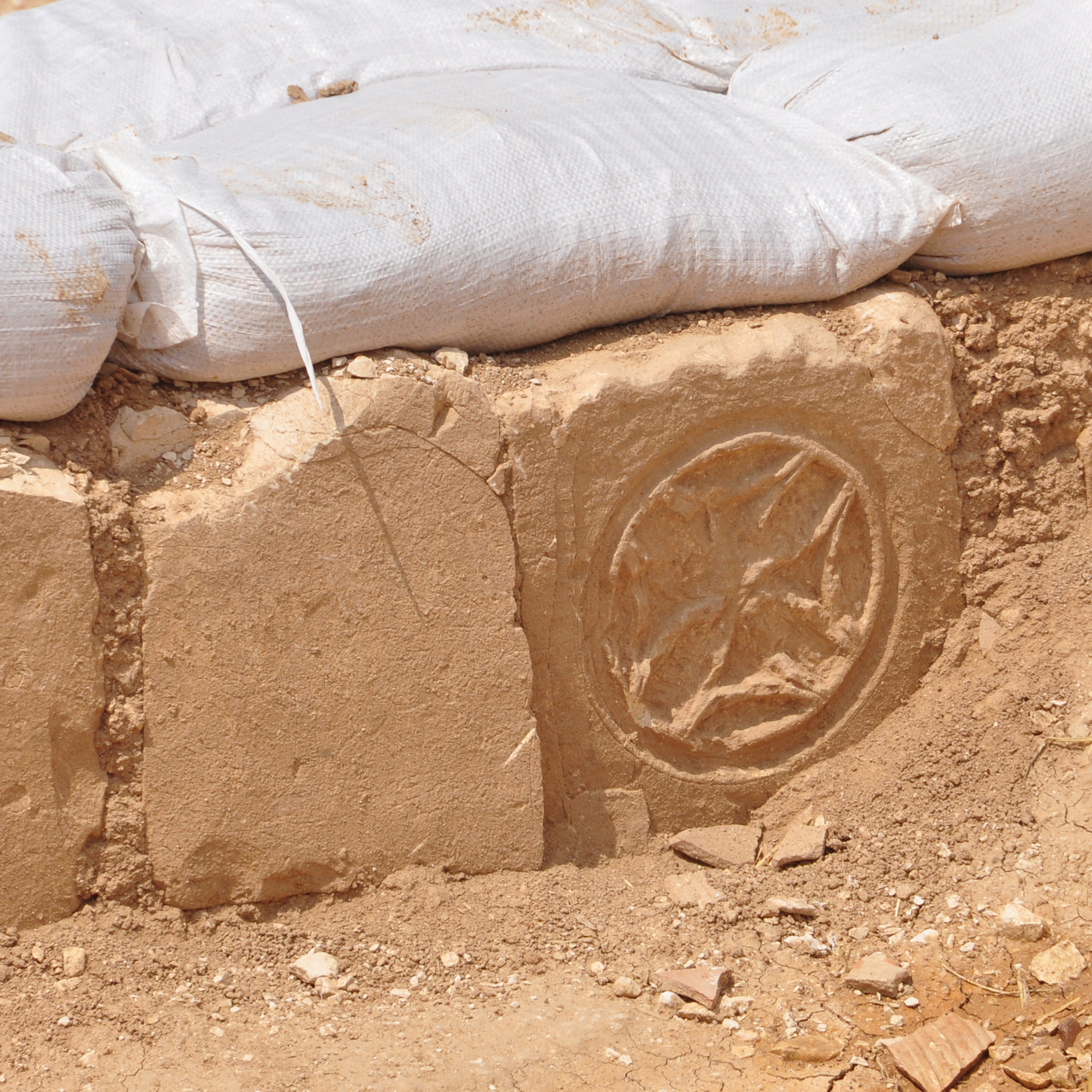
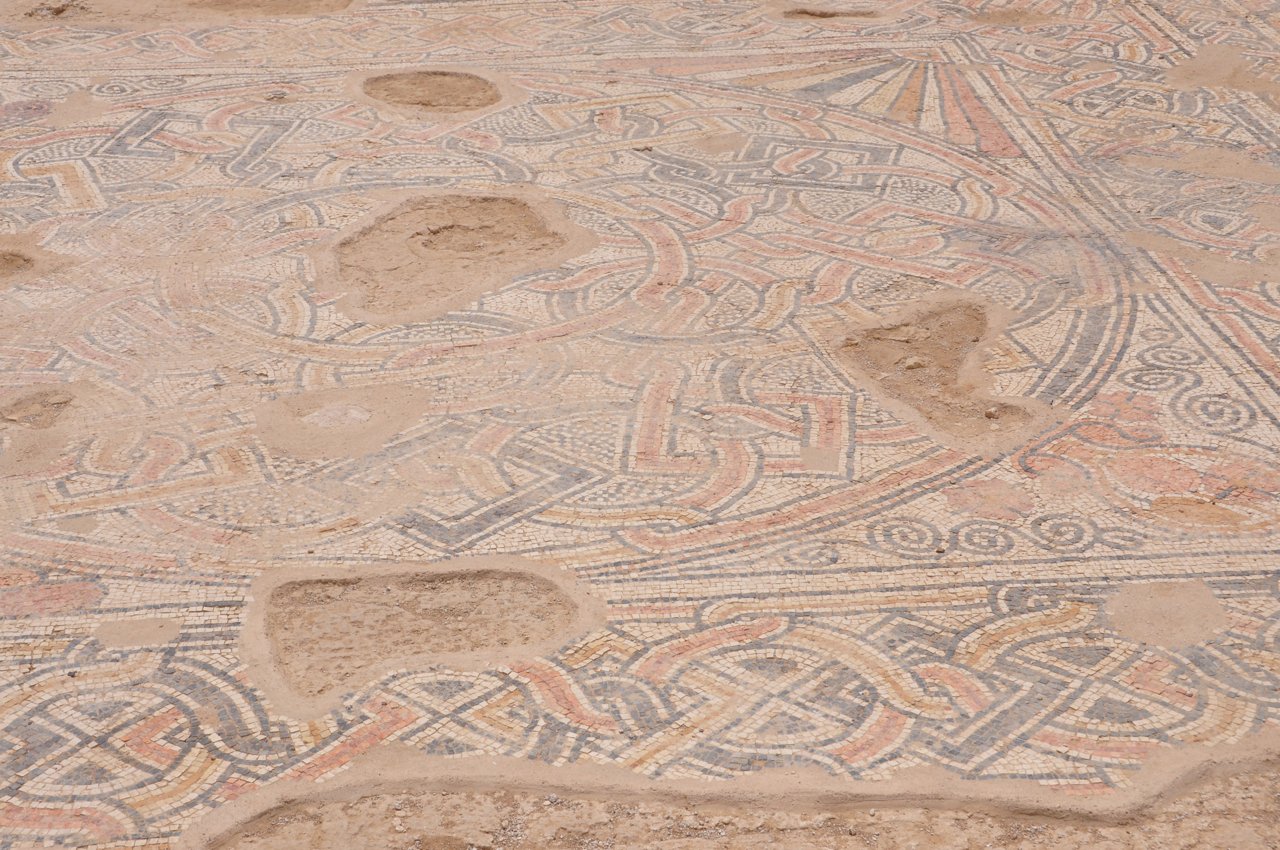
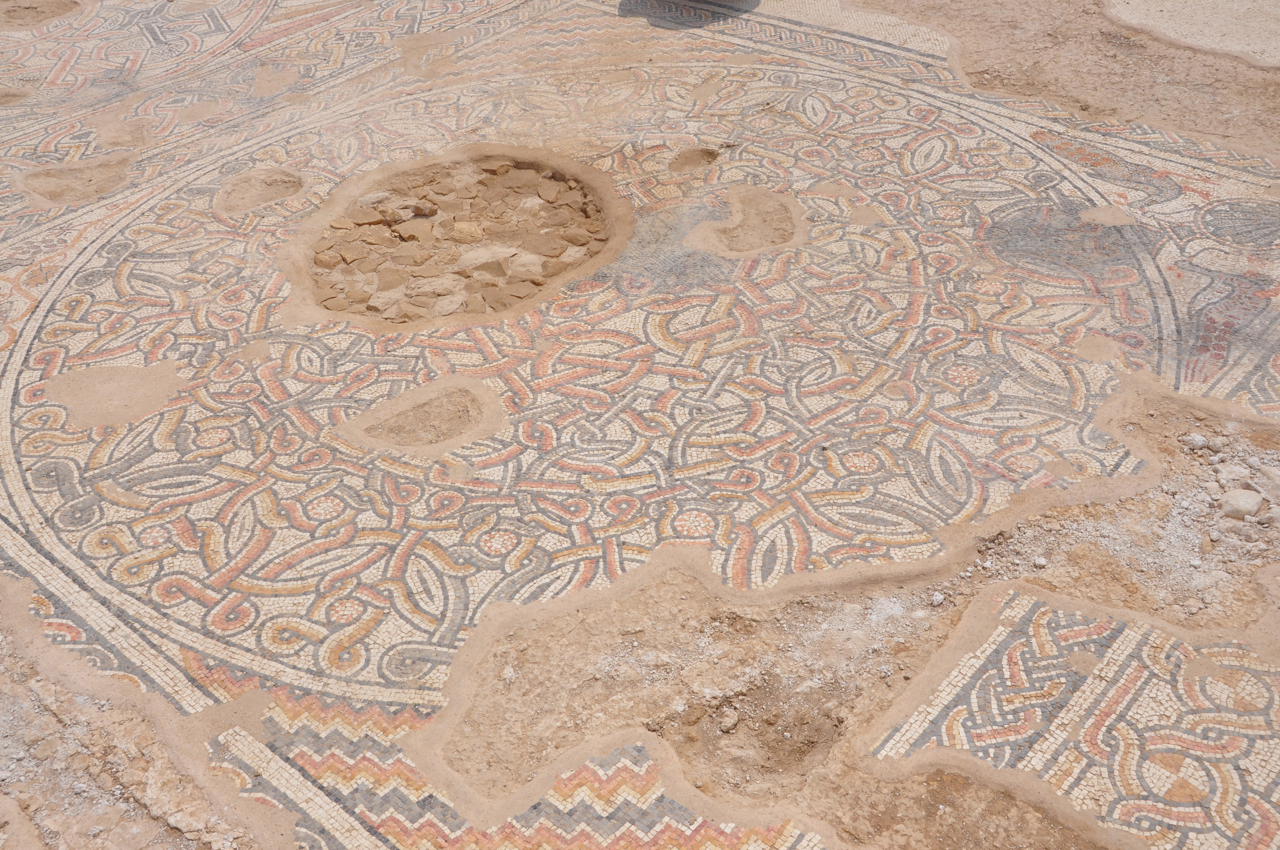
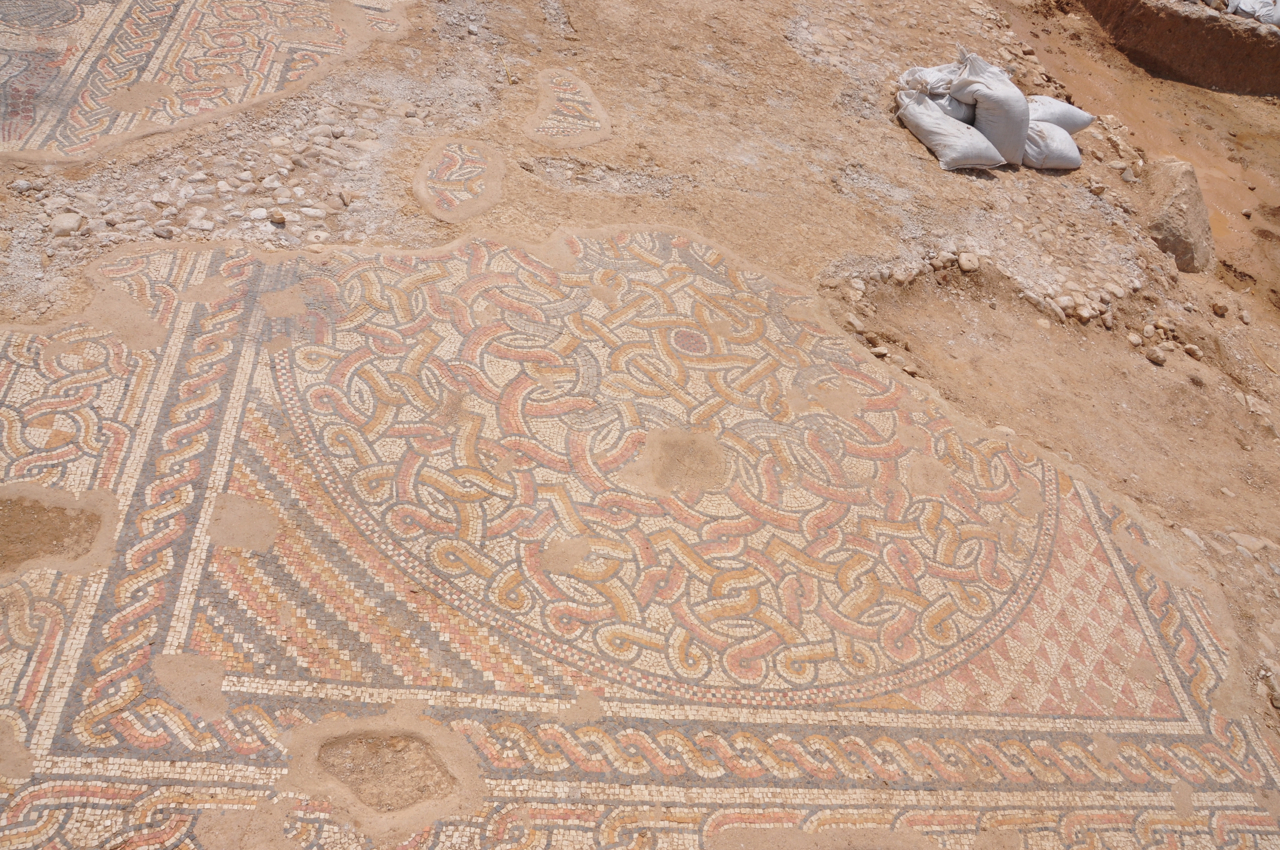
Byzantine crossRemains of a settlement that extends across more than six dunams were uncovered in the excavation being conducted in the fields of Kibbutz Bet Qama. The site seems to have consisted of a large estate that included a tower, a church, residential buildings, presumably an inn for travelers, and storerooms, a large cistern, a public building and pools surrounded by farmland. Also found was a stone with a Byzantine cross in secondary usage. It seems to me that this would be a good candidate for a monastery. Bet Qama excavationThe public building was a large hall 12 meters long by 8.5 meters wide. A spectacular colorful mosaic dating to the Byzantine period (4th–6th centuries CE) was exposed in recent weeks. The well-preserved mosaic consists of 3 square sections each surrounding a circle decorated with geometric patterns. One has amphorae (jars used to transport wine) in two opposite corners, one with a pair of peacocks, the other a pair of doves pecking at grapes on a tendril. These are common designs that are known from this period; however, what makes this mosaic unique is the large number of motifs that were incorporated in one carpet.

North carpet

Middle carpet

South carpet

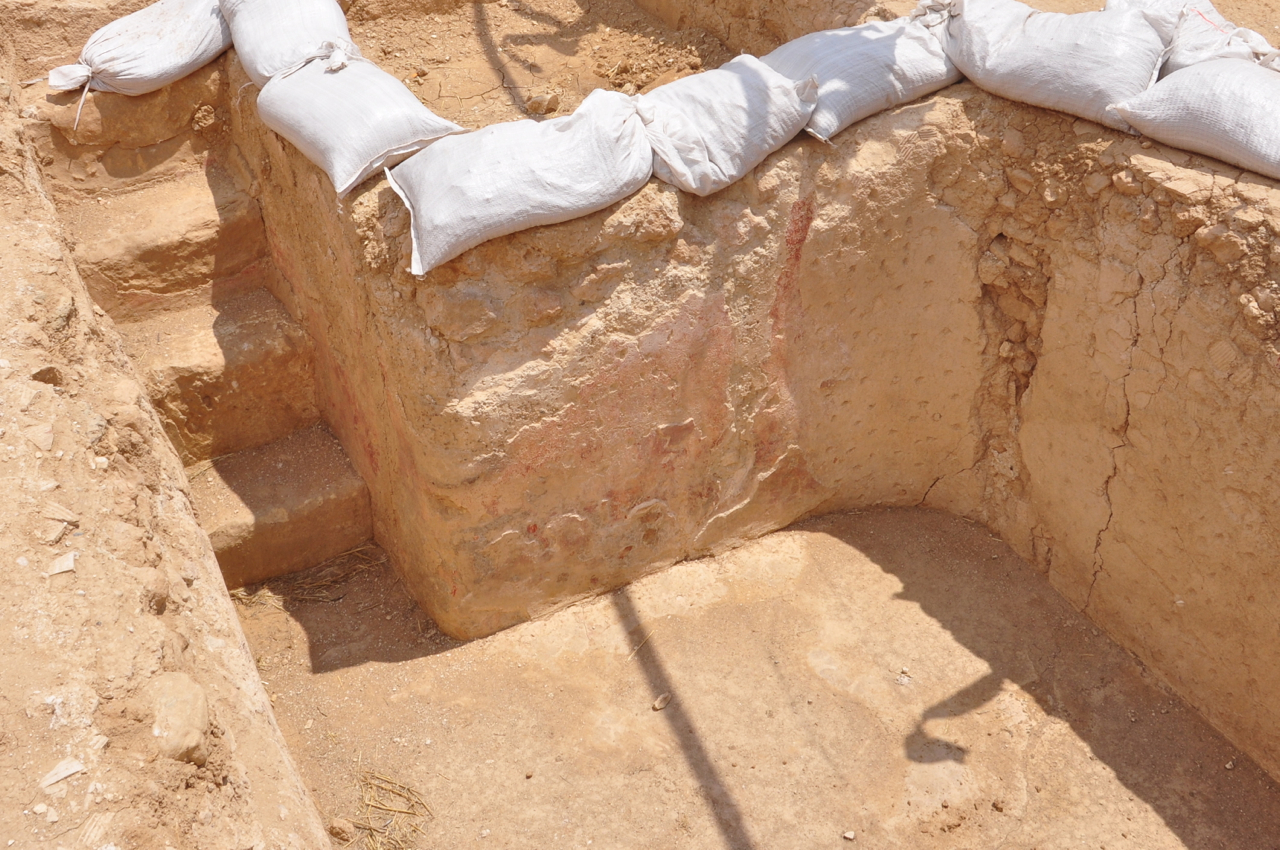
Pools and a system of channels and pipes between them used to convey water were discovered in front of the building. Steps were exposed in one of the pools (not a ritual bath, miqve, according to IAA) whose walls were covered with multiple layers of colored plaster (fresco) implying that whatever the pool was later used for, it continued for some time – no theory about what it might have been used for.

Pool w frescoArchaeologists in the Antiquities Authority are still trying to determine the purpose of the impressive public building and the pools whose construction required considerable economic resources. No destruction layer was found, the site was vacated in the Early Arab period.

In other excavations nearby, two Jewish settlements were found. At Horbat Rimon a synagogue and miqve were exposed. At Nahal Shoval the remains of two Jewish ritual baths and two public buildings were uncovered. Both of the public buildings feature raised platforms along the walls facing Jerusalem, a feature of Jewish synagogues of the period.