Category Archives: Nature

Bar/Bat mitzva in Israel

We celebrated our daughter Tiferet becoming a bat mitzva with family and friends in the archaeological park along the southern wall of the Temple Mount early in the morning – that was back in August 1996 and I still remember how hot it was by mid morning and how our younger son Amitai who was 6 years old at the time foraged for figs that grew on the trees nearby.
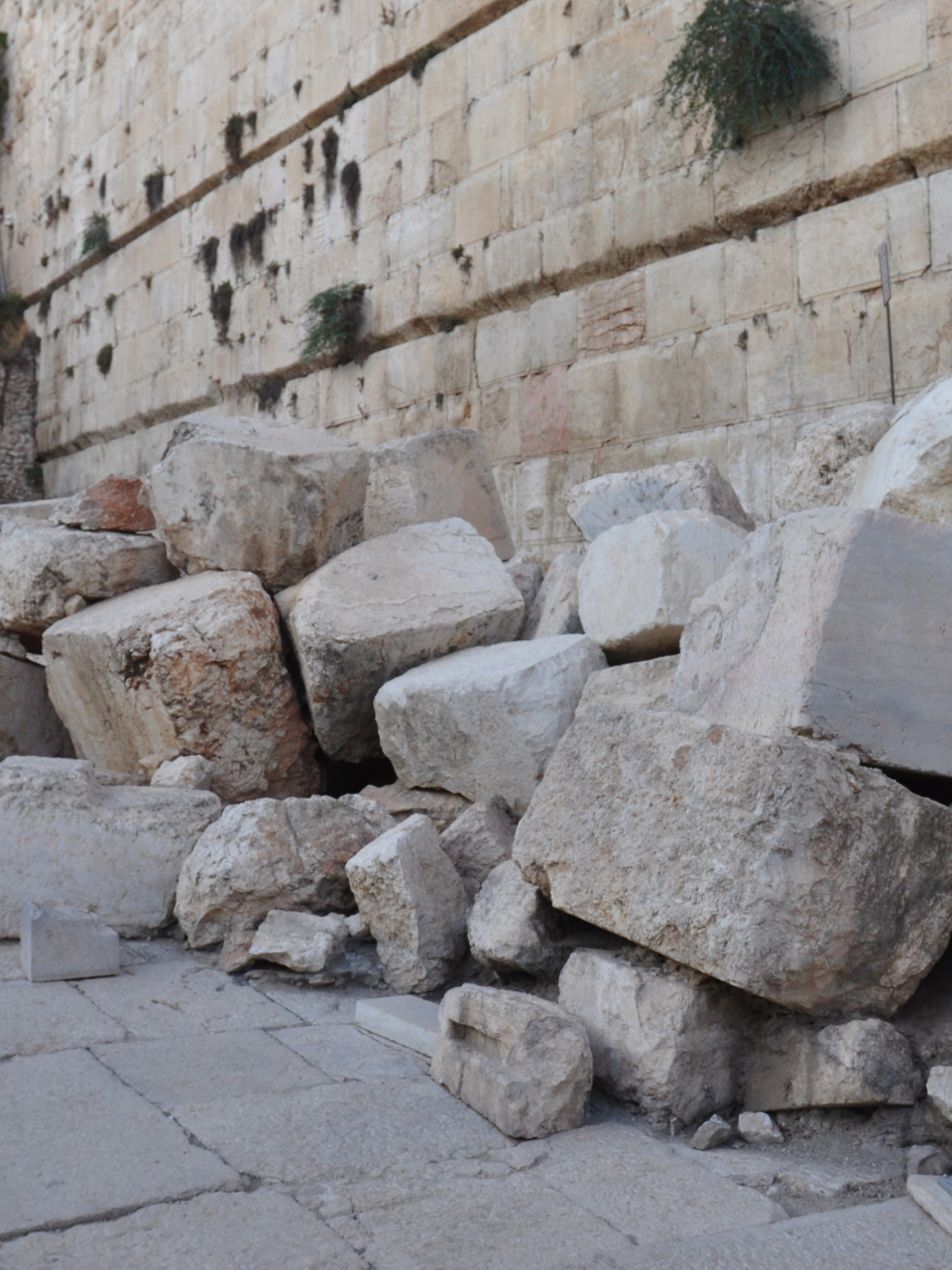
Today the popular place is on the Herodian street that runs along the Western Wall, among the massive stones that were pushed from the wall by the Romans almost 2000 years ago, a silent reminder to the destruction of the Second Temple and the downfall of Jerusalem.

We celebrated our son Uriel becoming a bar mitzva by organizing a trip to Peru with close friends, hiking for 4 days along the Cuzco trail to the sacred Inca site of Machu Pichu. We carried a Sefer Torah with us which we read on Monday and Thursday on the trail, on Rosh Hodesh (the new month) at Machu Pichu and on Shabbat back in Cuzco.

Some families decide to celebrate with family and friends in Israel and have climbed the Snake Path to the top of Masada at sunrise, as a sort of physical rite of passage and celebrated a bat mitzva in the ancient synagogue or one of the rooms in the casement wall used by the Zealots. You might like to celebrate a bar or bat mitzva within the ruins of one of the ancient synagogues, for example at Baram or Korazim in the Galilee or at Herodium.

Besides it being meaningful to experience Israel as part of becoming a bar or bat mitzva, friends and family can explore and enjoy the sites and nature of Israel and feel the connection between the Torah reading and the land. As Reb Shlomo Carlebach used to say, “The Torah is a commentary on the world and the world is a commentary on the Torah“.

Not every guide is able to make all the arrangements necessary for a bar or bat mitzva celebration in Israel – provide a Sefer Torah, take professional photographs, arrange the prayer service, do the guiding that makes Israel part of the experience. I handle the logistics and you get to experience a memorable time. I would be happy to help you arrange your bar or bat mitzva in Israel, just contact me.

Here are some of the photos that I took at Rachel’s bat mitzva in the summer.


Wildflowers, before the rain

One of the things about taking a tour of Israel is that you get to see a lot in a small amount of space. Because Israel is located on the land bridge that connects Europe, Asia and Africa it has some of the best features of each. Although it only extends from the Mediterranean Sea to the Jordan River in the Great African Rift Valley and from the Red Sea to mountains in the north it has a diversity of climates and habitats. These unique conditions are the main cause for the rich diversity of Israeli flora, more than 2500 species (compared to 1500 in the British Isles for example which is 10 times the size).
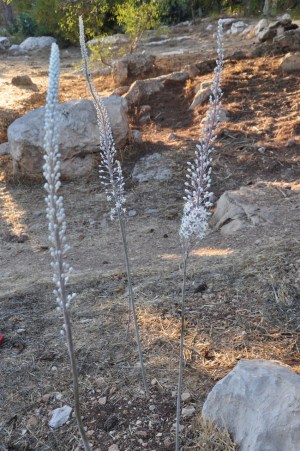
The Sea Squill (Urginea maritima, חצב מצוי) is a perennial of the lily family with a large poisonous bulb. The squill is one of ten species of plants called geophytes which bloom before the rains in Israel, in the driest part of the year and are a harbinger of winter. You’ll probably find the tall spikes of squill flowering by mid September. I saw some in Jerusalem while running along the tayelet, at the Museum HaTeva (Nature museum) and while hiking in the cliffs above Qumran.


You also won’t see the bright yellow Sternbergia (Sternbergia clusiana, חלמונית, from the same root as yolk of an egg) until just before the first autumn rains – don’t confuse them with the saffron and crocus that come after the first rains. Sternbergia belong to the daffodil family. This image was captured in November in the Yatir forest near Arad. On a hike we found Sternbergia growing in the wadi below Maale Rehavam near Herodium. I was touring in Ramat HaNegev and learned that there are Sternbergia in bloom in the wadi behind the Nahal Boker family farm. Moshe Zohar who lives there told me that this is the southern most point that they grow. I learned from a colleague who did a tour in the Golan that there are Sternbergia blooming below Har Hozek (conceivably the most northern point). If you are interested in touring Israel including hikes to see and/or photograph wildflowers please contact me.

You can check out these two excellent websites, that give you a lot of information about wildflowers in Israel:

http://www.wildflowers.co.il/english/

http://www.flowersinisrael.com/

Golan Vineyards and Wineries

I was on the Golan this week near Har Avital. It was delightful – the weather was superb, the wheat was golden, there were still poppies, the grapevines are blossoming. You can feel the broad expanse of the Golan, it lets you breathe.

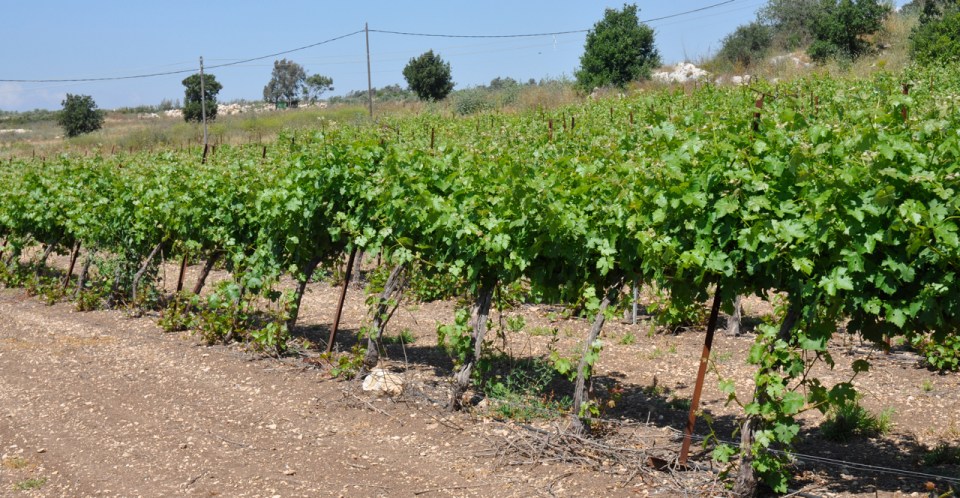
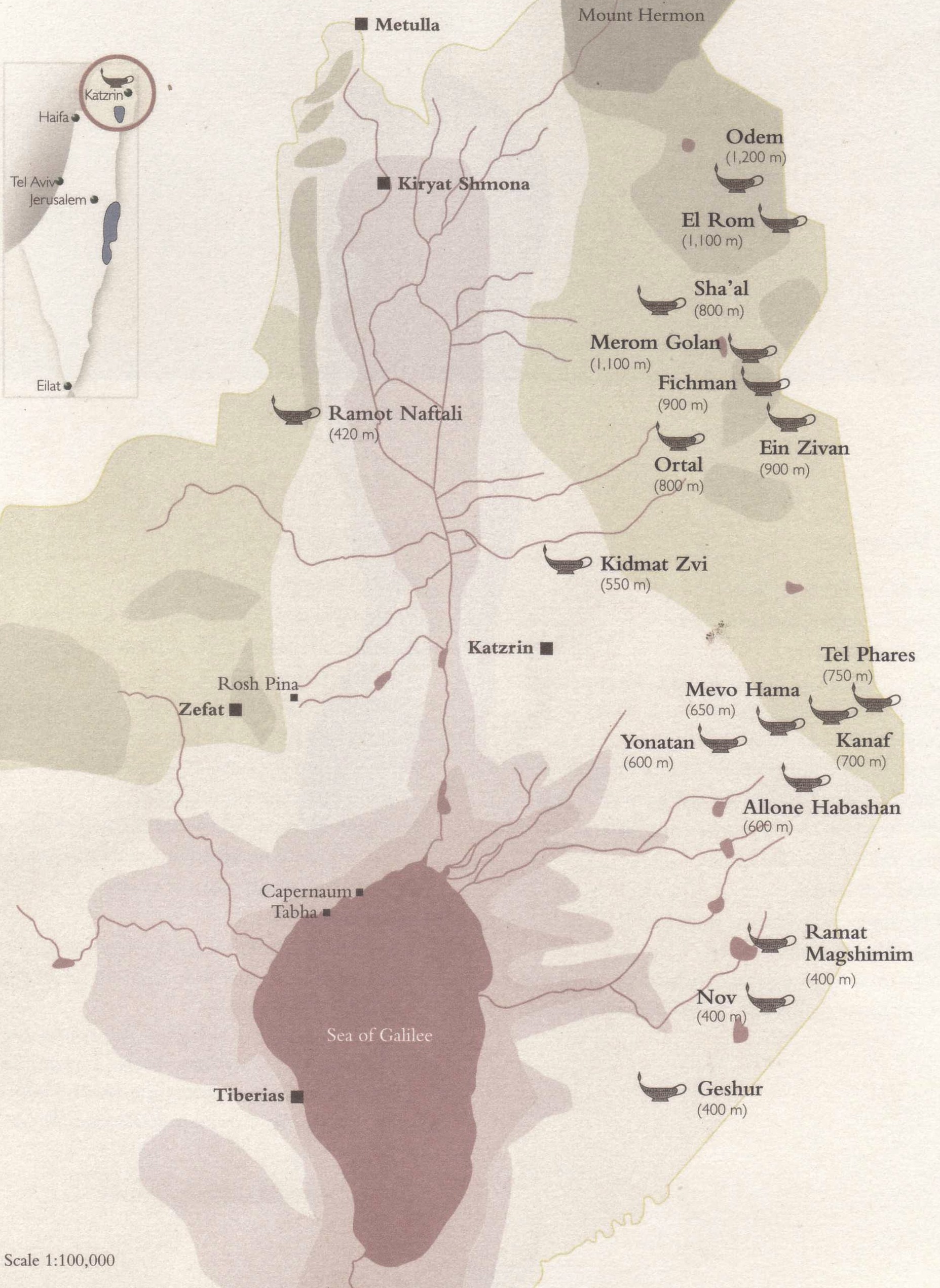
We visited vineyards on the Golan, one growing in a caldera, a large crater caused by the violent explosion of a volcano that collapses into a depression. The caldera creates a different micro climate from the surrounding area. We visited an organic vineyard at Odem and learned about how the growers control aphids and grapevine fan leaf virus using natural methods. We visited vineyards growing around Tel El-Makhfi right beside abandoned Syrian bunkers. The Golan Heights Winery has 16 vineyards on the Golan and 1 in the Galil.

We ended the day with wine tasting (Yarden Blanc de Blancs, Gewurztraminer, Chardonnay, a blend of Pinot Noir, Merlot and Syrah and a Heights wine, their version of iced wine for desert) at the Golan Heights Winery in Katzrin.

Israel with kids

Israel is a great place to visit with kids. The country is small but varied. One day you can be bumping along in a jeep on the Golan Heights with a view into Syria and hear the stories of Israel’s capture of the area during the Six Day War in 1967. The next day you can be riding on a camel across the sands in the Negev, sleeping in a Beduin tent or under the stars. On the Mediterranean coast, in Akko there is a Crusader fortress that was buried in sand by Al Jazar in order to build his citadel that we can explore. At Masada there is a Herodian fortress in the desert later used by Zealots in the Great Revolt against the Romans. There is an opportunity to climb through caves more than two thousand years old, an experience out of “Raiders of the Lost Ark”. In Jerusalem you can walk around the Old City on the ramparts from the time of Suleiman the Magnificent, walk on paving stones that go back to Roman times and even the Second Temple period or walk underground along the length of the Western Wall.

Check out this article by Nancy Better in the May 17th edition of the New York Times, Taking the Kids – In Israel, With a Whiff of Adventure.

All the sites mentioned in the NY Times article can be incorporated into your personalized tour. There are less expensive accommodations for those on a tighter budget.

Wine tour

If you are interested in seeing Israel and nature, wine making and tasting, I would be happy to arrange a wine tour. Today we toured the Carmel area and Lower Galilee with some great views of mountains and valleys visiting 4 wineries: TishbiAmphoraeTulip and Yiftah’el.
DSC_0054

DSC_0055

A wineries tour is a special way to experience a piece of Israel today and learn about Israel in the 1880s and the impact of the Baron de Rothschild on its development.

The Tishbi Estate winery is a family run business established in 1984 offering 4 series of wines: Special Reserve, Estate, Vineyard and Series. The business is based on a tradition going back to 1882 when Michael Chamiletzki arrived in Zichron, settled in the nearby town of Shefeya and started growing grapes commissioned by Rothschild. The winery also makes a fine brandy. There is a kosher dairy restaurant and visitor’s center that besides wine sells a line of fine foods by Oshra Tishbi: wine jellies, fruit preserves, honey, olive oil and tehina (also organic).

DSC_0026

The Amphorae winery is situated by the Maharal River where it crosses the Shirr valley, part of Makura ranch that grows organic Merlot grapes, olives and lichee. The winery buildings of native limestone fieldstone were designed by well-known architect Diego Grasso who has designed wineries in northern Italy.

The Itzhaki family founded the Tulip winery in 2003 on Kfar Tikva, a residential community for adults with disabilities and special needs thereby making it part of a unique project to help enable these adults to reach their full potential. Tulip helps to support and contribute to the community. Tulip sponsored a contest for artwork from people with disabilities and the winning entry graces the label of one of their premier wines. Tulip is located next to Bet Shearim and the Sheikh Abrek ridge where the sculpture of Alexander Zaid, one of the founders of HaShomer (the Watchman organization), overlooks the Jezreel valley.

DSC_0066

Yiftah’el grows its own grapes, more unusual varieties, Petite Sira, Shiraz and Sangovese and makes it wine on Alon HaGalil. The visitor’s centre, which also sells honey from wildflowers, citrus, plum, clover and carob, is housed in a small cabin that was imported from Appalachia by an American who shipped it to Israel when he made aliyah.

It is worth including a visit to Zichron Yaakov, the HaMizgaga museum where no less than Meir Dizengoff (later mayor of Tel Aviv) was in charge of the glass factory making wine bottles and the park at Ramat HaNadiv where the Baron and his wife are buried.

Yatir forest

In 1964 the Jewish National Fund planted tens of thousands of trees in the barren lands just south of the Hebron hills on the edge of the Negev. Today Yatir forest is the largest of Israel’s planted forests, including pine trees, carob and pistachio. In the spring, this is one of the areas where you can see the yellow, crocus-like Sternbergia flower blooming (another place is the wadi below Maale Rehavam, near the site of Herodium).

dscn2506

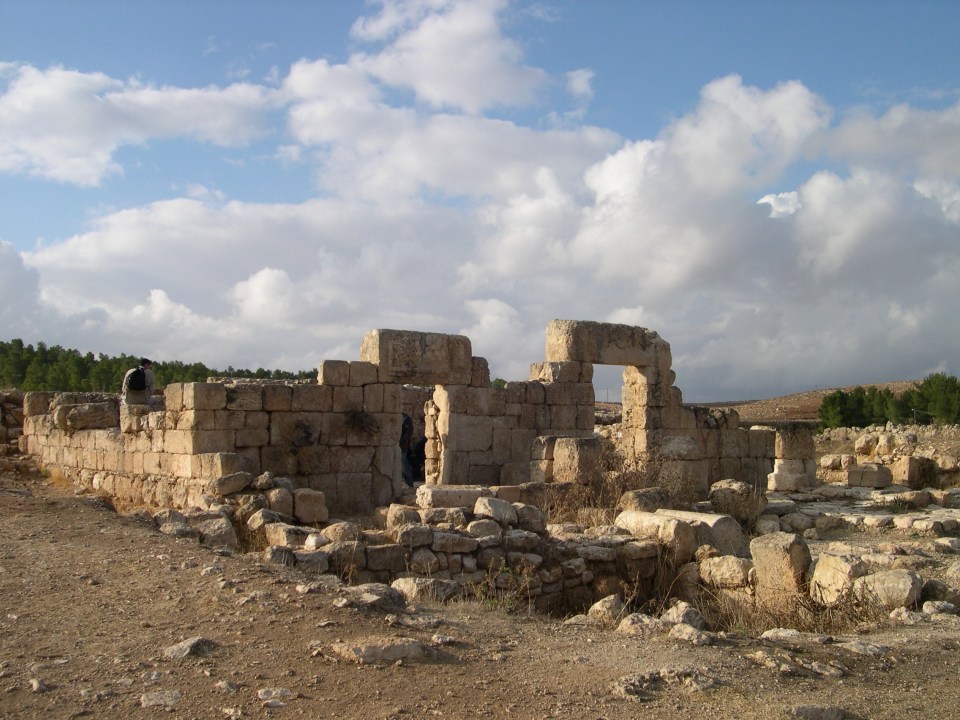
The area includes Jewish and Beduin settlements, a fine winery, vineyards, orchards, agricultural fittings from the 3rd and 4th C and the ruins of a synagogue at Hurvat Anime.
dscn2499

Yatir is just one of the JNF forests and recreational areas. Check their website at
http://www.kkl.org.il/eng/tourism-and-recreation/forests-and-parks/yatir-forest.aspx

Along the trails in the Yatir forest you will see ancient wine presses, cisterns and olive presses, evidence of settlement and wine and oil production 2500 years ago. Tel Arad, another archaeological site that goes back to the Chalcolithic period is nearby. On the upper hill is the only Judean temple discovered by archaeologists to date. The incense altars and two “standing stones” may have been dedicated to Yahweh and Asherah. The Yatir winery sits at the foot of Tel Arad and tours of the winery should be arranged in advance.

Related articles