Author Archives: Shmuel Browns

Unknown's avatar

About Shmuel Browns

I am a tour guide, licensed by the Israel Ministry of Tourism. I do tours throughout Israel, personalized to your interests, time and budget.

Photo of the Week – Jordan River

The Jordan River extends just 251 km from the base of Mount Hermon through the Hula valley to the Sea of Galillee (Kinneret) and then down to the Dead Sea about 422 metres below sea level, which has no outlet (for comparison, the Nile, Amazon, Yangtze and Mississippi rivers are each more than 6000 km long). The children of Israel led by Joshua cross the Jordan river near Jericho from the east to conquer and settle the land (Joshua 3:15-17). The New Testament states that John the Baptist baptised unto repentance in the Jordan and Jesus came to be baptised by him there (Matthew 3:13). Pilgrims can immerse in the Jordan river at the traditional site, Kasr el Yahud, just north of the Dead Sea.

Jordan’s river is chilly and cold, Hallelujah.
Chills the body, but not the soul, Hallelujah.

You can click on the image for a larger view (which may take some time to load depending on your Internet connection). Please share this post with your friends by clicking on the icons at the end of this message.

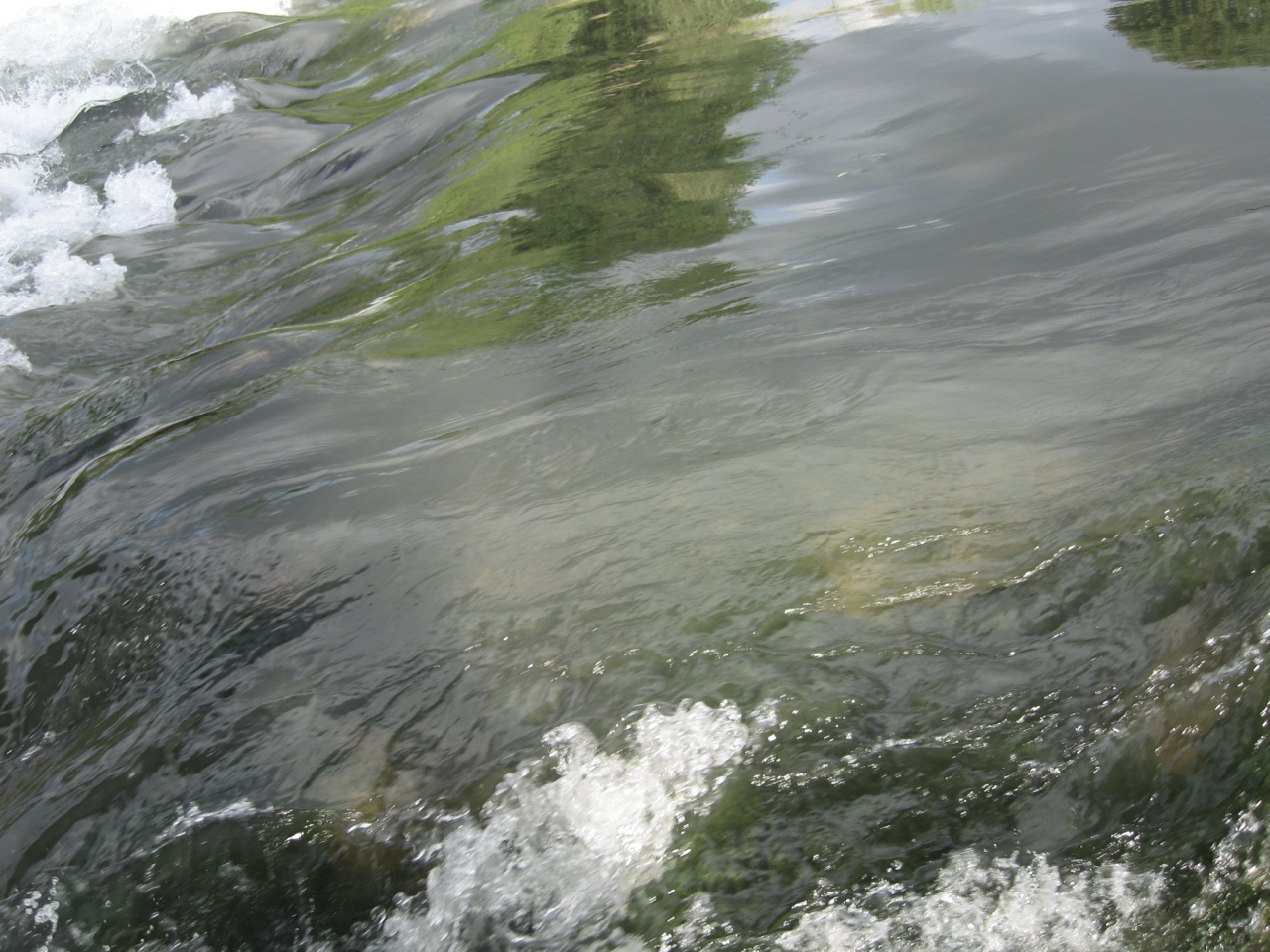
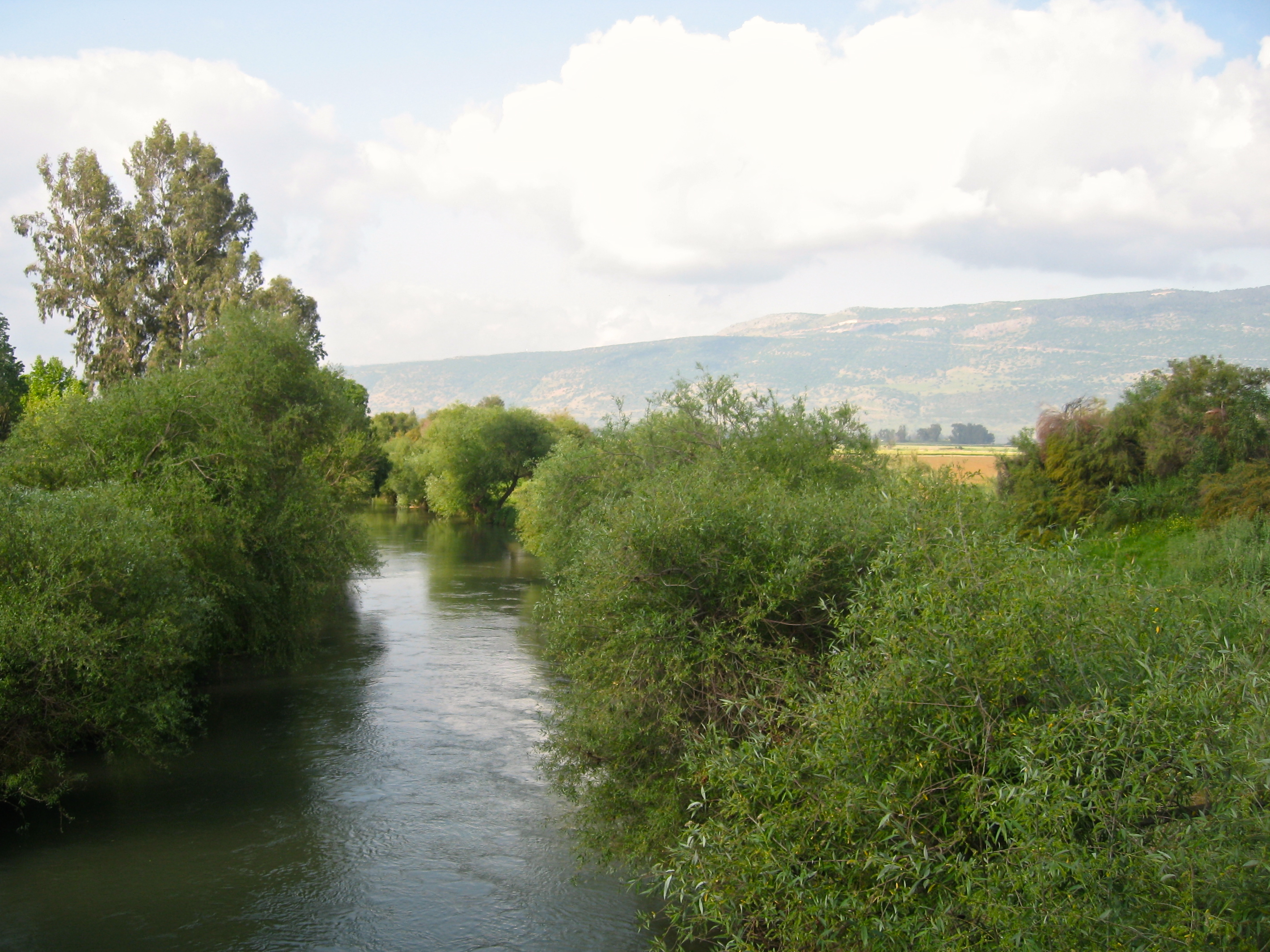
The photo was taken just east of Kfar Blum. The technical details – the photo was taken with a Canon point and shoot digital camera in April (ISO 50, 7.7mm, F2.8 at 1/400 sec).

I’m including a more traditional view of the Jordan River shot at the same time and place.

Photographs on this website are © Shmuel Browns (unless marked otherwise) – if you are interested in purchasing one of my photos or using one of my photos for your own project please contact me.

Sternbergia on my mind

At this time of year I can’t help noticing that the season is changing, we’re on the cusp from Israel’s hot and dry summer to cooler weather and autumn rains (I have even had to start wearing socks). Plants also notice this change. One small flowering plant, with bright yellow flowers (Sternbergia clusiana, חלמונית, from the same Hebrew root as egg yolk) has also noticed the change and pushes a small shoot up through the dry earth and using all its pent up energy blooms. If you know where to go you can see them. One place is the nahal, a dry stream bed, just down from Maale Rehavam, a small Jewish village established in 2001 on land belonging to Nokdim (another settlement in the Gush Etzion area of the West Bank) tucked behind Herodium.

Though Sternbergia looks like crocus they belong to the daffodil family, and are not related to the saffron and crocus that bloom after the first rains. If you are interested in hiking to see and/or photograph wildflowers in Israel I would be happy to take you.

Temple at Omrit—Herod or Philip

Visitors to Caesarea may have noticed the podium where Herod built a Roman temple to Augustus. We know about it from the writings of the Jewish Roman historian Josephus:

“Directly opposite the harbor entrance, upon a high platform, stood the temple of Caesar, remarkable for its beauty and its great size.”

In the 6th century a martyrium was built in its place and in time the site was occupied by a mosque, a widespread practice when one group supplants another. In Sebaste, the Greek equivalent to Augusta, Herod built a Roman temple to the emperor in fact, part of a marble statue of the emperor was uncovered in excavations of the site. We know about the temple from Josephus:

“… in the center of the new town [Herod] erected a vast shrine with precincts dedicated to Caesar 300 yards in length. The town he called Sebaste…”

Josephus continues and reports on a third temple built to Augustus but this time he is less clear exactly where it is located:

“When, later on, through Caesar’s bounty he received additional territory, Herod there too dedicated to him a temple of white marble near the sources of the Jordan, at a place called Paneion. At this spot a mountain rears its summit to an immense height aloft; at the base of the cliff is an opening into an overgrown cavern” (The Jewish War)

“When he [Herod] returned home after escorting Caesar to the sea, he erected to him a very beautiful temple of white stone in the territory of Zenodorus, near the place called Paneion. In the mountains here there is a beautiful cave, and below it the earth slopes steeply to a precipitous and inaccessible depth, which is filled with still water, while above it there is a very high mountain. Below the cave rise the sources of the river Jordan. It was this most celebrated place that Herod further adorned with the temple which he consecrated to Caesar” (Antiquities of the Jews)

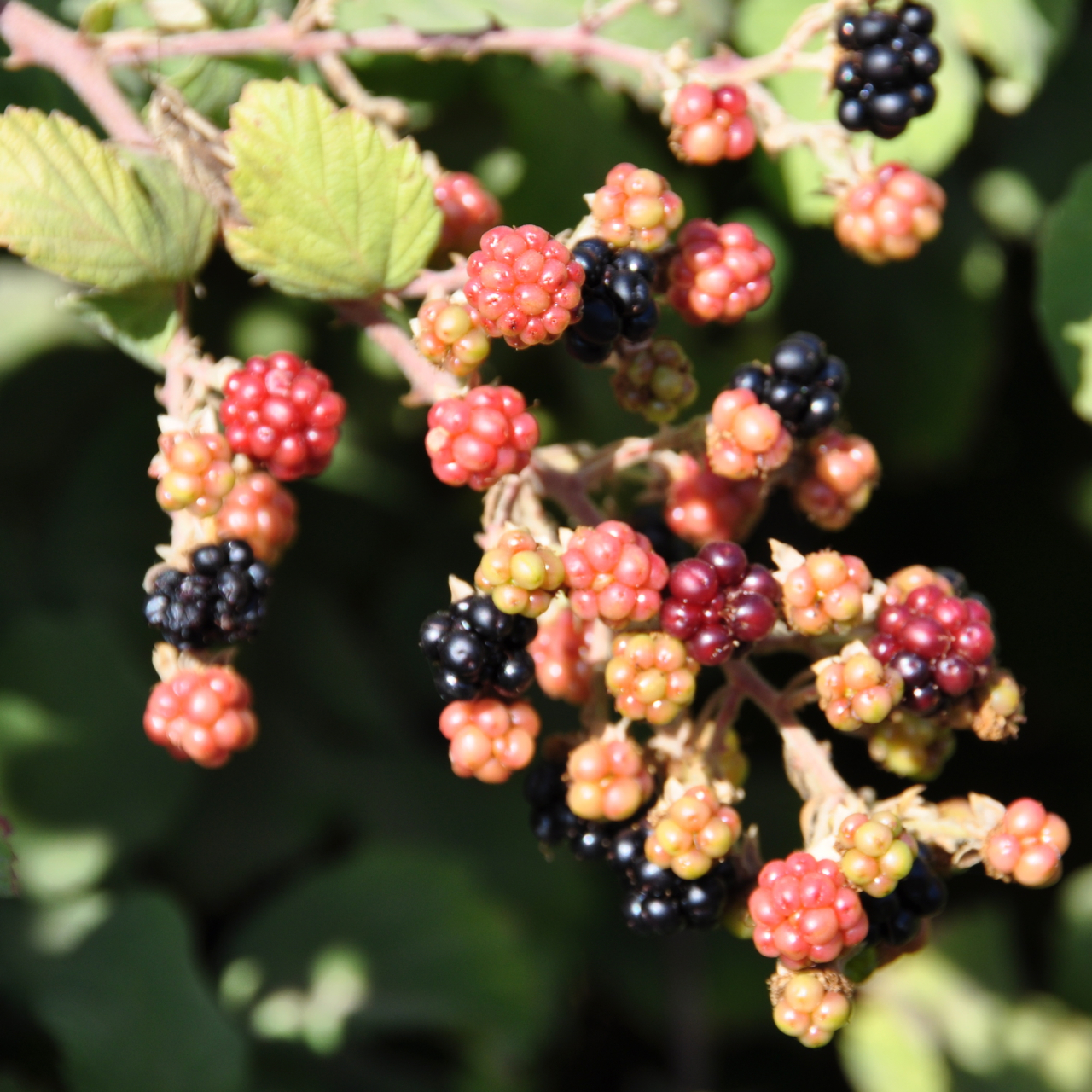
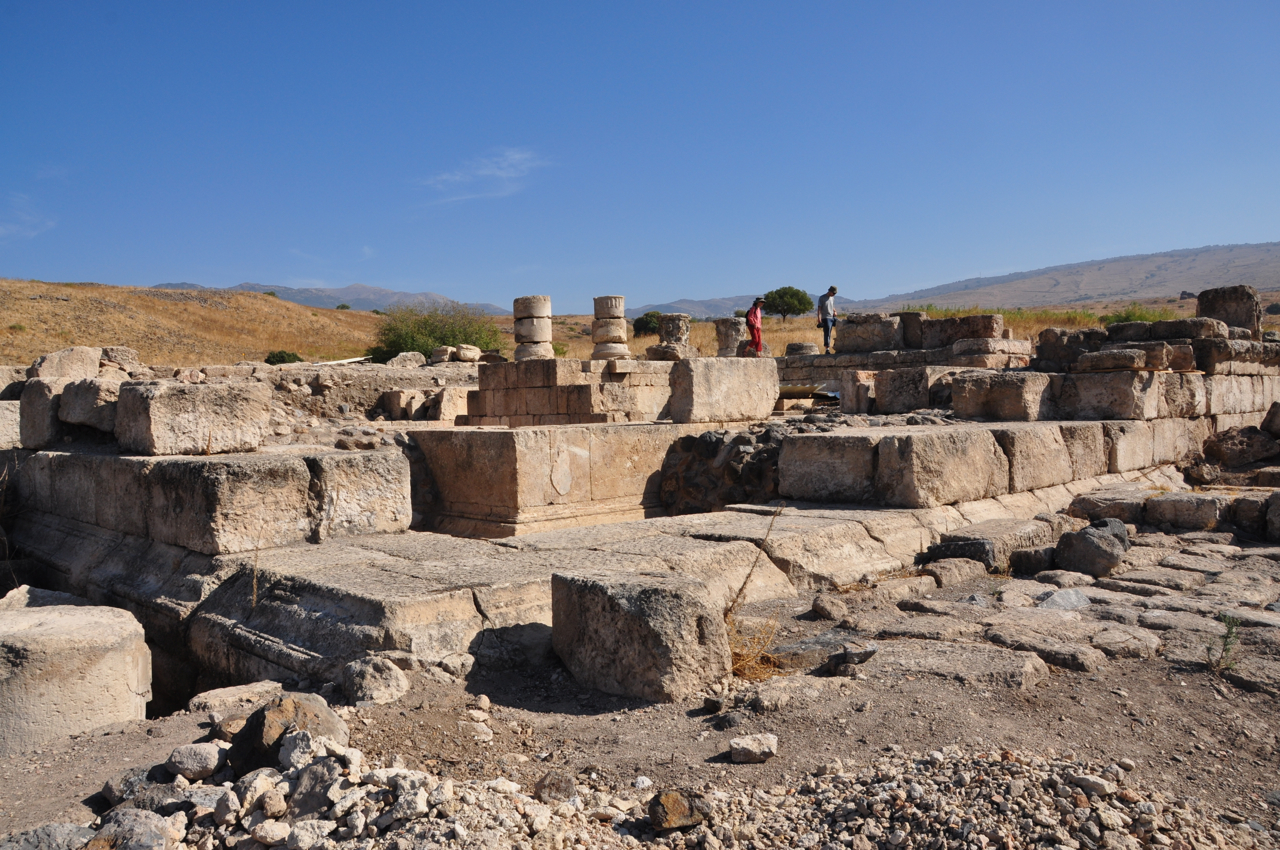
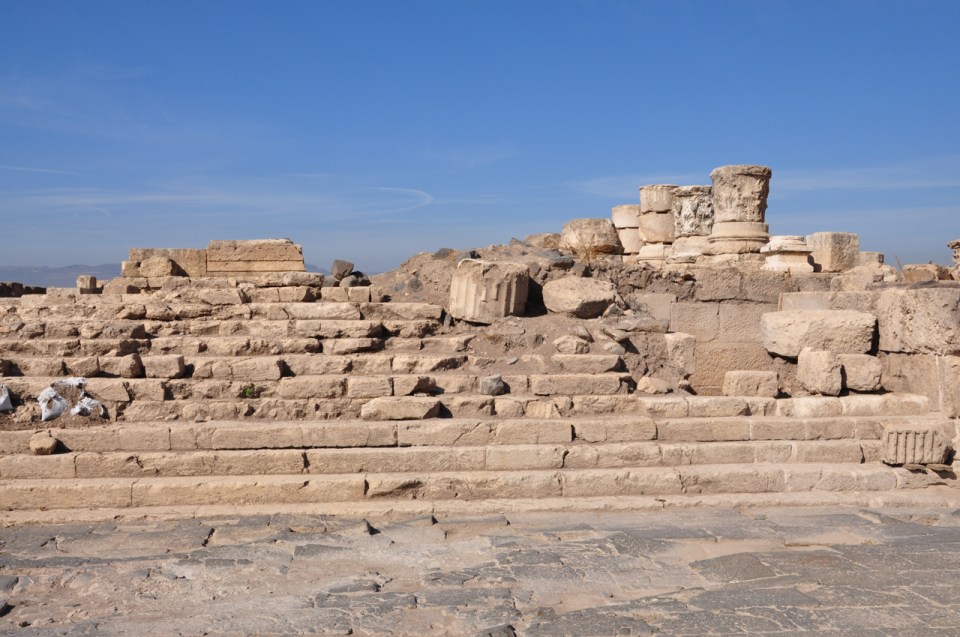
If you follow Josephus’ account then there is little doubt that he’s writing about Banias, near the Cave of Pan. There are few remains there so it is hard to ascertain if the structure was a Roman temple. The majority opinion is that the remains of the building in front of the cave is the temple and based on archaeological evidence, an Augustan-period lamp embedded in the concrete interior of one of the building’s side walls, the building was constructed in the later first century BCE. Professor Netzer holds a minority opinion that the temple was to the left (west) of the cave on a prominent terrace because of the remains of a structure with opus reticulatum (a technique sent from Rome to Judea after the visit of Marcus Agrippa in 15BCE) walls, a Herod signature since the only other two examples are at Herod’s winter palace at Jericho and a circular wall uncovered north of Damascus gate that Netzer claims encloses Herod’s family tomb; some pottery remains could also be dated to the time of Herod. Last week I visited the archaeological site Omrit about 4 kilometers southwest of Banias. The site was first exposed by a brush fire in the summer of 1998 and excavations have been ongoing for ten years. Just as we crossed the stream to enter the fenced area of the site we came across a tangle of blackberries, ripe and delicious. I always try to add tastes when I’m guiding. In Roman times Omrit stood just south of the Scythopolis-Damascus road, a main route. Excavations uncovered a prostyle-tetrastyle temple measuring 25.22 meters by 13.16 meters with stairs leading up to four columns in front of the temple. The height is estimated to be 22 meters. The podium is a perfectly drafted, polished, mortarless structure made of ashlars—a signature of Herod’s grand building style. The temple’s plan reflects the type of Augusteum for celebrating the imperial cult that was common in the period. Similar temples were found at Pula, in Croatia, at Nimes, in the south of France and Pompei, in Italy; however, there were also variations in the model. Based on pottery and coins found the temple has been dated to the end of the 1st century BC. In a second phase, it was enlarged to a peripteral plan with 26 columns probably by one of the Agrippas or by Emperor Trajan at the end of the 1st century CE. The temple was destroyed by the earthquake of 363CE and a small chapel was built of stones in secondary usage at the beginning of the Byzantine period.
Aphrodite

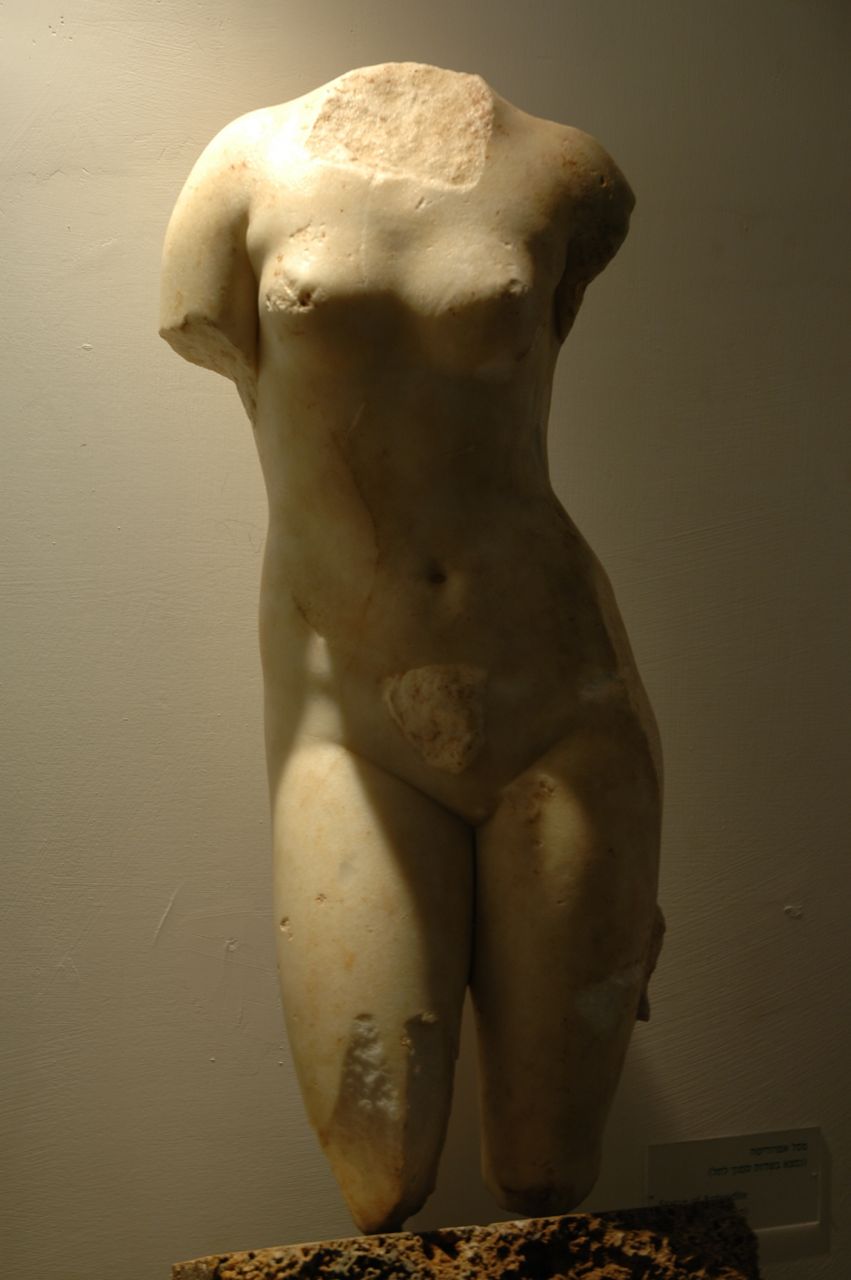
Besides the architectural elements of the temple, bases, column drums, Corinthian capitals , architraves, friezes and cornices which constitue the bulk of the major finds, fragments of statuary and inscriptions were also recovered, one which may make  reference to Aphrodite.

A marble statue was found in the fields at the foot of nearby Tel Dan (on display at the Ussishkin museum) which may have stood in the temple at Omrit. The facade of the temple is similar to what is seen on coins minted by Herod Philip – the question is whether these coins depict Herod’s temple to Augustus or a later impressive temple built by his son to mark the edge of his new city of Caesarea Philippi.
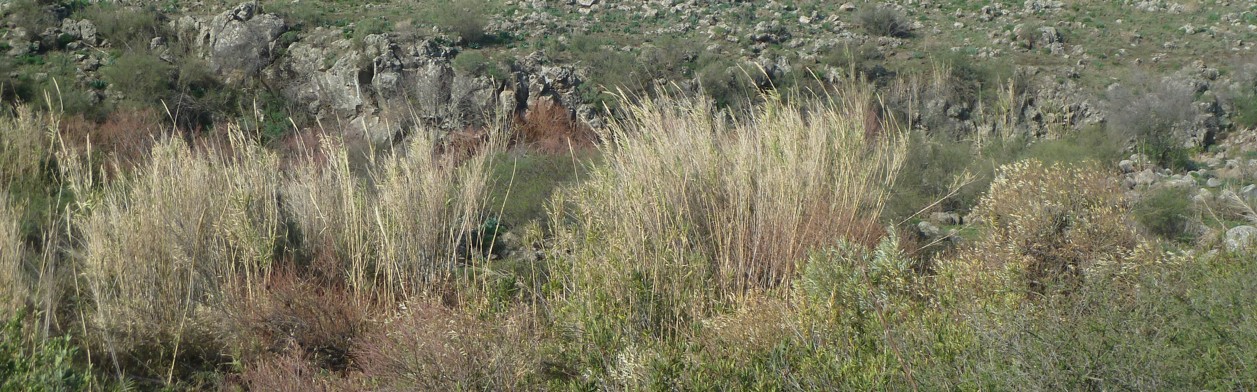
Probably very few people have visited this site although it is in the middle of the country, on the edge of the Yatir Forest in the northern Negev, the largest planted forest in Israel. You can click on the image for a larger view (which may take some time to load depending on your Internet connection). Please share this post with your friends by clicking on the icons at the end of this message.

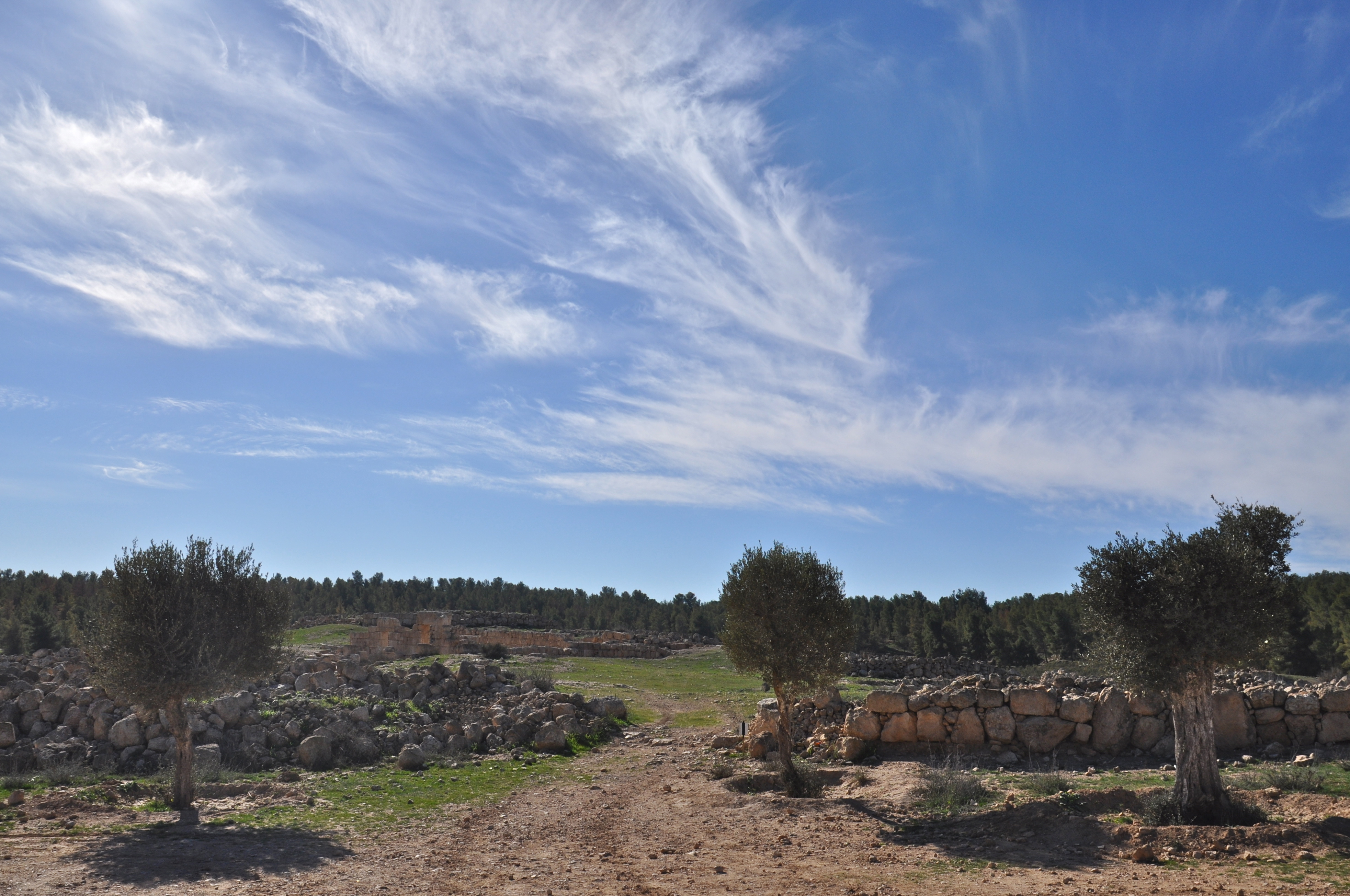
The photo was taken at Khirbet Anim – olive trees with the ruins of a 4thC synagogue in the background. The technical details – the photo was taken with a Nikon D90 DSLR camera on January 7 (ISO 200, 18mm, F10 at 1/400 sec).

For a closer view of the ruins of the synagogue see my post at https://israeltours.wordpress.com/2009/03/22/yatir-forest/

Photographs on this website are © Shmuel Browns (unless marked otherwise) – if you are interested in purchasing one of my photos or using one of my photos for your own project please contact me.

Native Trees, Wooden Boat

In 1986 two brothers, themselves fishermen, discovered the remains of an ancient wooden boat buried in the mud on the shore of the Sea of Galilee near Migdal. The 7-meter-long boat has been dated to 40 BCE (plus or minus 80 years) based on radiocarbon dating and 50 BCE to 50 CE based on pottery (an oil lamp and cooking pot) and nails found in the boat, as well as hull construction techniques. The boat is now on exhibit at the Yigal Allon Center at Kibbutz Ginnosar.

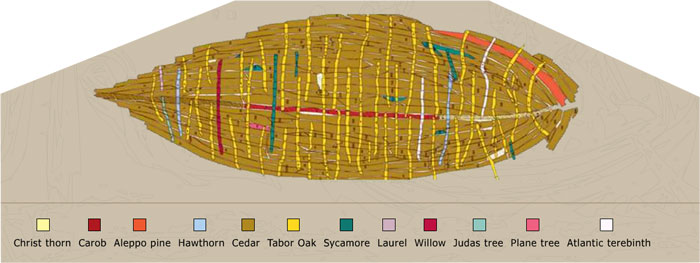
The ship’s deep, round stern and bow are of fine design, and the planks were affixed to the shell with mortise and tenon joints, locked into place with tapered hardwood pegs. The superior quality of the construction shows that the boat builder was an excellent craftsmen. The boat was constructed of Lebanon cedar with Tabor oak used for the framing. The evidence of repeated repairs shows the boat was used for several decades, perhaps nearly a century. Numerous types of wood were used, a profusion of native trees – Christ Thorn, Carob, Aleppo pine, Hawthorn, Sycamore, Laurel, Willow, Judas tree, Plane tree and Atlantic Terebinth.

Lebanon cedar (Cedrus libani) is a coniferous tree that grows to 40 m tall. The trees were used by the Phoenicians for building commercial and military ships, as well as houses, palaces, and temples. Foreign rulers from both near and far would order the wood for religious and civil building projects, the most famous of which are King Solomon’s Temple in Jerusalem and David’s and Solomon’s palaces. Because of its significance the word cedar is mentioned 75 times in the Bible.

Tabor oak (Quercus ithaburensis) is a deciduous tree that may reach a height of more than 10 meters. A famous group of large, old oaks can be seen at Hurshat Tal. Eurasian Jays (Garrulus glandarius) like to eat the acorns and bury some in the soil as a cache, which turns out to be the proper depth from which they can germinate and grow into a new oak.

Over the years when repairs had to be made a variety of woods were used:

  1. Christ Thorn (Paliurus spina-christi) is a deciduous shrub or small tree growing to 3–4 m tall. The name reflects the view that the spiny branches were used to make Jesus’ crown of thorns.
  2. Carob (Ceratonia siliqua) is a species of flowering evergreen tree growing to 10 m tall in the pea family, Fabaceae. It is widely cultivated for its edible legumes, the seed pod is crushed and used as ersatz chocolate. Most carob trees are dioecious, meaning separate male (male flowers, produce a characteristic odour, reminiscent of semen) and female (flowers that are pollinated by wind and/or insects become fruit) trees.
  3. Aleppo pine (Pinus halepensis) is  a small to medium-size tree, 15–25 m tall, its leaves/needles appear in pairs (occasionally threes) and its cones are well, narrow conic. The Jewish National Fund has planted the Aleppo Pine extensively in the Yatir forest in the northern Negev, the largest (30 square kilometers) planted forest in Israel. Native forests can be found in the Carmel and Galilee regions.
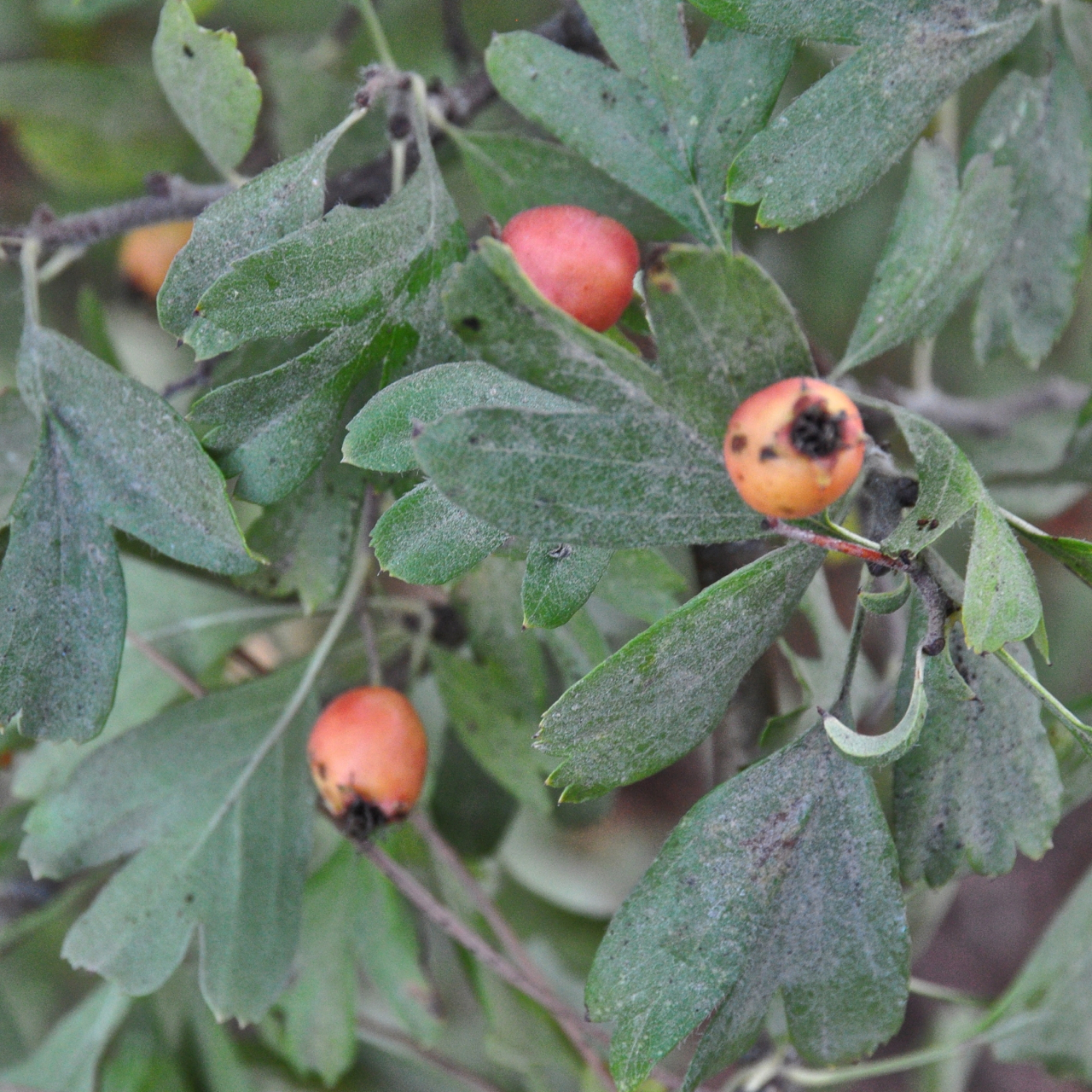
  4. Hawthorn (Crataegus monogyna) is a small tree that grows in oak forests. It has small, edible fruit like rose hips. This tree may be the one described in Song of Songs, “Like an apple tree among the trees of the forest, so is my lover among the young men”.
  5. Laurel (Laurus nobilis) is an aromatic evergreen tree or shrub with green, glossy leaves, native to the Mediterranean region. Its leaves are known as bay leaves used in cooking. The laurel is dioecious.
  6. Willow (Salix acomophylla) comes in 400 varieties (species) of which only a few grow in Israel along river banks. The willow is mentioned as one of the Four Species used on the festival of Tabernacles (Sukkot) along with the palm frond, myrtle and citron. Willows are dioecious.
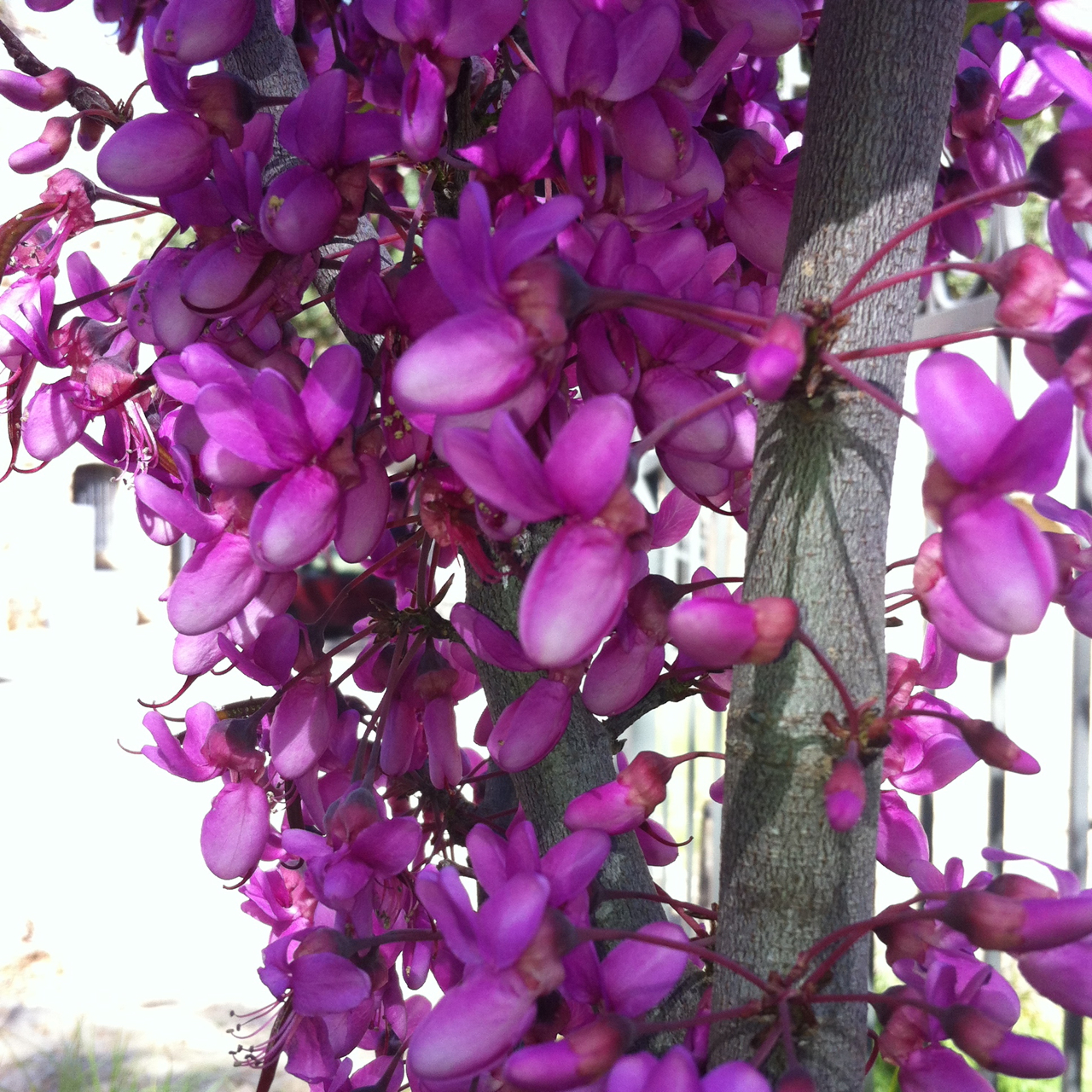
  7. Judas tree (Cercis siliquastrum) is a small deciduous tree with small pink flowers in the spring. The tree gets its name from the legend that Judas Iscariot hanged himself from a tree of this species.
  8. Atlantic Terebinth (Pistacia atlantica, in Hebrew elah) Because of its large size and great age, pistacia trees were planted beside tombs and became well-known landmarks.
  9. Sycamore is a name applied in various times and places to three very different trees. In our case, it is probably Ficus sycomorus, mentioned in the Bible; a species of fig, also called the sycamore fig or fig-mulberry, native to the Middle East and eastern Africa.
  10. Plane tree (Platanus orientalis)is a tall (up to height of 25 meters), deciduous, rapidly growing tree with a thick trunk, with white and green patches. The leaves are large, deeply split into 5 emarginated lobes (common to many species such as the fig, castor oil plant and maples that are not related to each other). In the past people considered it a sacred tree and it was planted in holy places near running water.

 When you’re visiting Kibbutz Ginnosar you can check out these trees as the kibbutz has planted each by the path.

For an interesting read about how the boat was extricated from the mud and preserved see http://www.jesusboat.com/jesusboat-archive/the-galilee-boat-from-jesus-time


For my friend Bob Gottlieb who has built and repaired boats in Maine.

Nahal Peratzim

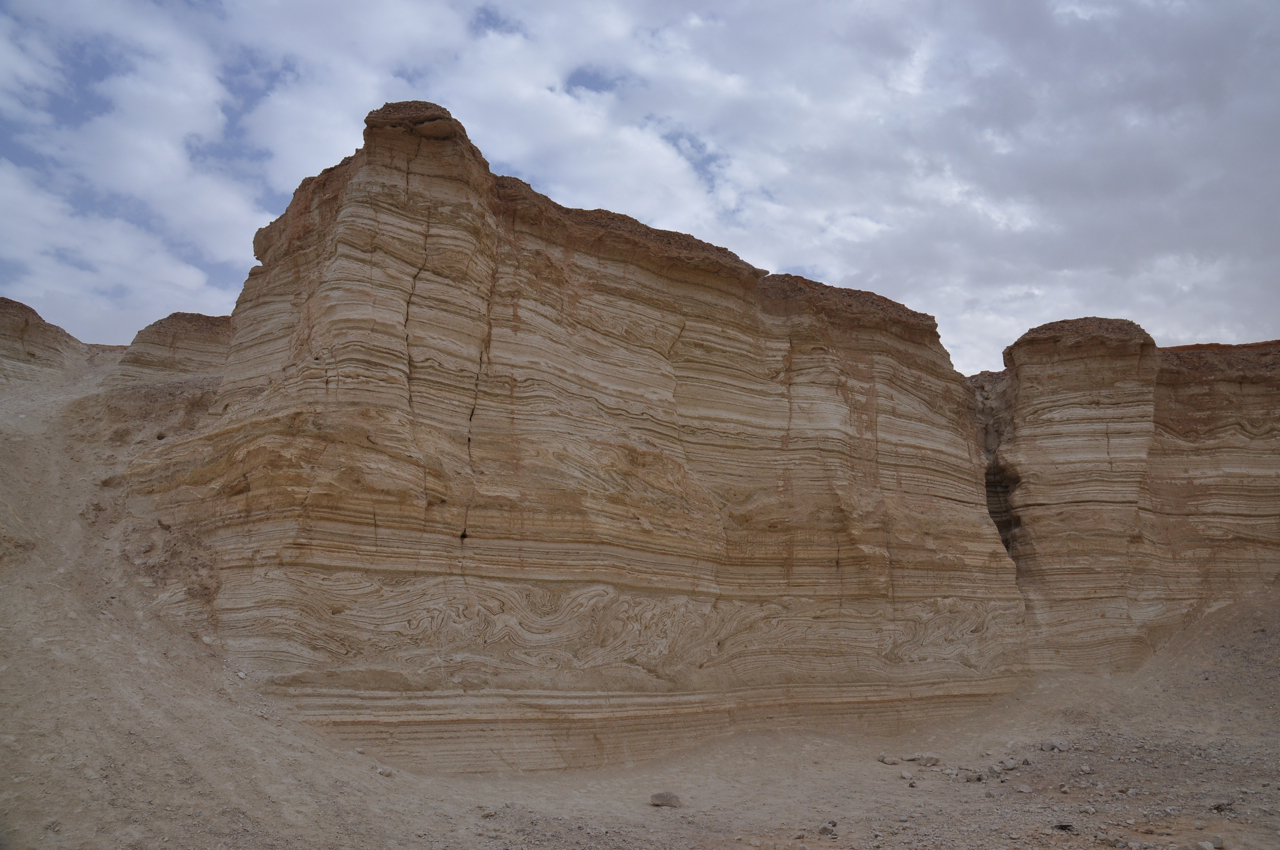
When touring Israel you can’t but be amazed by the diverse geology in such a small country. When visiting Masada notice the spectacular canyons that have been gouged in the lissan marl by floodwaters rushing to the Dead Sea.

Take some time to explore the area by continuing south on highway <90>. Watch for the cutoff across from the Dead Sea Works and pull off onto a well-packed dirt road that will take you to the canyon at Nahal Peratzim.

Continue driving a couple of kilometers across an enormous flatlands, the Amiaz Plain, until you reach a parking lot. Follow the signs to the Flour Cave (though the cave is closed by order of the Parks Authority for fear of collapse).

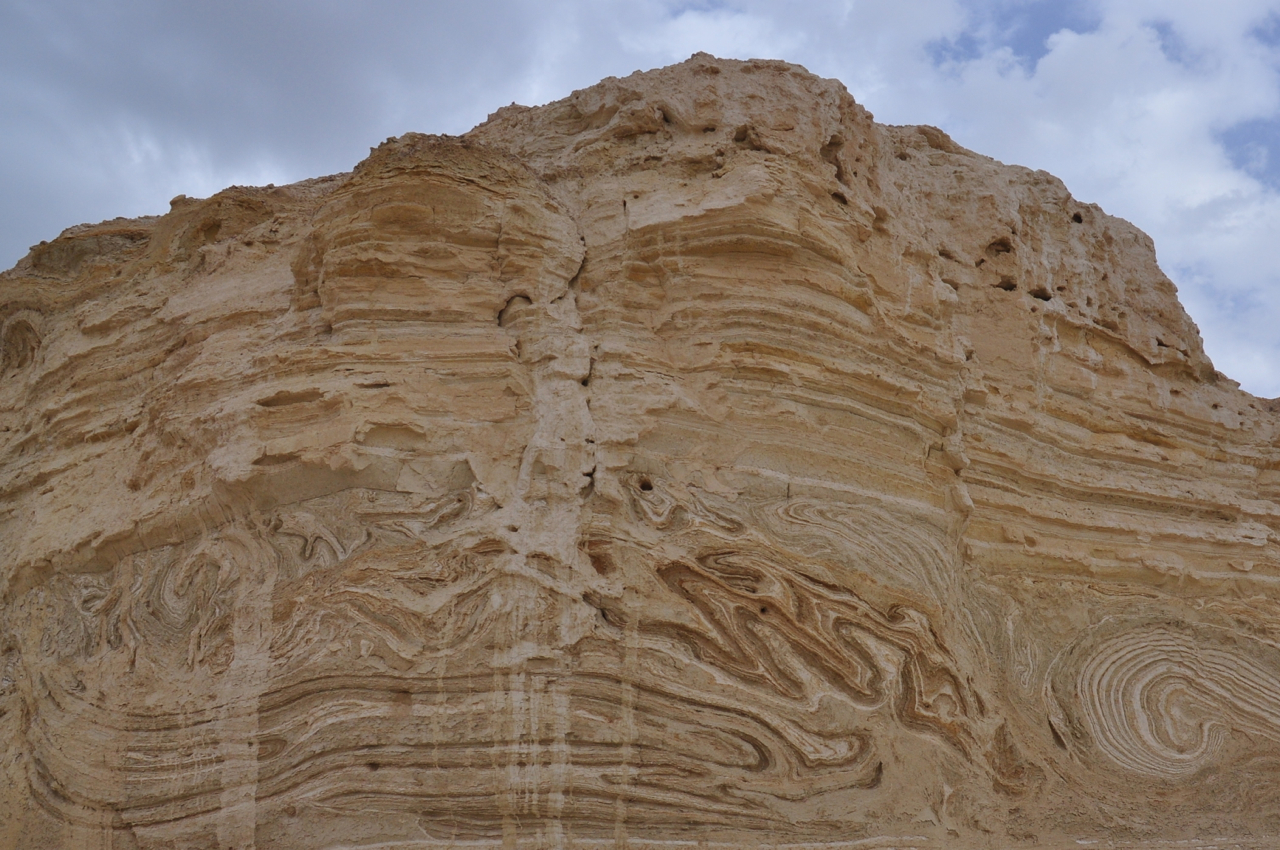
It’s a short walk down into the canyon, a wide, sandy stream bed between high walls of lissan marl. It’s amazing to see the patterns of swirling designs and textures in the walls. We think the layers came about from sediment carried here by flowing streams, the darker colors in years of stronger rains but geologists haven’t come up with an accepted theory why the layers have twisted into such interesting patterns.

The hike is suitable for families and is especially dramatic in moonlight – I’d be happy to take you there. A great place for photographing surreal landscapes.