 This Friday evening is Tu Bishvat, the 15th day of the Hebrew month of Shvat, the new year of trees, one of the four new years mentioned in the Mishna. As a child growing up in Canada, I remember two things about Tu Bishvat: planting a tree and eating dried fruit. At school, we would buy stamps, with leaves printed on them, for 10 cents each and stick them on a page with an image of a tree. When we had stuck on 18 leaves and our tree looked good, the money collected was given to the Jewish National Fund (JNF) and a real sapling was planted in Israel. Coming in the midst of a Canadian winter it seemed a little strange to think about planting a tree.
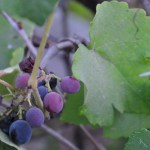


There are 7 species mentioned in the Bible as native to the land of Israel, two grains, wheat and barley and five fruit. According to a mystical tradition from Tzfat these are to be eaten at a Tu BIshvat seder. In Canada there were no grapes, figs, or pomegranates, maybe olives and dates but not from Israel. If there were almonds they were from California, oranges from Florida. The one “fruit” that we could get from the Mediterranean, in an Italian shop in the Byward market, was bokser, the brown, hard pods of the carob and so that is what marked the holiday of Tu Bishvat. Growing up in Canada I never saw any of these fruit trees.
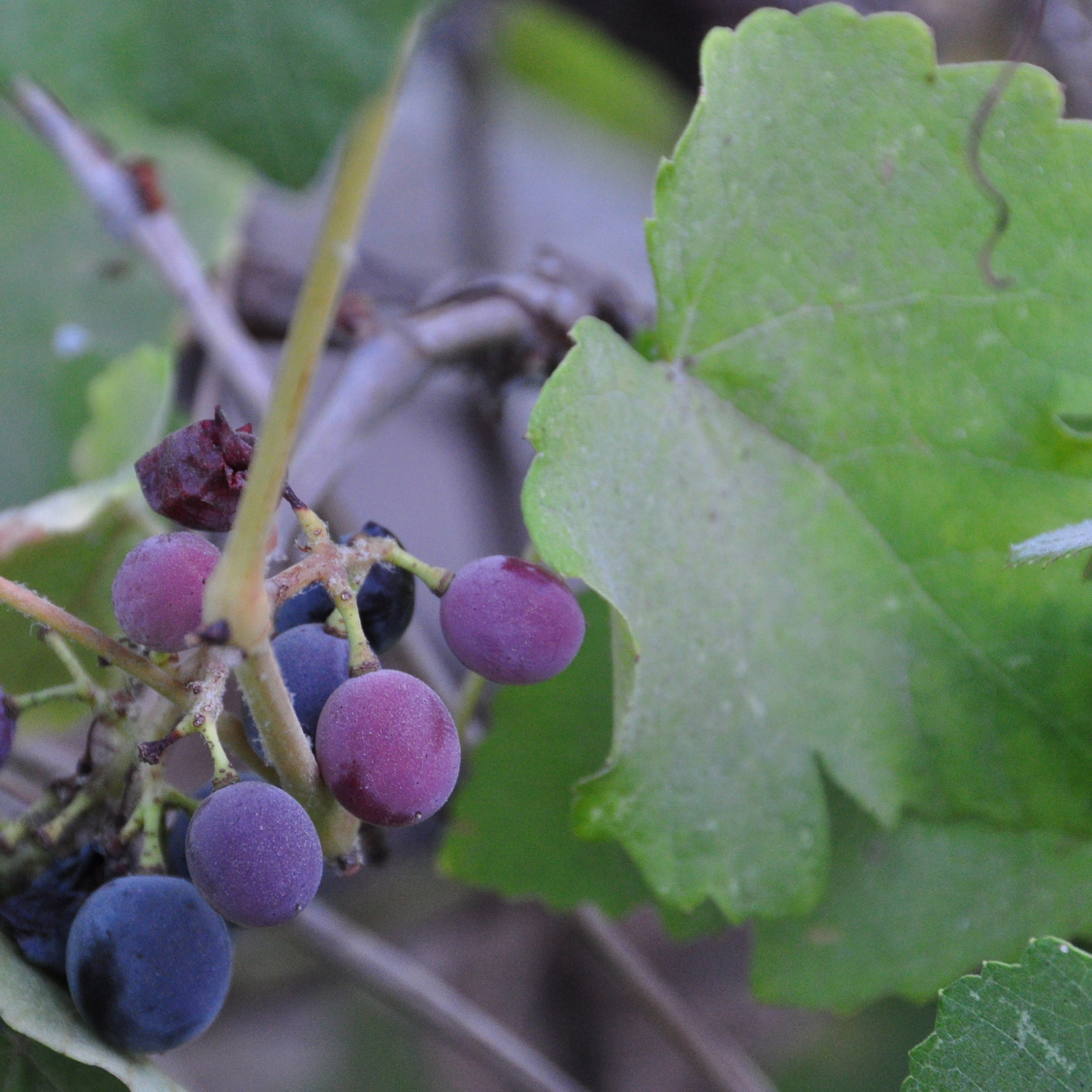
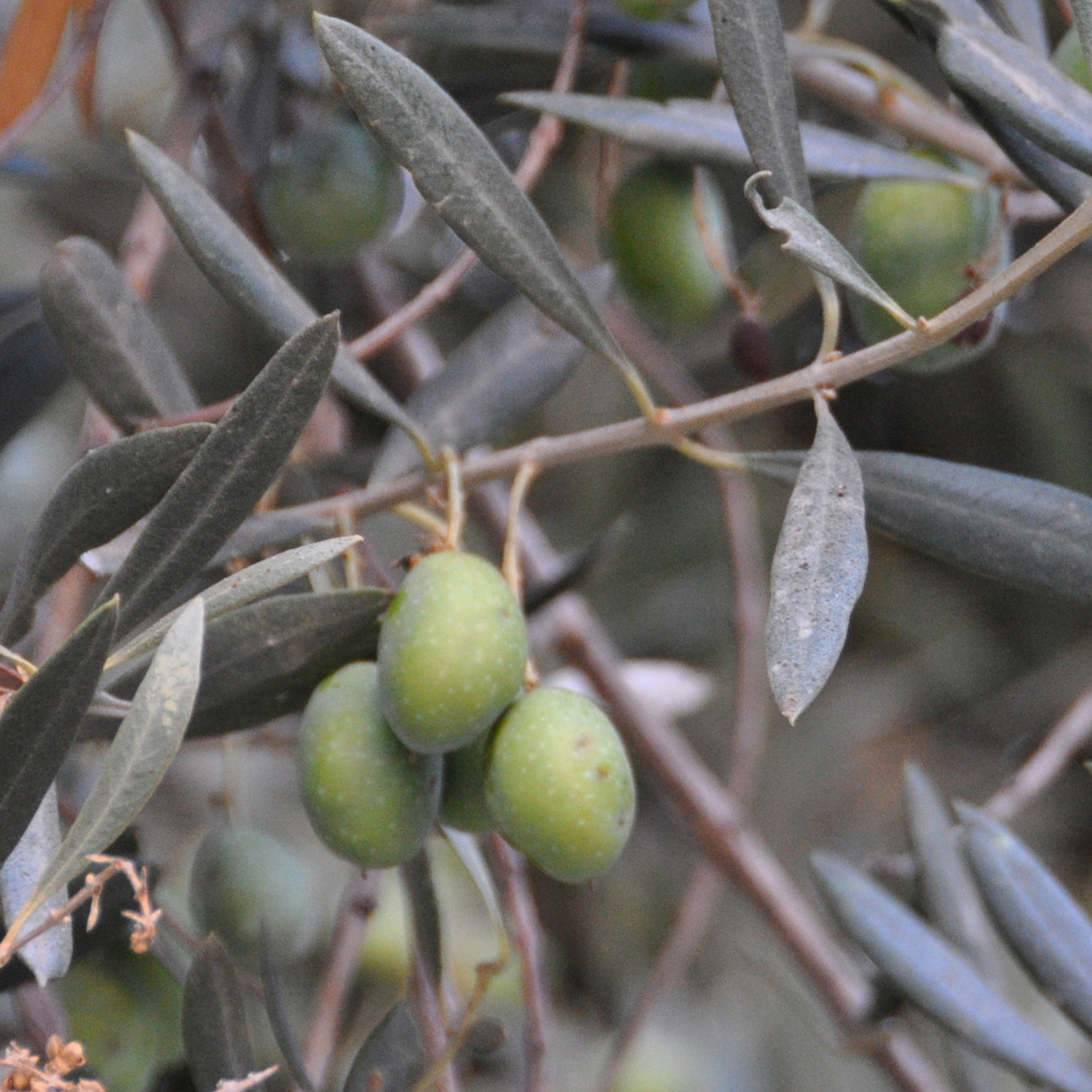
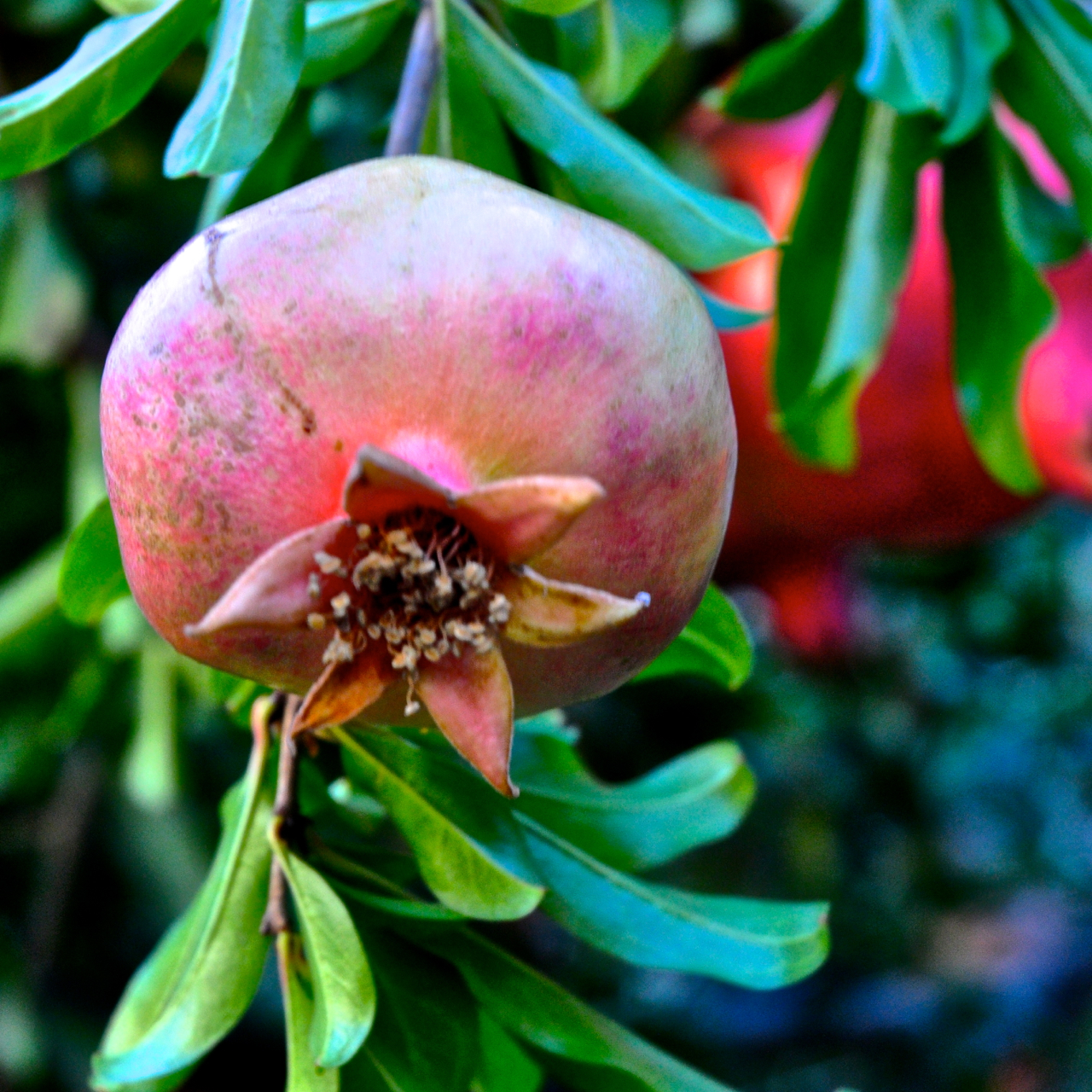
Now I live in Israel, but more significantly my children have grown up here with a grape vine, fig, pomegranate and olive trees in our small garden. There are date palms, almond and carob trees in our neighborhood. Though it snowed last week, the weather is warming up and you can plant a tree in January. The almond trees are blossoming.
 In the 1950s, the JNF cultivated carob trees on 50,000 dunam in the Park Britannia and Ben Shemen forests as fodder for Israel’s milk cows but the plan didn’t work out. If cows ate carob pods would they give carob milk?
 Most carob trees (Ceratonia siliqua) are dioecious, meaning there are separate male and female trees (date palms and persimmons are two other examples). The male tree has a reddish flower that blooms in October, with a smell reminiscent of semen. The female tree has flowers that when pollinated by wind or insects become the fruit. It’s actually a little more complicated since you can find some carob trees that have both male and female flowers, specifically in the case that one tree is isolated from other carob trees. It seems that carob trees can also change their gender during their lifetime.
Interestingly, the carob tree is not mentioned in the Bible, only in the Mishna and Talmud. One opinion is that the carob was not native to Israel but was brought here in the 2nd century.
There is a story in the Mishna about the sage, Honi HaMa’gel, who was walking along the road and saw an elderly man planting a carob tree. Honi asked him how many years it takes a carob tree to give fruit. The man replied, “70 years”. (Actually, it takes 4-6 years). Honi asked why he was planting a fruit-bearing tree when he would not live to eat its fruit. The man replied, “Just as my ancestors planted trees for me, I am planting for my grandchildren”.
With Tu Bishvat coming a few days after national elections in Israel, it is appropriate to retell the story. It is incumbent on our generation to leave the world a better place for our children.
Just in time for Tu Bishvat – my brother Baruch called excitedly to tell me that his book for the iPad, The Natural Bible: Encyclopedia of Judaism & Nature is available on the Apple iBookstore for download. From the website at http://thenaturalbible.weebly.com:
For anyone interested in Bible study, nature, the environment or religion, this unique and valuable resource elucidates the connections between the Bible and Jewish tradition and the natural world.

 You can click on the image for a larger view (which may take some time to load depending on your Internet connection). Please share this post with your friends by clicking on the icons at the end of this message.






 Israel Tours