Author Archives: Shmuel Browns

Unknown's avatar

About Shmuel Browns

I am a tour guide, licensed by the Israel Ministry of Tourism. I do tours throughout Israel, personalized to your interests, time and budget.

From Israel – what to call this?

This week I’m trying something new, a post of some of the interesting things I’ve discovered as a guide this week. If anyone has a good idea what to call this post, leave a comment.

Hansen “Leper” Hospital  The old Hansen “Leper” hospital built by Conrad Schick in 1887 has an interesting exhibit “Behind the Walls” of the history of the place. Plans are underway to turn the hospital into a municipal cultural center, a meeting place for the arts, media and technology.

Jerusalem Train Station  Work continues on the 19th-century abandoned Jerusalem train station to be transformed into a cultural and culinary complex, which developers promise will be open on Shabbat and will serve non-kosher food. “There is something a little kitschy when you try to reconstruct the feeling of the past,” says architect David Kroyanker, but he adds, “The fact is that it attracts people.” from Haaretz

Archaeology Tour  Popular Archaeology is organizing an extraordinary archaeological tour of Israel in April. I’m the guide! Among the highlights will be a visit to the new exhibit at the Israel museum, Herod the Great: The King’s Final Journey.
Additional incentive, if you enjoy taking photographs, submit your best ones to win up to $1000. – plenty of photogenic opportunities, for example, the ruins of a Roman temple on night of a full moon and partial eclipse.
More details at http://popular-archaeology.com/page/archaeological-travel-tours

Shroud of Turin  Fascinating exhibit on the Shroud of Turin at Notre Dame across from New Gate. Also an incredible view of the Old City from their wine and cheese bar on the roof.

Almonds BlossomsCherry Blossoms 桜花見  Just past Tu Bishvat, the New Year of Trees and the almond trees are blossoming. Jerusalem Botanical gardens reports that the Japanese cherry trees behind the visitors center are in bloom. While you’re there check out the newly renovated Bonsai section.

Dead Sea Scrolls  Israel Antiquities Authority and Google announced that 5,000 Dead Sea Scroll fragments found in Cave 4 at Qumran have been digitized at high-resolution and are now available on the Internet. These include fragments containing the Ten Commandments and sections of Genesis, that recount the first three days of creation. I learned that there are more than 100 fragments of documents in Greek as well. Check out the excellent website at http://www.deadseascrolls.org.il/
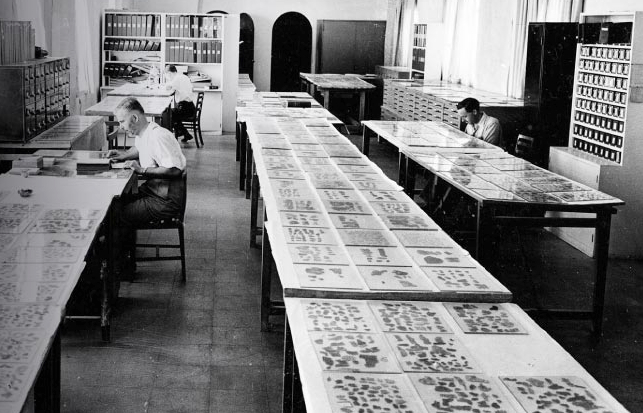
Scrollery room at Rockefeller museumAmazing since for years these fragments were at the Rockefeller museum, only accessible to a few scholars and now they are viewable from the comfort of your home.

Christ Church Exhibit  Not everyone knows about the exhibit at Christ Church that includes some Conrad Schick models, one of Haram al-Sharif (~1:125) and photographs and mementos of Jerusalem’s Old City from the turn of the century. Look closely at this photo to make out part of the sign of VESTER & CO.

In 1904 Bertha Spafford married Frederick Vester, whose father’s curio shop in Jerusalem had recently been bought by the American Colony. Renamed “Fr. Vester & Co., The American Colony Store,” the business greatly expanded its clientele and range of offerings to include photographs and collections of antiquities.

Jerusalem Old City ~1900

Jerusalem Old City ~1900

Photo of the Week?

This week’s photo was taken somewhere in Israel. I think it’s an interesting photo because the blue contrasts with the stone. If you take away the strong blue of the Israel/Mediterranean sky it’s pretty much monochrome, the Jerusalem stone buildings are all one tone. The great Louis Armstrong sings “I see skies of blue, clouds of white, bright blessed days, dark sacred nights” – seems like a good description.

Can you recognize where this photo was taken? Leave a comment.

You can click on the image for a larger view (which may take some time to load depending on your Internet connection). Please share this post via Email, on Facebook or Twitter by clicking on the icons at the end of this message.

SkylineSkyline monoThis photo was taken with a Nikon D90 DSLR camera and 18-70mm lens on November 21st,  (ISO 200, 24mm, F11 at 1/500 sec).

Photographs on this website are © Shmuel Browns (unless marked otherwise) – if you are interested in purchasing one of my photos or using one of my photos for your own project please contact me.

Trees on Tu Bishvat – Carob

Big treeThis Friday evening is Tu Bishvat, the 15th day of the Hebrew month of Shvat, the new year of trees, one of the four new years mentioned in the Mishna. As a child growing up in Canada, I remember two things about Tu Bishvat: planting a tree and eating dried fruit. At school, we would buy stamps, with leaves printed on them, for 10 cents each and stick them on a page with an image of a tree. When we had stuck on 18 leaves and our tree looked good, the money collected was given to the Jewish National Fund (JNF) and a real sapling was planted in Israel. Coming in the midst of a Canadian winter it seemed a little strange to think about planting a tree.

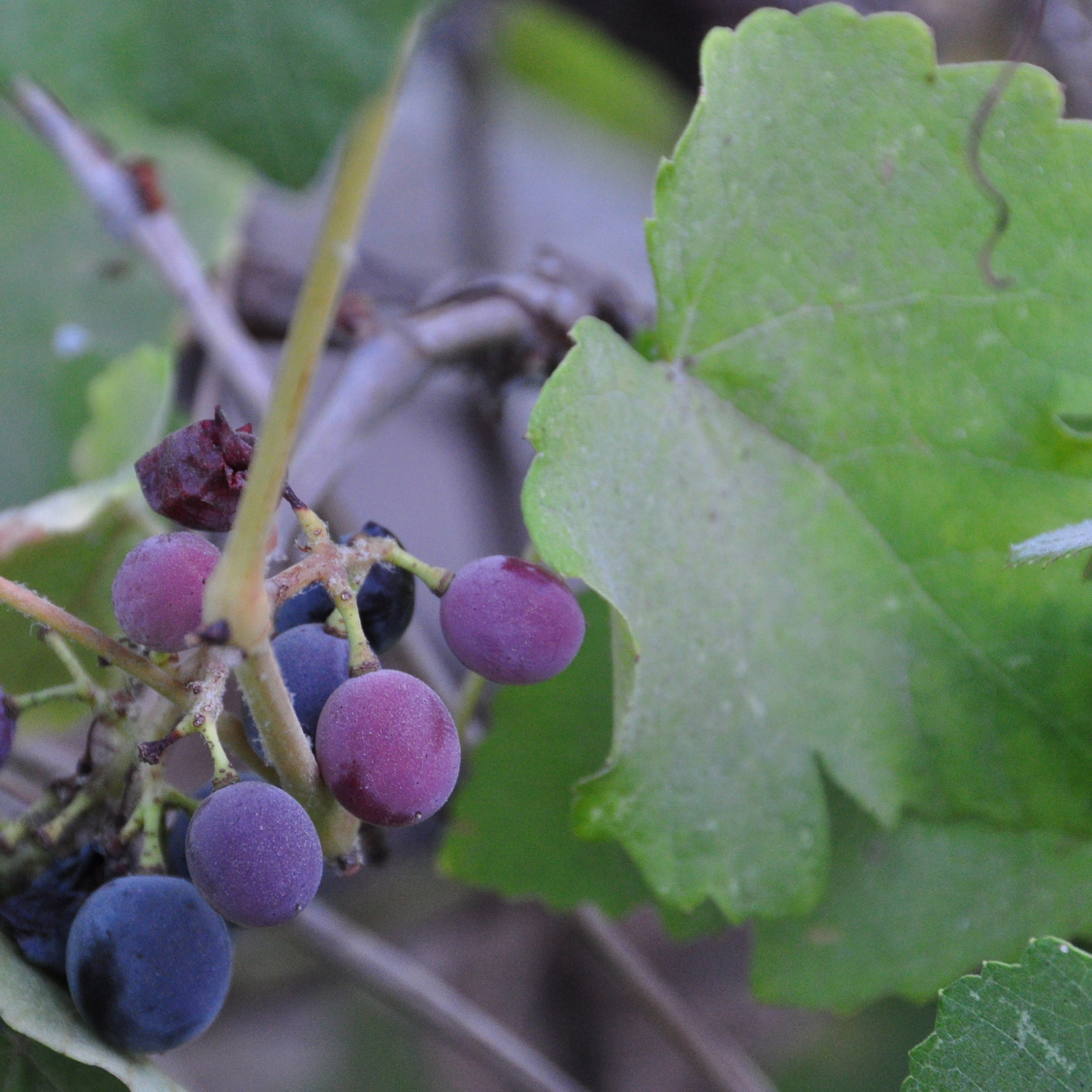
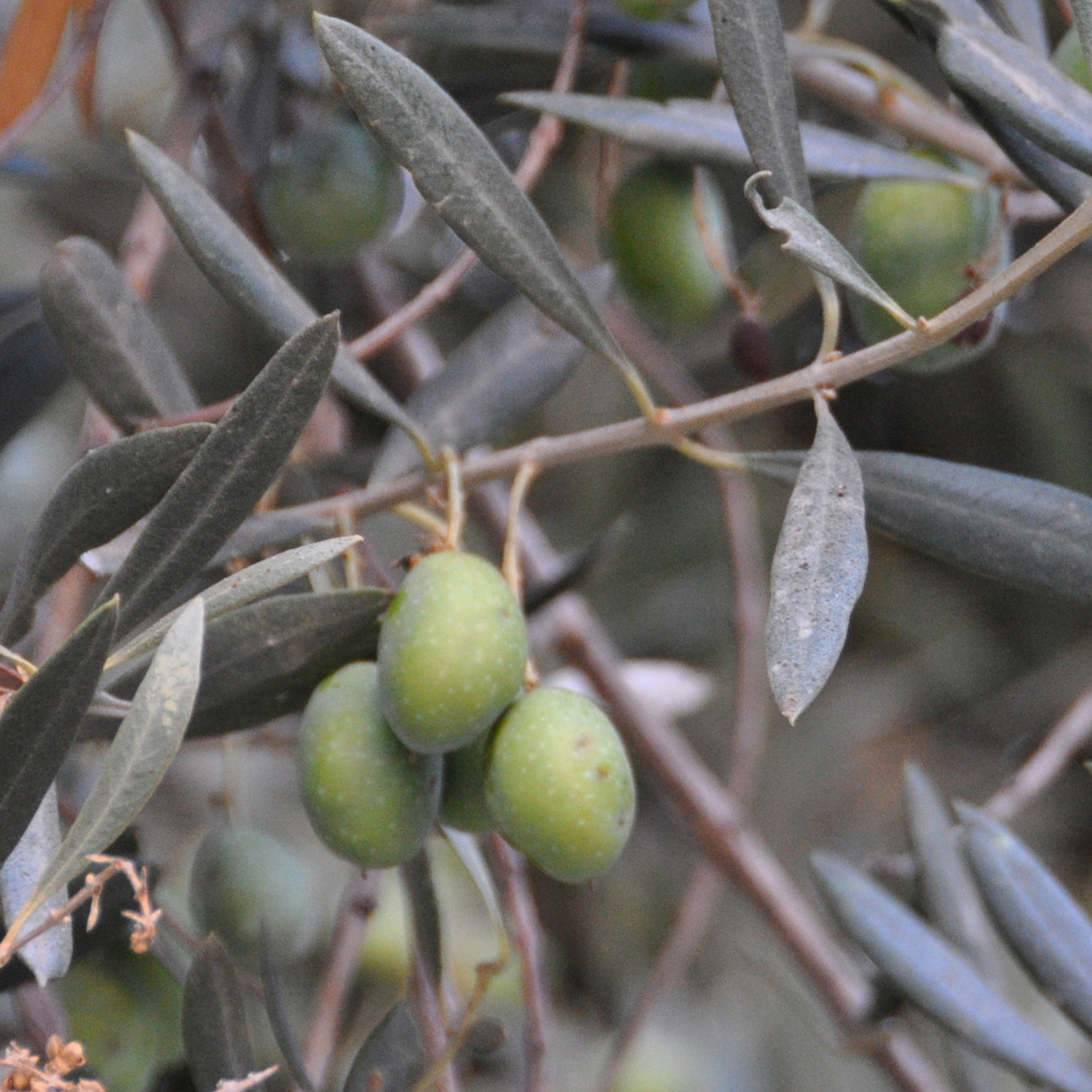
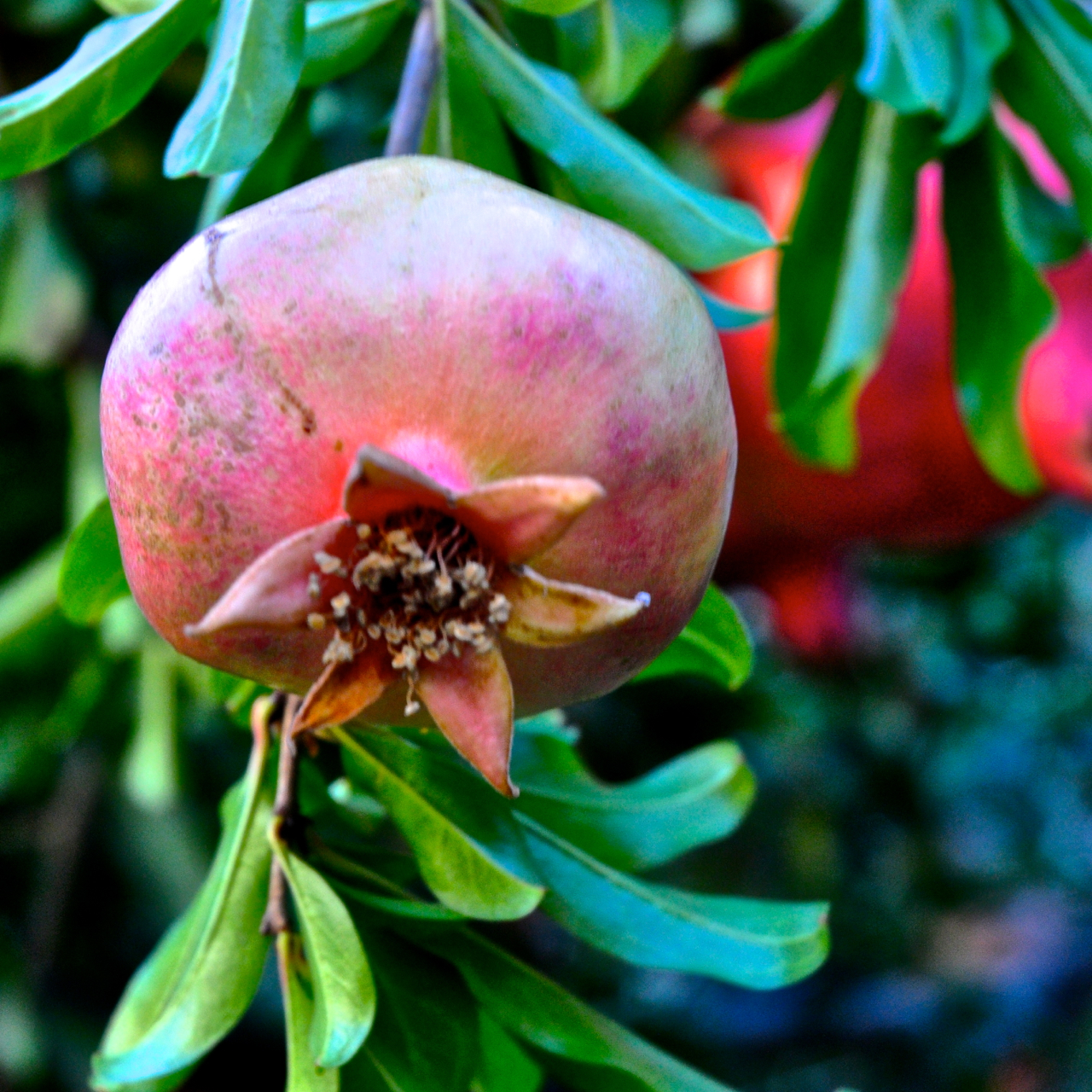
grape Olive Fig Pom

There are 7 species mentioned in the Bible as native to the land of Israel, two grains, wheat and barley and five fruit. According to a mystical tradition from Tzfat these are to be eaten at a Tu BIshvat seder. In Canada there were no grapes, figs, or pomegranates, maybe olives and dates but not from Israel. If there were almonds they were from California, oranges from Florida. The one “fruit” that we could get from the Mediterranean, in an Italian shop in the Byward market, was bokser, the brown, hard pods of the carob and so that is what marked the holiday of Tu Bishvat. Growing up in Canada I never saw any of these fruit trees.

Now I live in Israel, but more significantly my children have grown up here with a grape vine, fig, pomegranate and olive trees in our small garden. There are date palms, almond and carob trees in our neighborhood. Though it snowed last week, the weather is warming up and you can plant a tree in January. The almond trees are blossoming.

AlmondIn the 1950s, the JNF cultivated  carob trees on 50,000 dunam in the Park Britannia and Ben Shemen forests as fodder for Israel’s milk cows but the plan didn’t work out. If cows ate carob pods would they give carob milk?

Carob maleMost carob trees (Ceratonia siliqua) are dioecious, meaning there are separate male and female trees (date palms and persimmons are two other examples). The male tree has a reddish flower that blooms in October, with a smell reminiscent of semen. The female tree has flowers that when pollinated by wind or insects become the fruit. It’s actually a little more complicated since you can find some carob trees that have both male and female flowers, specifically in the case that one tree is isolated from other carob trees. It seems that carob trees can also change their gender during their lifetime.

Interestingly, the carob tree is not mentioned in the Bible, only in the Mishna and Talmud. One opinion is that the carob was not native to Israel but was brought here in the 2nd century.

There is a story in the Mishna about the sage, Honi HaMa’gel, who was walking along the road and saw an elderly man planting a carob tree. Honi asked him how many years it takes a carob tree to give fruit. The man replied, “70 years”. (Actually, it takes 4-6 years). Honi asked why he was planting a fruit-bearing tree when he would not live to eat its fruit. The man replied, “Just as my ancestors planted trees for me, I am planting for my grandchildren”.

With Tu Bishvat coming a few days after national elections in Israel, it is appropriate to retell the story. It is incumbent on our generation to leave the world a better place for our children.


Just in time for Tu Bishvat – my brother Baruch called excitedly to tell me that his book for the iPad, The Natural Bible: Encyclopedia of Judaism & Nature is available on the Apple iBookstore for download. From the website at http://thenaturalbible.weebly.com:

For anyone interested in Bible study, nature, the environment or religion, this unique and valuable resource elucidates the connections between the Bible and Jewish tradition and the natural world.

Photo of the Week – Keshet Cave

This geological feature in the Western Galilee is actually a large, natural stone arch that seems to divide heaven and earth. The arch is all that remains of the ceiling of a cave that collapsed, hence its name, keshet is the Hebrew for arch.

Keshet cave

You can click on the image for a larger view (which may take some time to load depending on your Internet connection). Please share this post with your friends by clicking on the icons at the end of this message.

The technical details – the photo was taken with a Nikon D70 digital SLR and 18-70mm lens in April (ISO 200, 18mm, F9 at 1/125 sec).

Photographs on this website are © Shmuel Browns (unless marked otherwise) – if you are interested in purchasing one of my photos or using one of my photos for your own project please contact me.

Dome of the Chain on Haram el-Sharif

The enigmatic building known as the Dome of the Chain was inaccessible and hidden for eight months by metal sheeting as the Waqf did some renovations on the structure. Just a few weeks ago the building was made accessible once again so I went and took these photographs.

Dome of ChainThe Dome of the Chain is not a mosque or a shrine and is one of the most ancient buildings on the Haram. It was probably built in 691 during the Umayyad period by Abd al-Malik who also built the Dome of the Rock. Some think the structure, because of its position in the precise center of the Haram, existed prior to Islamic rule in Jerusalem and refers back to the days of the Jewish temple or at least to the traditions that surrounded it. There is a tradition that the Dome of the Chain is the site where King David hung a chain that could not be grasped or touched by anyone deceitful, unjust or wicked and where his son King Solomon administered justice.

With the Crusader conquest it became a Christian chapel to St. James, restored as an Islamic prayer house by the Ayyubids and has been renovated by the Mamluks, Ottomans and the Palestinian-based waqf. It seems that the Mamluk sultan Baibars renovated it, refacing the mihrab with marble and reducing the number of outer columns. The ceramic tiles were added in the time of the Ottoman sultan, Suleiman the Magnificent.

Dome of Chain interiorOne of the most unusual things about the structure is that it combines an interior hexagon defined by marble columns with open arches supporting the dome surrounded by an eleven-sided polygon of columns with eleven open arches. Note that each of the column capitals is different. In the southern wall one arch has been closed as a mihrab. It is the third largest building on the Haram after the mosque of al-Aqsa and the Dome of the Rock with a diameter of 14 meters.

Dome interior

Closeup of Hanging lantern

Lantern hanging from the dome of Dome of the Chain


Ein Karem and Barluzzi’s Church of the Visitation

When you’re in Jerusalem take some time to enjoy walking around and exploring the village of Ein Karem (Hebrew of Spring of the Vineyard), today a neighborhood of Jerusalem and when you get hungry check out one of the restaurants (see below). The spring made it possible for settlement there dating from the Middle Bronze Age. According to Christian tradition,  Mary, pregnant with Jesus, met Elizabeth, pregnant with John at the spring.

There are two churches named St. John the Baptist, one a Franciscan church built in the second half of the 19th century on the remnants of earlier Byzantine and Crusader churches and an Eastern Orthodox church built in 1894 (restored in 1975), also on the remnants of an ancient church. Inside the Franciscan church are the remains of a Byzantine mosaic floor and a cave where, according to Christian tradition, John the Baptist was born. Below the building a mikve or Jewish ritual bath was found dated to the Second Temple period.

The Franciscan Church of the Visitation is located across the village from St. John. The ancient sanctuary there was built against a rock slope, the site where Zechariah and Elizabeth lived and where Mary visited them. An ancient cistern from which, according to tradition, Zechariah and Elizabeth drank, can also be found in the church; the stone next to it is said to have hidden the two from Herod’s soldiers. Tradition attributes its construction to Helena, Emperor Constantine’s mother.

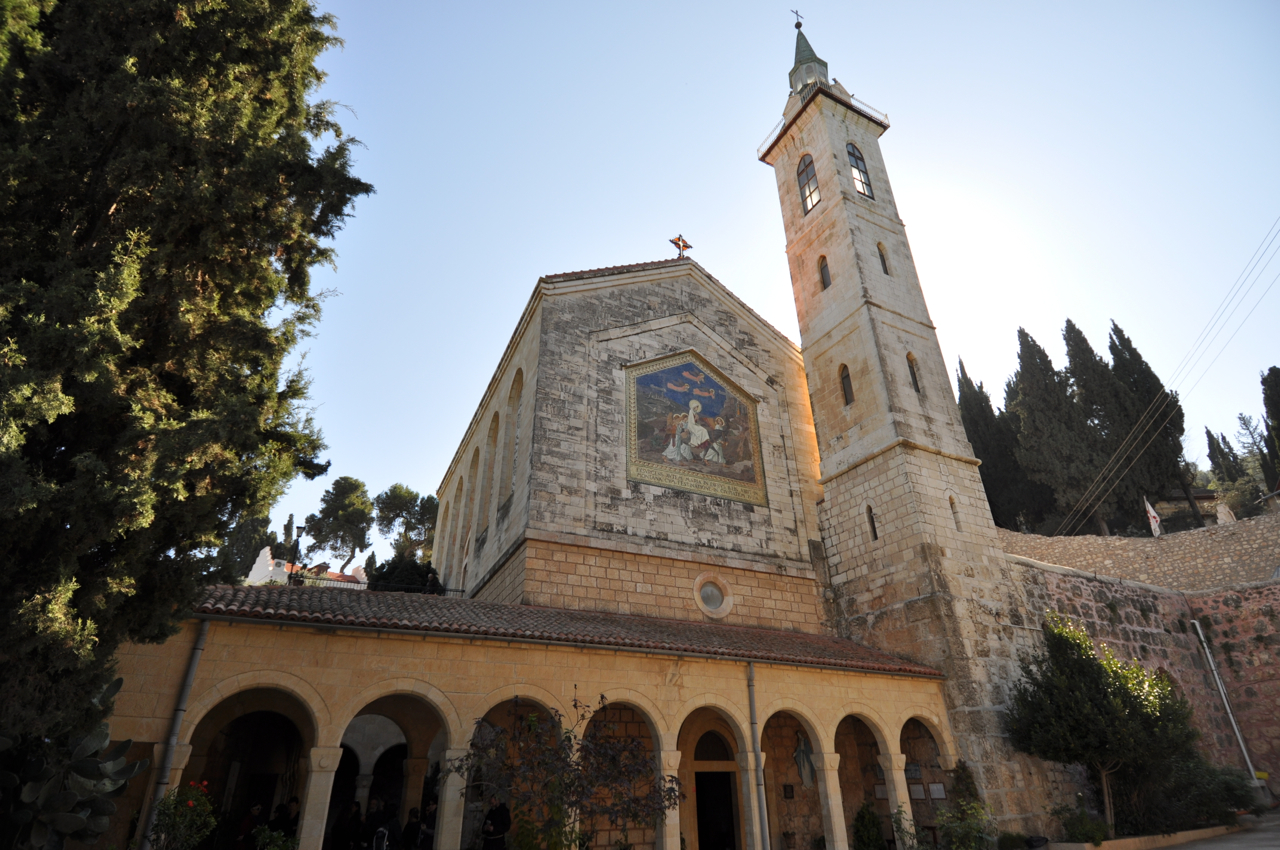
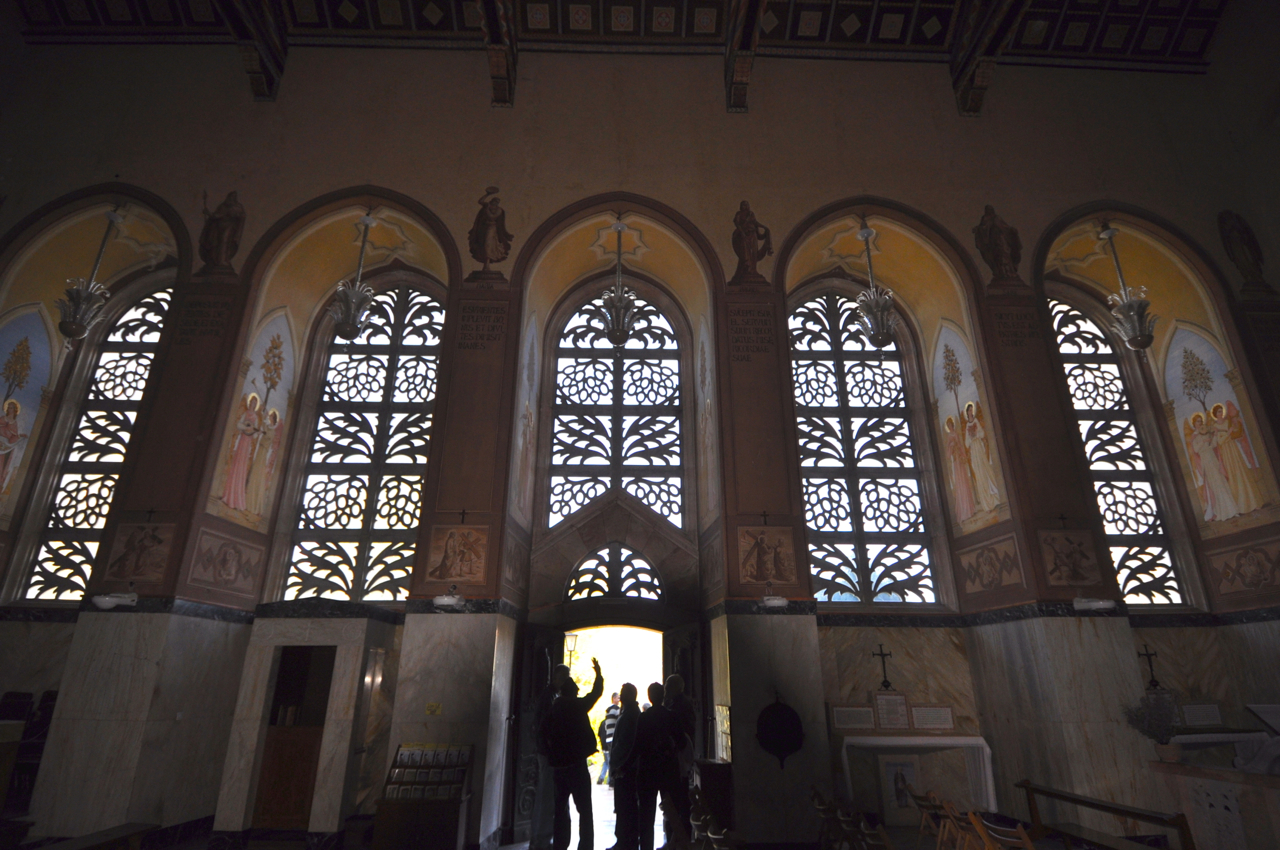
Barluzzi Church of VisitationOn the wall of the courtyard are ceramic tiles bearing verses from the Magnificat (the Canticle of Mary from Luke 1:46-55) in forty-two different languages. On the church’s façade is a striking mosaic commemorating the Visitation.

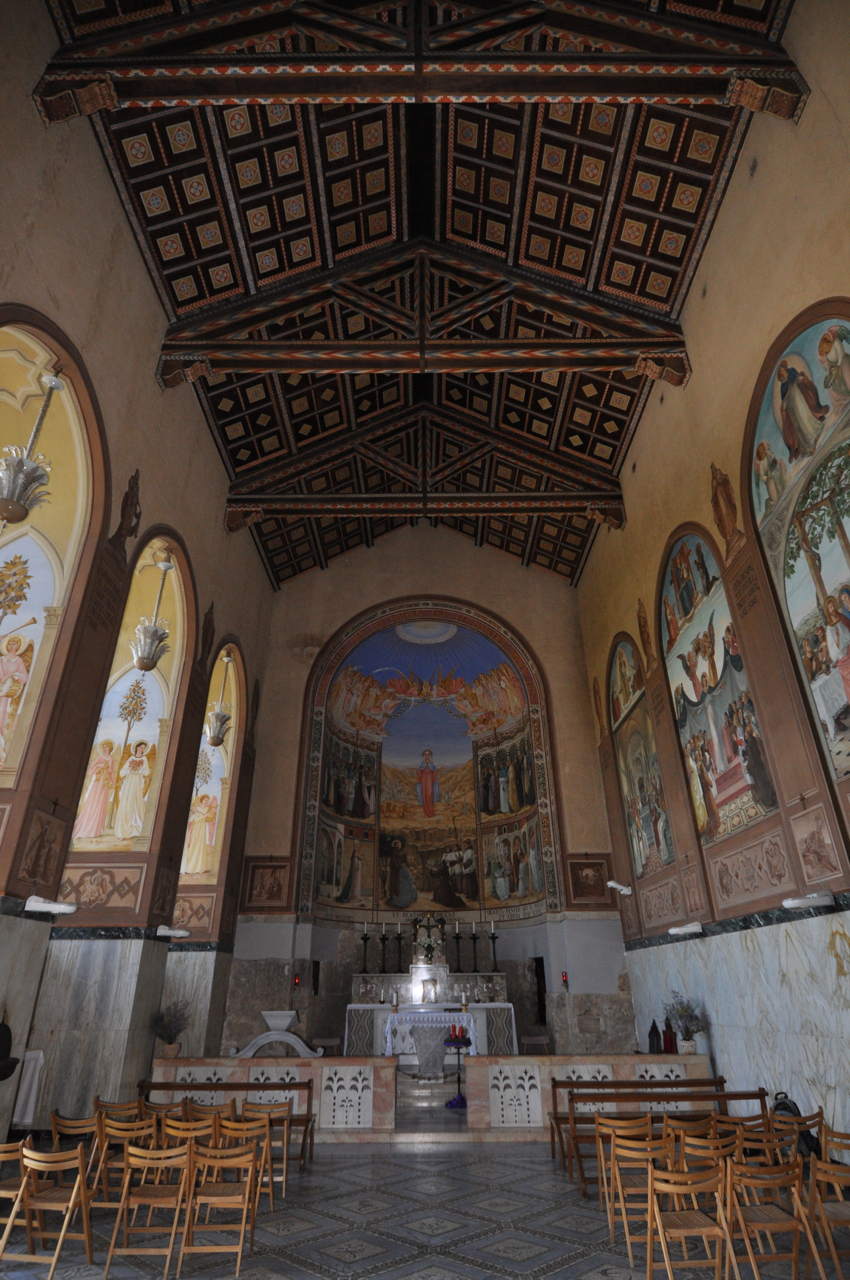
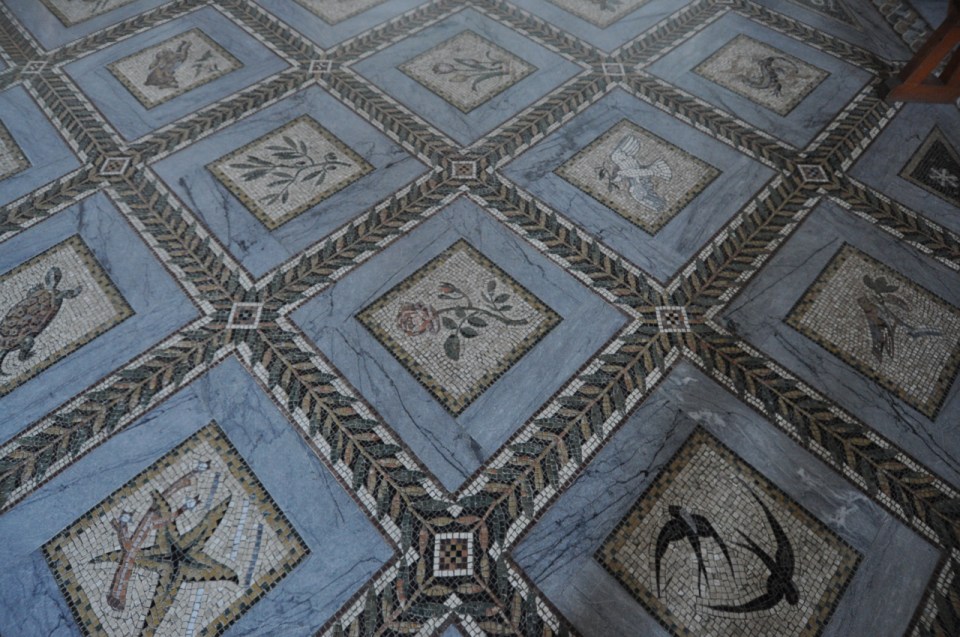
Visitation church InteriorThe lower level of the church was built in 1862, the upper level was begun in 1938 and completed by Italian architect Antonio Barluzzi in 1955. The upper hall is dedicated to Mary, and its walls are decorated with many paintings in her honor. The interior has Italianate frescoes depicting the Visitation, Elizabeth hiding her son John the Baptist, and Zechariah next to the altar in the Temple and beautiful mosaic floors. In one of the frescoes, there is an image of none other than Barluzzi himself.

Interior 2

Visitation church mosaic floor

Located up the hill is the Russian Orthodox Church, part of the Gorny monastery, nicknamed Moscovia by the locals, begun in 1905 and only completed in 2005, with its classic gold onions.

Take the opportunity to walk or meditate in the tranquil garden of Notre Dame De Sion monastery.

Restaurants

Pundak Ein Karem “with a garden blooming in and around its stone courtyard specializes in pan-European fusion cuisine of the decidedly unkosher variety; free WiFi.”

Karma “will have you eating like a Buddhist monk fallen off the wagon, a genre-defying culinary quality, with a traditional Middle Eastern taboon stone oven at its spiritual center.”

Café Inbal “small bake shop has a nice selection of classic light Israeli fare, kosher.”

Charlotte for those with a passion for a variety of grilled meats and delicious side dishes, kosher.

Esti and Perla “run by and in the home of two ladies by the names of Esti and Perla, who have resided in Ein Karem for over 50 years serves high-quality dairy food, specializing in Moroccan fare, kosher.”