Tag Archives: nature

Off the Beaten Track #1

Not every guide can take you “off the beaten track” but I can.

En Prat instead of En Gedi

Just upgraded my website subscription with WordPress and now I have twice as much space for photographs, blog posts and new webpages, pretty exciting and I’ve gotten rid of the random advertisements that used to appear, also a big plus so this marks an opportunity to add new material to my website.

Yesterday on Shabbat a new sinkhole opened up near En Gedi so authorities have closed Highway 90 from Mitzpe Shalem until further notice. The reserve is basically closed after a freak storm in May that dumped 1.4 inches of rain on En Gedi, flooded the archaeological site with the ancient synagogue and destroyed the trails in Nahal David and Arugot. Sad that we won’t be able to enjoy En Gedi.

Don’t be disappointed, a guide always has an alternative plan so I’d be happy to take you to the En Prat Nature Reserve.
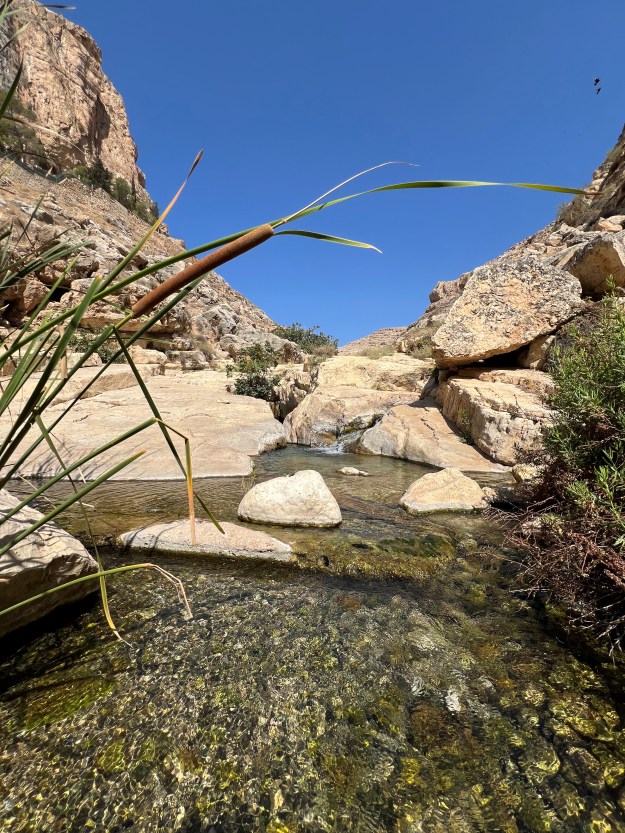
Definitely a magical place with water all year round, running streams and pools in the Judean desert. Yes, it’s in the Shomron, you enter through the settlement of Almon (also known as Anatot, one of the Levitical cities given to “the children of Aaron” in the tribe of Benjamin (Joshua 21:13–18).
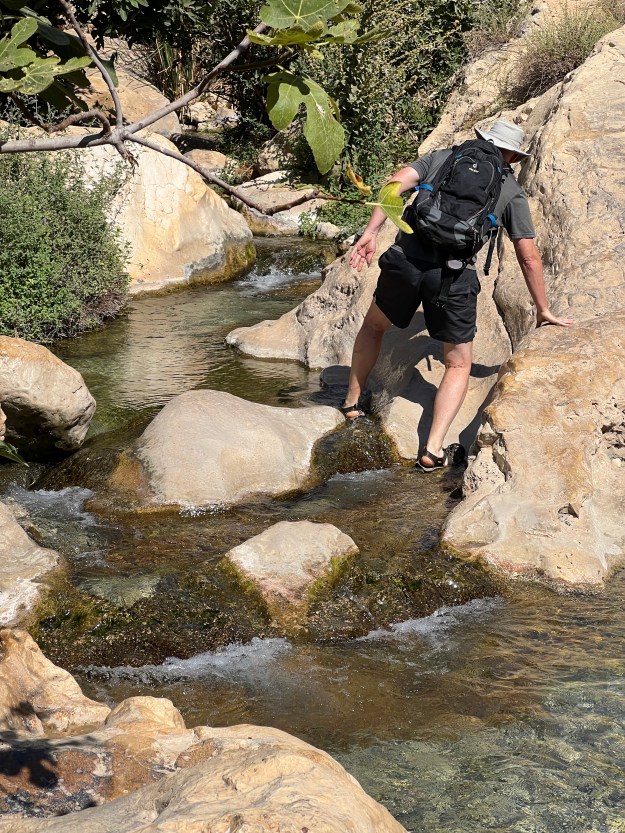
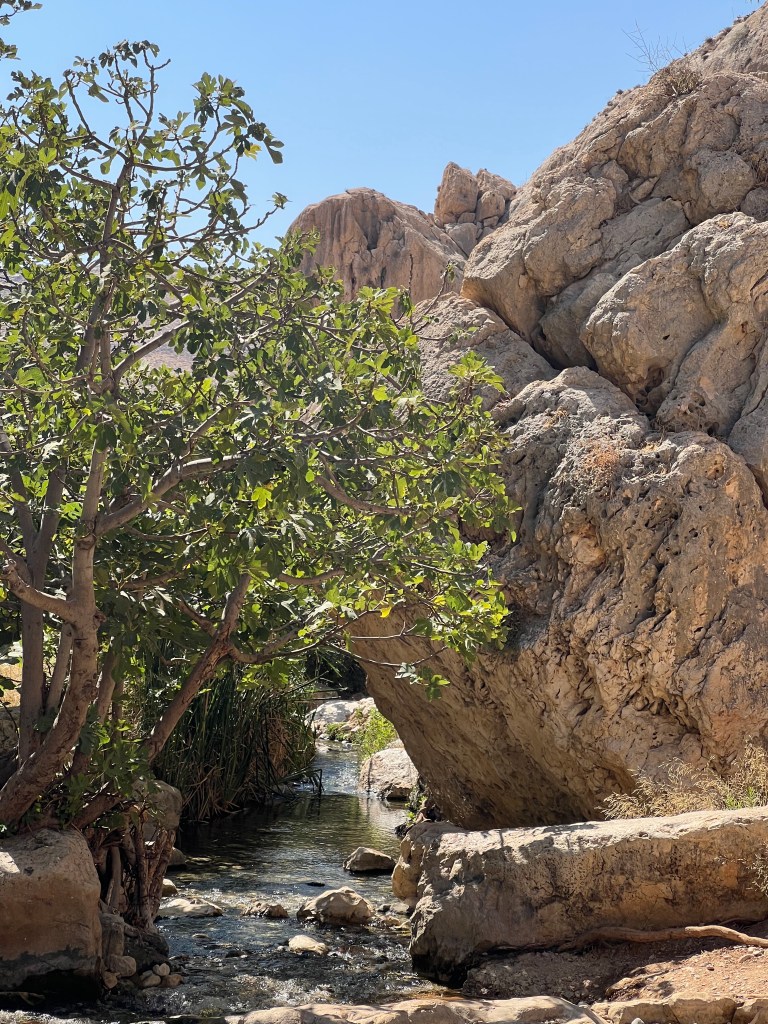
July and August are hot in Israel, Africa hot but the pools are cool. The tree in the photograph is a fig tree and we were able to eat fresh figs off the tree. We hiked following the stream bed all the way to the gorge and waterfall.
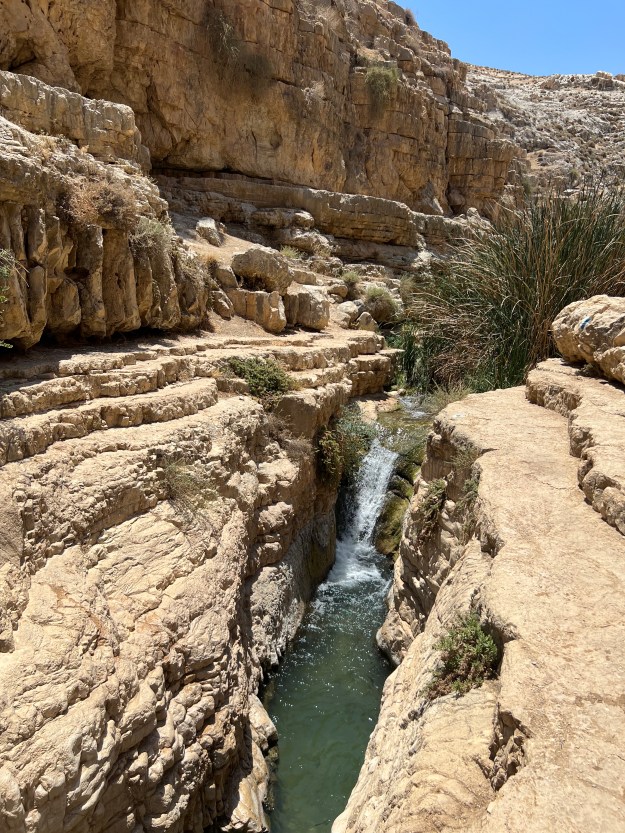
I’m looking forward to your next visit. I hope I’ll see you soon – I’ll be ready.
Yam l’yam: Start at Achziv

Last week I walked yam l’yam again, from the Mediterranean Sea to the Sea of Galilee. In 3 days you actually walk across the width of the country (that’s how small Israel is). Each day is a great hike but together the 3 days are more than the sum of their parts, enabling you to experience a cross-section of the Galilee. Each day hike is different, challenging in its own way, with varying topography, vegetation and accompanying history. I invite you to consider this amazing hike on your next visit to Israel.

For a more complete description (with photos) of the hike, see my post from last year at https://israel-tourguide.info/2015/12/21/yam-lyam-hiking-sea-to-sea-3-days/.

Here are the introductory lines of Naomi Shemer’s poem Night at Achziv beach.

The wind and the darkness and the water
Remember from yesterday night your steps
The froth that erased your footprints
Knows that you were here alone

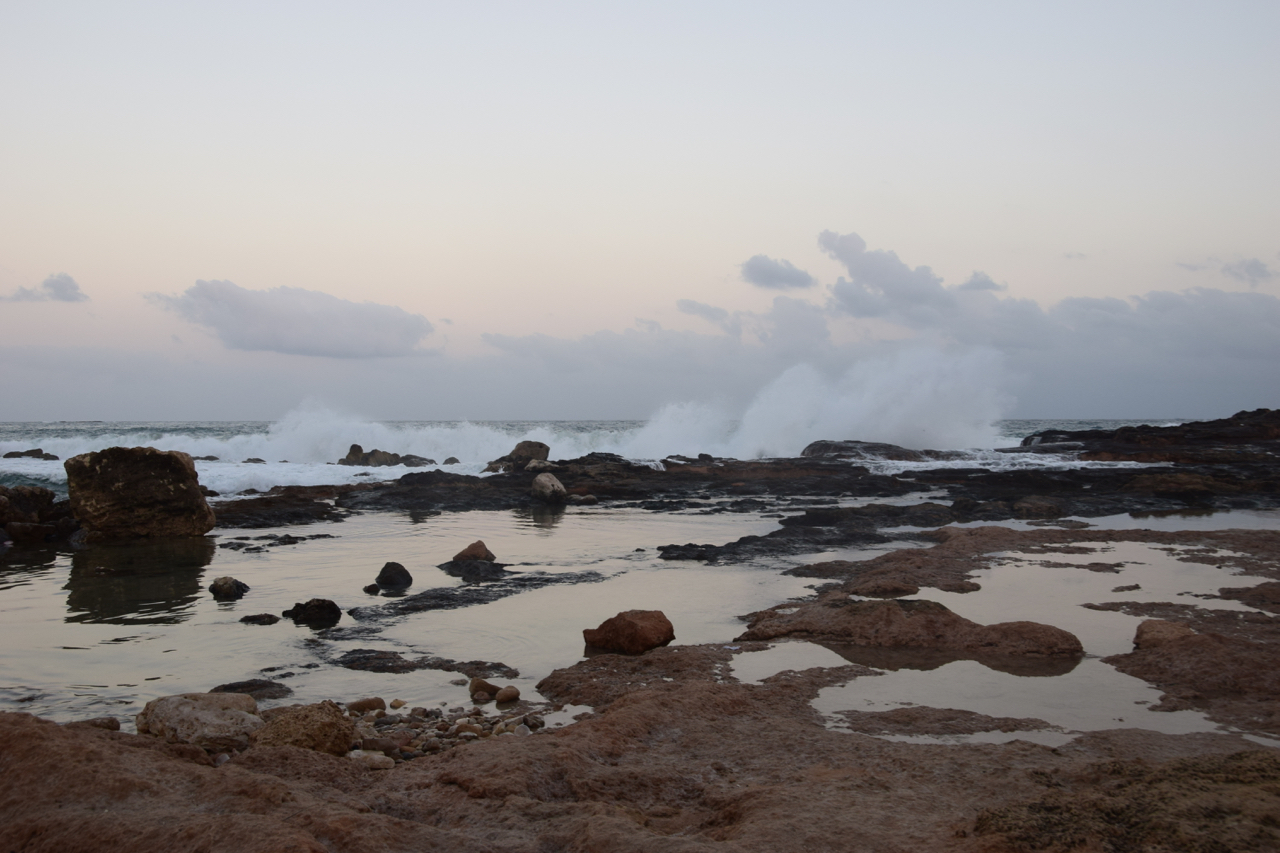
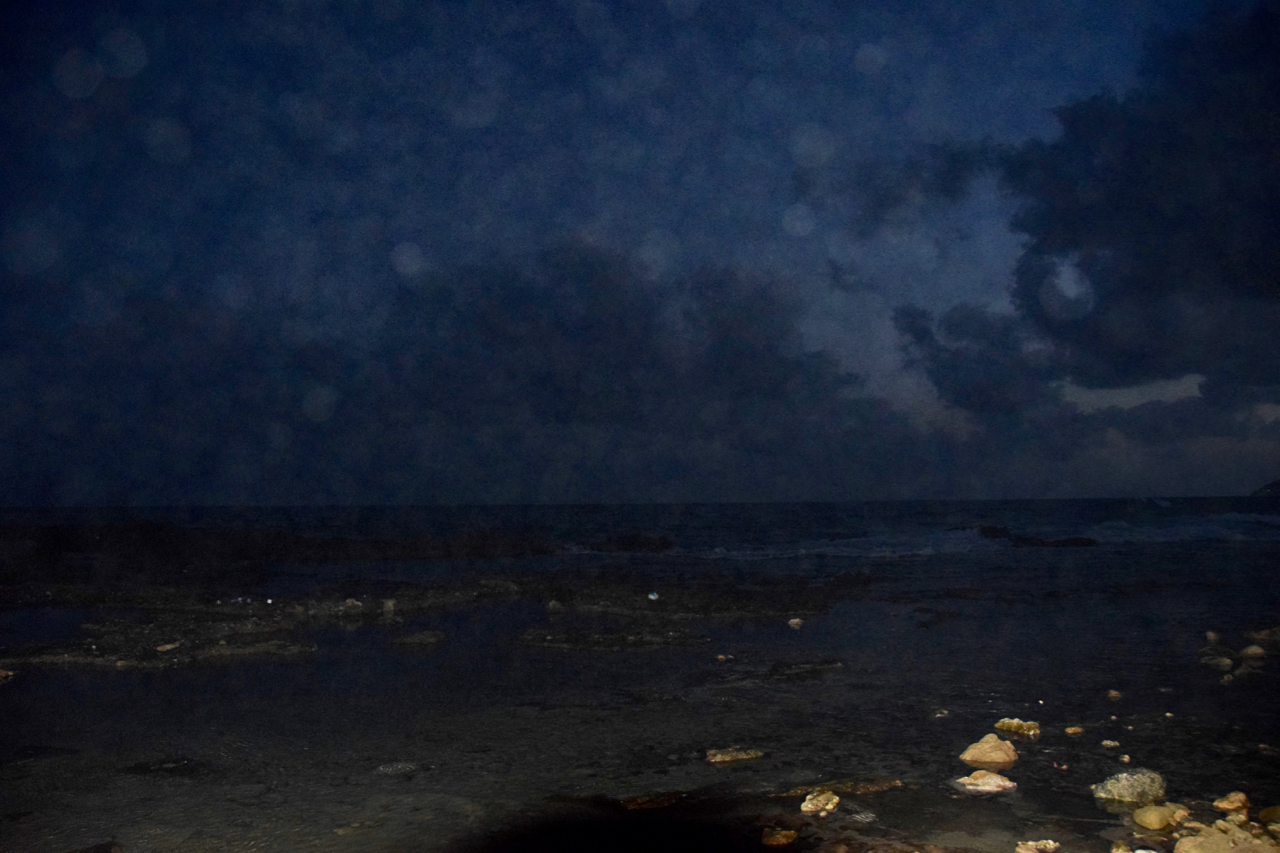
I was up just after 4am and took these photos of the sea and sky before morning light at Achziv.

First shot

Early morn

When light broke I shot some photos of the beach.

DSC_0146

DSC_0170 (1)


Jerusalem Park: Lifta

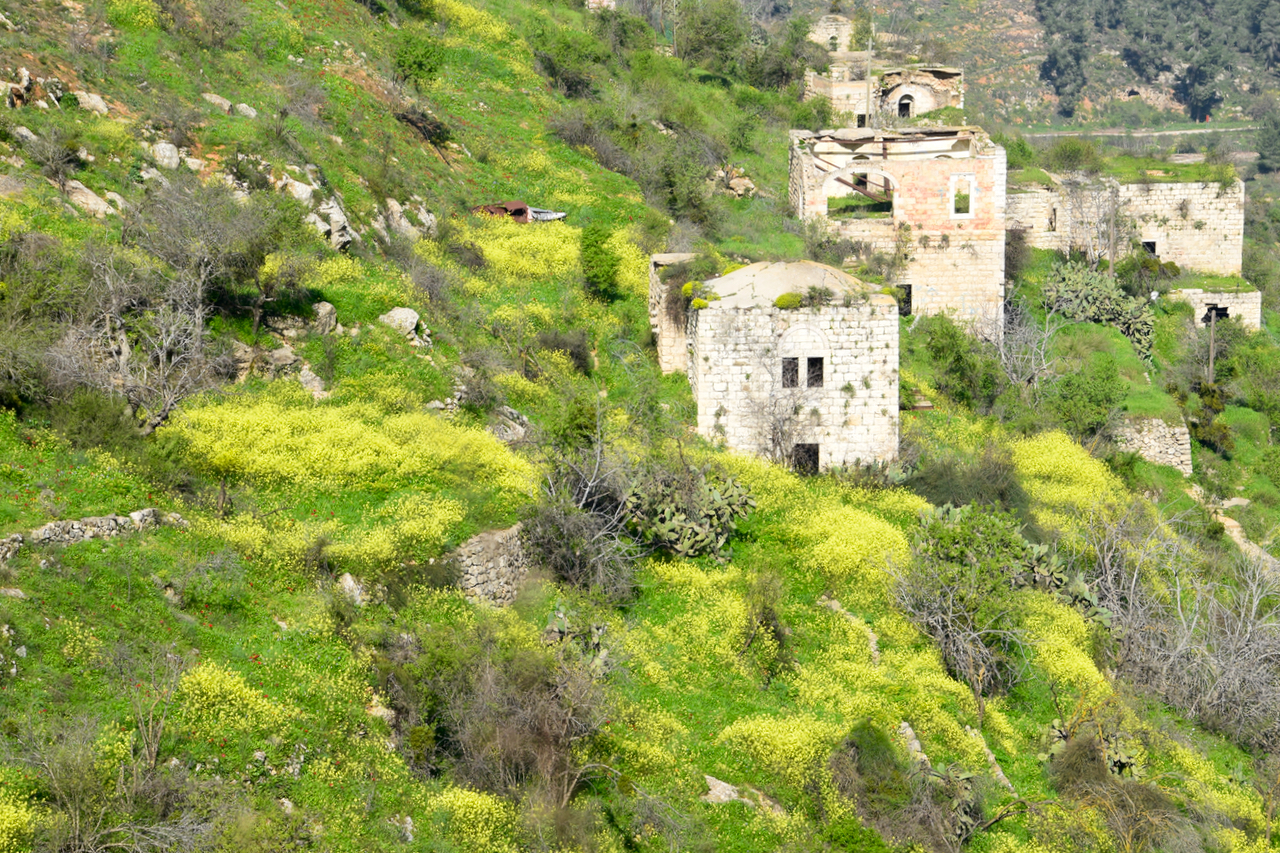
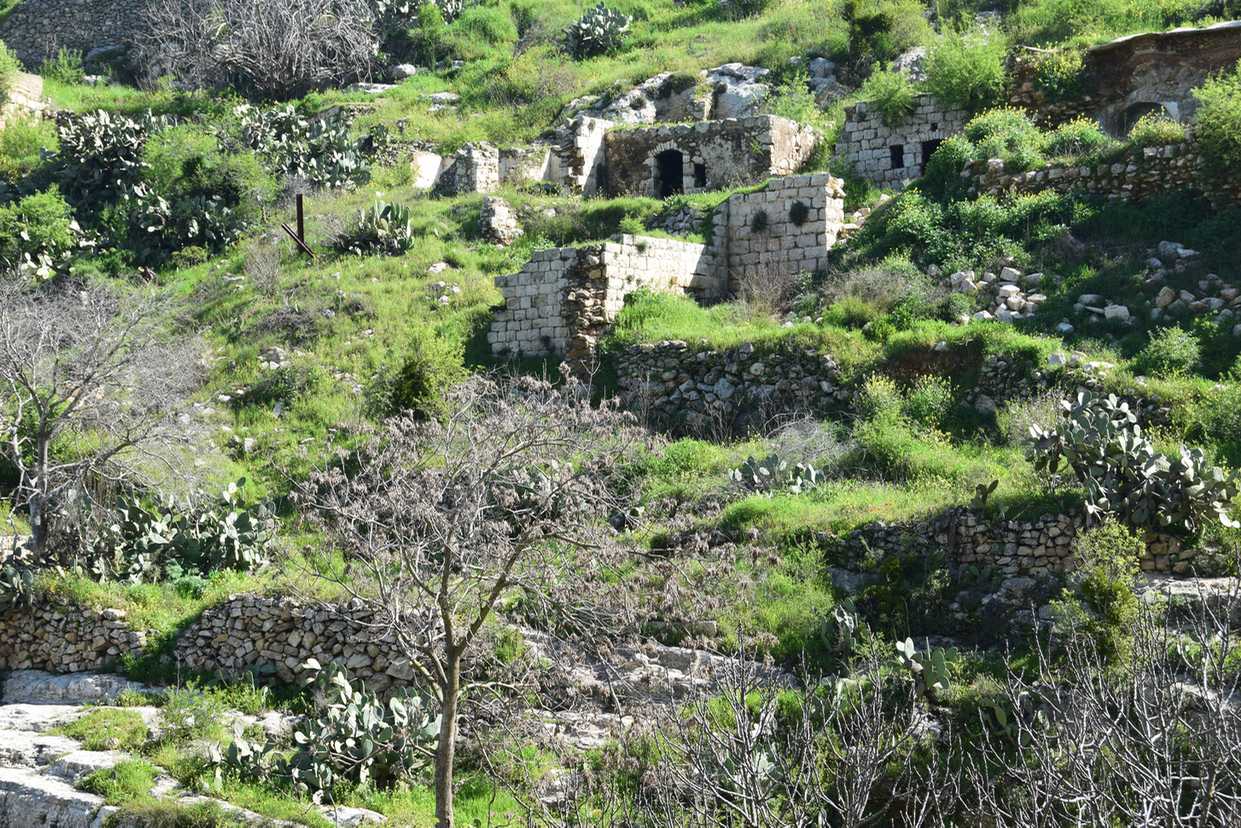
This week we went to Lifta, a ghost town that was an Arab village on the side of a steep hill at the western entrance to Jerusalem. The site has been populated since ancient times because of a natural spring located there. In the Bible, the village is mentioned as Nephtoah (נפתח), on the border between the Israelite tribes of Judah and Benjamin.

Lifta

In the last official land and population survey In 1945 Lifta’s population was 2,250, all Arabs, and the total land area was 8,743 dunams. The farmers of Lifta marketed their produce in Jerusalem’s markets. The population was driven out/fled during the Arab-Jewish hostilities of 1947/48 during the efforts by the Haganah to relieve the siege of Jerusalem. Today 55 of the original (more than 400) stone houses are still standing but the village has never been repopulated.


Lifta 2

Lifta is on the edge of the newly developed Jerusalem Park, made up of 4 parks, a greenbelt that extends over some 1,500 hectares (3700 acres), surrounding Jerusalem to the north, west, and south. This is a great place for visitors and Jerusalem residents to explore, with walking trails and bicycle paths. You can get a map of the park at Emeq HaArazim, just below Lifta at http://www.jerusalempark.org.il/download/files/park-arazim-hires.pdf.


The plan is to maintain existing woods and forests including ancient cedar, arazim for which the park is named, and olive groves and to restore and plant orchards and indigenous broad-leafed tree species.

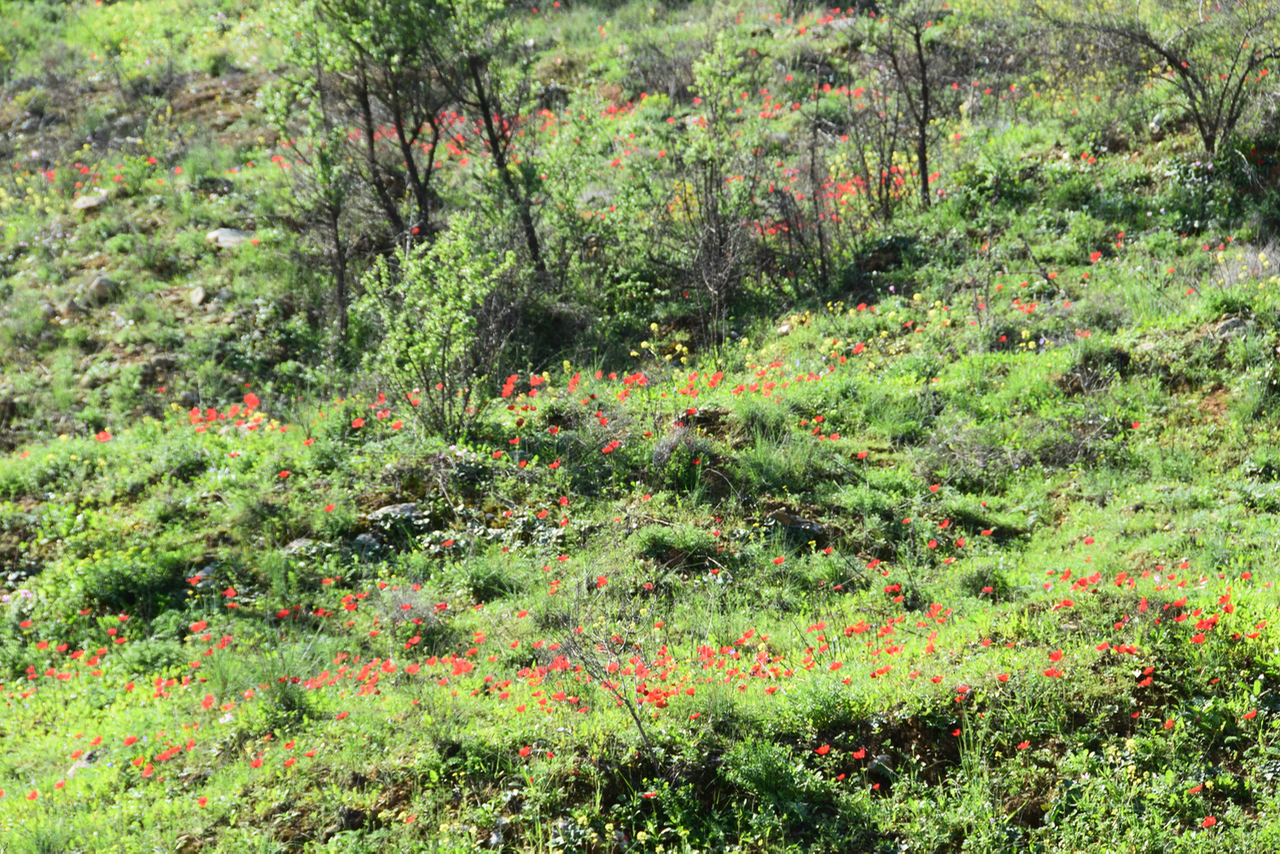
Anemones at Lifta

Further inside the park at Einot Telem, the ancient terrace agriculture typical of the area with its irrigation system will be recreated at the site of a small Jewish settlement – Bet Talma. The land (60 acres, 23 hectares) was purchased in 1906 and a two-story building intended for a soap and oil factory was planned (but not completed). In 1922 five Jewish families settled at Einot Telem, naming their settlement Emek HaArazim (the Valley of the Cedars). The site was abandoned during the 1929 Arab Riots and further settlement attempts were unsuccessful.

Jerusalem under Snow

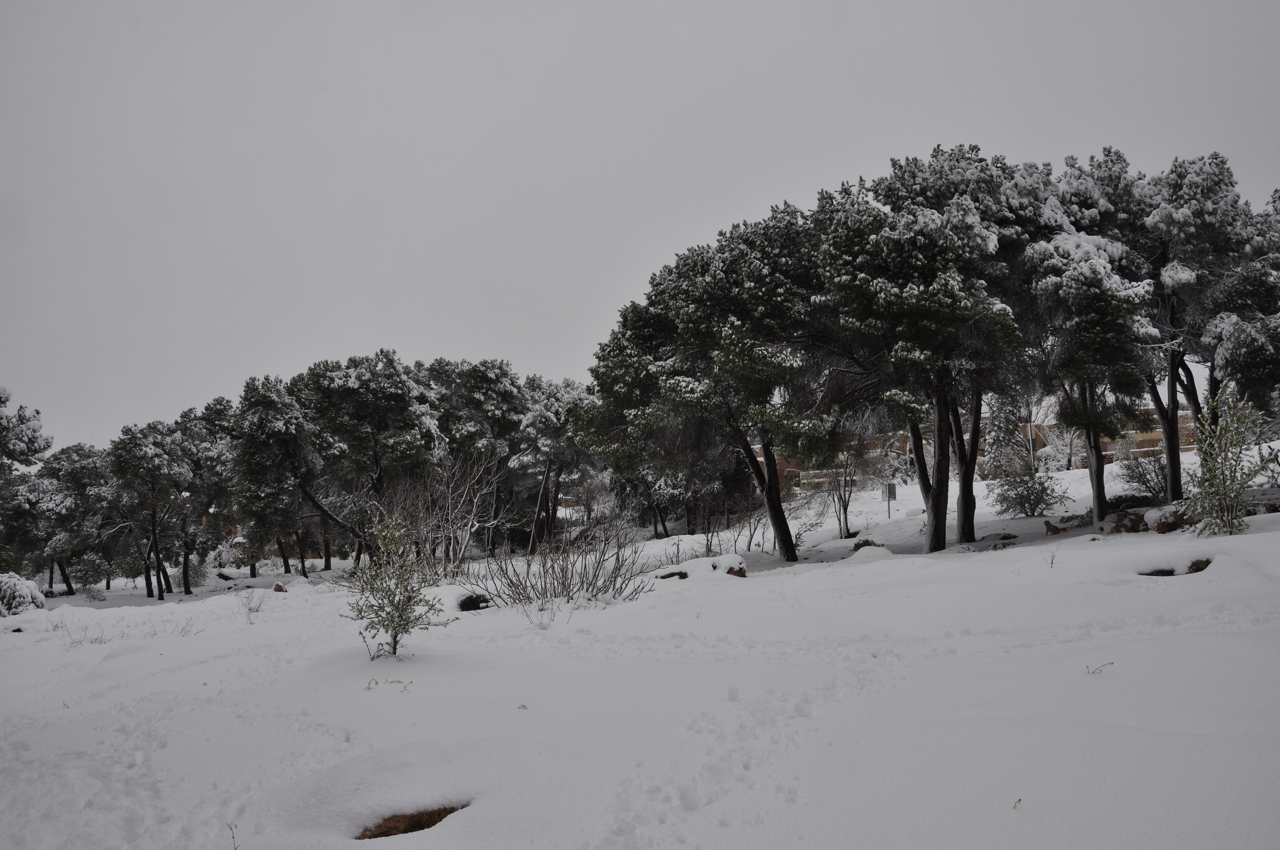
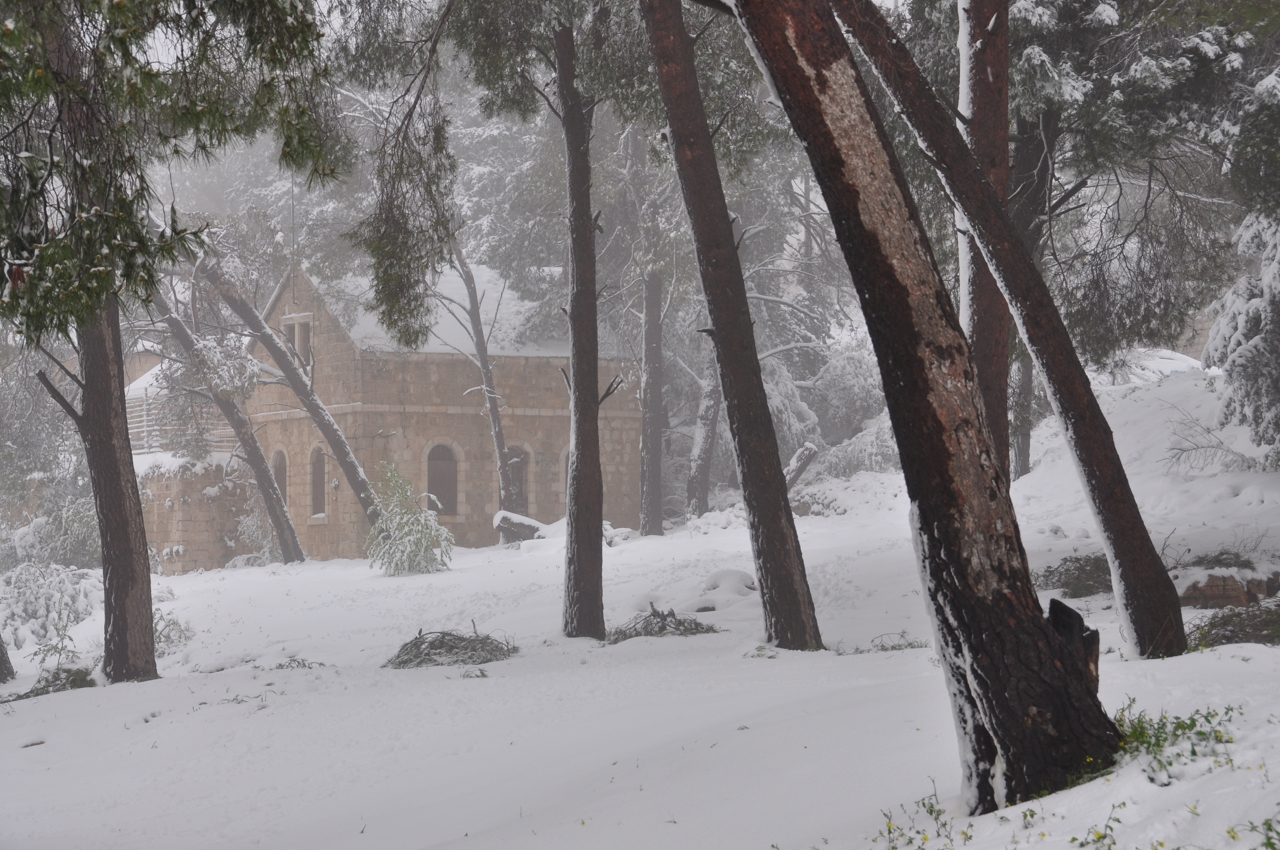
Some tourists may be surprised to have woken up this morning to Jerusalem covered in a blanket of snow and unprepared for the colder temperatures of a Jerusalem winter. A local guide can ensure that you are prepared, keep warm and find places to go no matter what the weather. This morning was bright and sunny so I went for a walk in the neighborhood and took these photographs, a different view of the city.Hursha in snowWe live in the German Colony and nearby is the old leper hospital built in 1887 by renowned architect Conrad Schick.

Jesus Hilfe leper hospital

Trees in woods

Tree

Strange to have snow fall after the almond trees have blossomed. In our garden, the peach, apricot and apple tree were blossoming when the snow fell. The fields were covered with yellow mustard flowers and red anemone before they were covered by snow.

Weekly Photo Challenge: Sea

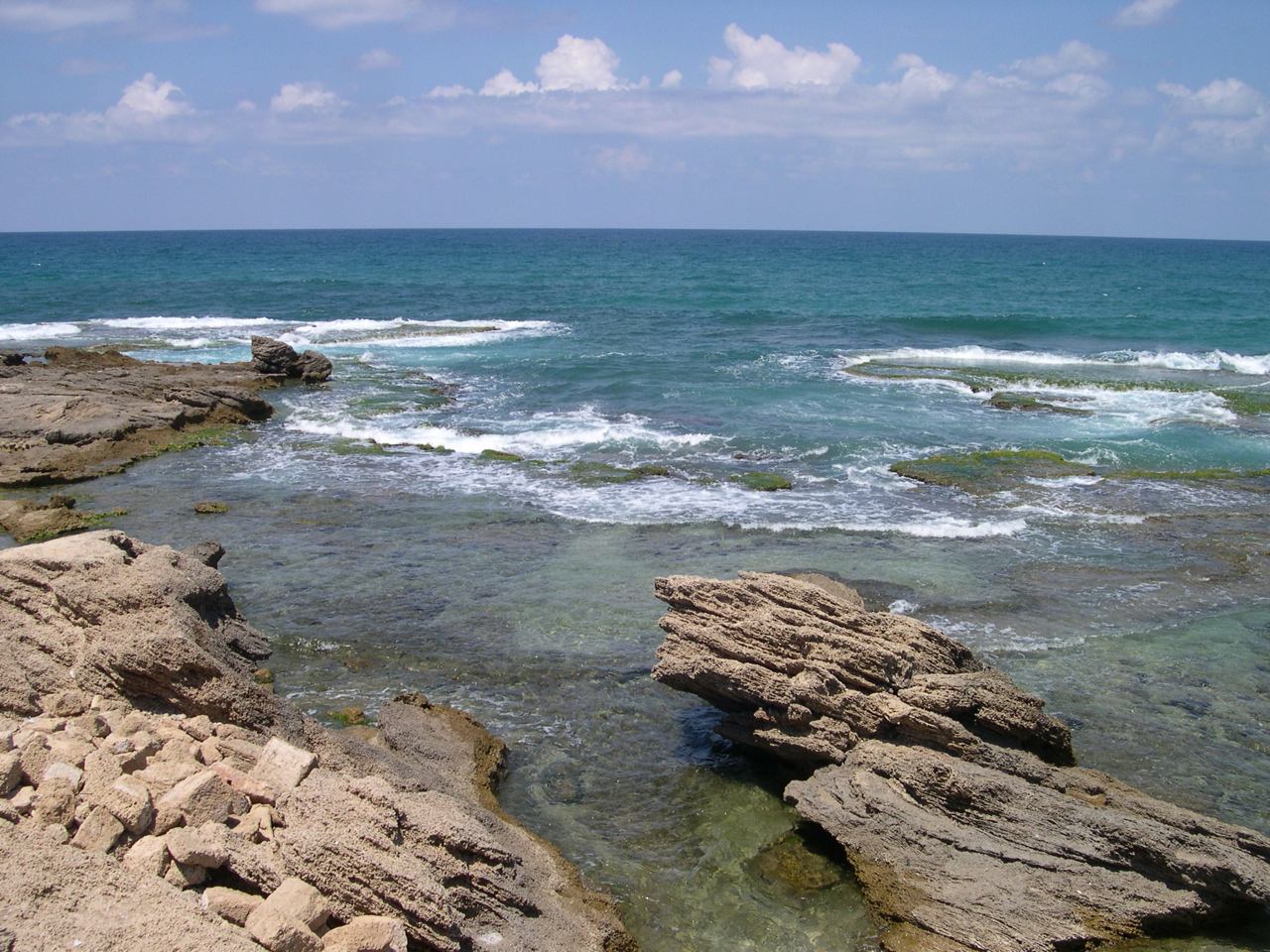
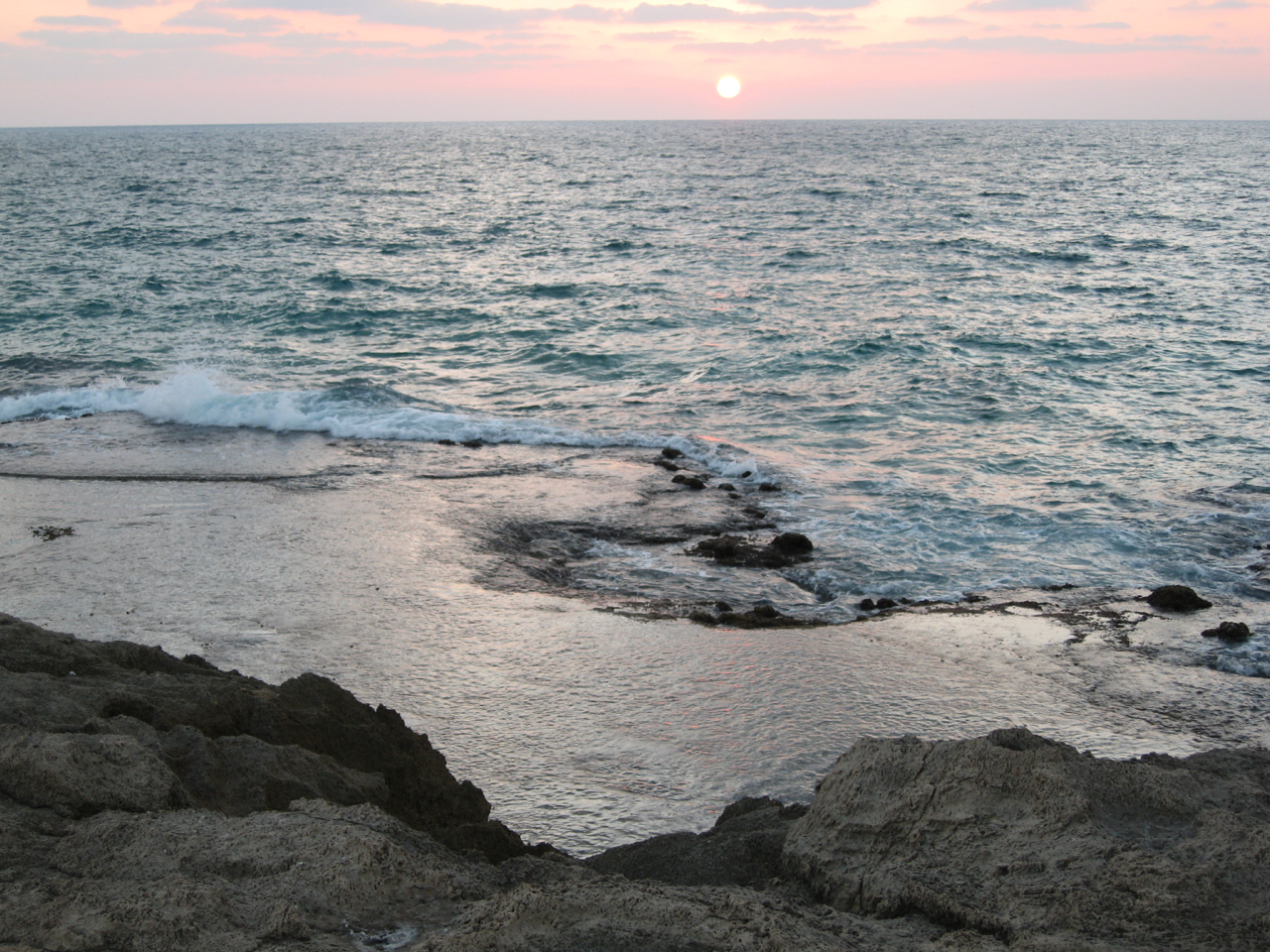
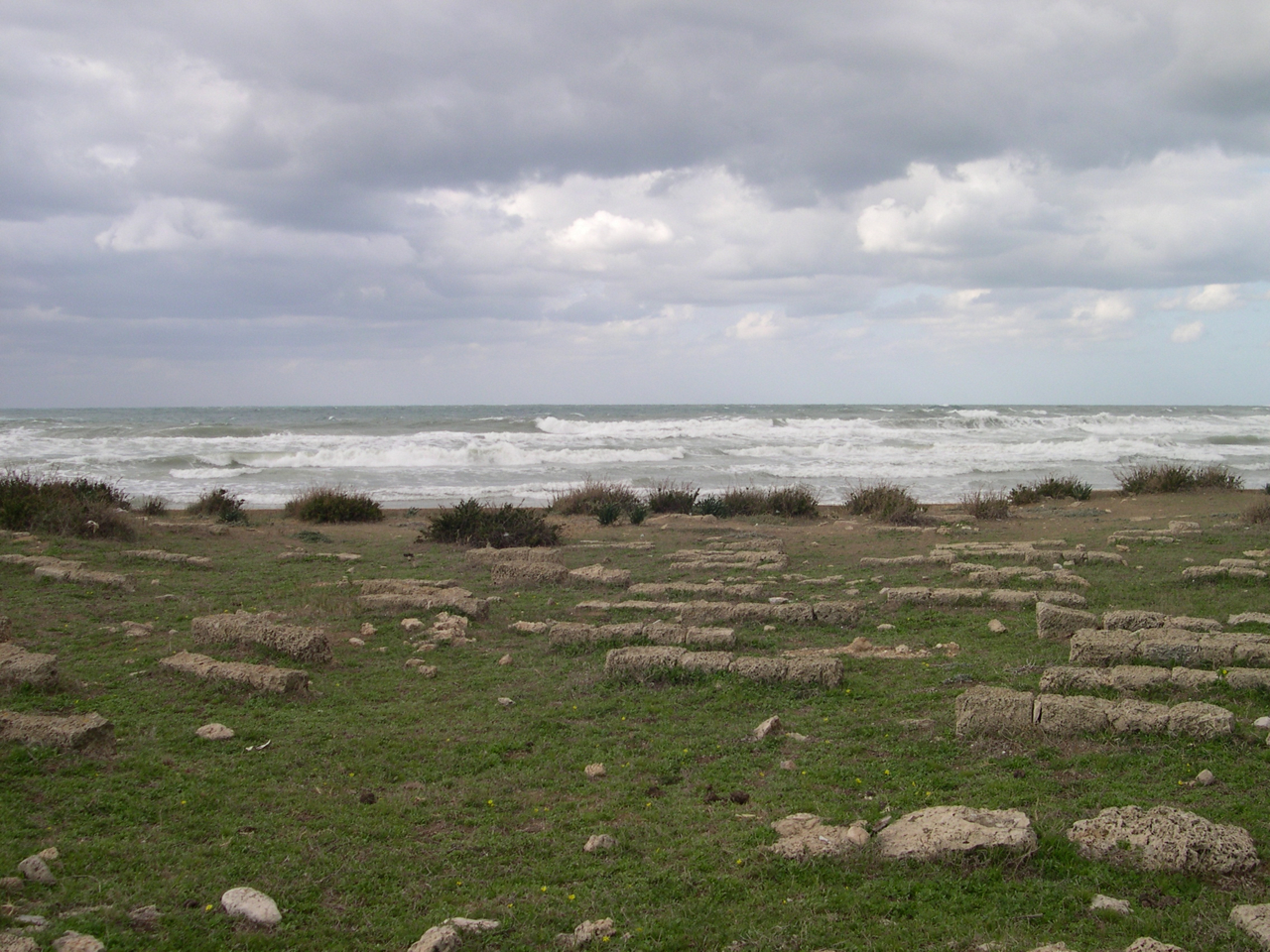
Although Israel is a small country it has about 200 km of Mediterranean coastline. There are many places along the coast where you can stand and look out to sea. In this post I’ve included 5 photographs of the sea, along the coast, from Ashkelon, Ashdod, Caesarea, HaBonim and Atlit – same sea but different geological features as we move up the coast.


Related articles

Photo of the Week – Nahal Peratzim

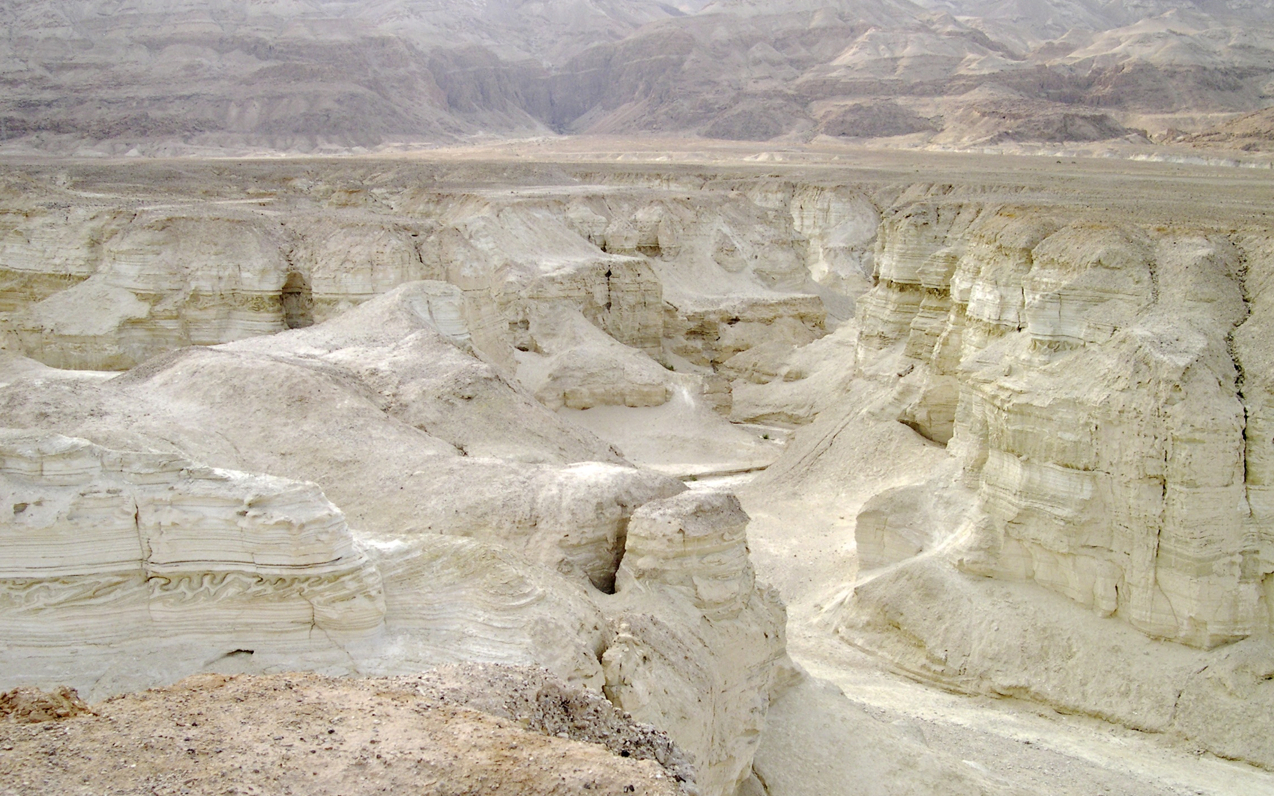
A popular day trip from Jerusalem is to do Masada and Ein Gedi and then end the day with a float in the Dead Sea. I guided a family on this route last week. In thinking about it I want to suggest a different Judean desert trip. Visit the pools and waterfalls at Ein Gedi but instead of doing the crowded Nahal David (a nahal is a dry stream bed) hike to the hidden waterfall in Nahal Arugot, do Masada in the afternoon and end the day with a walk through Nahal Peratzim as the sun sets and the moon rises, a great family hike. This photo is Nahal Peratzim, a canyon between high walls of lissan marl. Clicking on the image will display it larger. Please share this post with your friends by clicking on the icons at the end of this message.

Nahal Peratzim

The technical details – the photo was taken with a Nikon point and shoot camera in April (ISO 100, 8mm, F7.6 at 1/100 sec).

Photographs on this website are © Shmuel Browns (unless marked otherwise) – if you are interested in purchasing one of my photos or using one of my photos for your own project please contact me.