Category Archives: Water

Photo of the Week – Jordan River

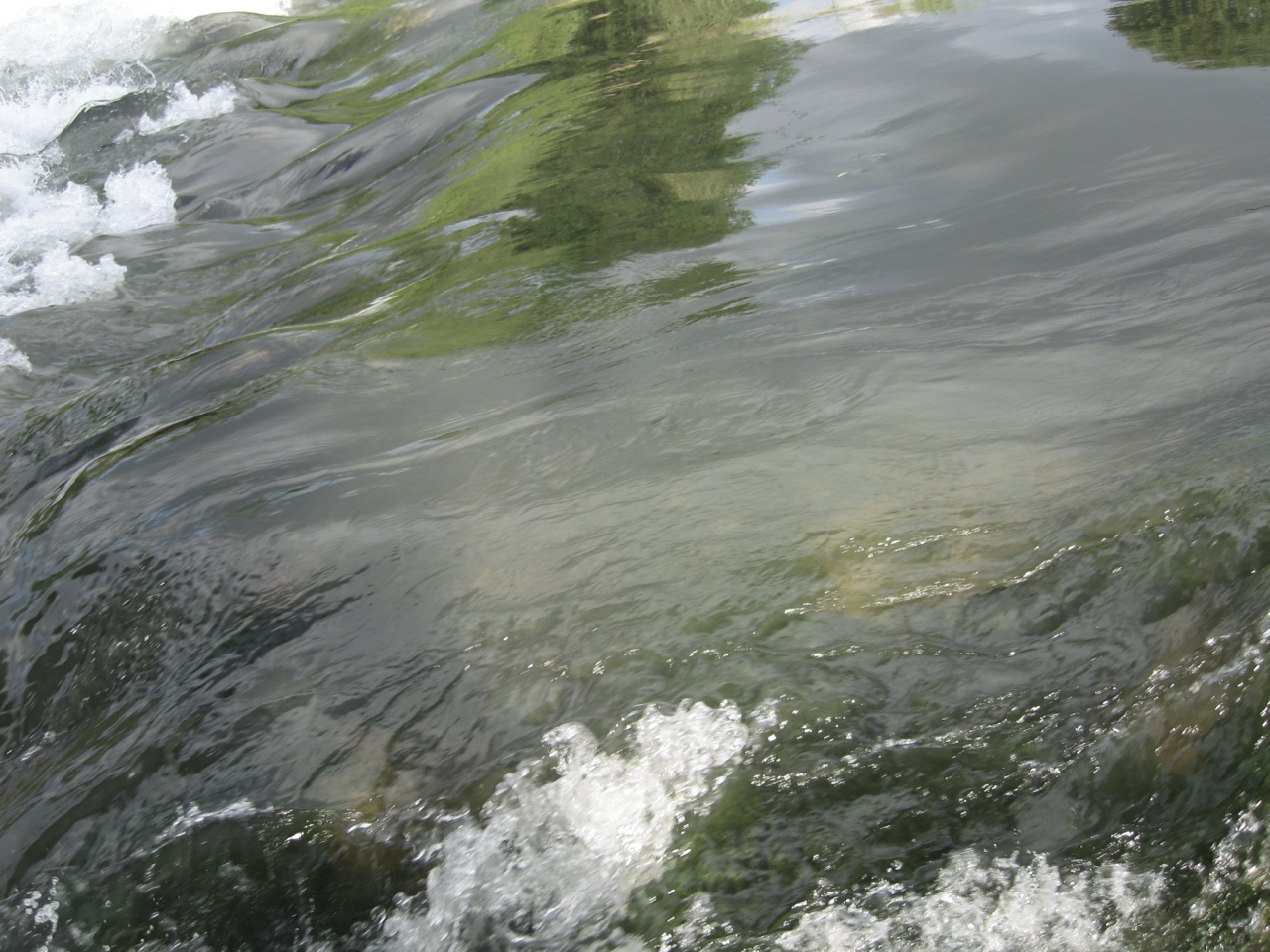
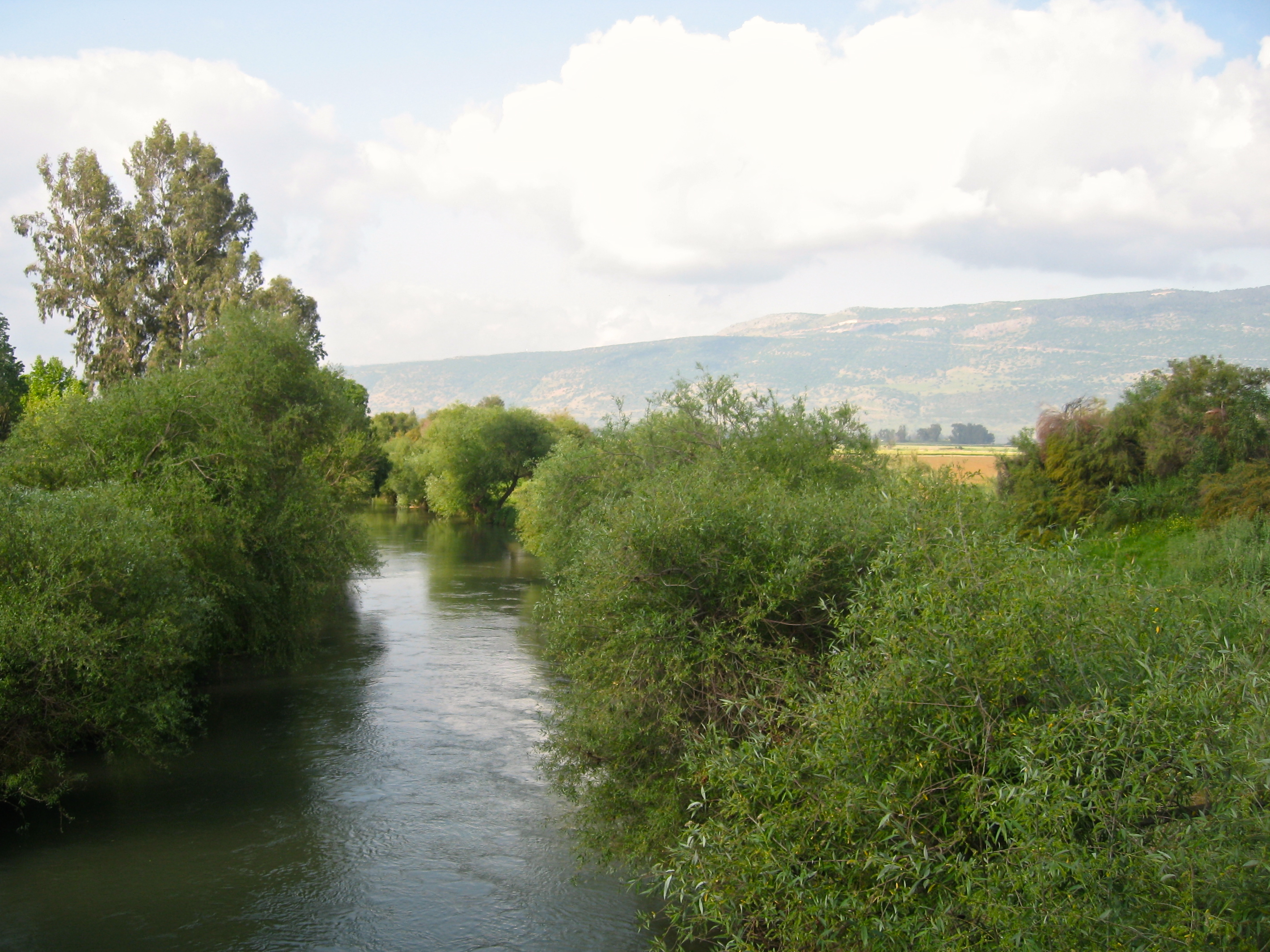
The Jordan River extends just 251 km from the base of Mount Hermon through the Hula valley to the Sea of Galillee (Kinneret) and then down to the Dead Sea about 422 metres below sea level, which has no outlet (for comparison, the Nile, Amazon, Yangtze and Mississippi rivers are each more than 6000 km long). The children of Israel led by Joshua cross the Jordan river near Jericho from the east to conquer and settle the land (Joshua 3:15-17). The New Testament states that John the Baptist baptised unto repentance in the Jordan and Jesus came to be baptised by him there (Matthew 3:13). Pilgrims can immerse in the Jordan river at the traditional site, Kasr el Yahud, just north of the Dead Sea.

Jordan’s river is chilly and cold, Hallelujah.
Chills the body, but not the soul, Hallelujah.

You can click on the image for a larger view (which may take some time to load depending on your Internet connection). Please share this post with your friends by clicking on the icons at the end of this message.

The photo was taken just east of Kfar Blum. The technical details – the photo was taken with a Canon point and shoot digital camera in April (ISO 50, 7.7mm, F2.8 at 1/400 sec).

I’m including a more traditional view of the Jordan River shot at the same time and place.

Photographs on this website are © Shmuel Browns (unless marked otherwise) – if you are interested in purchasing one of my photos or using one of my photos for your own project please contact me.

Photo of the Week – Nahal Darga

WordPress has a Weekly Photo Challenge and this week the subject is BIG so I’m submitting a photo. BIG is not what comes to mind when you think of Israel, the country is very small, about the size of New Jersey and whether it is a lake, a river, a canyon or a mountain it’s not very BIG. The photo was taken on a hike – the young man under the BIG rock is our youngest, AdirChai. If you think you know where the photo was taken leave a comment below; at the end of the week I’ll post the answer so check back.

In the winter during the rainy season, there are flash floods in desert areas and the water is able to move BIG stones which can then get lodged between the walls of the canyon. The water fills depressions in the floor of the canyon so on this hike you have to swim across pools of water. Make sure to put your camera (I brought along a smaller one), car key and cell phone in a watertight container so they won’t get wet. Please share this post with your friends by clicking on the icons at the end of this message.

The technical details – the photo was taken with a Lumix (point and shoot) digital camera on March 26 (ISO 80, 9.7mm, F3.9 at 1/500 sec).

Photographs on this website are © Shmuel Browns (unless marked otherwise) – if you are interested in purchasing one of my photos or using one of my photos for your own project please contact me.

Photo of the Week – Nahal Saar

Along with limestone, dolomite, sandstone and granite, there is also basalt in the north of Israel, an area of extinct volcanoes. Saar Falls is a waterfall that cascades into Nahal Saar in the winter rainy season. The nahal (stream bed) is the divide between the basalt of the Golan and the limestone of the Hermon. You can click on the image for a larger view (which may take some time to load depending on your Internet connection). Please share this post with your friends by clicking on the icons at the end of this message.

The technical details – the photo was taken with a Nikon D90 (digital SLR) camera with a Nikon 18-70mm lens on November 8 (ISO 400, 18mm, F4 at 1/60 sec). For another view check out my post at https://israeltours.wordpress.com/2010/02/26/saar-falls/

Photographs on this website are © Shmuel Browns (unless marked otherwise) – if you are interested in purchasing one of my photos or using one of my photos for your own project please contact me.

Dead Sea Shrinking

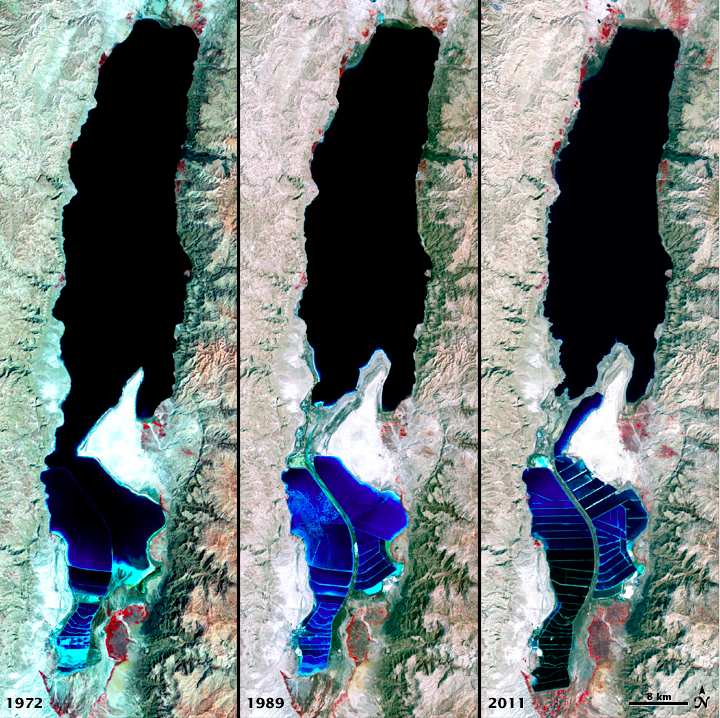
Dead Sea Shrinking (1972, 1989, 2011)

The Dead Sea is less than an hour drive from Jerusalem so it’s an area that I guide often. I always point out the two black lines on the rocks to the right of the highway across from Ein Feshka, the levels of the sea as recorded by the Palestine Exploration Fund in the 1920s and explain that the Dead Sea is shrinking by a meter a year. I usually get asked how the Dead Sea has changed over time. These satellite photographs from Nasa’s Earth Observatory website show it clearly.

The false-color images above were captured by the Landsat 1, 4, and 7 satellites on September 15, 1972, August 27, 1989 and October 11, 2011.
All three images include a combination of near-infrared, red, and green wavelengths. Deep waters are blue or dark blue, while brighter blues indicate shallow waters or salt ponds (in the south). The pale pink and sand-colored regions are barren desert landscapes, while green indicates sparsely vegetated lands. Denser vegetation appears bright red. Near the center is the Lisan Peninsula, which forms a land bridge through the Dead Sea.

For more information about the Dead Sea check out my blog post here.

Hiking Nahal Mikhmas

On Monday we drove out of Jerusalem on highway 437 past Pisgat Zeev to get to the starting point of our hike in the northern Judean desert. On the way, about 5km north of Jerusalem on the left along the watershed ridge at 839m above sea level is Gibeah (of Saul) or Givat Shaul usually pointed out as the location, Tel el-Ful, where King Hussein of Jordan began construction of his Royal Palace in the 1960s.

The site has a number of important Biblical/historical references:

• The Concubine of Gibeah, and the ensuing Battle of Gibeah between the Israelite tribes against Benjamin (Judges 19-21)

• Israel’s first king, Saul, reigned from Gibeah for 38 years (1 Samuel 8-31)

• Prophetic mention during the period of the Divided Kingdom (Hosea 5:8, 9:9, 10:9; Isaiah 10:29)

• The encampment of the 10th Roman Legion in their assault on Jerusalem in 70CE (Josephus, War of the Jews)

Just before we arrived at our destination on the right we passed another site, Qubur Bani Israel (Tombs of Children of Israel), 4 large narrow rectangular walled structures measuring 15 by 3 meters which rise from a rocky plateau overlooking Wadi Qelt. The megaliths still have two or three rows of gigantic, rough-hewn stones carefully in place. The name refers to the site being an ancient Jewish burial ground in the territory of Benjamin; archaeologists estimate the date as 2000BCE. A theory proposed by Noga Reuveni (who also established the biblical gardens of Neot Kedumim) is that in fact this site marks the tomb of Rachel who was buried “on the road to Efrat, now Bet Lehem (Bereishit 35:19)”. There is a city Farah settled near the spring Ein Farah that is mentioned among the cities of Binyamin (Joshua 18:23) and it is not unreasonable to posit that it was alternatively called Efrat (same Hebrew root). Since the city was in an area of wheat and barley, it was later renamed (like other cities) Bet Lehem. This also matches the description to Saul before his return home to Gibeah.

When you leave me today, you will meet two men near the tomb of Rachel in the territory of Benjamin (1 Sam. 10:2)

This should have been a clue that this was not going to be just a nature hike.

We started hiking from Geva Binyamin, also called Adam. Because the area is in Judea and Shomron/the West Bank we had to arrange clearance with the army and get the security officer to open the gate from the settlement. Geva Binyamin was founded in 1984 and in 2007 had a population of 3500 people. It sits between the Arab towns of Jabah and Mikhmus that recall the towns of Geva and Mikhmas mentioned in the Bible.

Open a TaNaKh and read 1 Samuel, chapters 13 and 14 for the account of the battle between King Saul and his son Jonathan against the Philistines. The Israelite forces are camped at Geva and the Philistines are on Mikhmas with the wadi separating them. Jonathan sneaks out of the camp at night and hidden by the deep walls of the canyon makes his way to the Philistine garrison… We were standing on the ridge reading the account of the battle, overlooking the area where it took place.

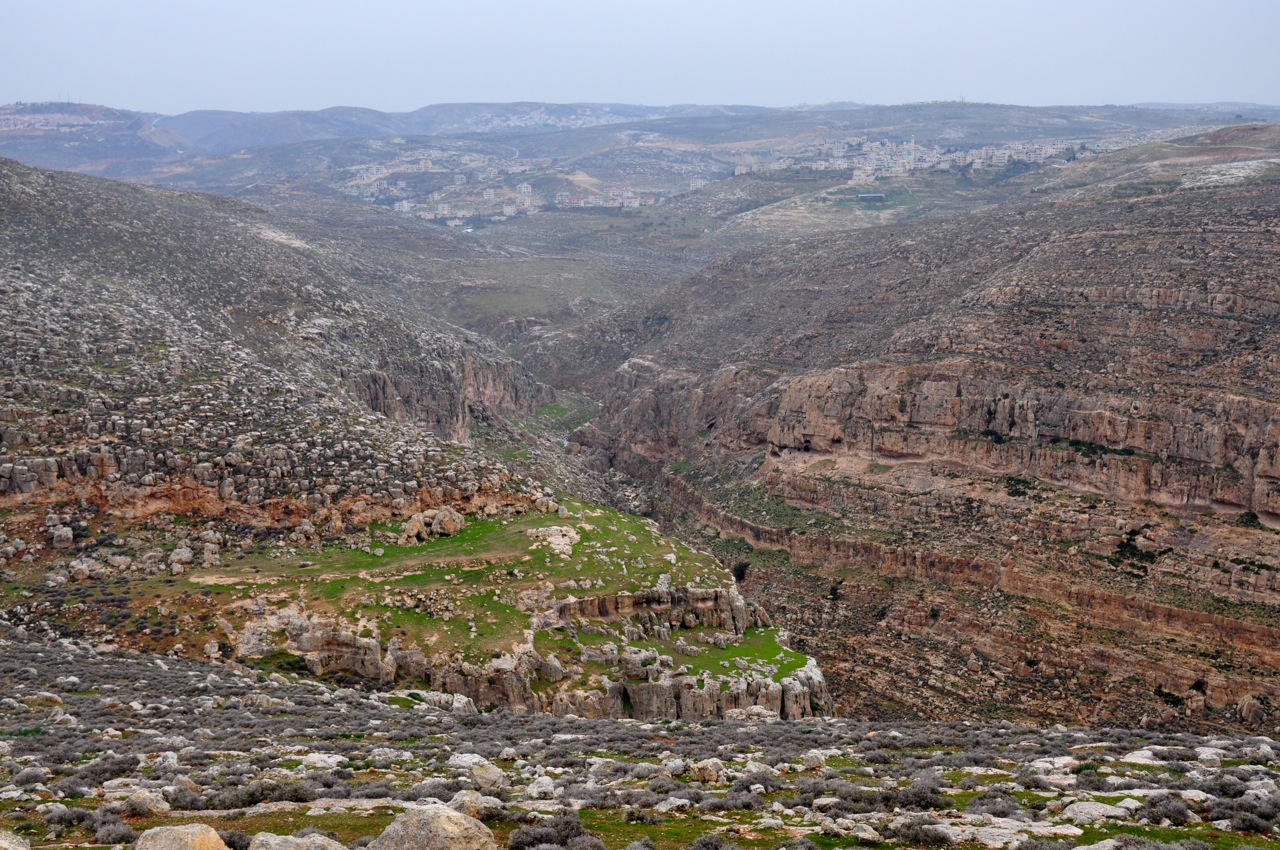
The black trail follows the ridge above Nahal Mikhmas. Hidden among a pile of rocks is the spring of Ein Suweinit. Many caves can be seen and we stopped at two of them, El-Jai is one of the largest in the Shomron.

From there we descended the steep cliff to the nahal, actually quite challenging because of the slippery rocks and mud.

Because of the rains we saw two flowers, the tiny purple Grape Hyacinth, in Hebrew, Kadan and bunches of white Desert Bulbs, Bezalziya.

Dark Grape Hyacinth (Muscari commutatum), also bulb, cluster of tiny flowers like jugs that hang upside down to protect the pollen from rain.

A rosette of grey-green leaves emerges before the flowers, 6 petals with a stamen on each, blooms for 5-6 weeks which is long for bulbs, grows among rocks to protect the bulbs from being dug up by porcupines and other animals.

Where Nahal Mikhmas joins Wadi Qelt the trail changes to red and we followed it to the left/east to Ein Mabu’a/Ein Fawwar. This spring is an artesian or karstic fountain, which flows from a cave into a round concrete pool built by the British in the 1920s. Until the Six Day War, the water was pumped to East Jerusalem, but today it is no longer used. In the Second Temple period an aqueduct brought water to the fortress at Cypros and there is a mosaic floor from a Byzantine church. If mosaics interest you then visit the nearby museum at Inn of the Good Samaritan.

Responsible Travel

In line with the United Nation World Tourism Organization’s Global Ethics for Responsible Tourism, I am committed to responsible tourism that benefits local communities and is respectful of the nature, religions and culture of the place.

Shmuel Browns, Licensed Israel tour guide #8203         

When you hire me as your guide you will be working with someone committed to the land, environment and people, to tikkun olam, the healing of our world. Here are some suggestions about what you/we can do.

When hiking take a plastic bag so that you can carry out your garbage. If you come across plastic bottles, bags, tins that others left behind add them to your garbage. Leave every place cleaner than you found it.

Take a spork (spoon/fork) and knife, a bowl and cup with you so you won’t have to use and then throw out disposable plastic.

Israel is hot so it is important to drink to prevent dehydration. It’s not necessary to buy bottled water (save the plastic bottle), the water in Israel is fine to drink.

Handling all the plastic (bottles, bags, packaging) puts a strain on Israel’s resources. Israel has a bottle law, you pay a deposit on wine and beer bottles, aluminum cans and small plastic bottles – these should be returned to a supermarket that will give you your deposit back and recycle the material; alternatively, leave these where people can collect them and get the money for returning them. Israel recycles large plastic bottles, paper and cardboard so make the effort to recycle these items in the appropriate wire cages and containers on the street.
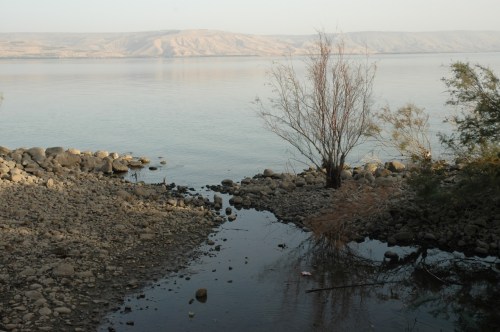
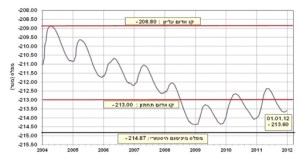
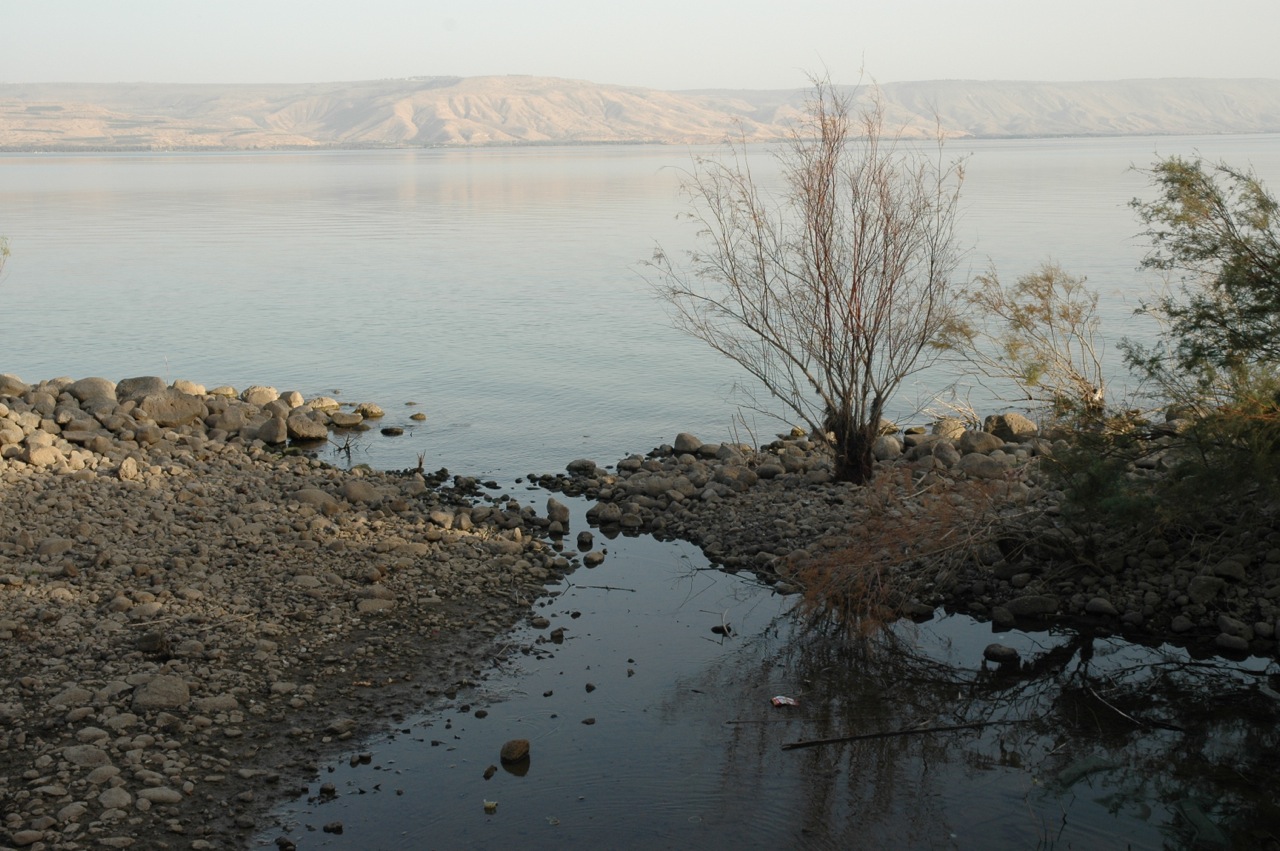
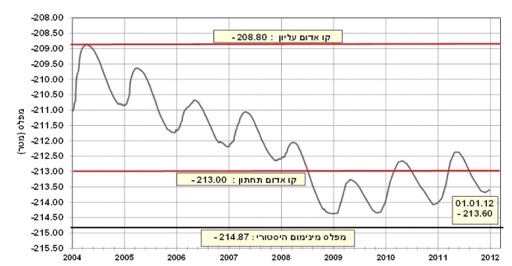
Conserve water! With climate change Israel has had less rain and the Sea of Galillee, the main fresh water reservoir is low, below the red line. Shut the water while taking a shower and while brushing your teeth, use the half-flush on the toilet.

Plant a tree in Israel by contacting the JNF/KKL (to help offset your carbon footprint and fulfill the Biblical commandment from Lev 19:23, When you come to the land and shall have planted all manner of trees for food…). Since its inception in 1901, the JNF has planted over 240 million trees, built 180 dams and reservoirs, developed 250,000 acres of land and established more than 1,000 parks.

To plant a tree with your own hands in the soil of Israel contact the JNF/KKL to make arrangements for your family or group (give them at least a weeks notice) at (02) 658-3449 or via email michalh at symbol kkl.org.il  If you have less than 7 people you can call the appropriate forester directly. For planting in the Jerusalem area (Aminadav forest), contact Aviram at 054 622-6213 and for planting in the north (Lavie forest), contact Yossi at 050 546-9069. You can also check the JNF/KKL website.
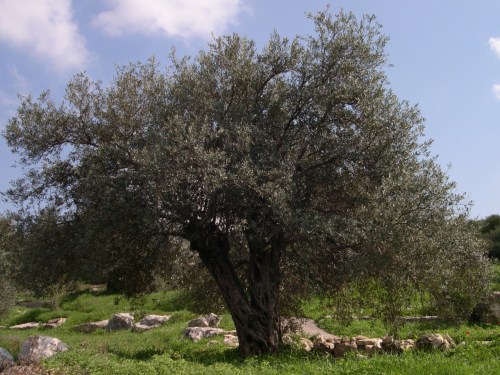
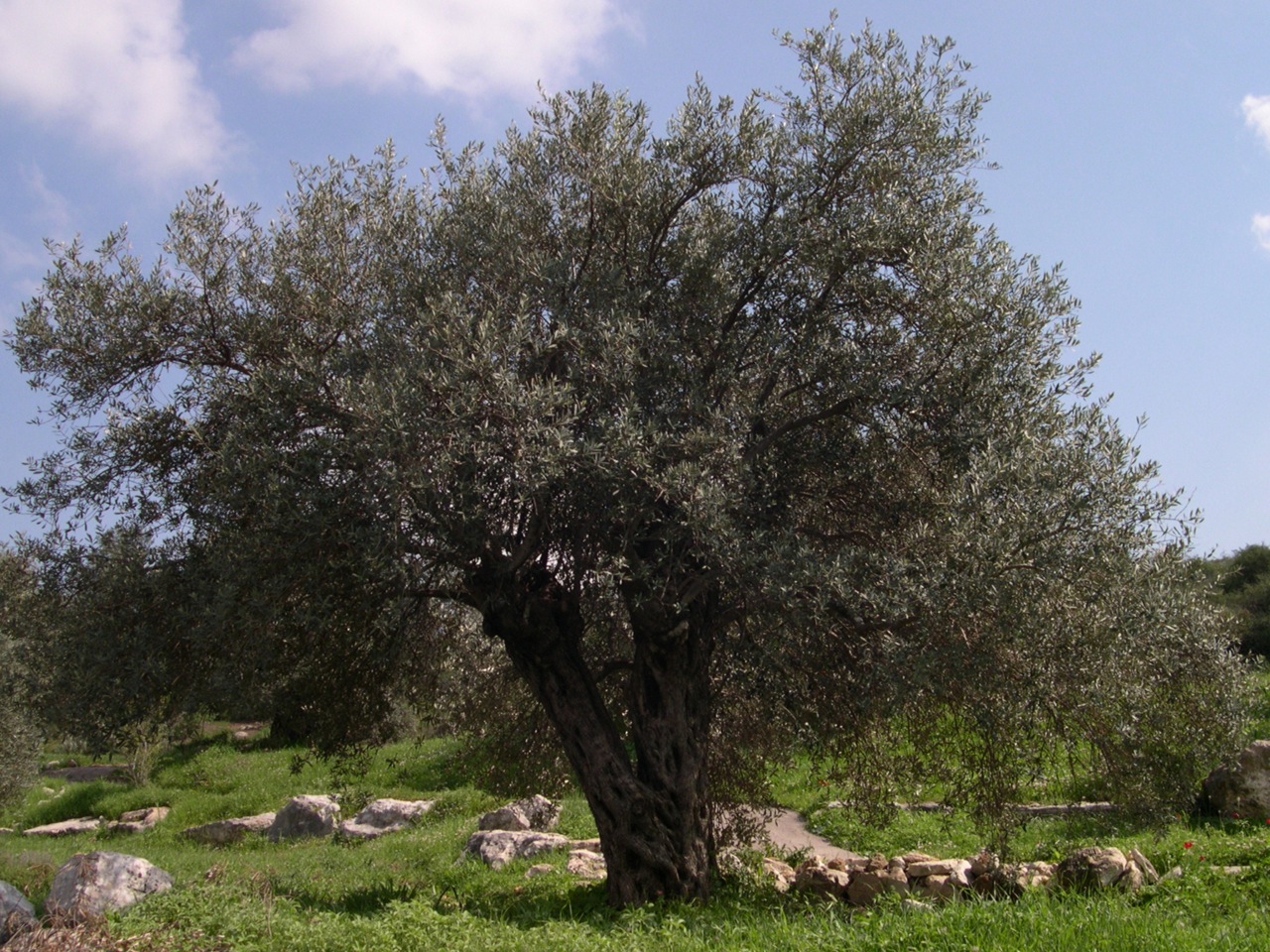
To plant an olive tree at Neot Kedumim, the Biblical Landscape Reserve, go to their website.

Travel by public transportation, rent a bike and walk when convenient.

Eat at restaurants that have a Tav Hevrati, “a seal of excellence that certifies business for upholding fair labor laws and implementing handicap accessibility measures. It rewards businesses that act ethically towards their workers, thereby promoting righteousness and justice in accordance with the values of justice and ethics in the Jewish tradition.”.

Hire a knowledgeable, local guide licensed by the Israel Ministry of Tourism.

Choose to take a walking tour.

Visit local conservation or social projects on your trip and find out how you could help support them.

Make an effort to learn a few words or phrases in the languages spoken – here are some basics:

Hello Shalom Saalam
Please Bvakasha
Thank you Toda Shukran
Sorry Slicha Afwan
Good morning/Good evening Boker tov/Erev tov Sabah el kheer/Masaa el kheer
How are you? Ma shlomkha? Kif halek?

You can check out this website for Hebrew and Arabic words and phrases that could come in handy.

http://www.linguanaut.com/english_hebrew.htm
http://www.linguanaut.com/english_arabic.htm

Please visit the ResponsibleTravel website for more suggestions on how to be a responsible traveler.