Category Archives: Photography

Upside Down, Jerusalem

A newly acquired piece of art, a polished stainless steel hourglass 5 meters tall stands in the plaza at the highest point of the Israel Museum campus. Commissioned by the museum from the London-based Indian sculptor Anish Kapoor it is called “Turning the World Upside Down, Jerusalem”. Kapoor is known for creating visually striking works that inspire interaction. Depending on where you stand you can frame the museum’s buildings, the trees and the sky in the polished surface and the effect is to invert the images, a play on the duality of the heavenly and earthly Jerusalem. And that’s what I did and captured in this photograph (note that the photo is upside down).

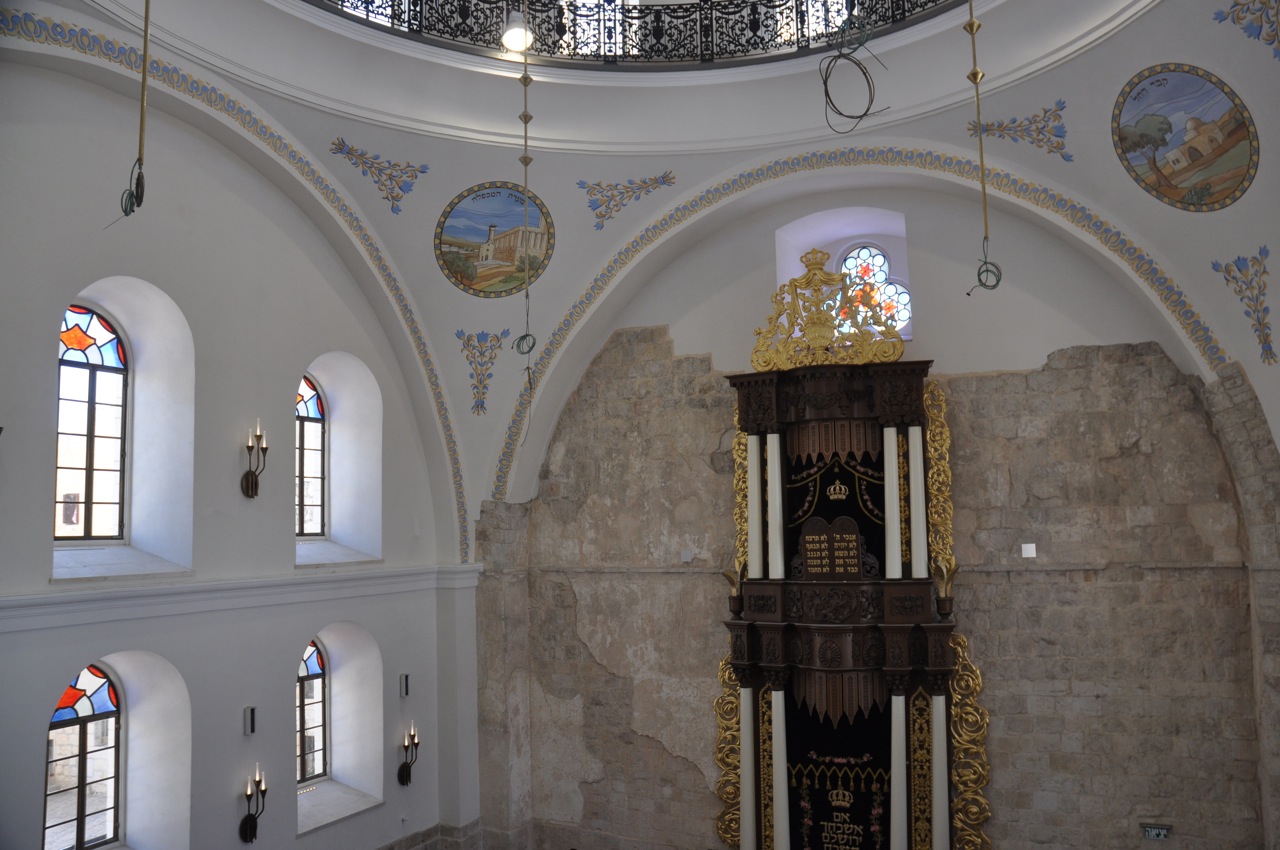
Hurva Synagogue views

The Hurva was the main Ashkenazi synagogue of the Old City and stood as a landmark for almost 100 years until it was blown up by the Jordanian Legion after they had captured the Jewish quarter on May 27, 1948. It took until 2005 to decide to rebuild the synagogue which was completed in March 2010. I visited it shortly afterwards on a Shabbat morning for services. Make sure to go down into the basement (by the washrooms) to see the discovery of a mikveh (ritual bath) from the Second Temple period and an east-west Byzantine street. The second time I joined a weekday tour of the synagogue but we weren’t allowed into the main sanctuary. The guide was only able to show us the inside of the synagogue from the women’s balcony but we were allowed to go up to the roof. The Hurva synagogue is the only site that I am not permitted to bring people (therefore I skip the Hurva and tell its fascinating story outside) – that privilege goes to local guides that work for the Western Wall Heritage Foundation and you have to reserve a place in advance.

One of the highlights was the view of Jerusalem from the balcony around the dome. Here are 5 photos (shooting clockwise) taken from the height of the dome: 1) looking towards the Christian quarter, domes and bell tower of the Church of the Holy Sepulcher, bell tower of German Church of Redeemer and dome of Alexander Nyevsky Church, 2) view over the Jewish and Muslim quarters with Mount Scopus in the background, 3) Dome of the Rock, Mormon University and Augusta Victoria, 4) dome of Al Aqsa Mosque and Jewish cemetery on Mount of Olives 5) view towards Armon HaNatziv, Mount Zion, Dormition Abbey, Armenian quarter.

This slideshow requires JavaScript.

Makhtesh HaKatan

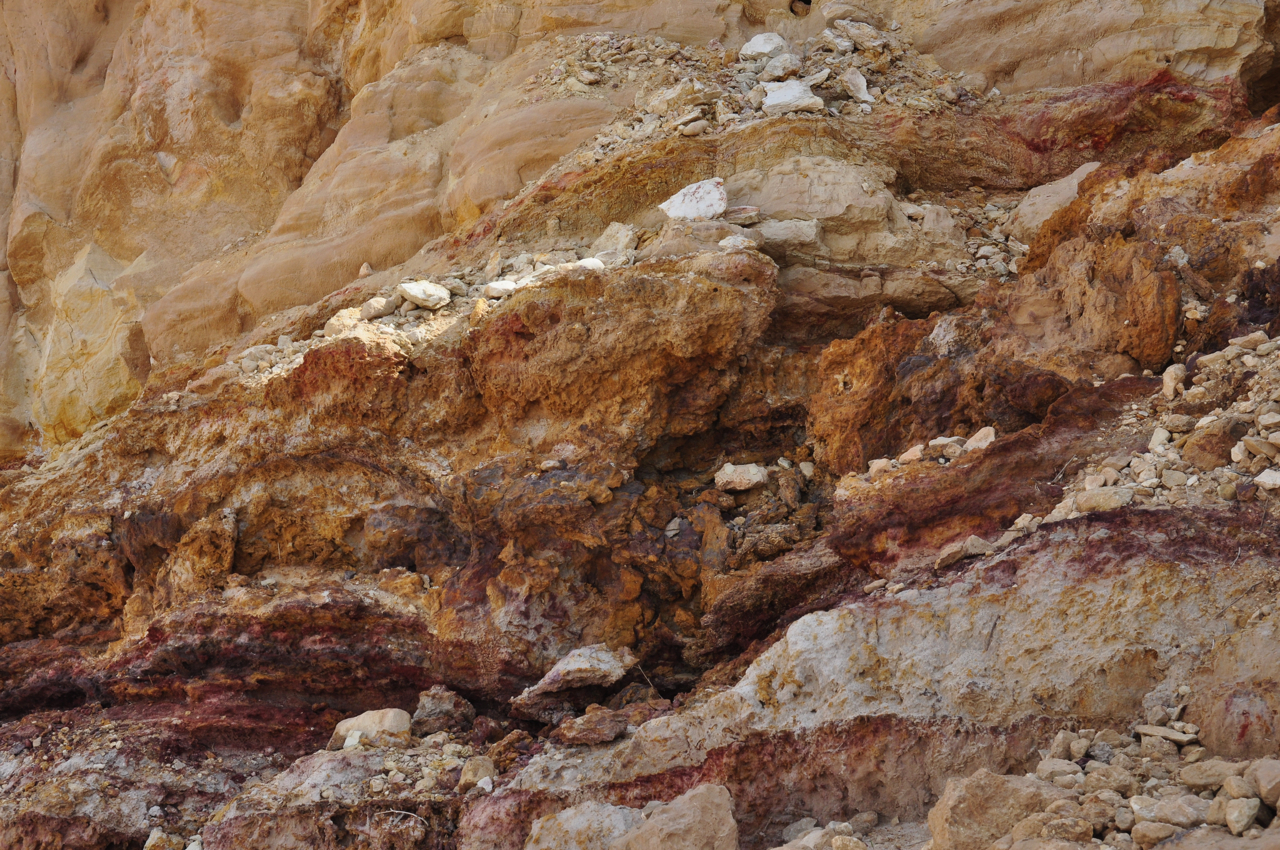
The Makhtesh HaKatan (Small Makhtesh) is the smallest (about 5km x 7km) of 3 makhteshim, a geological land formation in the Negev desert, known also as an erosion cirque. A makhtesh has steep walls of resistant rock surrounding a deep closed valley which is usually drained by a single wadi (stream bed). These walls were made of an outer layer of hard rock, limestone and dolomite, covering a softer layer of chalkstone and sandstone. Erosion washes away the softer layer and eventually the hard layer of rock collapses creating a crater-like valley. The layers of rock can still be seen in the walls of the makhtesh, the sandstone comes in many colors.

The following photos of the multicolored, textured sandstone were taken while hiking in the makhtesh, abstract paintings by the hand of God.

Nahal Saar

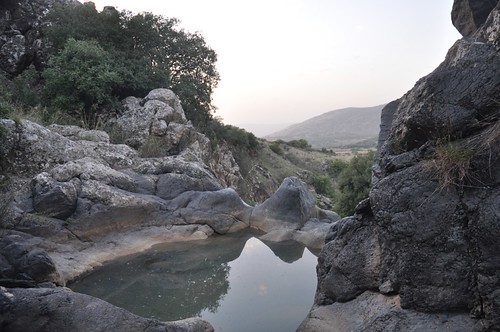
Just 4 km from Nimrod fortress at the junction of highway <989> with <99> is the Saar waterfall and pool. This photo was taken in November before we had much rain so there was no waterfall – you can see that the pool is very quiet and serene. This is one of the places that I suggest to people who are interested in a tour focussed on photography.

DSC_0153

A couple of weeks later I was touring with a family to the Golan and we stopped at Saar Falls. With the rain the water was now cascading down the rocks in three waterfalls.

Nahal Saar is the divider between the basalt plateau of the Golan and the limestone Mount Hermon. The root of Hermon, hrm, is the same as the Arabic Haram indicating a holy, untouchable or sacred precinct (as in the Haram el-Sharif in Jerusalem).

Mount Sodom

Mount Sodom

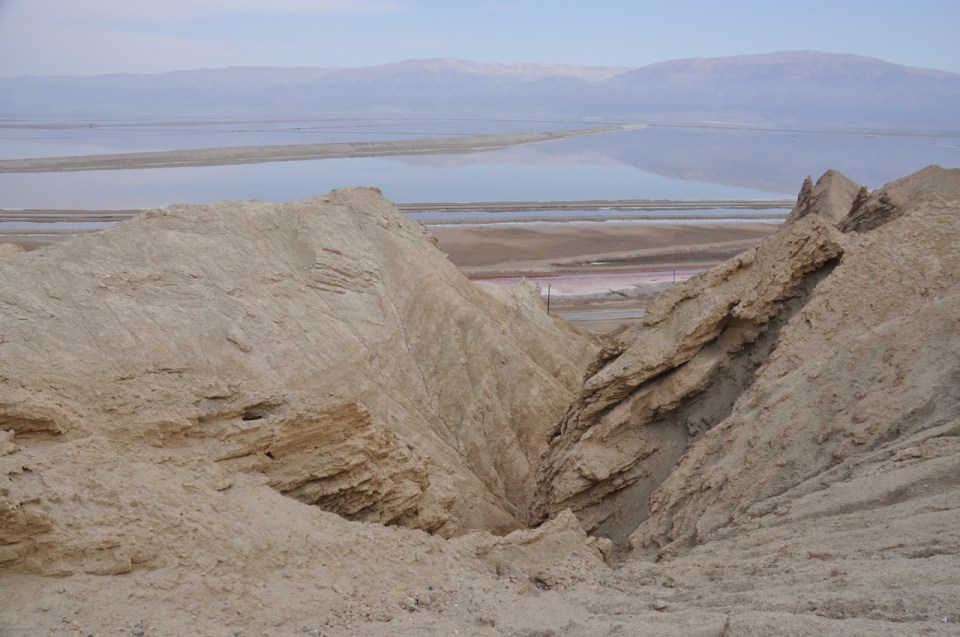
South of Masada along highway 90 there is a hike up Mount Sodom, a hill that is made up almost entirely of halite or rock salt. It is 226 meters above the Dead Sea with some great views (and photography opportunities) but still 170 meters below sea level. Don’t miss the rock formation that has separated from the cliff face due to weathering. It is known as Lot’s wife, a reference to the Biblical story of the destruction of Sodom and Gomorrah and how Lot’s wife looked back as they left and was turned into a pillar of salt. Interestingly there are other rock outcrops that are called Lot’s wife in other parts of the world, check Wikipedia for some fascinating accounts like a basalt pillar, a deserted, volcanic island in the Philipines Sea, at the southernmost tip of the Izu archipelago in Japan.

Lot's wife as a pillar of salt, © 2009 Shmuel Browns

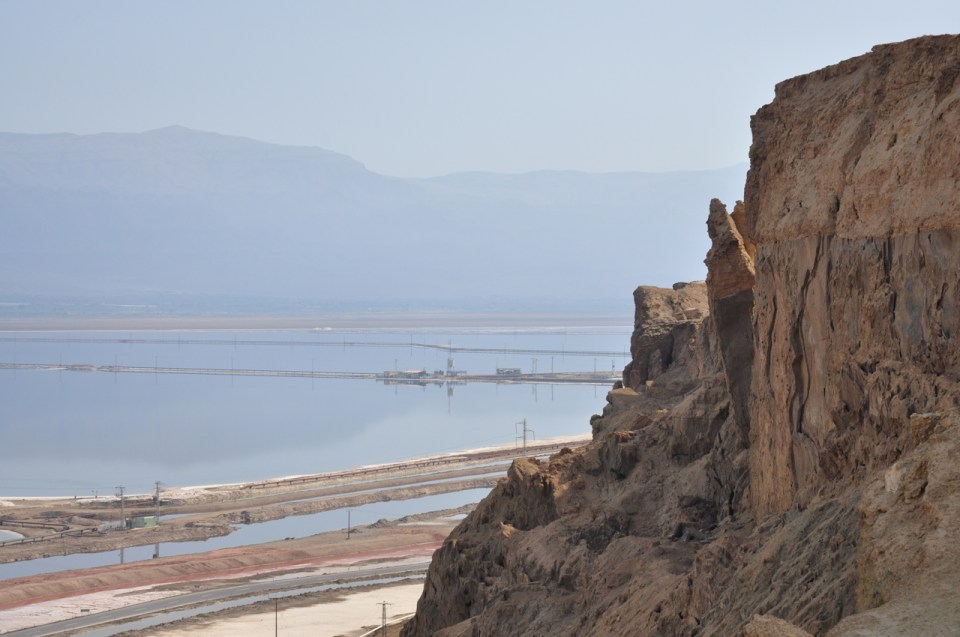
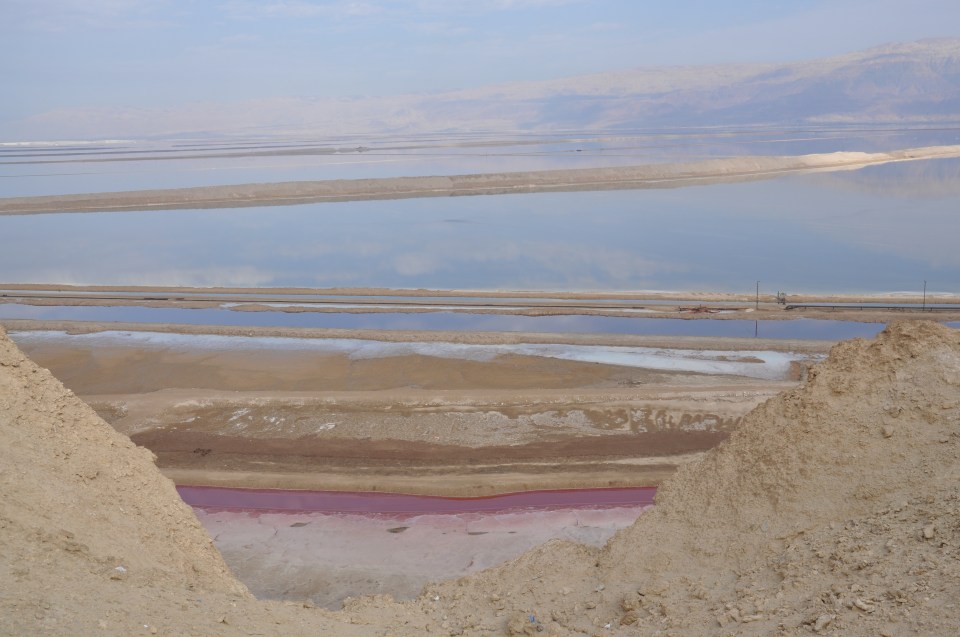
Dead Sea pools

Wildflowers, after the rain

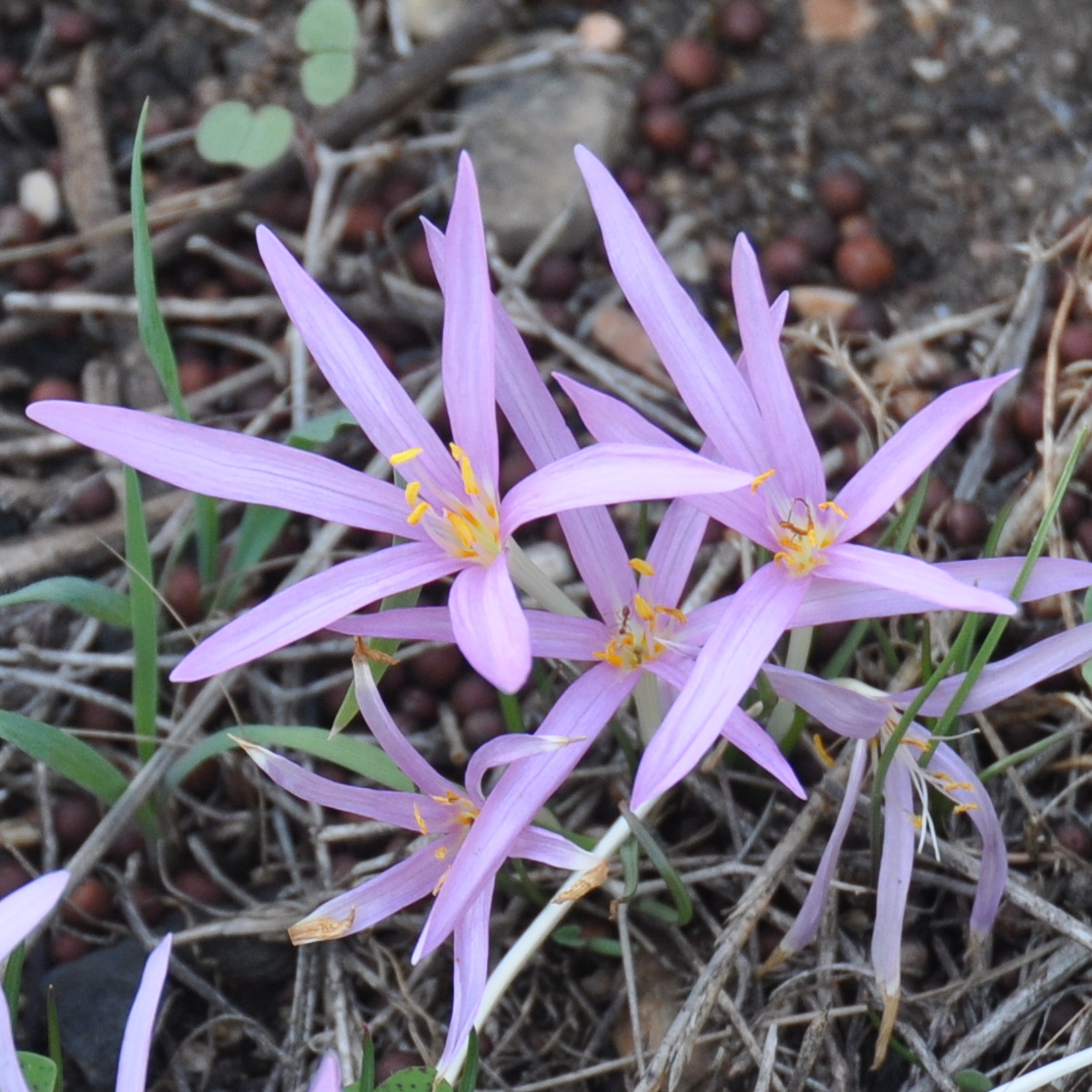
Shortly after the first autumn rains, a perennial called Steven’s meadow saffron (Colchicum steveni, סתונית היורה), with small, delicate pink flowers appears in the fields and woods. I don’t know who Steven is but in Hebrew some clever person called it Sitvanit from Stav meaning autumn and HaYoreh, the first rain.

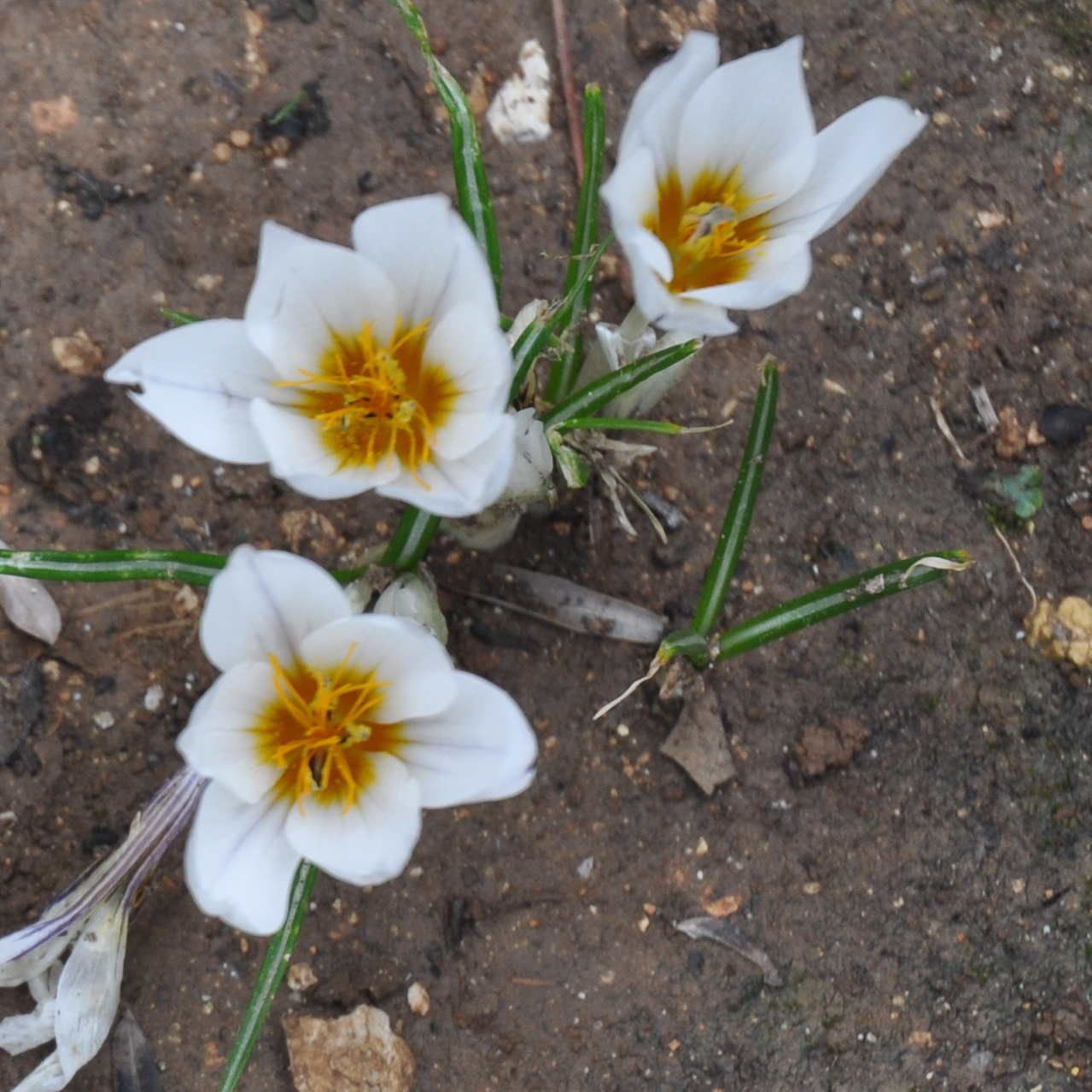
Another flower that comes up at this time is crocus. These flowers are  Winter crocus (Crocus hyemalis, כרכם חרפי) and I saw bunches of them while hiking in Nahal Katlav just south of Jerusalem.

On the Golan, specifically Nahal Yehudia, I saw some narcissus (Narcissus tazetta, נרקיס) with white petals and yellow crowns and cyclamen (Cyclamen persicum, רקפת) already in bloom. I saw the leaves of lupines (Lupinus varius, תורמוס ההרים) just pushing out of the earth.

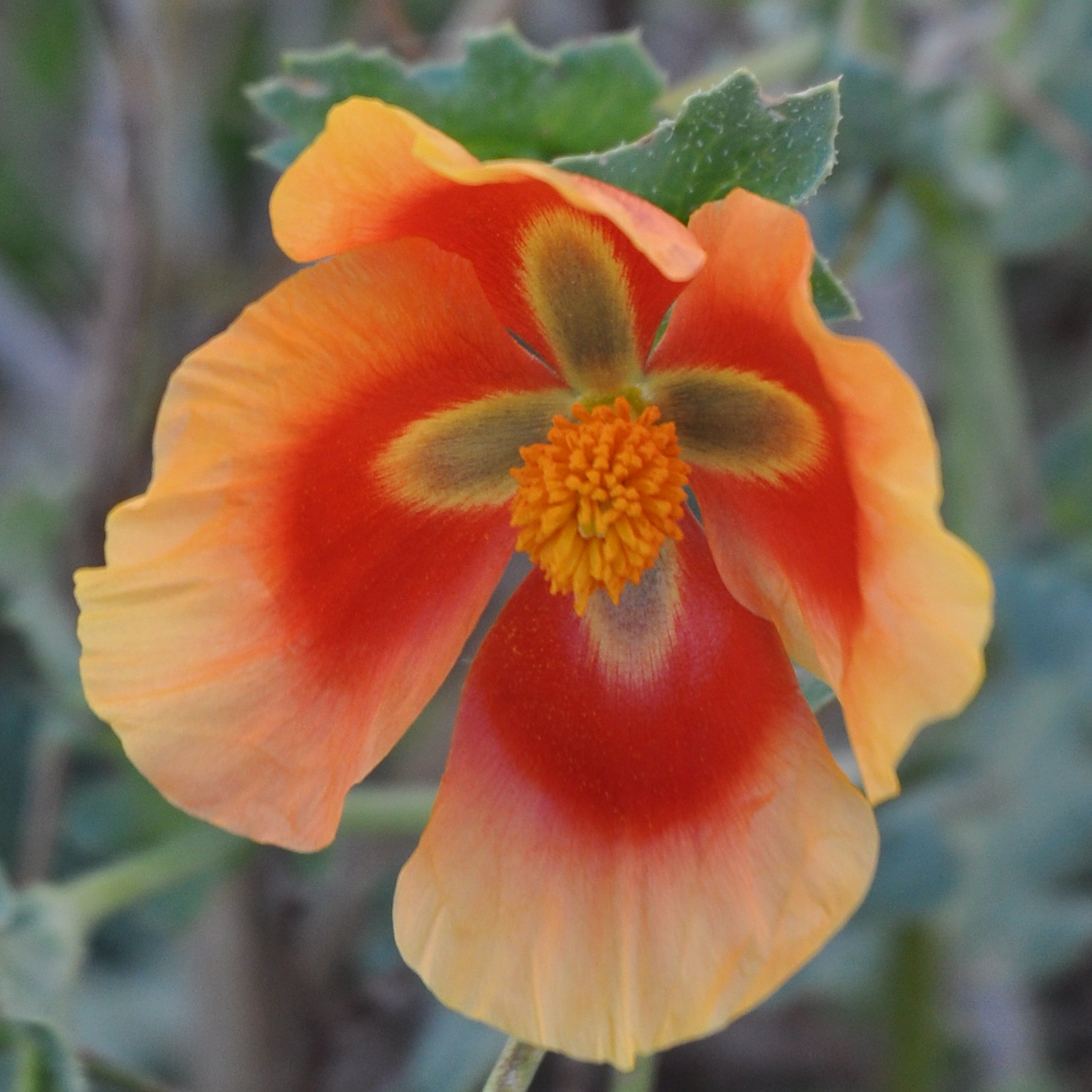
I was hiking under the ski lifts on the Hermon and found this flower, which I learned from my very knowledgeable colleague Zvi Bessin is Lotus Sweetjuice (Glaucium leiocarpum, פרגה קירחת). This perennial grows only in the area of the Hermon and is left over from the summer.

Also check out the post Wildflowers, before the rain.