Category Archives: Nature

Photo of the Week – Mediterranean Sky

Israel is a very small country (about the size of the state of New Jersey) but has access to the Red Sea at Eilat and about 200 km of Mediterranean coastline with some great beaches. This photo was taken at the beach at Ashdod. This photo is number 52, one for each week of the year – next week we’ll start a new different series of photos.

Mediterranean sky

The technical details – the photo was taken with a Canon point and shoot camera at the end of March (ISO 50, 7.7mm, F7.1 at 1/400 sec).

Photographs on this website are © Shmuel Browns (unless marked otherwise) – if you are interested in purchasing one of my photos or using one of my photos for your own project please contact me.

Related articles

Photo of the Week – Dead Sea Colors

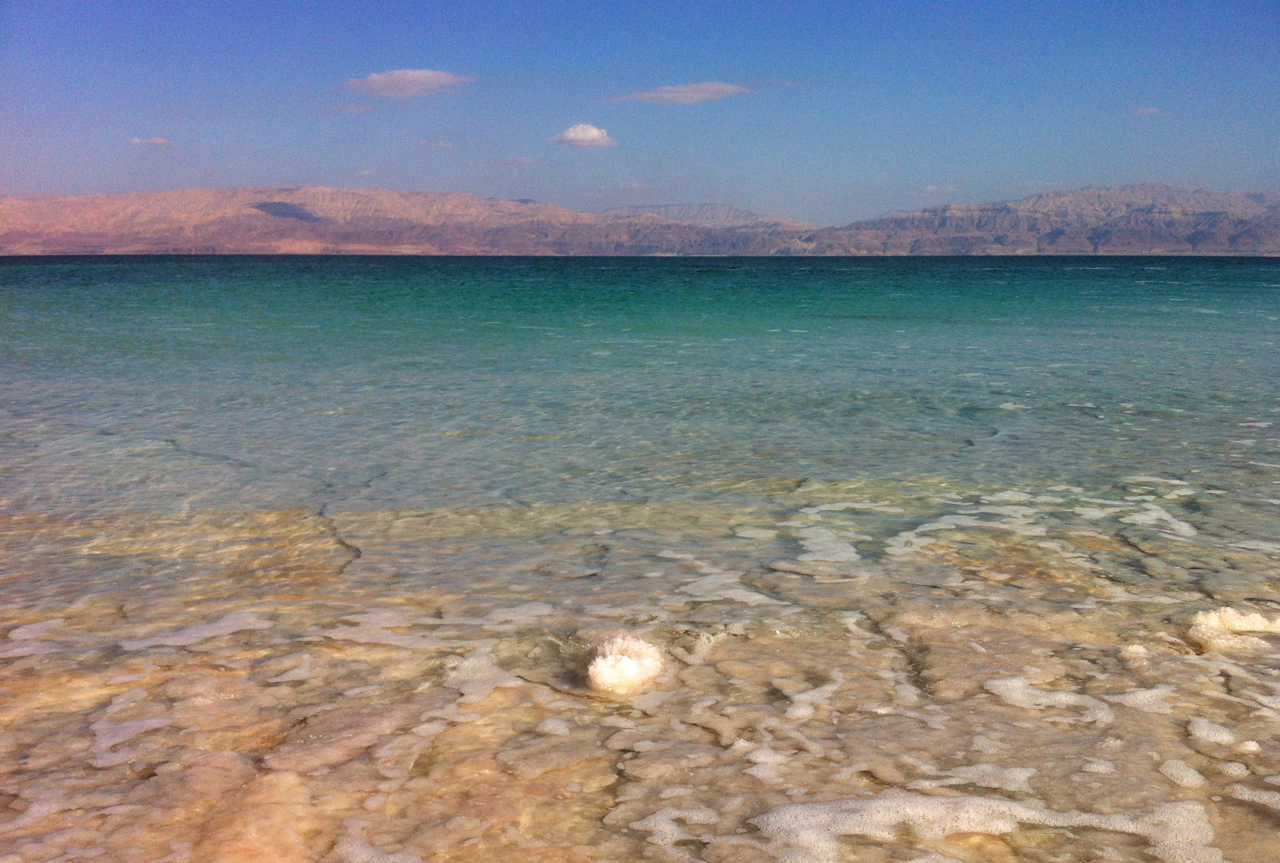
The area of the Dead Sea, less than a two-hour drive from Jerusalem, has a lot of photo opportunities – mountains, dry waterfalls, pools with waterfalls, sinkholes. This photo is an image of the Dead Sea taken standing at the shore facing Jordan at the end of a day of guiding. Israeli photographer, David Rubinger (it’s my photo of him with his Leica), says that the best camera to capture an image is the one you have with you, in this case I shot the photo with my iPhone. Clicking on the image will display it larger. Please share this post with your friends by clicking on the icons at the end of this message.

Dead Sea Colors

The technical details, shot with the Camera app on my iPhone, ISO 80, 3.8mm, F2.8 at 1/2700 sec.

Photographs on this website are © Shmuel Browns (unless marked otherwise) – if you are interested in purchasing one of my photos or using one of my photos for your own project please contact me.

Related articles

Photo of the Week – Nahal Peratzim

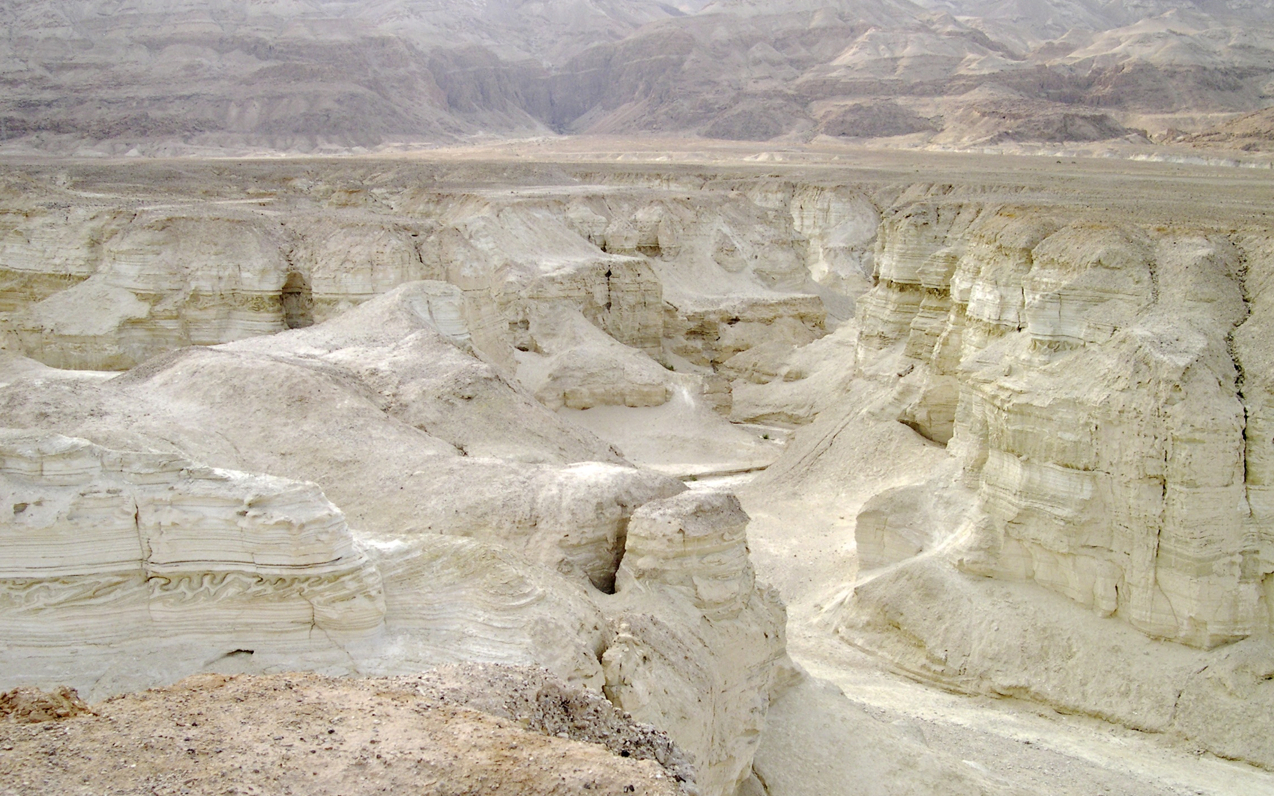
A popular day trip from Jerusalem is to do Masada and Ein Gedi and then end the day with a float in the Dead Sea. I guided a family on this route last week. In thinking about it I want to suggest a different Judean desert trip. Visit the pools and waterfalls at Ein Gedi but instead of doing the crowded Nahal David (a nahal is a dry stream bed) hike to the hidden waterfall in Nahal Arugot, do Masada in the afternoon and end the day with a walk through Nahal Peratzim as the sun sets and the moon rises, a great family hike. This photo is Nahal Peratzim, a canyon between high walls of lissan marl. Clicking on the image will display it larger. Please share this post with your friends by clicking on the icons at the end of this message.

Nahal Peratzim

The technical details – the photo was taken with a Nikon point and shoot camera in April (ISO 100, 8mm, F7.6 at 1/100 sec).

Photographs on this website are © Shmuel Browns (unless marked otherwise) – if you are interested in purchasing one of my photos or using one of my photos for your own project please contact me.

Photo of the Week – Red Canyon Colors and Textures

When driving down to Eilat you can turn off of highway <90> and drive along highway <12> that runs along the border with Egypt. There’s a great family hike on the way, watch for Wadi Shani and hike the Red Canyon. This photo was taken at the entrance to the canyon. Clicking on the image will display it larger. Please share this post with your friends by clicking on the icons at the end of this message.

Red Canyon

The technical details – the photo was taken with a Nikon D90 (digital SLR) camera with a Nikkor 18-70mm lens in February (ISO 400, 18mm, F10 at 1/160 sec).

Photographs on this website are © Shmuel Browns (unless marked otherwise) – if you are interested in purchasing one of my photos or using one of my photos for your own project please contact me.

Related articles

Flora of Israel – Mandrake

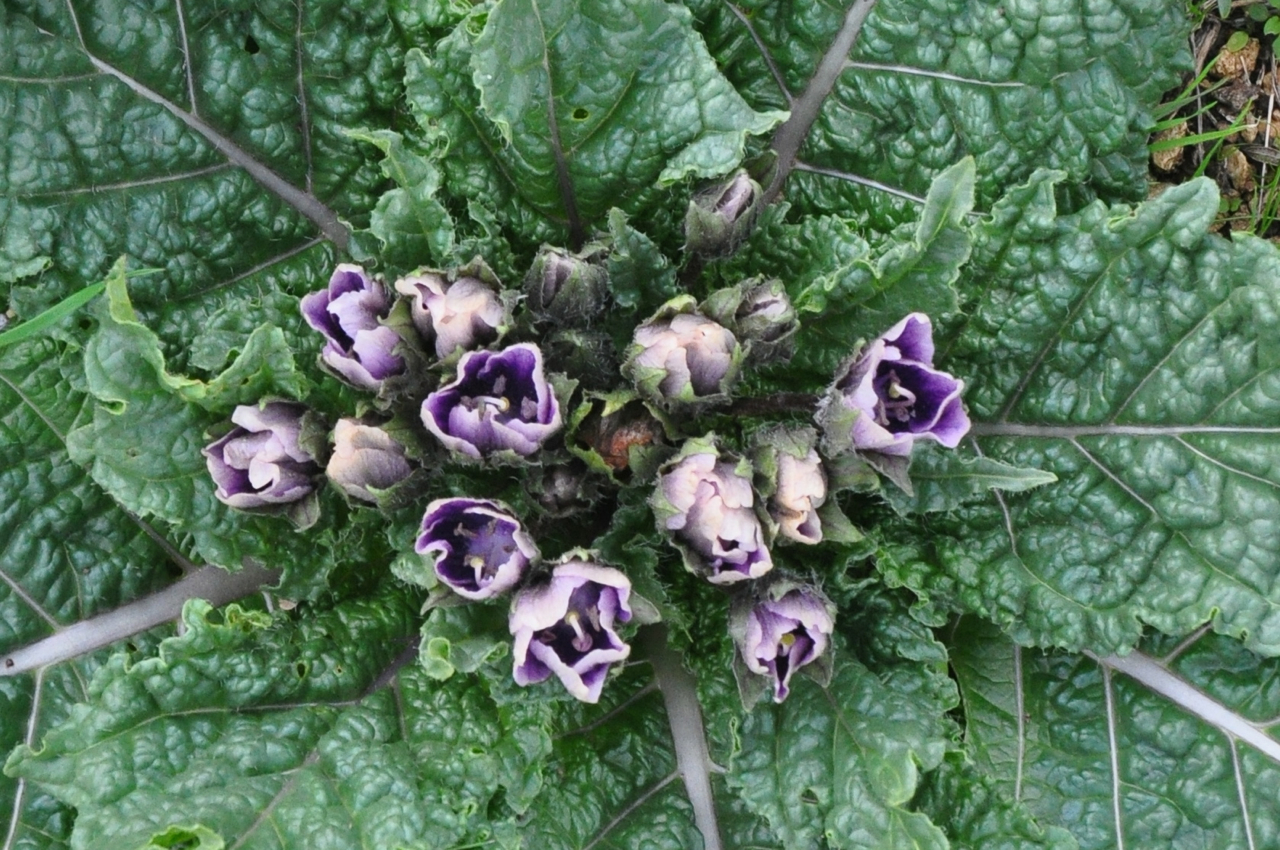
There are two places I have found clumps of mandrake (Mandragora autumnalis) or dudaim in bloom, Neot Kedumim, the Biblical Landscape Reserve and Khirbet Midras; they can also be found at the Jerusalem Botanical Gardens in the Mediterranean section, blooming in December/January. Mandrakes are mentioned in two places in the Bible, in Genesis and Song of Songs, suggesting that it is an aphrodisiac.

Reuben went out and found mandrakes in the field and brought them to his mother, Leah. Then Rachel said to Leah, “Give me, I pray thee, of your son’s mandrakes”.  Genesis 30:14

The mandrakes send out their fragrance, and at our door is every delicacy,
both new and old, that I have stored up for you, my beloved.  Song of Songs 7:13

Mandrake

This perennial has a clump of dark green leaves, resembling somewhat the leaves of chard; in the center appear purple flowers. The fruit, orange to red berries, resembling cherry tomatoes, ripen by late summer, at the time of the wheat harvest. The plant has a tap-root (splits into two sometimes) that has a peculiar shape resembling a miniature person. All parts of the mandrake plant are poisonous; it acts as a parasympathetic depressant, hallucinogen, and hypnotic.


This post is for Bonna, my life partner and mother of our 5 children – in heartfelt gratitude for 32 years together. In Hebrew the word lev or heart is equal to 32.

Flora of Israel – Caper

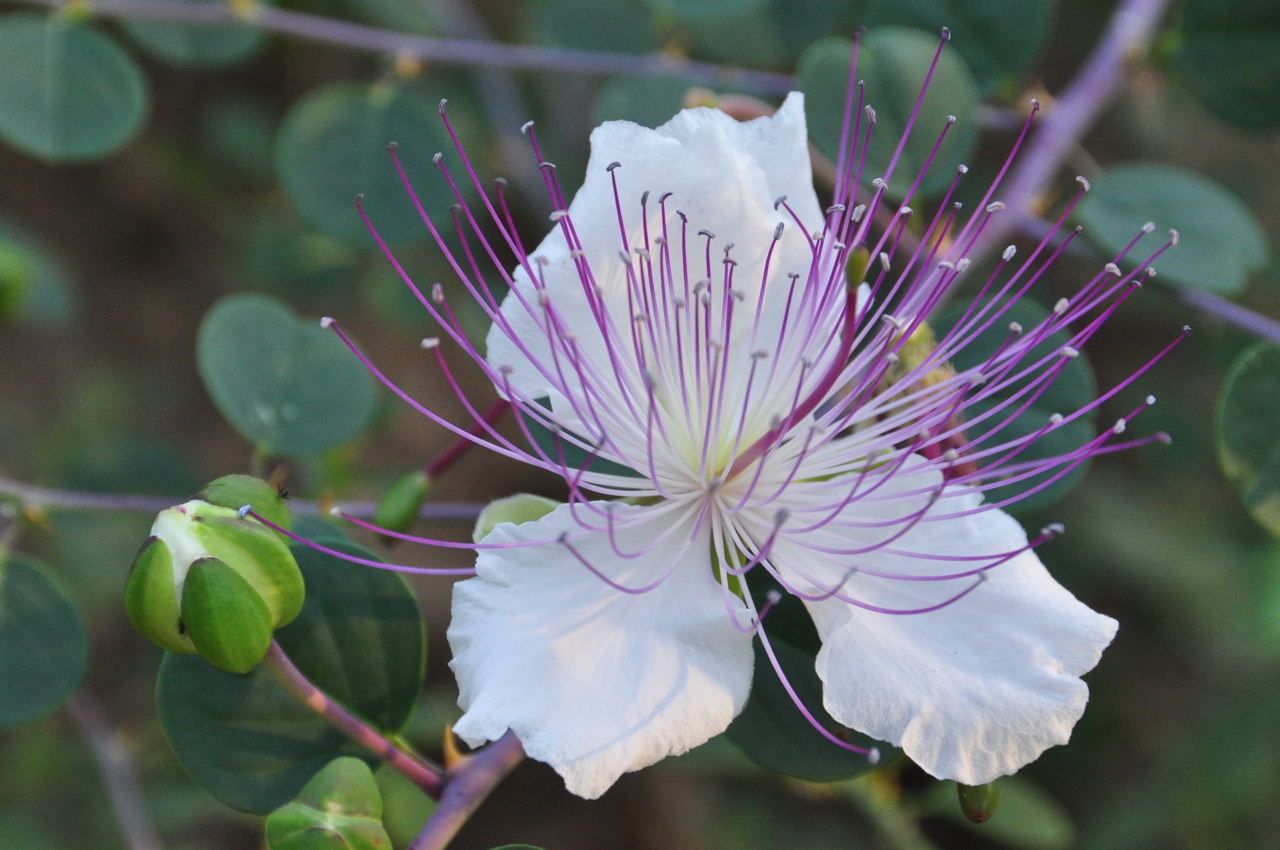
Whether growing in the cracks of the Western Wall or in the Judean desert, in places like Ein Gedi, people are surprised when I point out this bush and they learn that it is a caper bush (Capparis spinosa) and that the flower buds are the capers that they’ve eaten pickled in salads or with salmon. The caper is a perennial winter-deciduous plant that bears rounded, fleshy leaves and large white to pinkish-white flowers.

Caper

The flowers are complete, sweetly fragrant, showy, with four sepals, and four white to pinkish-white petals, many long violet-colored stamens, and a single stigma usually rising well above the stamens. The caper flower is the emblem of Neot Kedumim, the Biblical Landscape Reserve. The caper plant is a citizen of the world, native to the Mediterranean, East Africa, Madagascar, south-western and Central Asia, Himalayas, the Pacific Islands, Indomalaya and Australia.