Category Archives: Desert

Photographing Wildlife at Ein Gedi

These two wildlife photos were taken on a hike in Nahal Arugot in the Ein Gedi Nature reserve. Nahal David is the more popular, family oriented part of the reserve which makes Arugot great for a more off the beaten track outing, less crowded and great for photographers. If you follow the stream bed to the end of the wild and photogenic canyon you will reach the hidden waterfall.
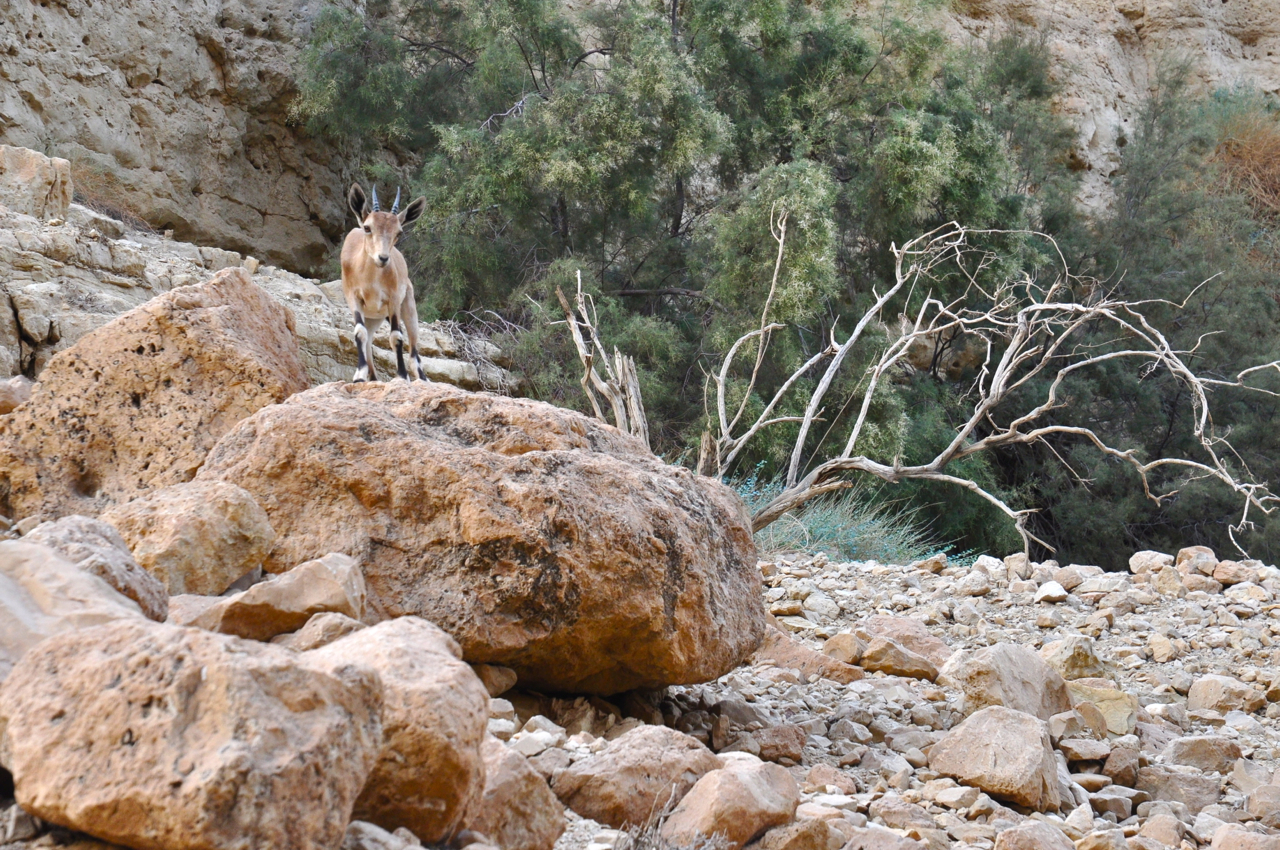
Ibex at Ein Gedi

The ibex (Capra nubiana) is one of 9 species of wild goats (the North American Rocky Mountain goat is in a separate genus, Oreamnos). The ibex is a ruminant, meaning they have four-chambered stomachs and chew their cud so they are kosher, along with addax, antelope, bison, deer, and giraffe. Evidence of the ibex is widely present in the archaeological record, for example, rock drawings, pottery and seals, particularly in the Near East and Mediterranean regions.

The technical details – the above photo of a young ibex was taken with a Nikon D90 digital SLR camera with Nikkor 18-70mm lens at the end of October (ISO 500, 70mm, F9 at 1/125 sec) in Nahal Arugot.

Rock Hyrax

The rock hyrax (Procavia capensis, in Hebrew שפן הסלע) is a medium-sized (~4 kg) terrestrial mammal, superficially resembling a guinea pig with short ears and tail but, in fact, the hyrax is related to the modern-day elephant. The rock hyrax inhabits rock crevices which protect it from predators as written in Psalms 104,18  סלעים מחסה לשפנים, rocks hide the hyrax; it also uses sentries, one or more animals take up position on a vantage point and issue alarm calls on the approach of predators. Among at least 21 vocalizations that the hyrax can make, it makes a loud grunting sound while moving its jaws as if chewing which may be the reason that the hyrax is listed in Leviticus 11,5 as a non-kosher animal that chews its cud. Unique to hyraxes is the dorsal gland, which excretes a skunk-like odor used for social communication and territorial marking. Hyraxes typically live in groups of 10–80 animals, and forage as a group. The rock hyrax has incomplete thermoregulation and so can be seen sunning itself on rocks – it spends approximately 95% of its time resting.
Weekly Photo Challenge: One Shot, Two Ways

I read photographer Jeff Sinon’s post Photography 101: Finding the Best Shot in which he discusses whether to shoot a scene in landscape (horizontally) or portrait (vertically). I tend to use many of my photographs of sites in Israel on my website and I find that horizontal photos fit better on my web page. But there are subjects where you pretty much have to shoot in portrait, such as cascading water. Jeff posed an interesting challenge:

The next time you’re out taking a picture, capture the scene horizontally and vertically. Then, ask yourself: does one shot work better than the other? Do you recognize why?

I was driving down to the Negev, about a 2½ hour drive from Jerusalem, to go stargazing in Makhtesh Ramon on Thursday night. I planned an early morning hike, from nearby Sde Boker to Ein Akev, a spring and pool in the desert.

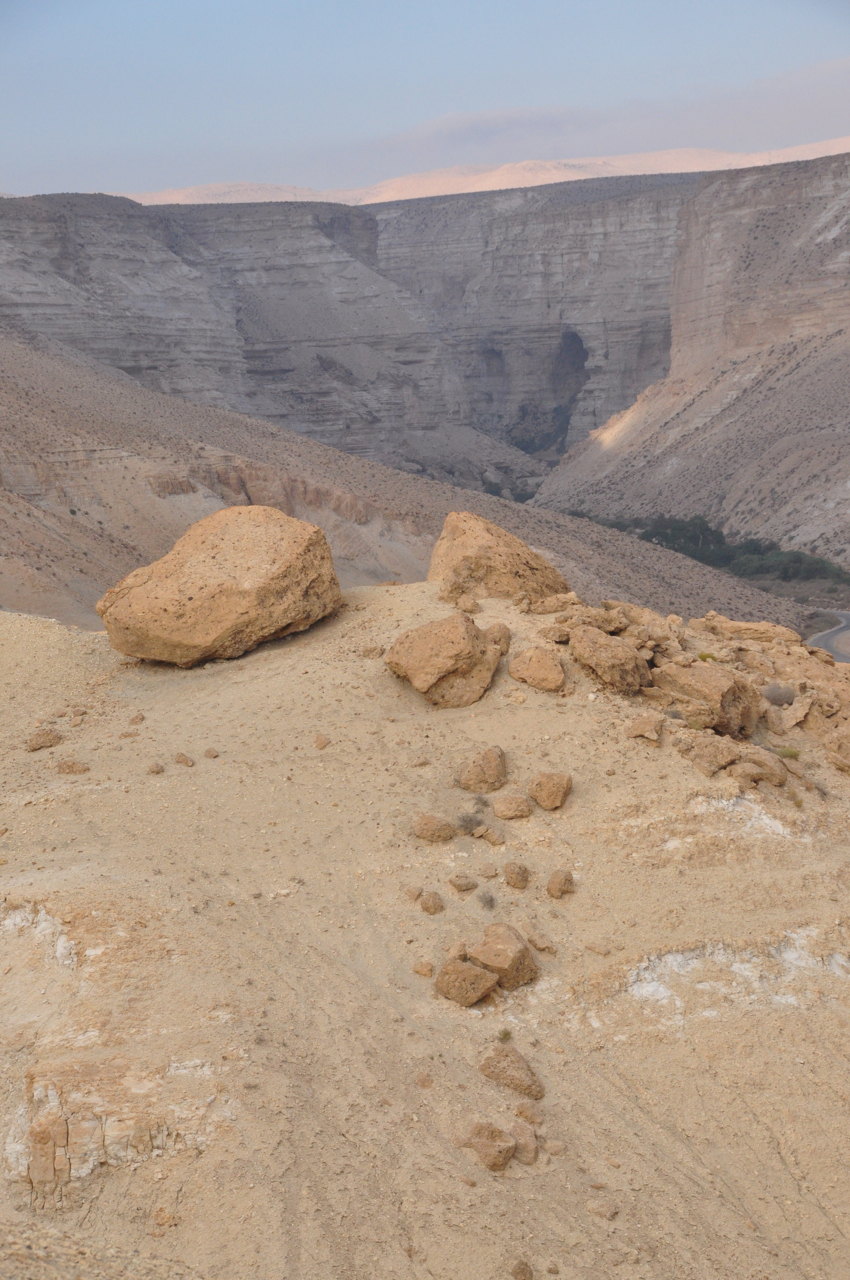
Divshon Ascent vertSo with Jeff’s challenge in mind I took the same shot, two ways – this is part of the series, Through My Lens. All the photographs were taken with a Nikon D90 DSLR camera with 18-200mm zoom lens.

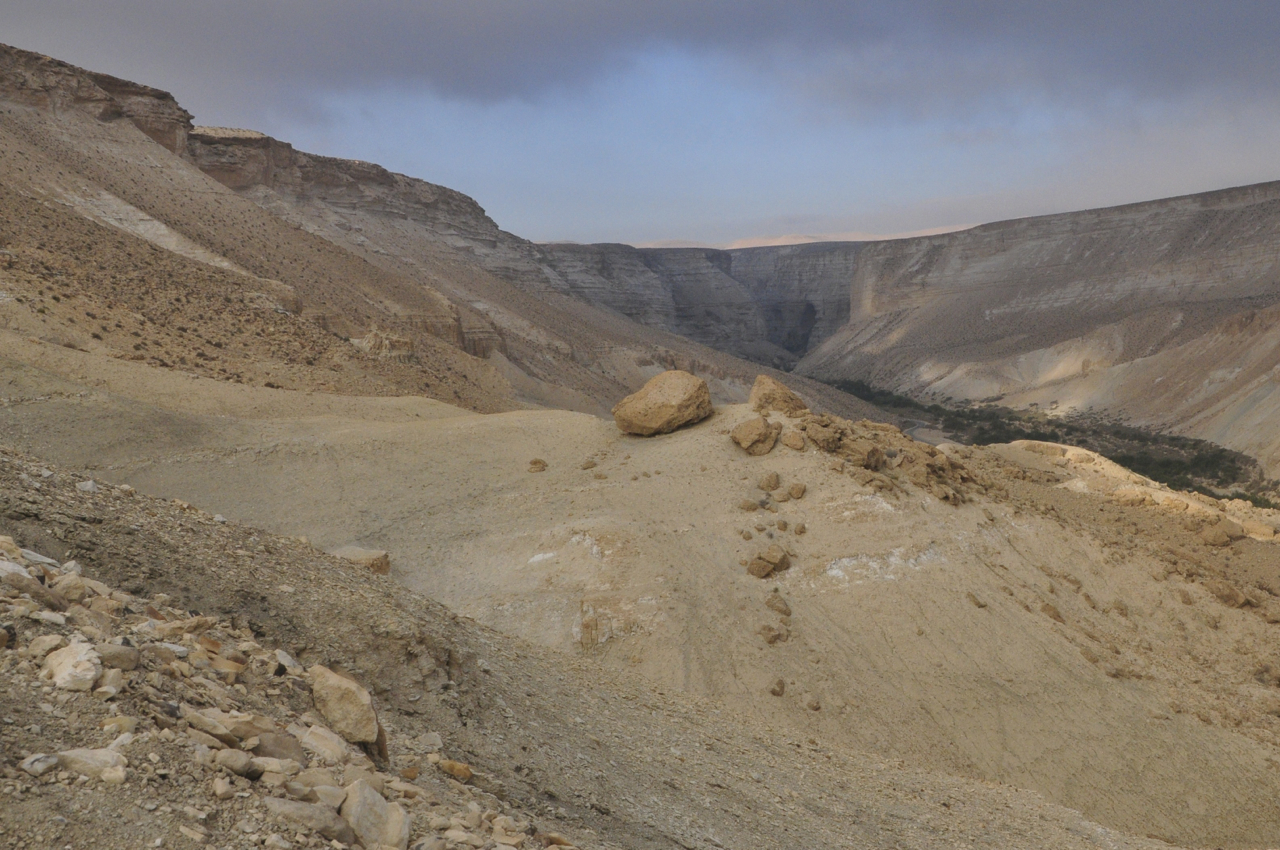
The two photographs displayed here were taken at the beginning of the hike, on the climb up the Divshon Ascent with a view of the Zin valley below. The technical details – ISO 800, the vertical photo 82mm, F/11, 1/640; the horizontal one 26mm, F/13, 1/800.


Divshon Ascent horz

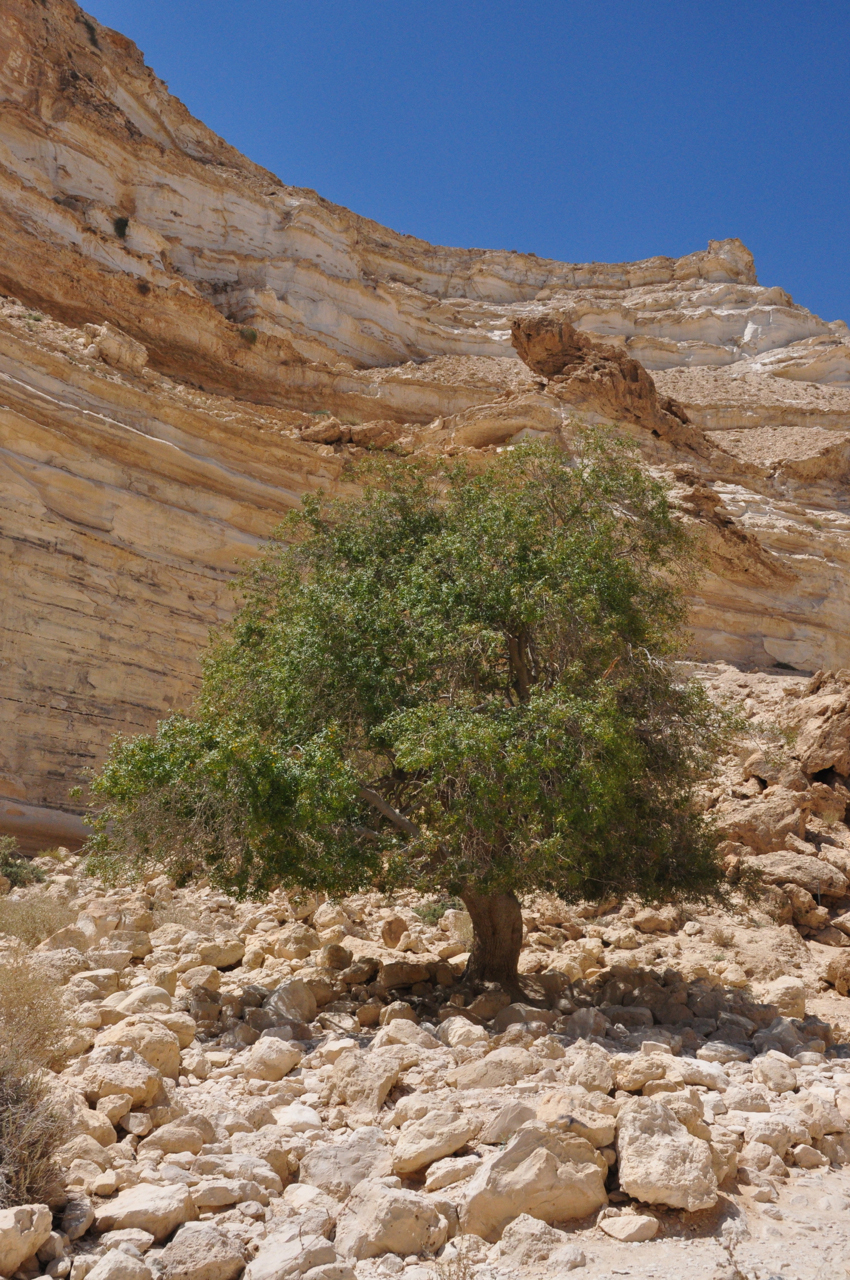
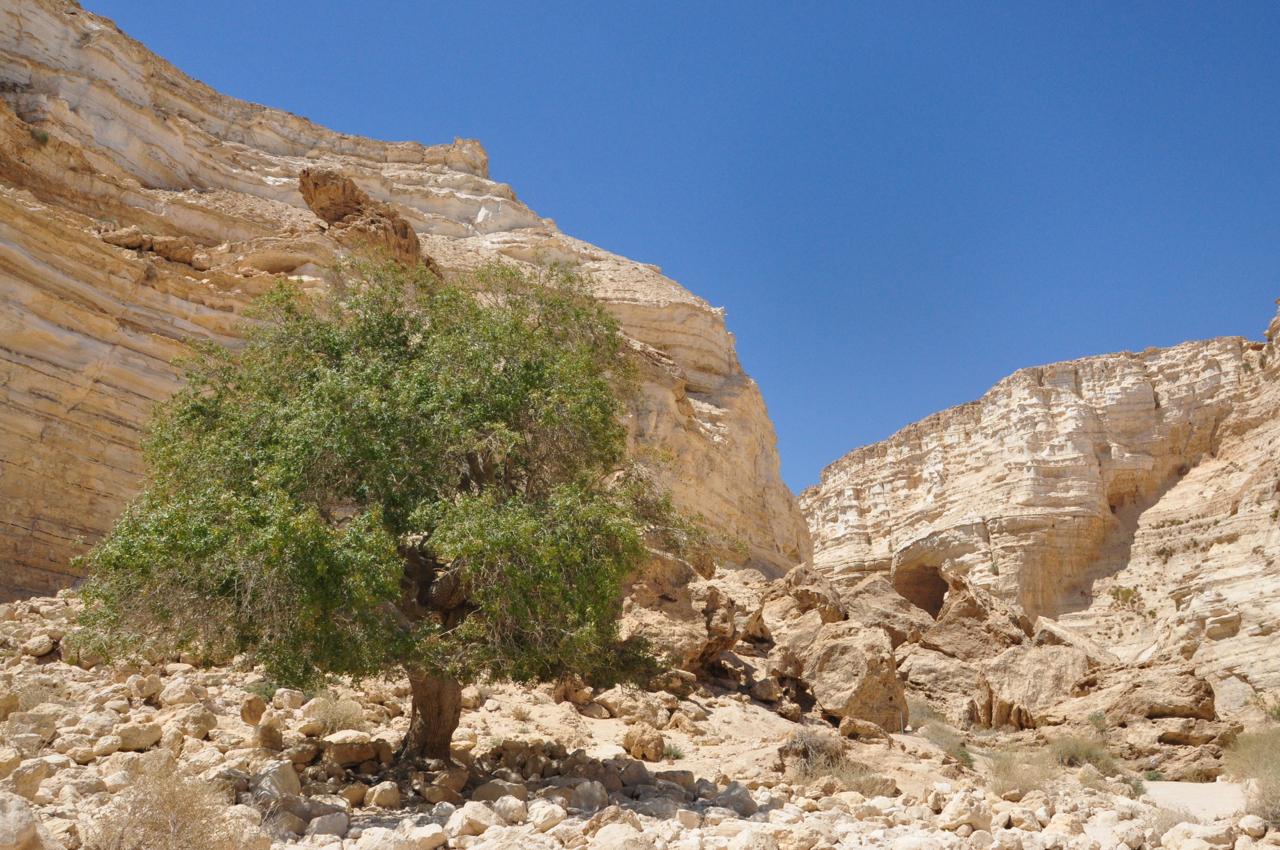
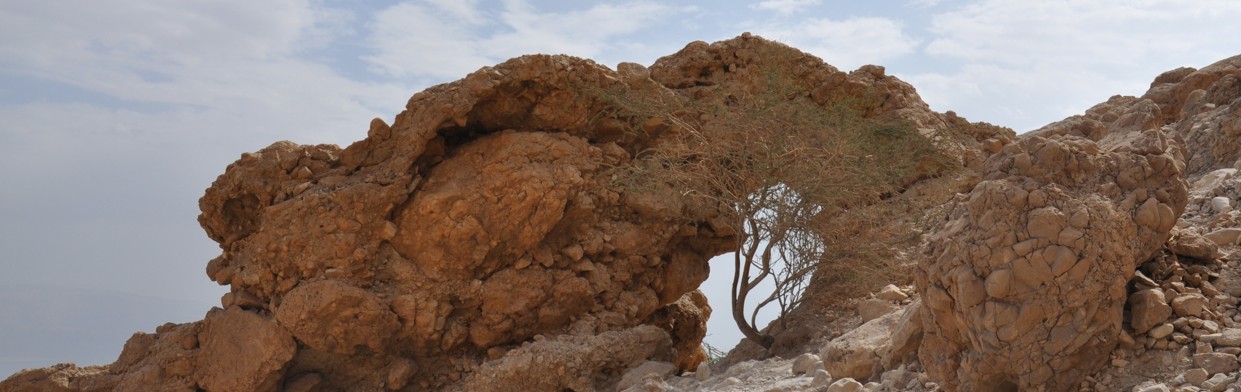
Afterwards we hiked into the nature reserve at Ein Avdat. There is a 250-year-old Atlantic Terebinth (Pistachio Atlantica) tree at the entrance, with gnarled roots holding it firmly in the rocky ground – another shot, two ways.


Terebinth Ein Avdat vert

Terebinth Ein Avdat horz

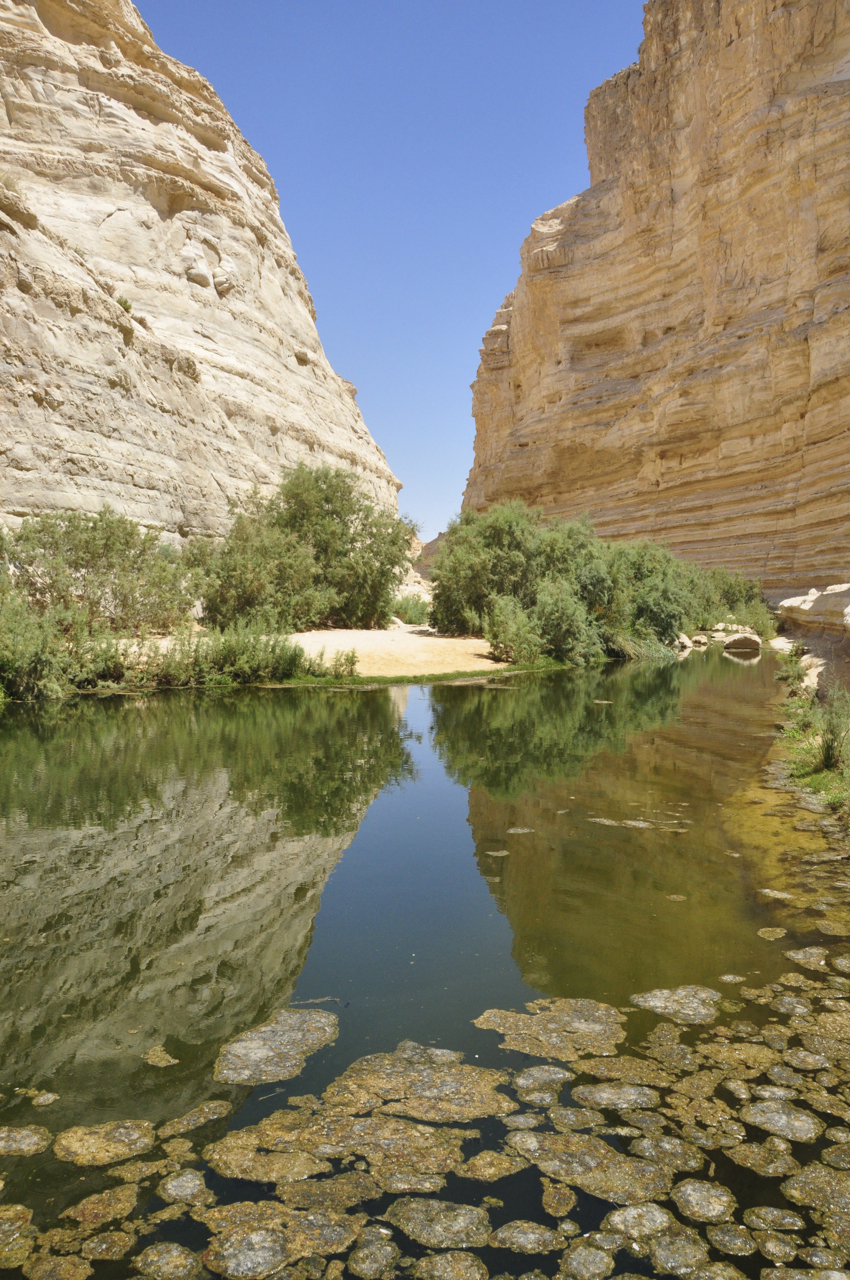
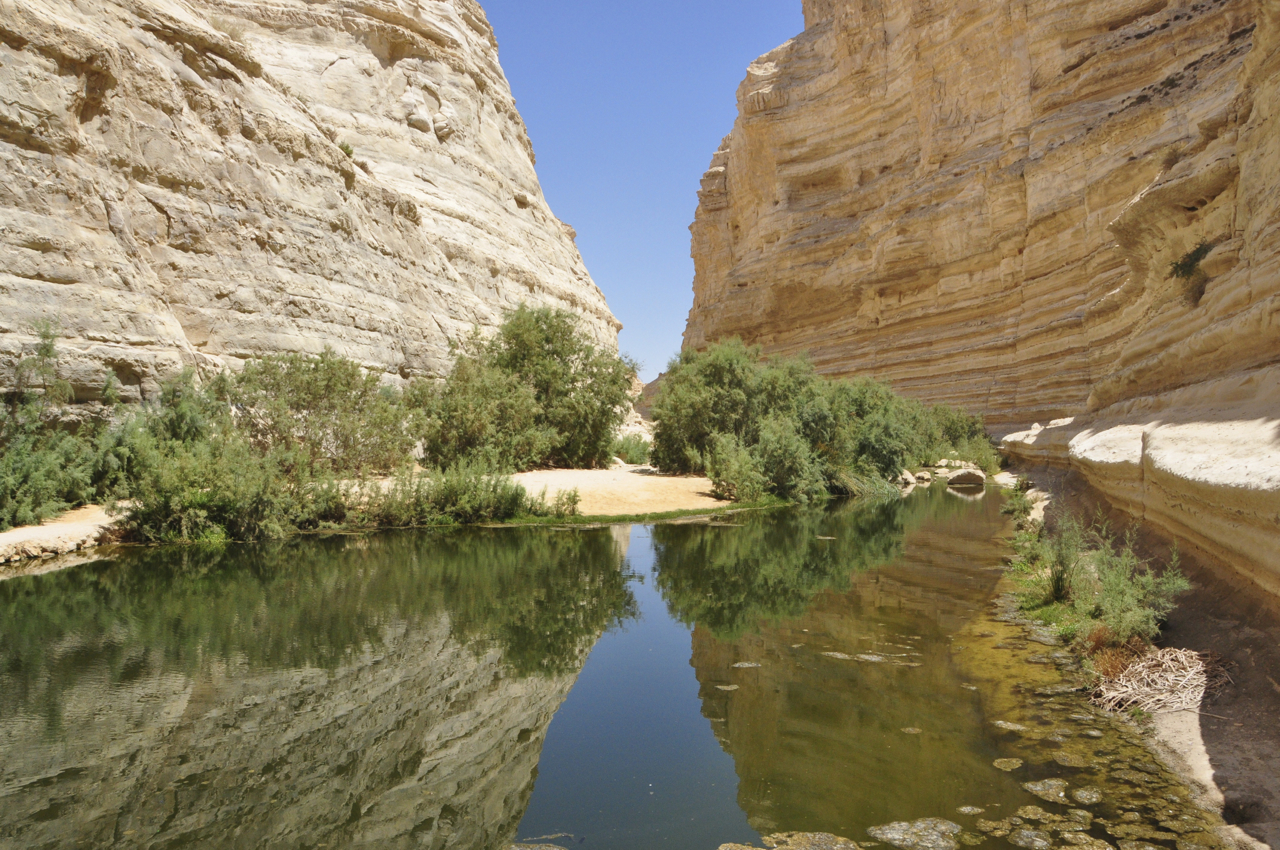
Probably the classic photo at Ein Avdat is a scene of the white limestone cliffs and blue sky reflected in the pools of water – a great shot, two ways.

Ein Avdat reflection vert

Ein Avdat reflection horz

I’d love to hear your comments, what you think about each pair of photographs. Please share this post with your friends by clicking on the icons at the end of this message.

Photographs on this website are © Shmuel Browns (unless marked otherwise) – if you are interested in purchasing a print of one of my photos or using one of my photos for your own project please contact me.

Hisham’s Palace in Jericho

The Umayyads ruled from Damascus but built a number of palace complexes in this area – we have found ruins of their palaces in Jerusalem, at the southern corner of the Western wall and at Khirbet al-Minya, on the Sea of Galilee beside Karei Deshe.

Palace entrance

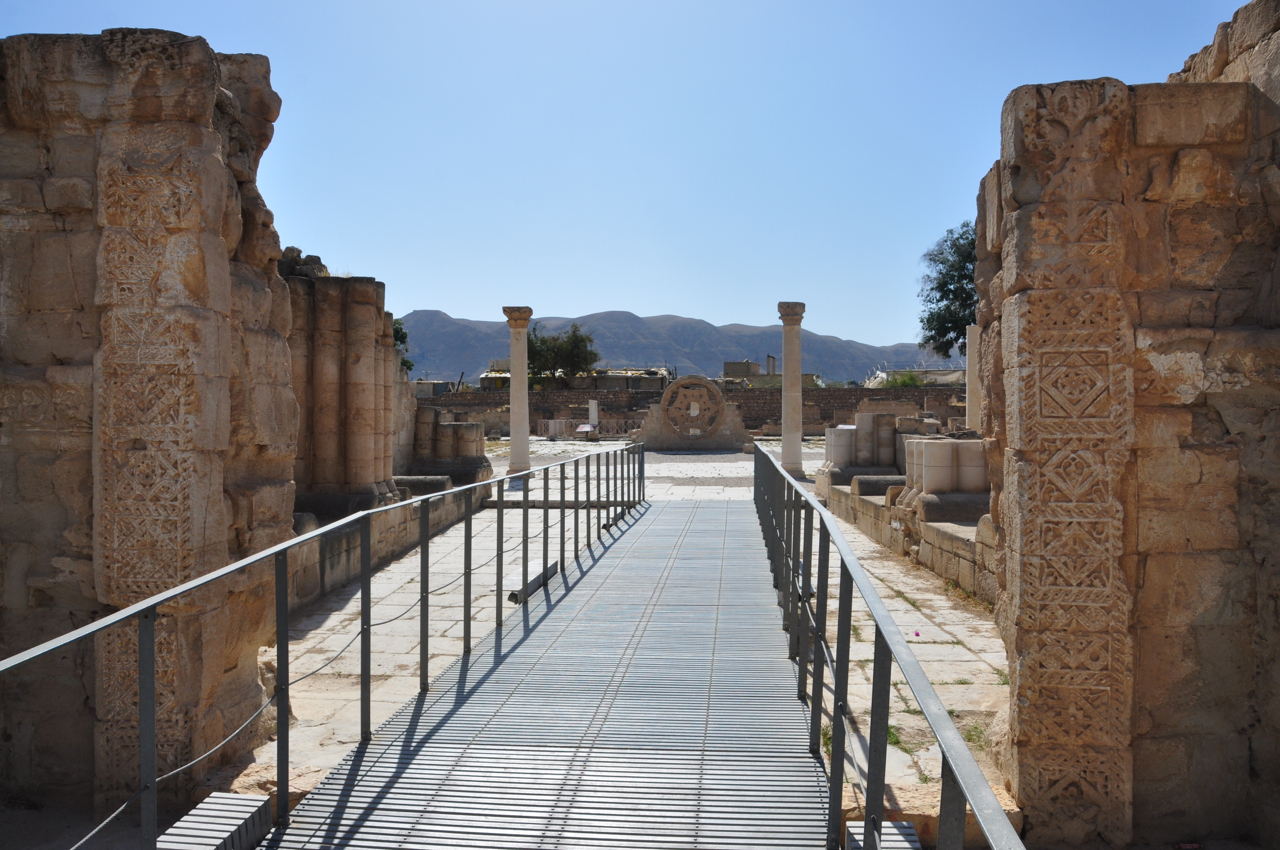
One of the most impressive sites from the Umayyad period (661-750) is the ruins of Khirbet al-Mafjar (meaning flowing water ruins), popularly known as Hisham’s palace just outside Jericho and I am now authorized to guide tourists there.

Hisham's name on marble, from Hamilton

Hisham’s name on marble, from Hamilton

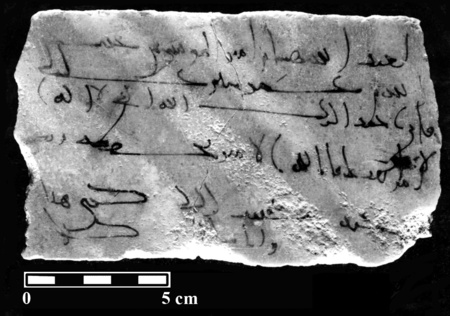
The palace is identified with Hisham ibn abd el-Malik (ruled 723-743) because of an inscription containing his name, in ink on a marble slab, found at the site by Dmitry Baramki who excavated there under the British between 1934 and 1948. Based on the artwork that decorated the palace, Robert Hamilton, Director of Antiquities under the British, argued that the palace was a residence of al-Walid b. al-Yazid (ruled 743-744), a nephew of Hisham who was famous for his extravagant lifestyle which probably led to his assassination.  Al-Walid II was a hunter, poet and musician, something of a playboy who loved the good life.

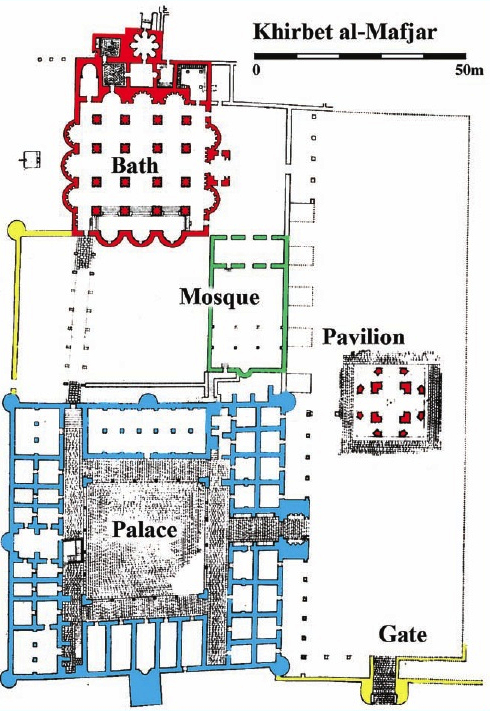
Khirbet al-Mafjar planThe site is thought to have been destroyed by the severe earthquake of 749 CE before it was completed, but an analysis of Baramki’s detailed reports of the ceramic record indicates that the occupation continued through the Ayyubid and Mamluk periods, with a significant phase of occupation between 900–1000.

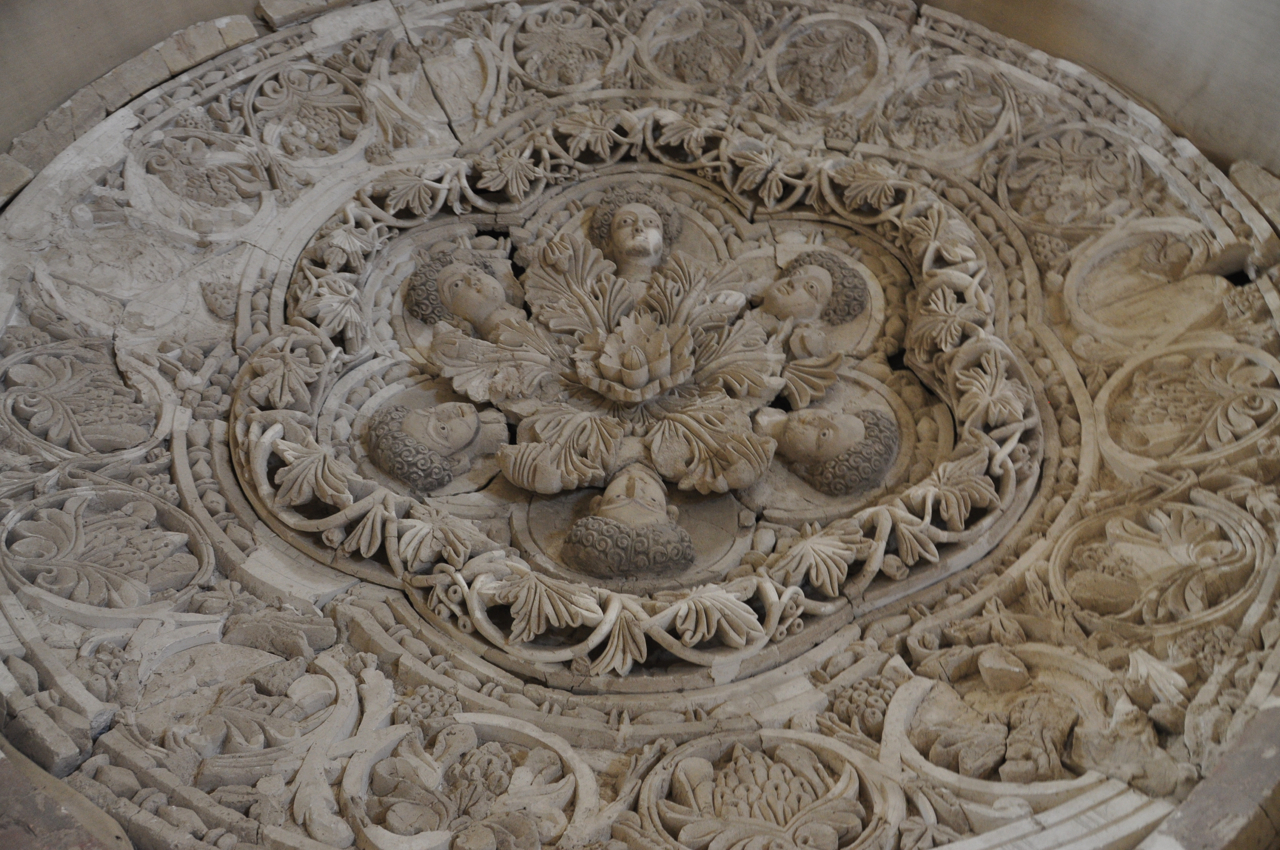
In walking around the site you will get to view the ruins of the palace, the bath complex, a pavilion and mosque enclosed by a wall; more recently, excavations to the north have uncovered an agricultural estate. The excavations uncovered fine mosaics and elaborate stucco figures, as well as stone sculpture and frescoes. The carved stucco is of exceptional quality in geometric and vegetal patterns; in the bath complex there are even male and female figures, their upper bodies naked.

Pavilion Facade

Caliph on Lions

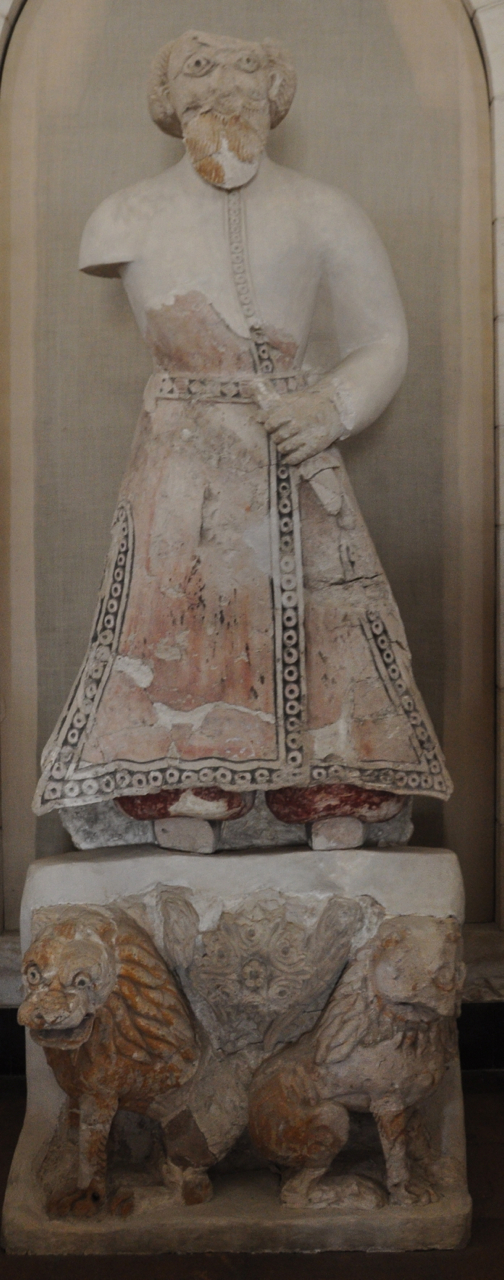
A statue depicting a male standing figure with a sword on two lions, very likely the caliph patron himself, stood in a niche above the entrance to the bath hall.

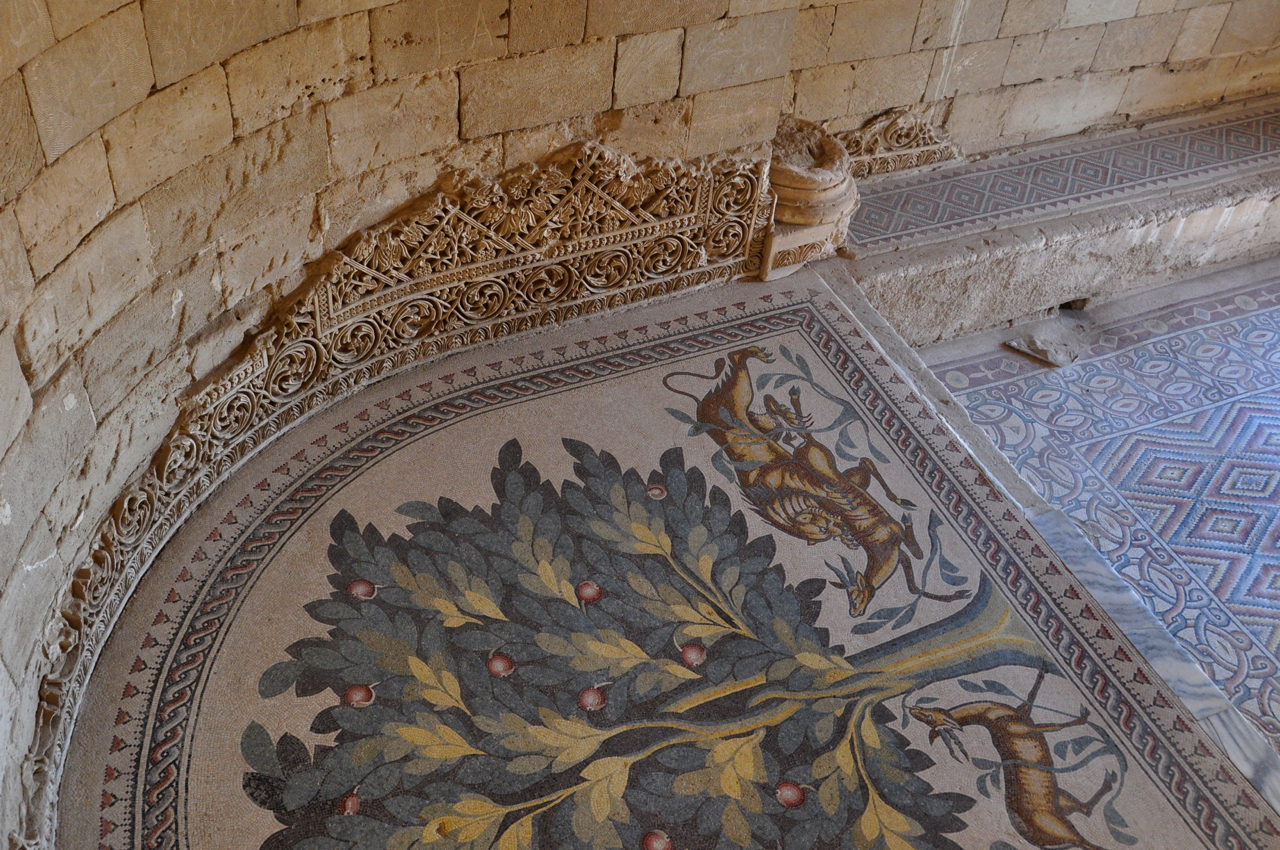
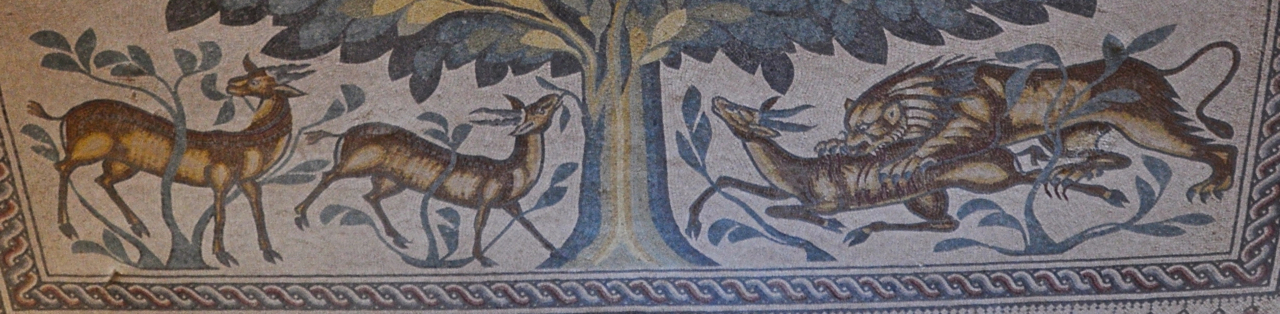
The floors are decorated with incredible mosaics but unfortunately, besides the well-known Tree of Life mosaic in the bahw or special reception room in the bath complex, most are currently covered. This floor mosaic consists of a fruit tree (apple, lemon or quince) under which on the left are two gazelles grazing and on the right a lion pouncing on a gazelle. Given that the mosaic is in the bahw the image is more than just a popular hunting scene¹. Here the lion represents the ruling Caliph and the gazelles the subjects, living in peace or being subdued.

Tree of Life mosaic

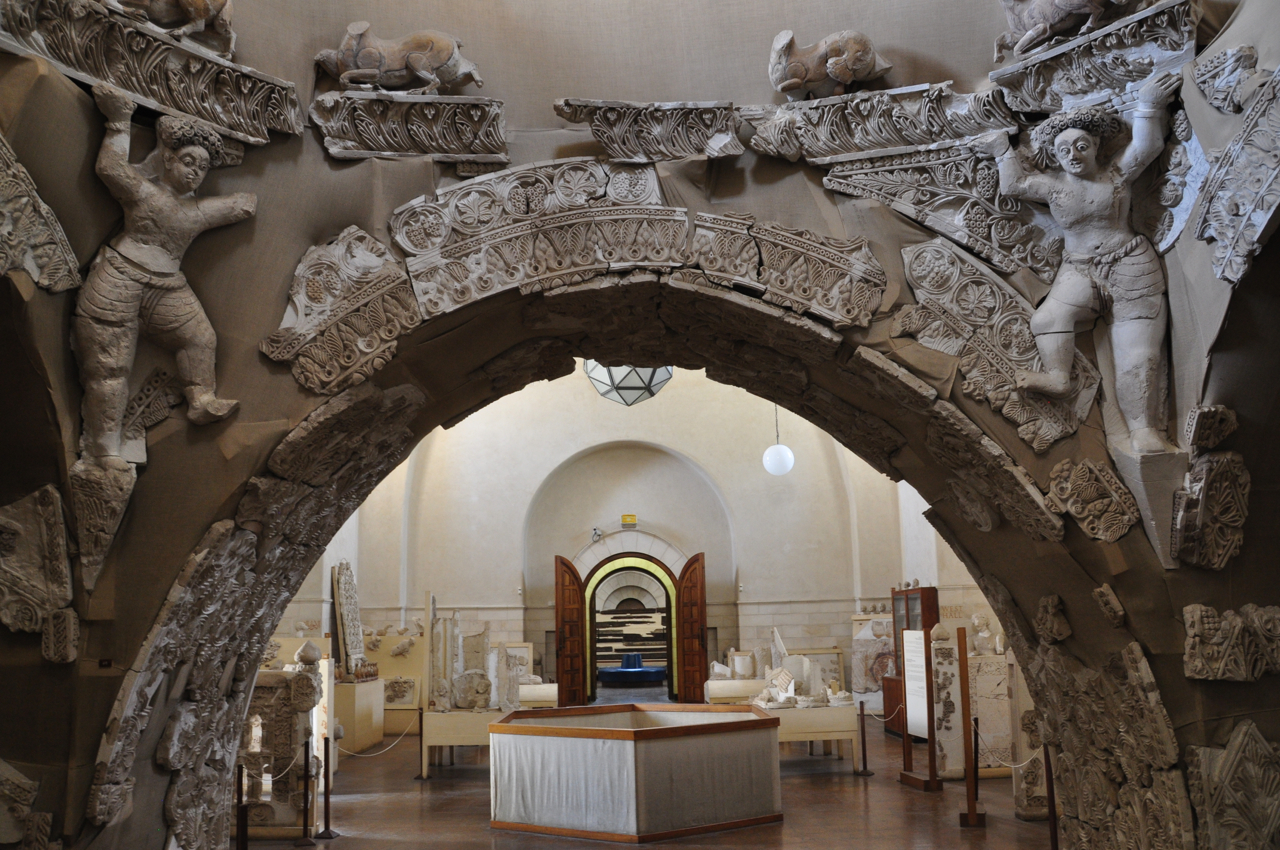
While visiting the site, don’t miss the short video and visiting the small but very well-done museum with artifacts from the site. A lot of the plaster sculptures and stucco were removed from the site during the British period and are on display in one hall at the Rockefeller Museum in Jerusalem so it’s worth planning to visit there too.

Sculpted ceiling plaster

Entrance

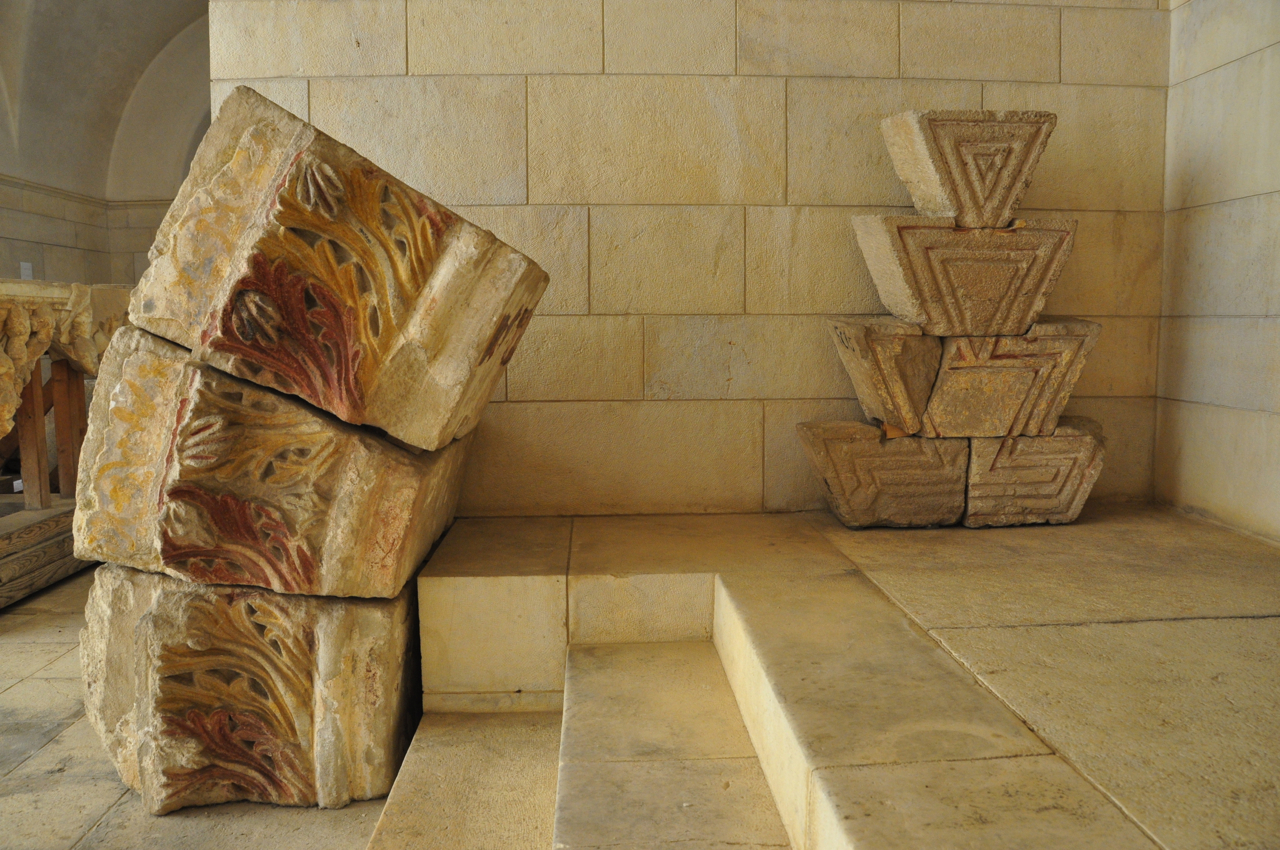
In the back corner of the courtyard are some Umayyad architectural details, part of a sculpted arch with its original paint and an example of a merlon, a step-shaped stone that sits on the top of a wall.

Umayyad

As your guide I can help you create an itinerary that matches your interests and ensures that not only do you get to visit archaeological sites which enable you to understand the context but museums that display and explain the artifacts discovered at the site so that you get the most out of your visit.


Reference
Behrens-Abouseif, Doris, The Lion-Gazelle Mosaic at Khirbat al-Mafjar, 1997.

Lion & Gazelles

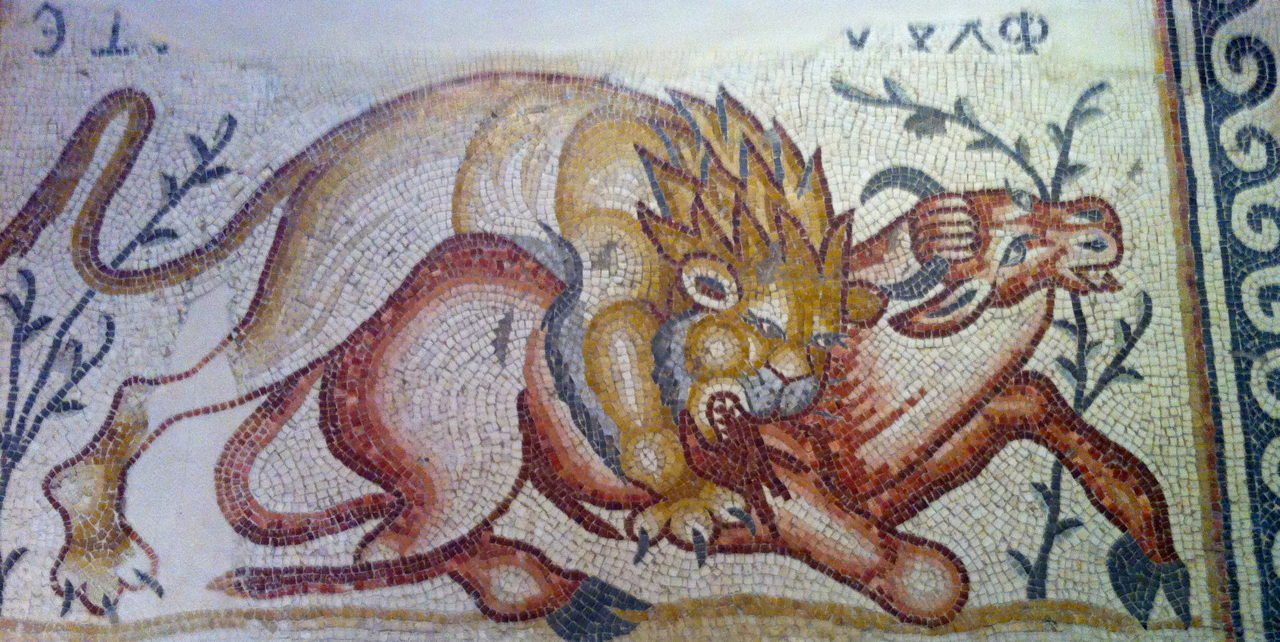
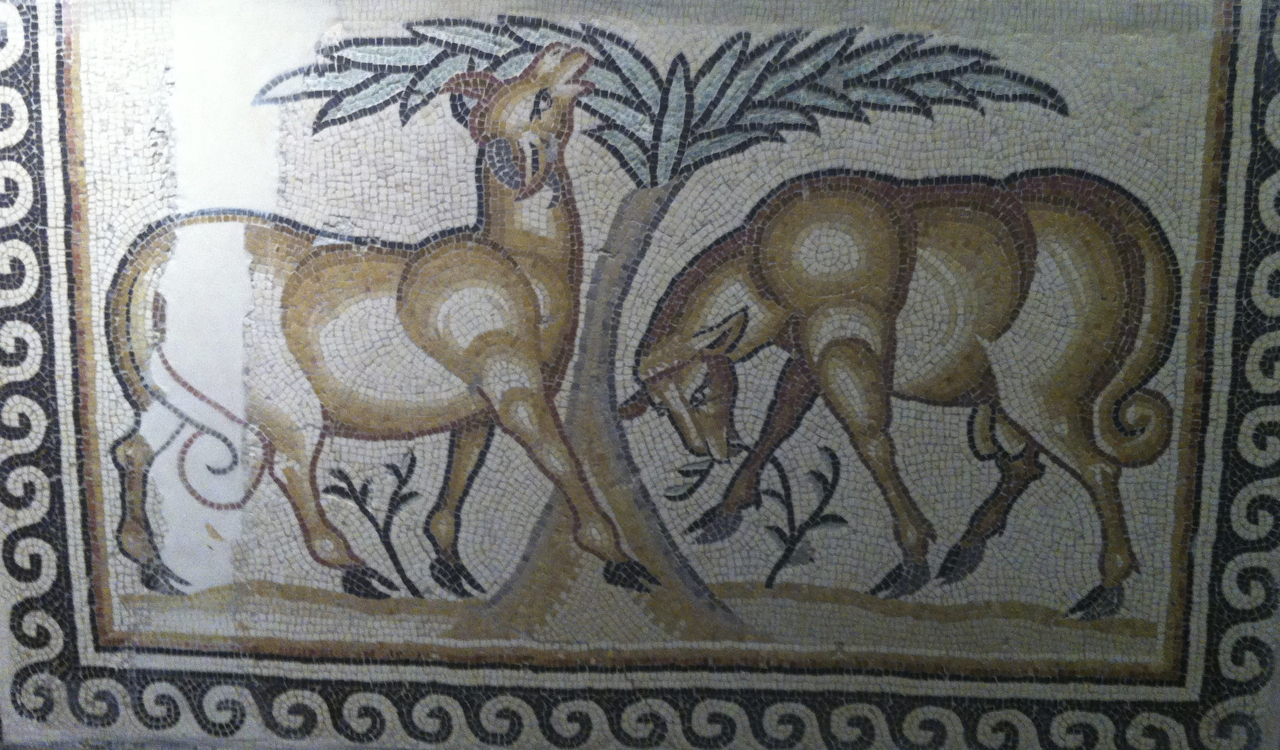
¹ Interestingly, I saw a similar motif in mosaic from a Byzantine church on display at the Israel Museum.

Lion killing ox

Grazing

Flora of Israel – Broomrape

Broomrape

Broomrape (Cistanche tubulosa) is a flowering plant that grows in arid areas in Israel – I’ve seen them in the Large Makhtesh, Judean desert and while hiking the Israel trail north of Eilat. They are recognizable by a 30cm spike of densely packed yellow flowers. When they are not flowering, no part of the plant is visible above ground. There are no leaves, in fact, the plant contains no chlorophyll and so cannot do photosynthesis. The broomrape is a parasitic plant, one that derives some or all of its sustenance from another plant. Parasitic plants have a modified root, the haustorium, that penetrates the host plant. Amazingly about 4100 species in about 19 families of flowering plants like this are known.  On my tours, I always try to point out some interesting flower, plant or tree.


Related articles


Photo of the Week – Red Canyon Colors and Textures

When driving down to Eilat you can turn off of highway <90> and drive along highway <12> that runs along the border with Egypt. There’s a great family hike on the way, watch for Wadi Shani and hike the Red Canyon. This photo was taken at the entrance to the canyon. Clicking on the image will display it larger. Please share this post with your friends by clicking on the icons at the end of this message.

Red Canyon

The technical details – the photo was taken with a Nikon D90 (digital SLR) camera with a Nikkor 18-70mm lens in February (ISO 400, 18mm, F10 at 1/160 sec).

Photographs on this website are © Shmuel Browns (unless marked otherwise) – if you are interested in purchasing one of my photos or using one of my photos for your own project please contact me.

Related articles

Photo of the Week – Tel Arad

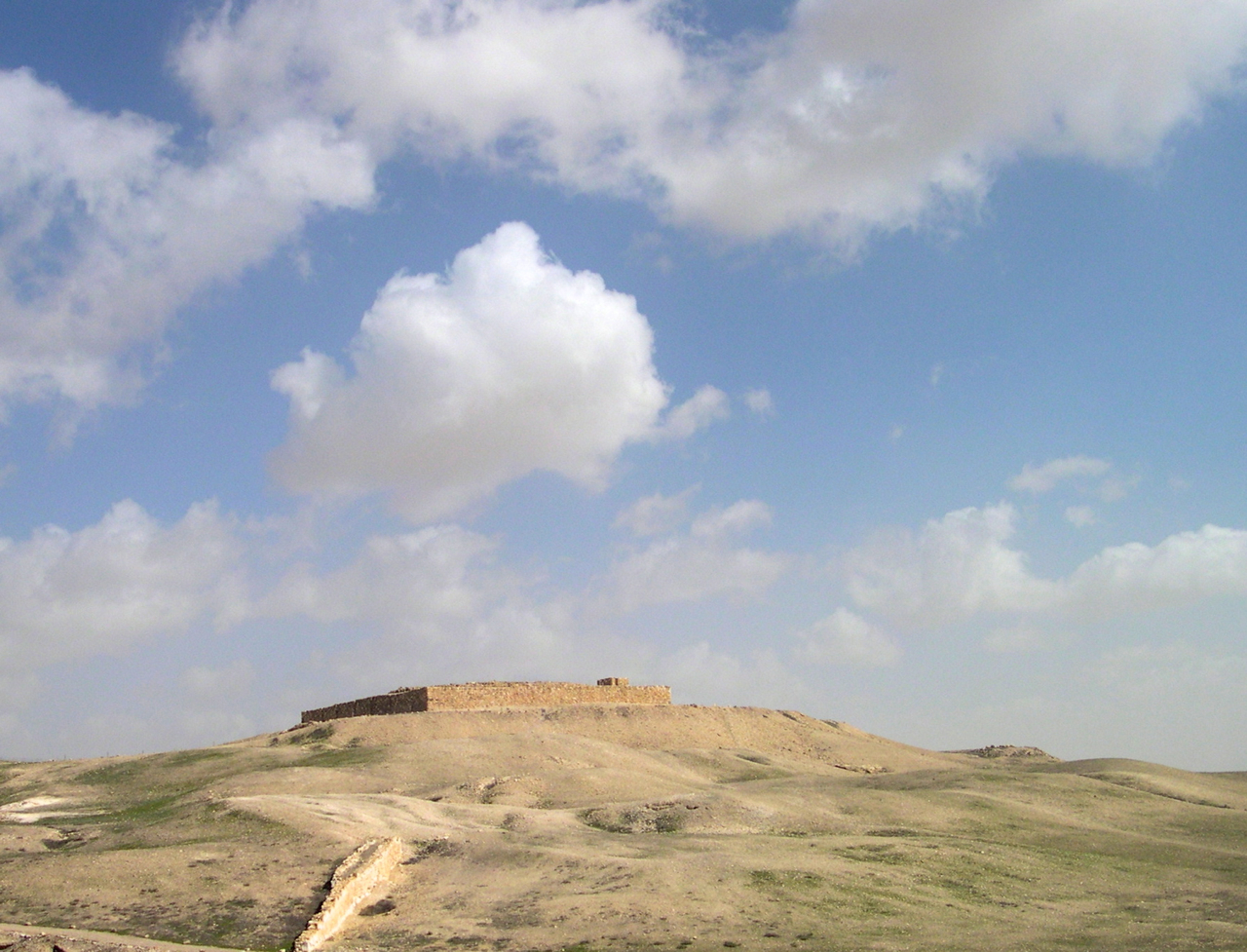
Tel Arad is an Iron Age city in the Negev desert. This week’s photo is of the ruins of a major fortress built on the top of the hill to protect Israel’s southeast border and the Negev trade routes.

In the northwestern corner of the citadel, an Israelite temple with three rooms was discovered, made up of an ulam (entrance hall), heichal (main hall), and dvir (holy of holies). Stone altars for incense flanked both sides of the entrance to the dvir. In front of the temple was an altar built of bricks and stone, measuring 2.5 x 2.5 meters, similar to the altar described in Deut. 27:5 and II Chronicles 6:13This temple was destroyed, apparently as a result of the religious reforms of King Hezekiah at the end of the 8th century BCE.

Tel Arad

The technical details – the photo was taken in December with a Nikon point and shoot camera (ISO 100, 8mm, F7.6 at 1/359 sec).

Please share this post with your friends by clicking on the icons at the end of this message.

Photographs on this website are © Shmuel Browns (unless marked otherwise) – if you are interested in purchasing one of my photos or using one of my photos for your own project please contact me.

Related articles