Category Archives: Archaeology

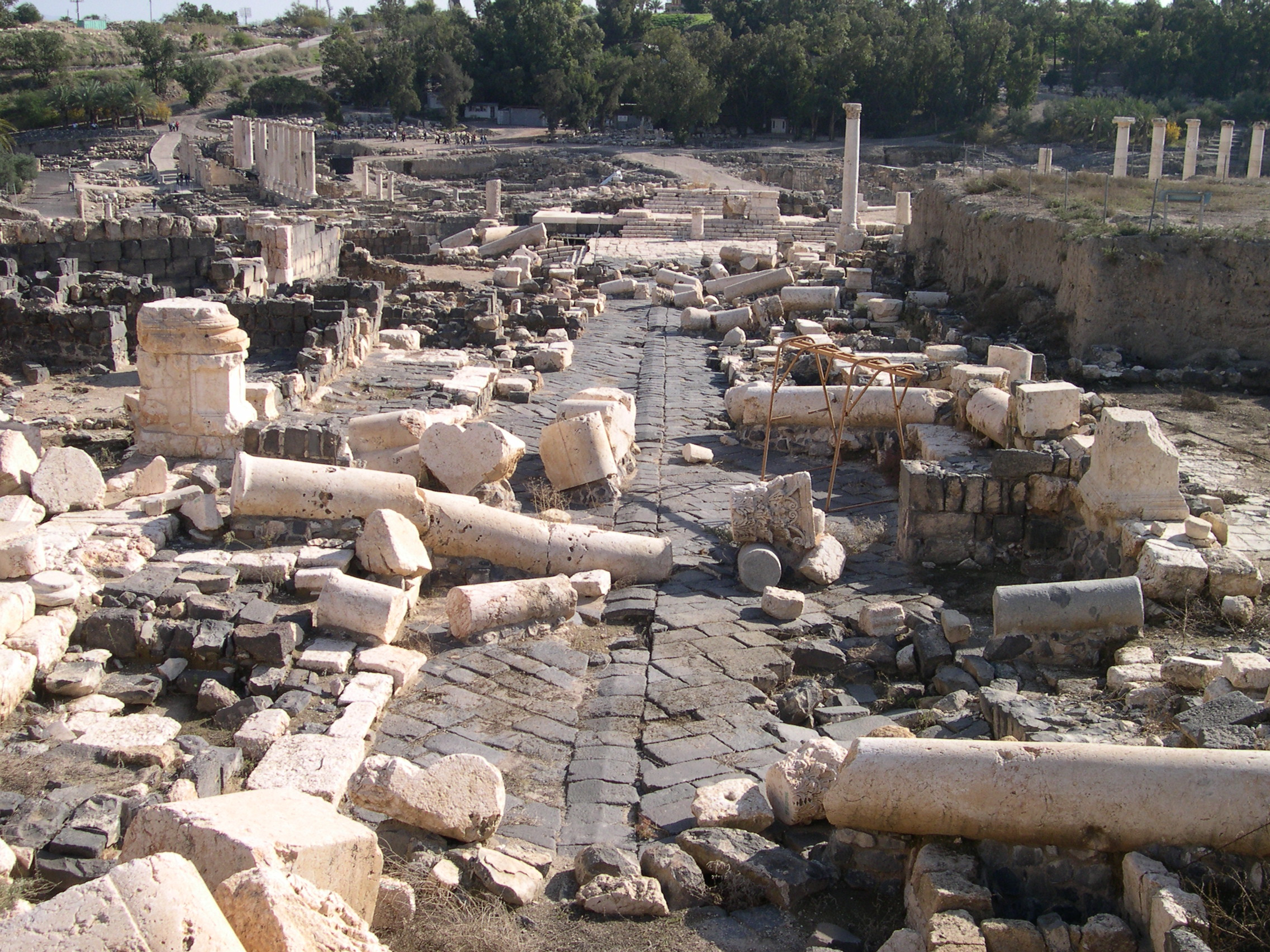
Photo of the Week – Bet Shean

For the last 12 weeks I’ve posted photos of Israel landscapes, today’s post is a photo of an archaeological site in the north of Israel. You can click on the image for a larger view (which may take some time to load depending on your Internet connection). Please share this post with your friends by clicking on the icons at the end of this message.

The photo was taken at Bet Shean in the archaeological park and shows the destruction of the city by the earthquake of 749CE. The technical details – the photo was taken with a Nikon digital point and shoot camera on January 2 (ISO 100, 8mm, F7.6 at 1/135 sec).

Bet Shean is a great site to visit, see my post at
https://israeltours.wordpress.com/2011/01/16/bet-shean-scythopolis/
and if you’re interested in more about earthquakes check
https://israeltours.wordpress.com/2011/01/10/earthquakes-history-archaeology/.

Photographs on this website are © Shmuel Browns (unless marked otherwise) – if you are interested in purchasing one of my photos or using one of my photos for your own project please contact me.

Roman Mausoleum

Because our son Amitai is training new recruits for the Border Police I attended the swearing-in ceremony at Tel Hadid. Hadid is mentioned in Nehemiah 7 in the list of cities to which Jews returned from the Babylonian exile. In excavations at Tel Hadid archaeologists found a typical four room house,  numerous potsherds from the Iron Age (9th-8th centuries BCE) and two complete tablets, written in cuneiform, Assyrian legal documents one recording the sale of land dating from 698BCE and the other a promissory note from 664BCE. The tablets are evidence that with the conquest of Judea by Sargon II foreigners from Babylonia were settled at Hadid.

Continuing north past Tel Hadid along highway 444 (which follows the route of the Via Maris) is a small stone building, a Roman mausoleum, amazingly intact and graced with a magnificent temple-like façade in classical style, two columns with Corinthian capitals framing a single entrance (closed originally with a stone door, note the recesses on the doorposts for a mezuza).

According to the style of the building and the remnants of two sarcophagi (stone coffins) in the floor of the main chamber, archaeologists conclude that it was built in the beginning of the 4th century CE for a wealthy landowner and his wife, although their identities remain a mystery.

A second chamber to the left is a columbarium with about 60 “pigeonholes” where doves were raised for sacrifice to Aphrodite. Of interest is a cantilevered stone staircase leading up to the opening at ceiling level.

Later the Muslims added a michrab, a niche in the southern wall signifying the direction of Mecca, and dedicated the site to Nebi Yihya, associated by local tradition with John the Baptist. In this way, the building was preserved through the ages.


Stone Age Figurines discovered near Jerusalem

Here in Israel you can feel the seasons changing and the focus is directed towards Rosh Hashana, the Jewish New Year when we read the story of the Sacrifice of Isaac. God commands Abraham to take his son, his only son, the one he loves and sacrifice him as a test of Abraham’s faith. At the last moment an angel stops Abraham, who looks up and sees a ram caught in a thicket by its horns and sacrifices it instead.

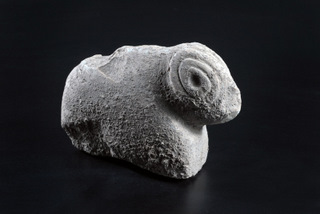
Road work continues in Israel to widen the highway just outside Jerusalem on the way to Tel Aviv. Whenever there is new construction archaeologists have to do a salvage dig. The excavations at Tel Moza uncover stone figurines in the shape of animals estimated to be 9500 years old (pre-Pottery Neolithic period).

According to Anna Eirikh and Dr. Hamoudi Khalaily, directors of the excavation at the site on behalf of the Israel Antiquities Authority, “The figurines, which are 9,000-9,500 years old, were found near a large round building whose foundations were built of fieldstones and upper parts of the walls were apparently made of mud brick. The first figurine, in the shape of a ram with twisted horns, was fashioned from limestone and is c. 15 cm in size. The sculpting is extraordinary and precisely depicts details of the animal’s image; the head and the horns protrude in front of the body and their proportions are extremely accurate. The body was made smooth and the legs of the figurine were incised in order to distinguish them from the rest of the body. The second figurine, which was fashioned on hard smoothed dolomite, is an abstract design; yet it too seems to depict a large animal with prominent horns that separate the elongated body from the head. The horns emerge from the middle of the head sideward and resemble those of a wild bovine or buffalo”.

   Photo credit: Yael Yolovitch, courtesy of the Israel Antiquities Authority

The Pre-Pottery Neolithic B period (the eighth millennium BCE) is considered one of the most fascinating chapters in the history of humankind. There were many changes that shaped human society for thousands of years – the transition began from nomadism, based on hunting and gathering, to a life based on permanent settlement, farming, domestication of animals, even preliminary architectural planning. These figurines are a connection to our past as we work to create a better future. May this new year be a year of blessing and peace for all the people in this region.

Samaria-Sebaste

After leaving the archaeological park on Mount Gerizim I went looking for the ancient city of Samaria-Sebaste. Samaria was the site purchased by Omri for two talents of silver from Shemer and made the capital of the Northern Kingdom of Israel (Kings I 16:24-28). Omri’s son Ahab married the Phoenician princess Jezebel and they built a temple to the pagan god Baal which was later destroyed by Jehu, who had Jezebel and 70 princes of Ahab’s family killed. Sebaste, was the Greek equivalent of the Latin Augusta, was Herod’s name for the city when the area was given to him by the Emperor Augustus. Herod rebuilt the city, in full Roman style, a kilometer long cardo of 600 columns, a forum, a Roman basilica, stadium, temple, hippodrome and theater surrounded by a wall and gates.

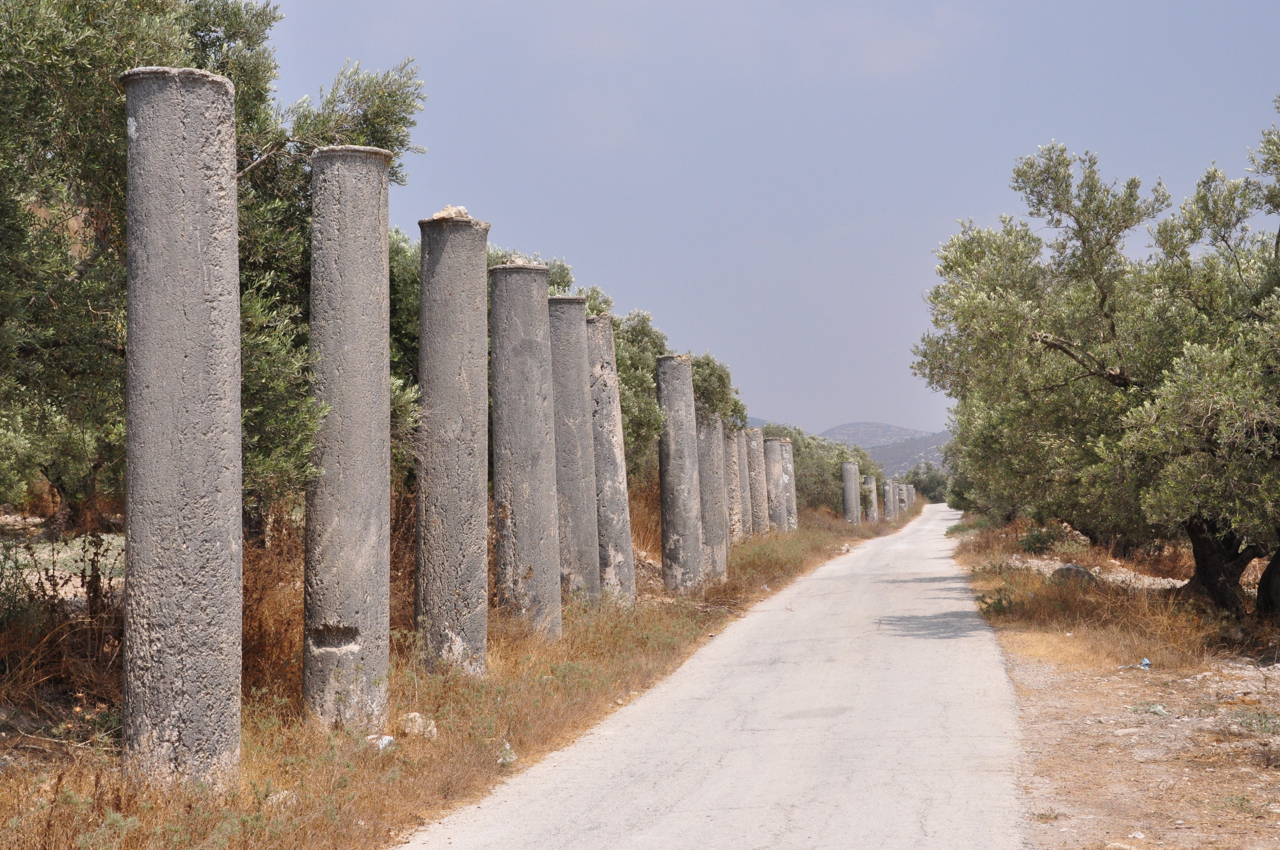
I picked up 2 trampistim (hitchhikers) who were on their way to Shavei Shomron who pointed me in the right direction to Samaria-Sebaste. The road loops around the settlement, a tall concrete separation wall on the left and then heads north. I stopped for directions at an impromptu stand by the side of the road where a Palestinian fellow was selling two kinds of plums, yellow and purple ones – he gave me 2 to taste and pointed to a dirt road on the right heading up the hill. The road is passable by car, just. A short drive and I was on a straight road through a grove of olive trees with two rows of Roman columns, standing along the road and in a row among the trees (cardo).
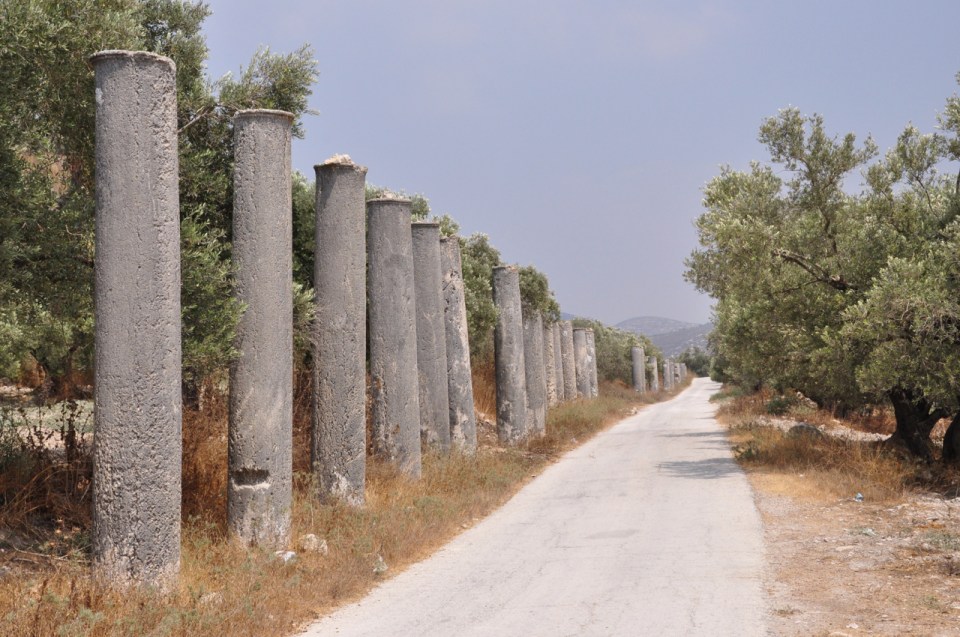
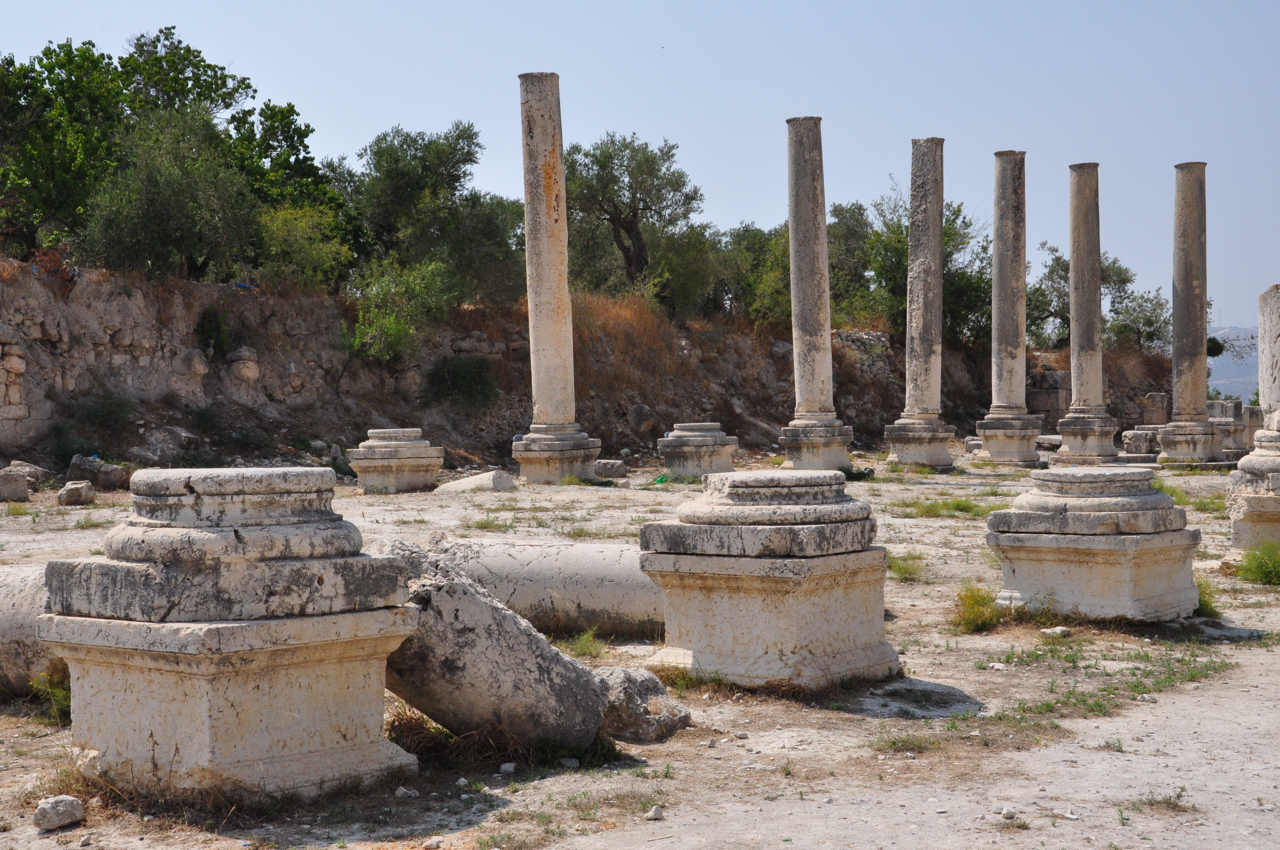
Continuing along the road I passed some excavated ruins and noticed a set of stairs to the left going up the hill (acropolis) as I approached the town. Left turn and I pulled into an open area (forum) bordered by rows of columns and parked the car.
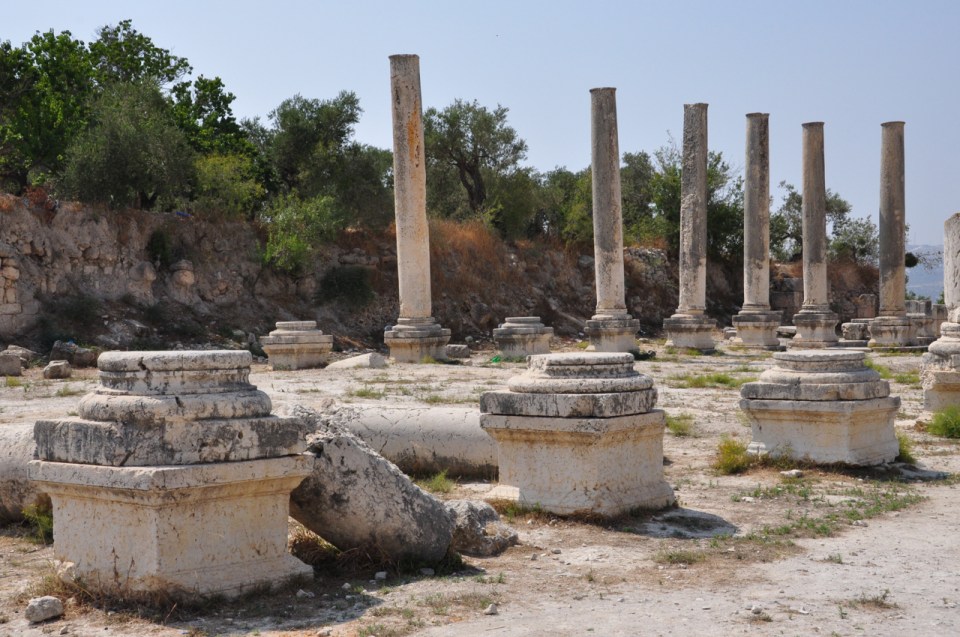
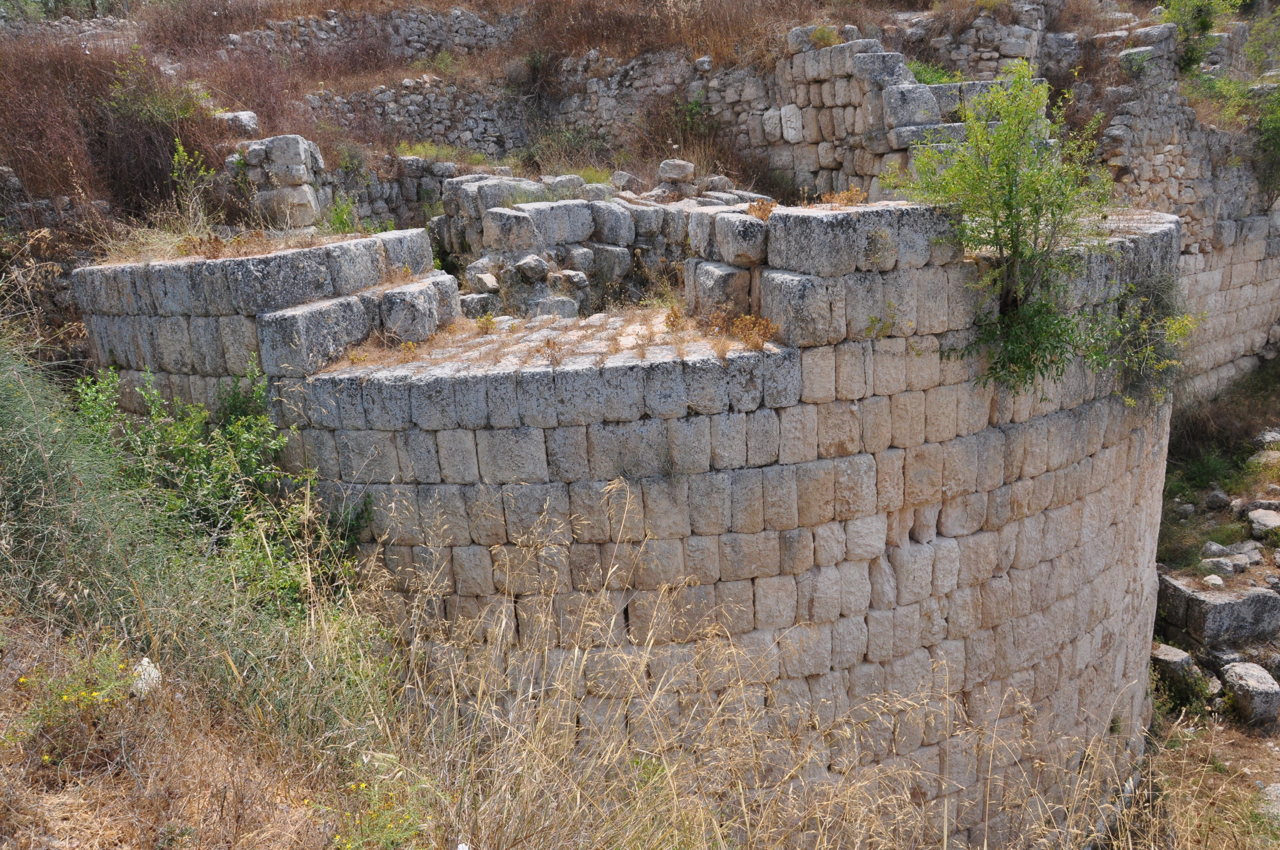
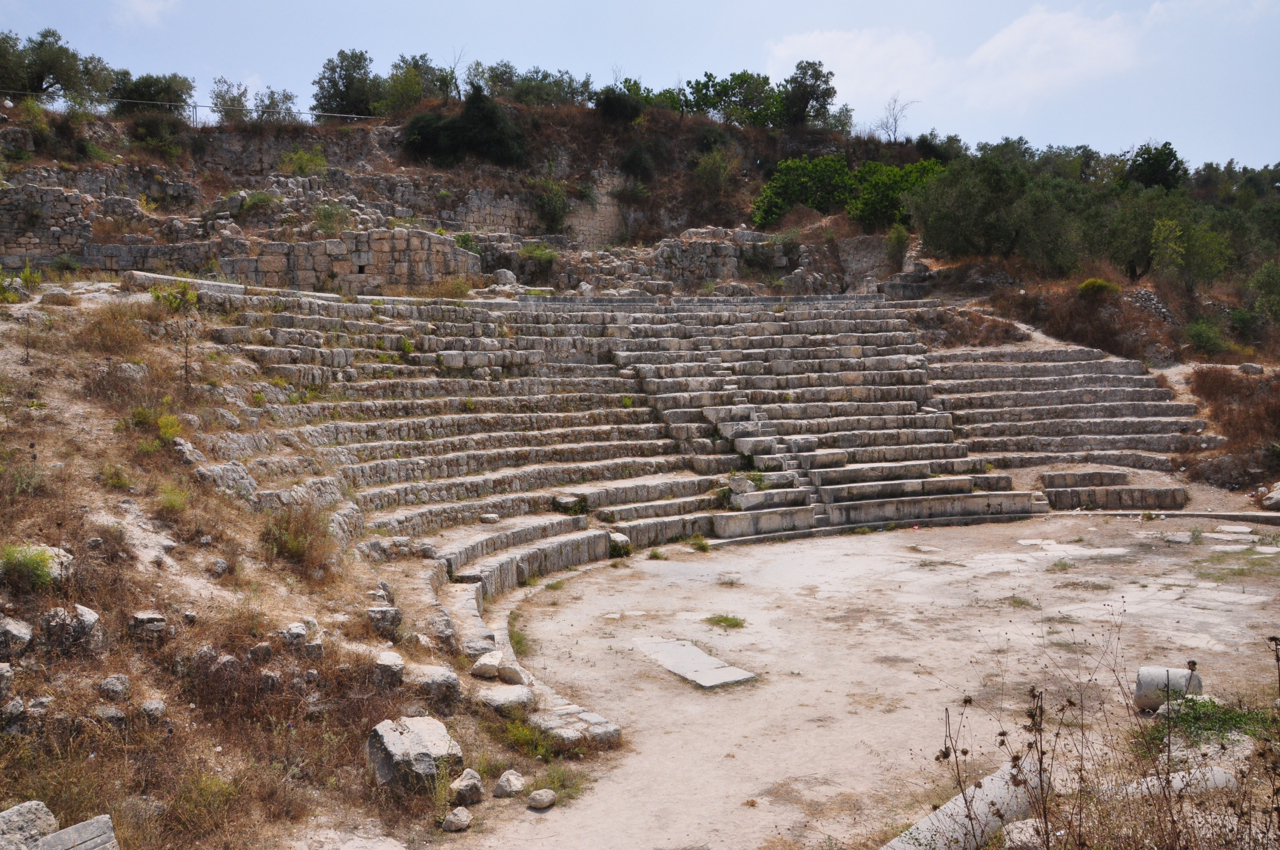
A fellow stepped out of the Samaria restaurant and souvenir shop and greeted me. Sari, who had lived in Alabama for a number of years, there are decals of Alabama sports teams on the window, introduced himself and offered to show me around. First stop was the Hellenistic tower and Roman theater.
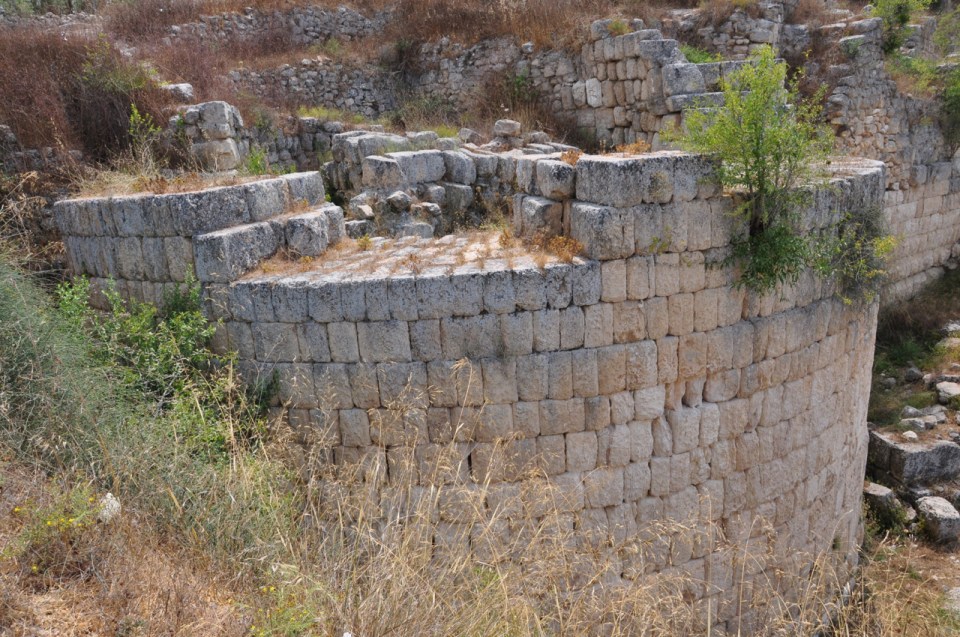
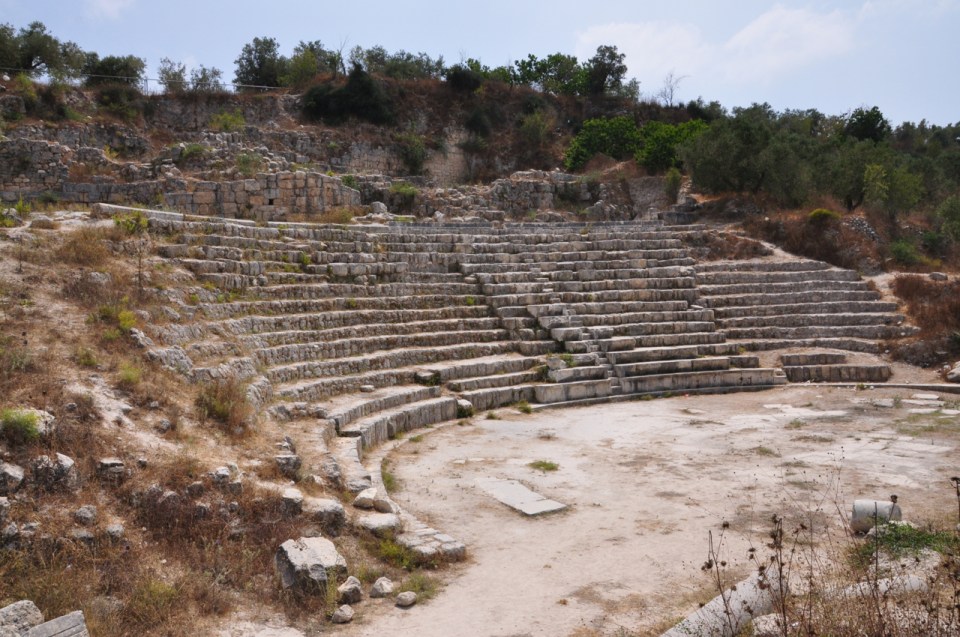
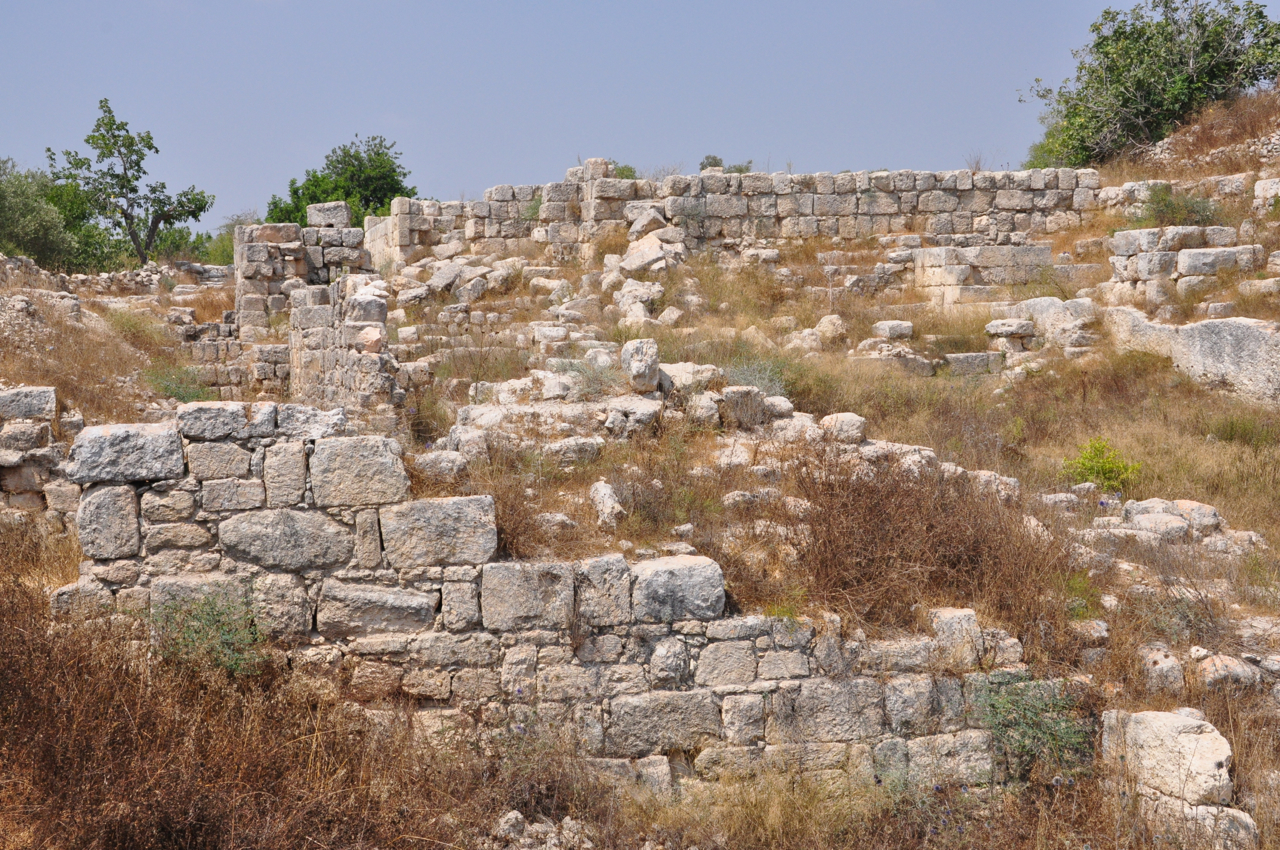
From there we walked to the top of the hill, the acropolis where Herod built a temple to Augustus over the administrative buildings and parts of the palace of Omri from the 8th century BCE.
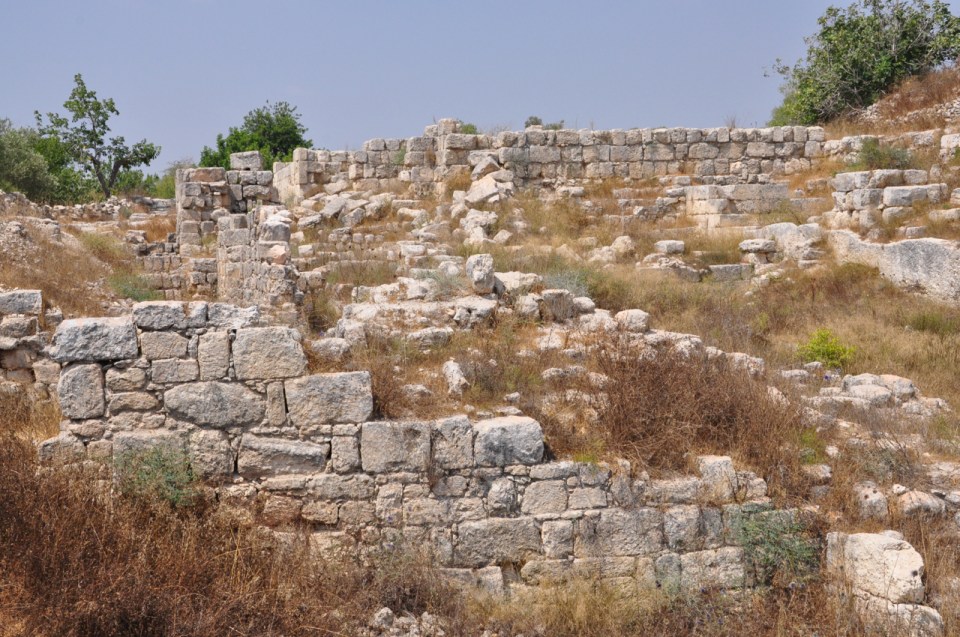
There is a great view of the surrounding area and specifically the Roman cardo below.

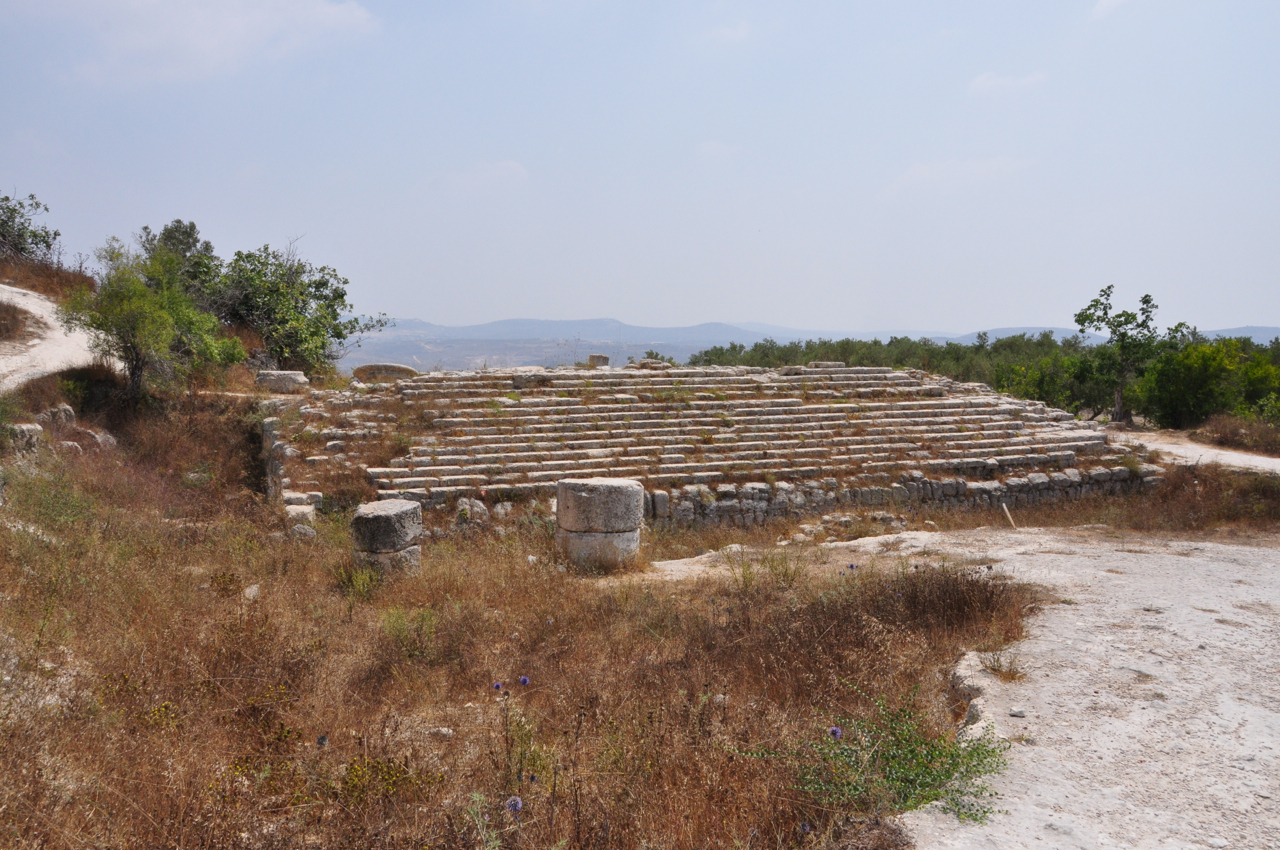
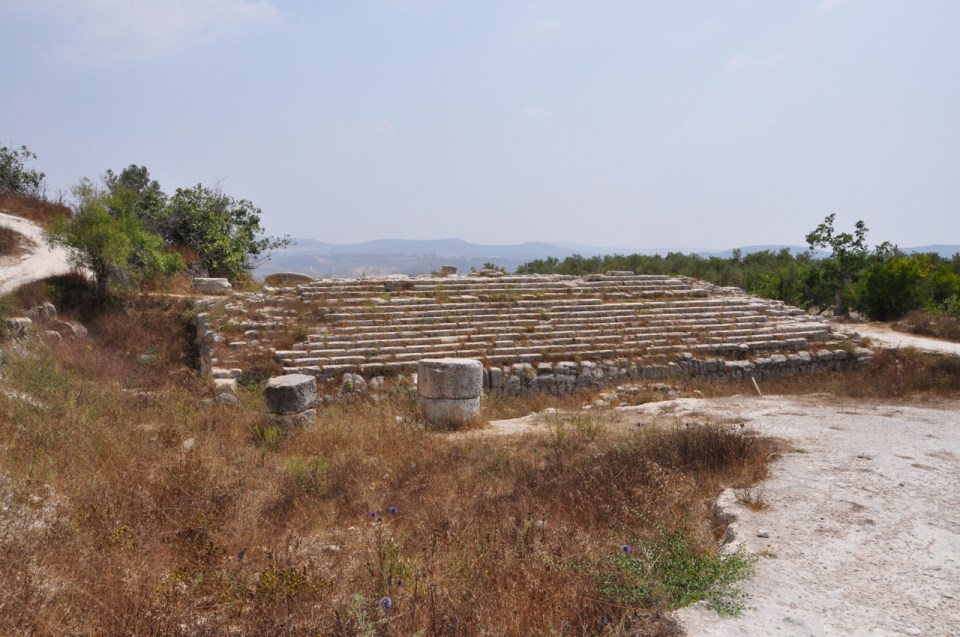
The monumental steps leading to the temple were redone with the rebuilding of the temple during the reign of Septimus Severus (193-211CE).
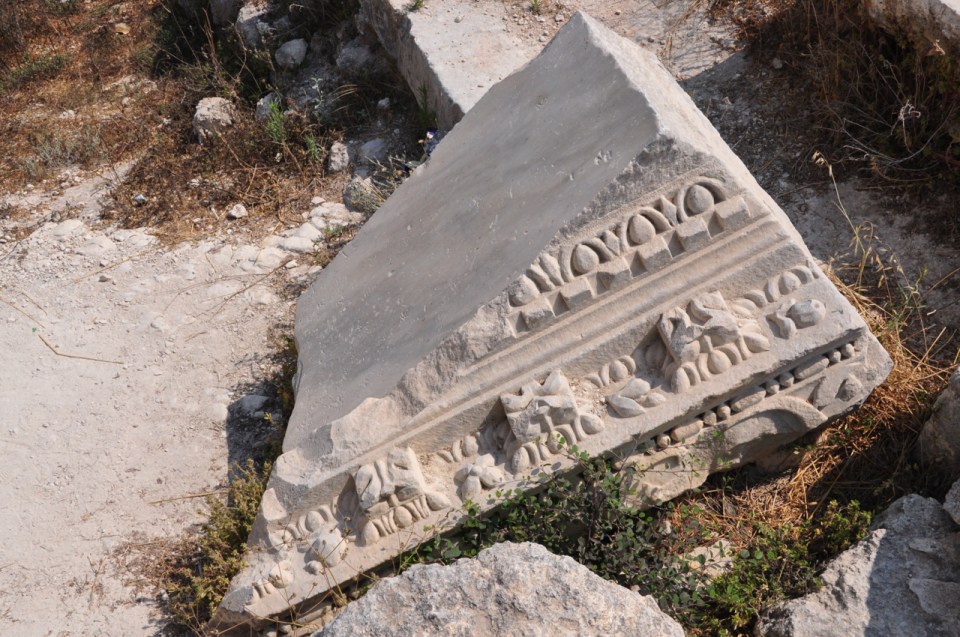
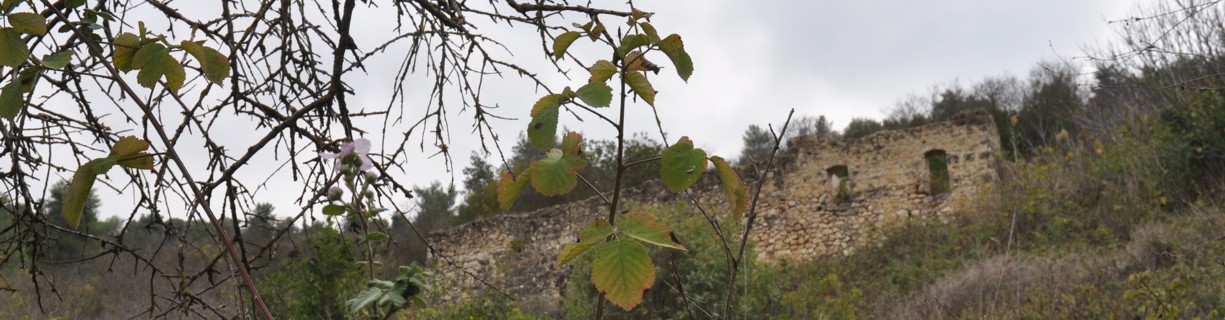
From there we walked to the ruins of a small 7th century Byzantine church with Crusader additions where according to one tradition the head of John the Baptist was kept. It’s then a short walk back to the square. In walking through the forum I noticed a section of a fine marble lintel with egg and dart carving.
A great day trip that I would be happy to guide – the ruins at Mount Gerizim and Samaria-Sebaste. To fill out the day, you can cross Samaria to the Jordan valley and add some of these sites: the mosaic zodiac at Bet Alfa synagogue, the archaeological site at Bet Shean, the Crusader fortress at Belvoir, the monastery in Wadi Qelt, the mosaic museum at the Inn of the Good Samaritan depending on your interests.
Blessing on Mount Gerizim

When we drove up to experience the Samaritan Passover sacrifice at Kiryat Luza we had hoped to also visit the site at Mount Gerizim but it was closed. Now the Israel Nature and Parks Authority with the Judaea and Samaria Civil Administration have completed the work to enable daily access to the archaeological site on Mount Gerizim.

Mount Gerizim is one of two mountains that overlook the West Bank city of Nablus (in Hebrew Shechem, of which there are many Biblical references). Mount Gerizim at 886 meters above sea level (higher than Jerusalem) is one of the highest mountains in Israel. In Deuteronomy 27:2-13 Moses and the Elders command the nation to build an altar of large, natural white-washed stones on Mount Ebal (the mountain across from Gerizim) and to make peace offerings on the altar, eat there and write the words of the Law on the stones when they cross the Jordan River into the land of Israel. The Israelites are then to split into two groups of six tribes each, one stays on Mount Ebal and pronounces curses, while the other goes to Mount Gerizim and pronounces blessings.

Mount Gerizim is sacred to the Samaritans. According to the Samaritan version of Deuteronomy and a scroll fragment found at Qumran, God instructs the people to build the altar on Mount Gerizim not Ebal. According to the Samaritans God chose Mount Gerizim as the location for the Holy Temple, rather than the Temple Mount or Mount Moria in Jerusalem (Make me a sanctuary and I will dwell among you – Exodus 25:8).

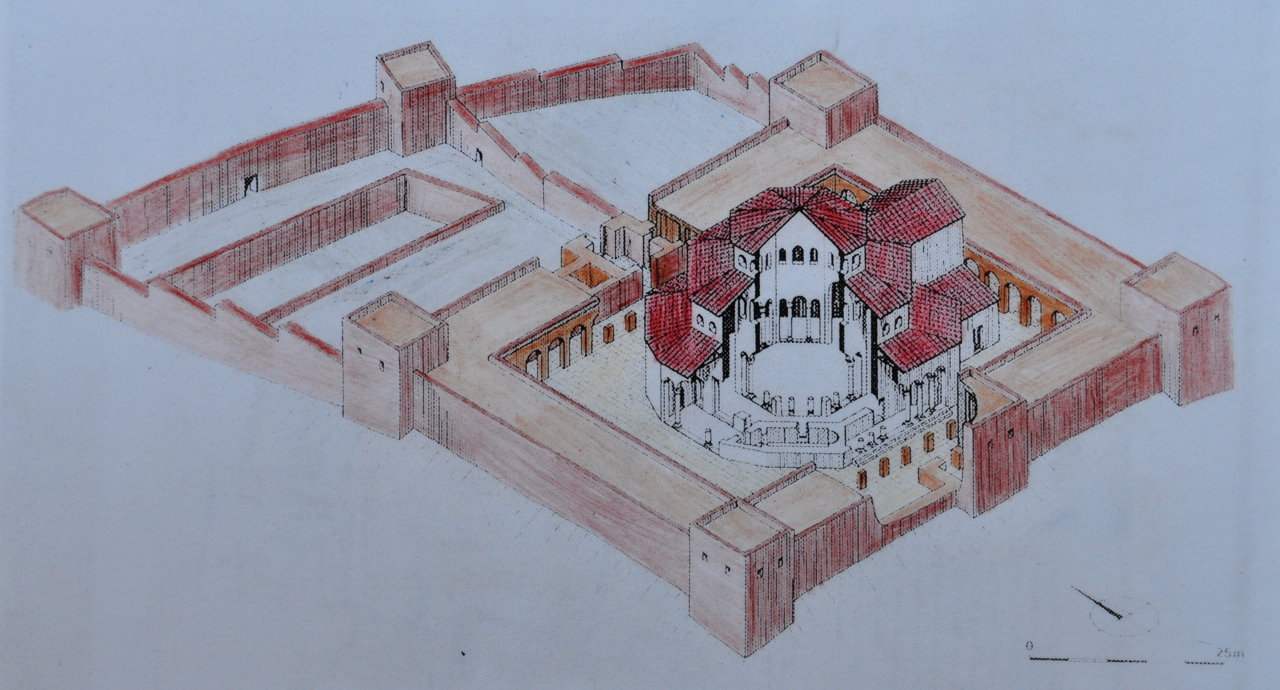
At the end of the 5th century BCE, Sanballat, the governor of Samaria, constructed a temple on Mount Gerizim and a large city grew around it and flourished during the Hellenistic period. Religious tensions between the Jews and the Samaritans led John Hyrcanus to destroy the temple on Gerizim in the 2nd century BCE according to Josephus (in the Talmud, it is destroyed by Simon the Just). In the 4th century when Christianity became the state religion of the Roman Empire, the Samaritans were barred from worshiping on Mount Gerizim. In 484 CE the Byzantine ruler Zenon constructed a fortified monastery with a Christian octagonal martyrium inside, in honor of Mary Mother of God (Theotokos). The plan of the martyrdom is almost identical to the Kathisma church on the way from Jerusalem to Bethlehem.

There are the remains of quite intricate mosaic floors in some of the areas.

In 529CE, Emperor Justinian made Samaritanism illegal, extended the enclosure to the north (destroying the Samaritan temple to its foundations) and built a protective wall around it.

According to Muslim tradition, the tomb of Sheikh Ghanem one of Salah al-Din’s commanders was built on the foundations of the northeastern tower.

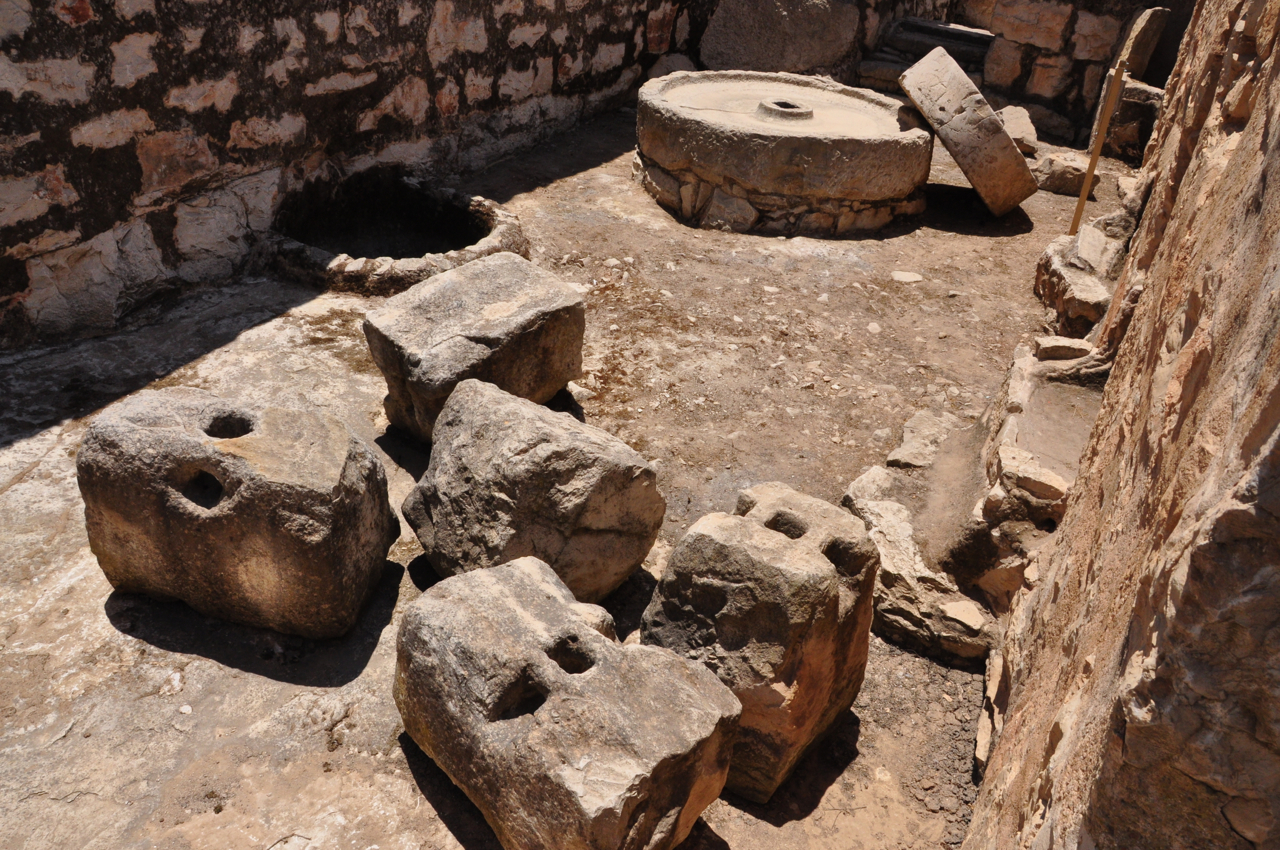
In the excavations of the city both public and residential buildings were uncovered as well as olive presses.

Temple on 17 Tammuz

Today is the fast day of 17 Tammuz where we remember the breach of the walls of Jerusalem. Less than a month later on the 9 Av the Temple was destroyed.

Photo from City of David website

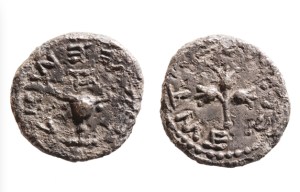
A silver half shekel coin was discovered at the Emek Tzurim National Park during the sifting of rubble from the Temple Mount dumped by the Waqf in the Kidron Valley. The coin, weighing 7 grams, is from the Great Revolt against the Romans (66-70CE). A branch with three pomegranates and the words “Holy Jerusalem” appear on one side of the coin, while the words “Half Shekel” appear on the other, in proto-Hebrew script. The use of Hebrew (and not Jewish Aramaic that came into wide use during the Second Temple) and proto-Hebrew script is popular on Jewish coins from that period. During the period of the Great Revolt, they replaced the Tyrian shekels for the annual half shekel tax that every Jewish male adult gave to the Temple treasury and Jerusalem.

Photo from City of David website

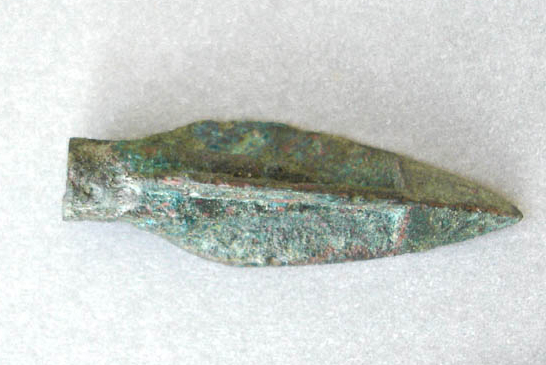
A Babylonian arrowhead was also discovered in the sifting of archaeological rubble from the Temple Mount. Only a small number of arrowheads from the 6th century BCE, the period of the destruction of the First Temple, was found as it was Babylonian army practice to gather up the used arrows. Arrowheads were found close to the top of the City of David hill, in the Jewish Quarter of the Old City and in Ketef Hinnom evidence of the heavy fighting.

Today is very appropriate to see the multi-media presentation about this period at the Burnt House in the Jewish quarter in the ruins of a house destroyed during the Great Revolt.