Wind Turbines on Golan Trail

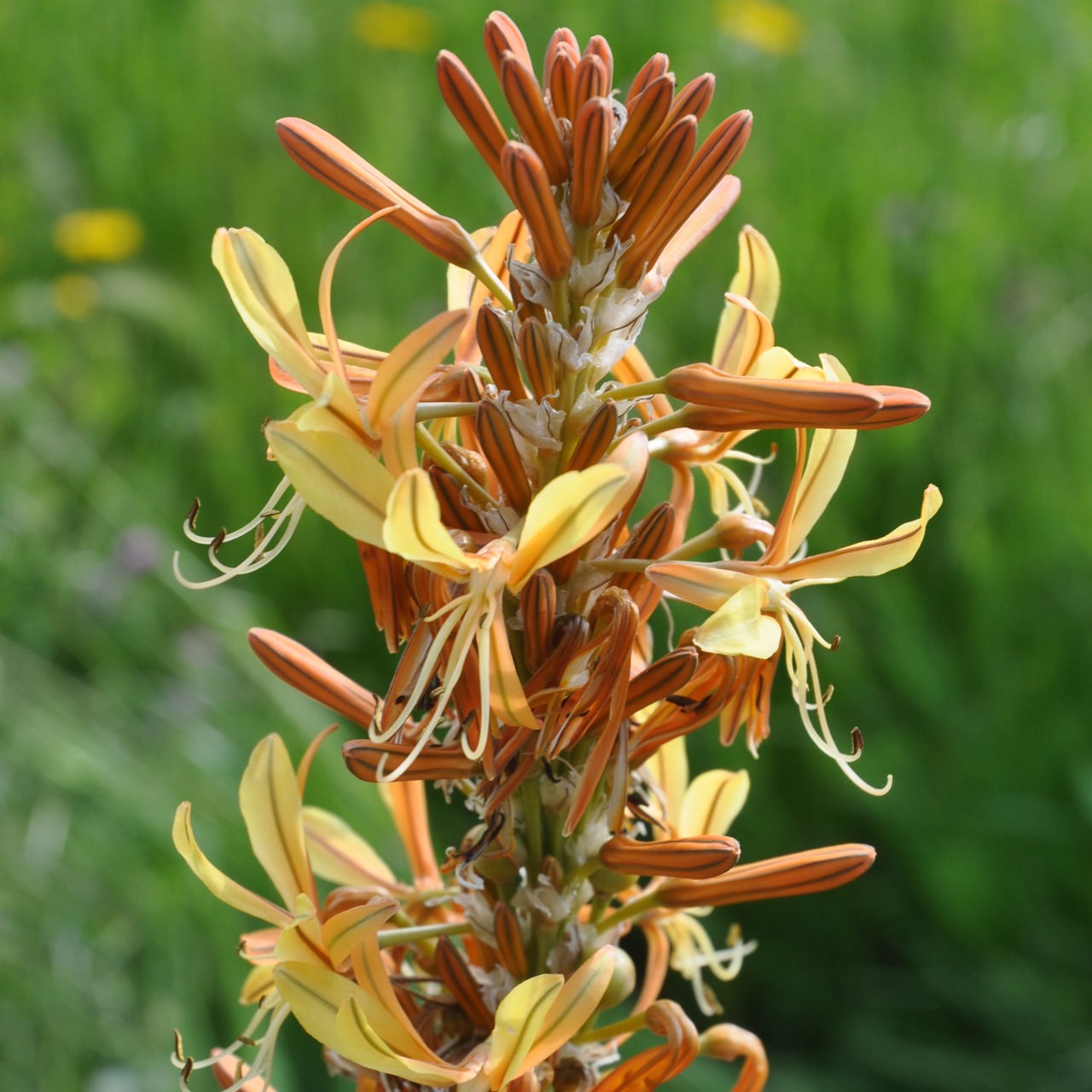
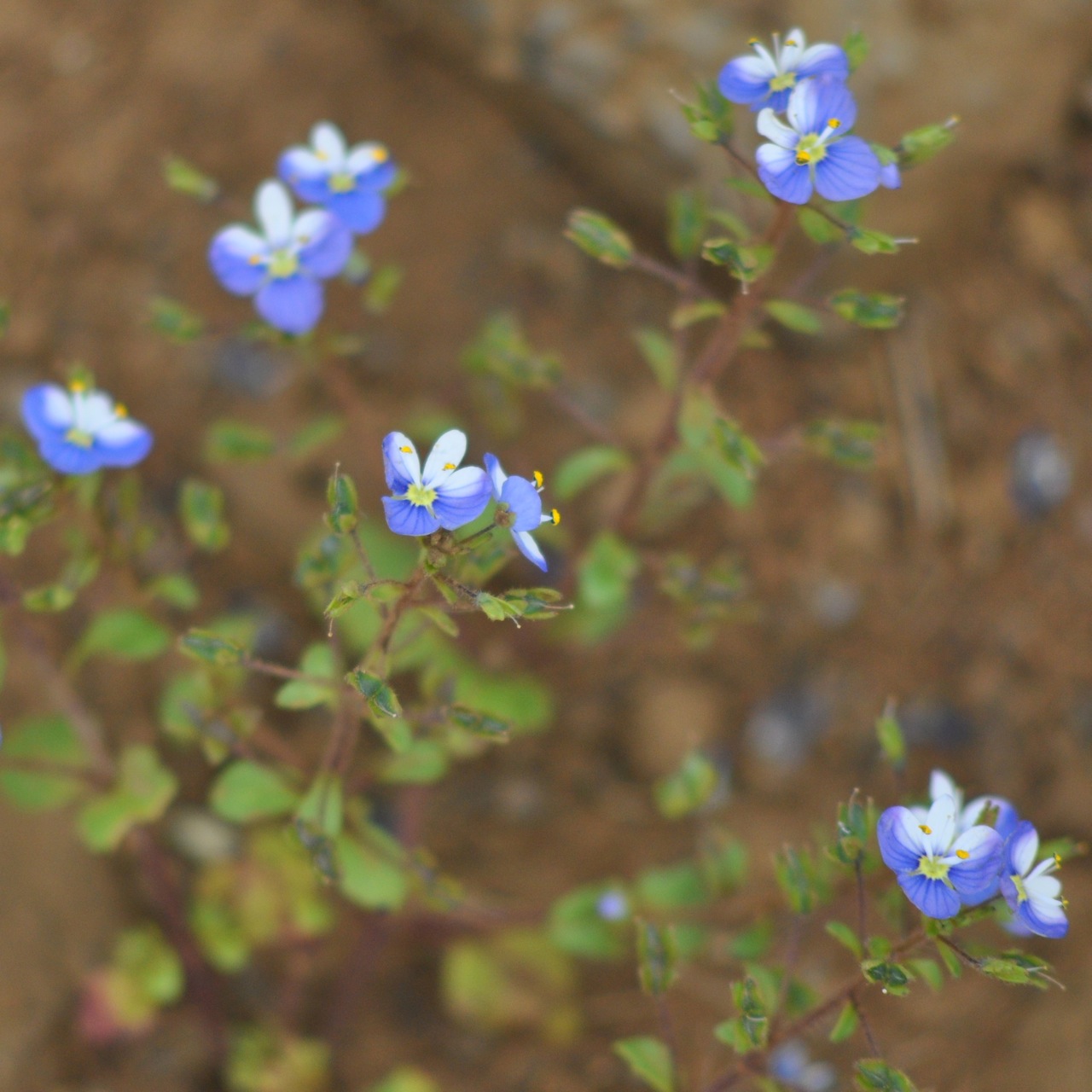
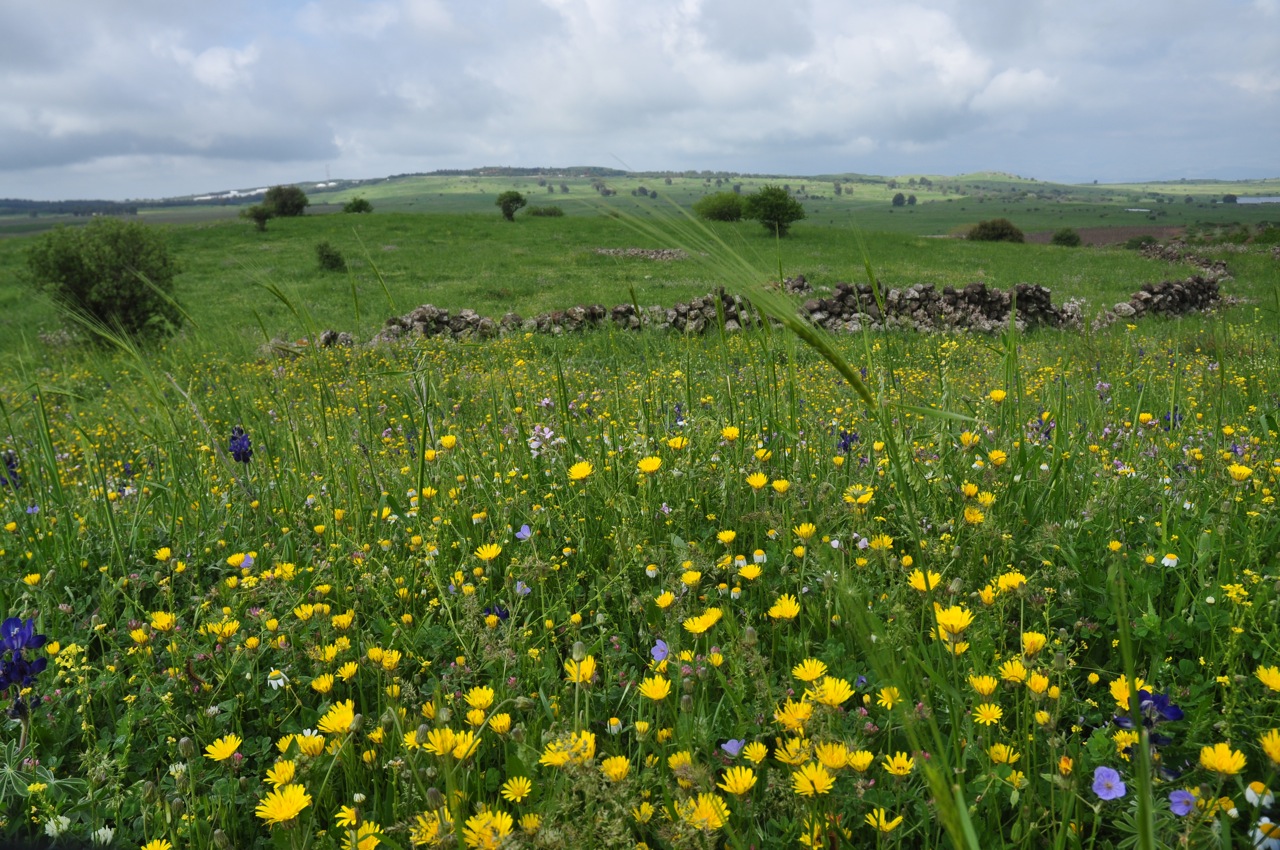
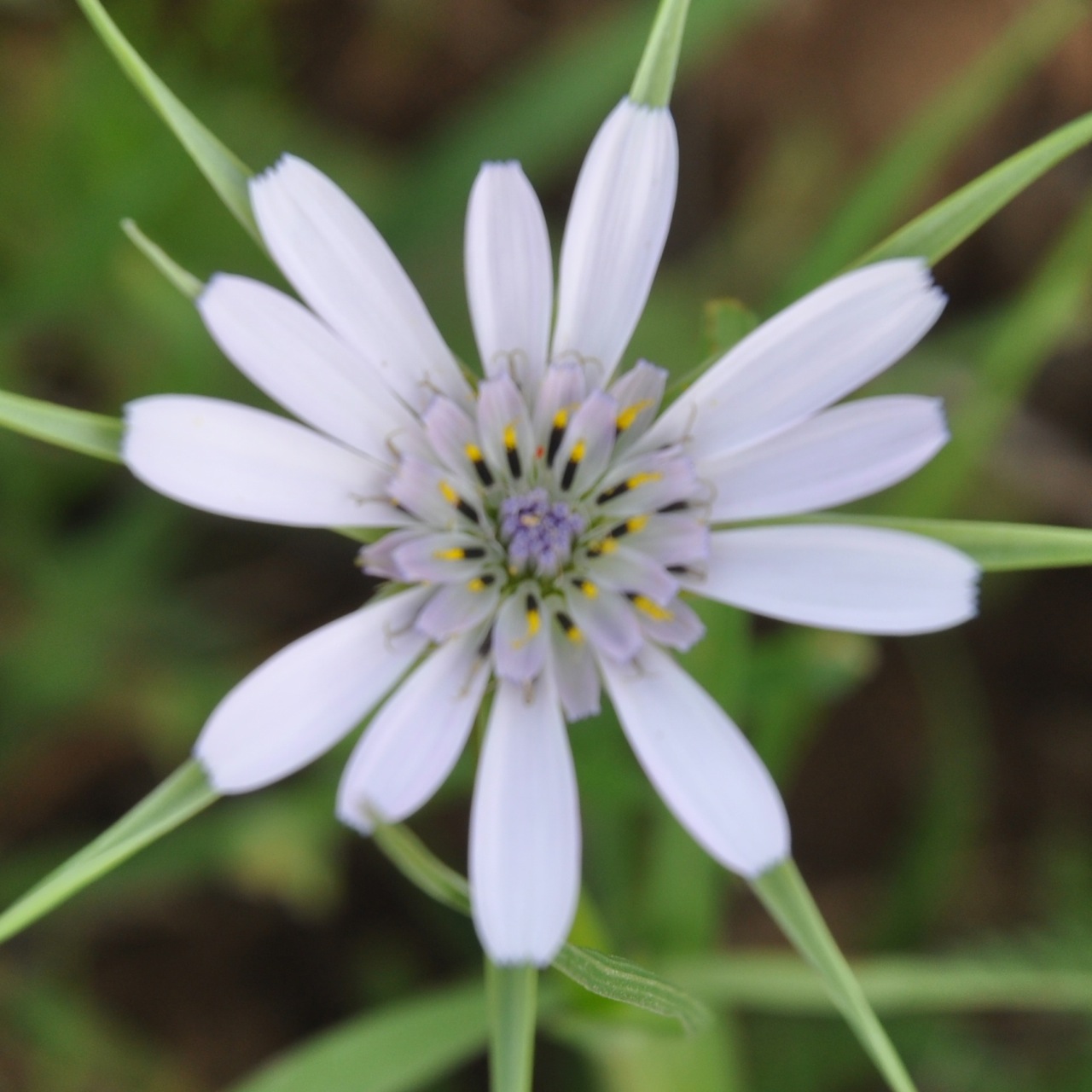
Whenever I spend some time on the Golan I am struck by its quiet expansiveness (compared to other parts of Israel). This time over the Passover holiday it was especially beautiful, everything was so green and the fields were covered with early wheat and wildflowers, poppy, lupine, asphodel, daisy, mustard, clover and some I had never seen.

     

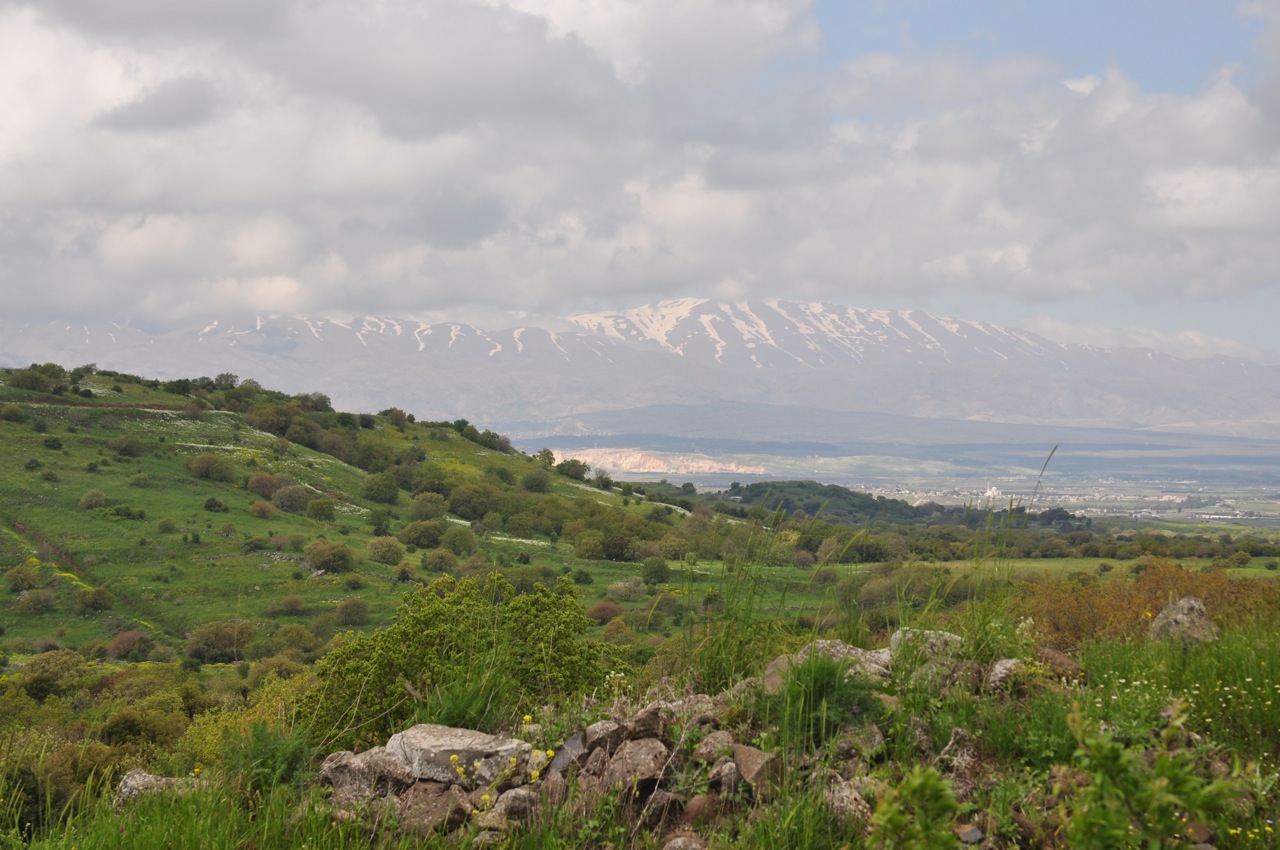
The Golan trail is a 130km trail that snakes along from Mount Hermon in the north at an altitude of 1500 meters above sea level to the Taufik spring above Hamat Gader. I went up to hike 3 days of the Golan Trail from Har Bental to Alonei HaBashan and from there to Faraj intersection. On the first day we could see the snow-capped Hermon to the north and the Sea of Galilee below us to the south.
Unfortunately the third day to Nahal Daliyot and Rujm el-Hiri was cancelled due to inclement weather. These couple of days hiking were the closing parenthesis of the 8 days I hiked from Eilat in March.

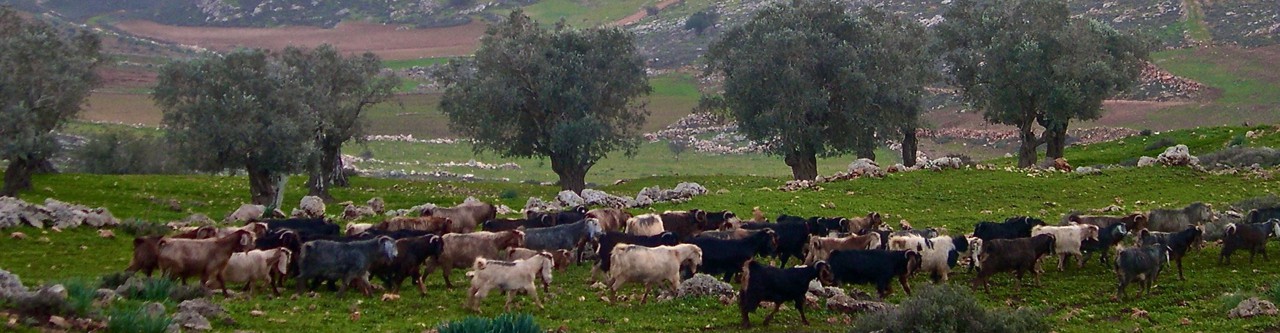
The Golan Trail goes by and then climbs a hill, the Bashan ridge on which 10 wind turbines, 30 meters high were installed in 1992. When I went by only 5 were working, producing about 3 megawatts of electricity that is used by the Mey Eden and Golan Heights winery and some 20,000 residents of the Golan in 32 settlements.
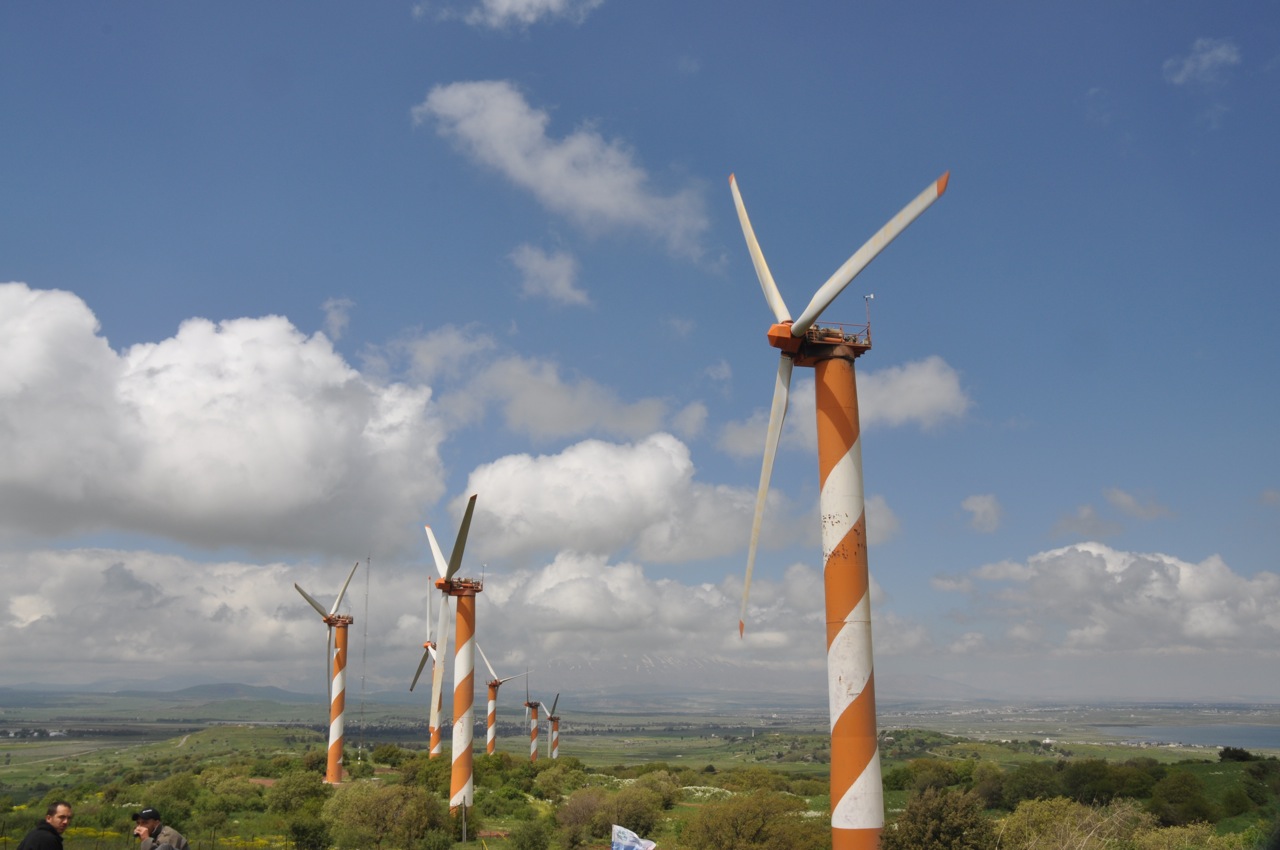
Plans have been in place for 150 new, larger wind turbines to be installed over an area of 140 square kilometers of the northern Golan that would cost about $500 million and produce 400 megawatts of electricity, enough to power the entire eastern Galilee. A company has been established to build a wind farm in the northern Golan, in the valley known as the Vale of Tears with investments in place amounting to some $120 million. The Golan has some of the strongest levels of wind energy in the entire region but there are problems. One is that such a large number of tall (80 meters high) wind turbines could be hazardous to the migratory birds that pass over the Golan in the thousands. Also, photovoltaic panels have become more efficient and less expensive. Individuals and companies can install the panels and the electric company buys the electricity generated at 4 times the current rate. So far, some 150 photovoltaic systems have been installed generating 7 megawatts of electricity with another 200 installations approved.
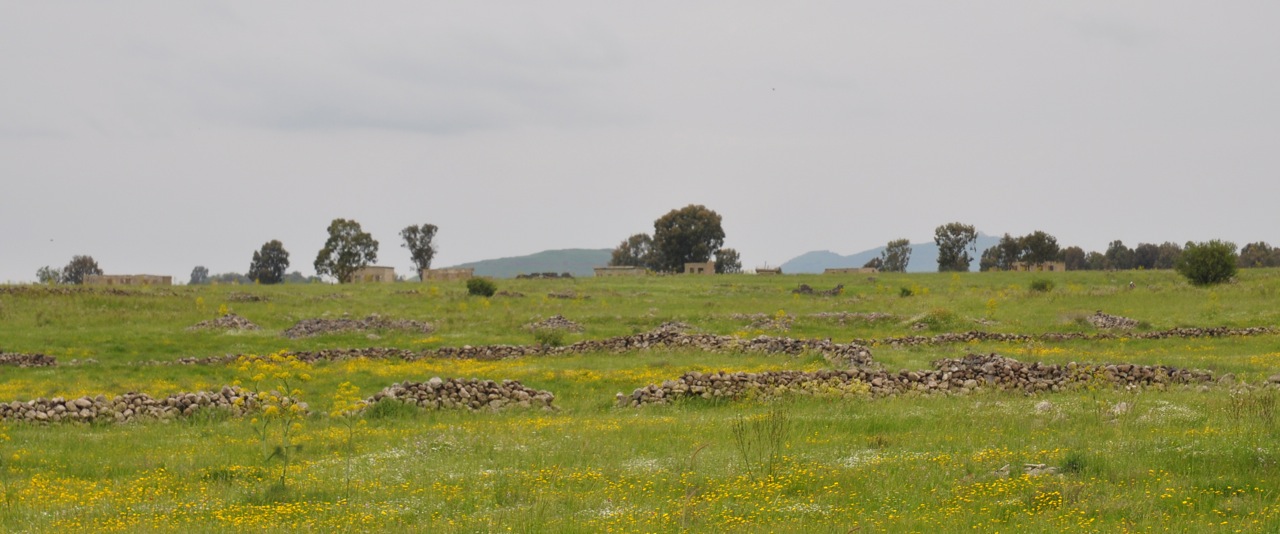
Golan landscape

Last Supper Passover

Every year the Passover seder concludes with a rousing “Next Year in Jerusalem”. As we clean and make our preparations this year I am struck at how fortunate I am to be living in Jerusalem and celebrating Passover here.

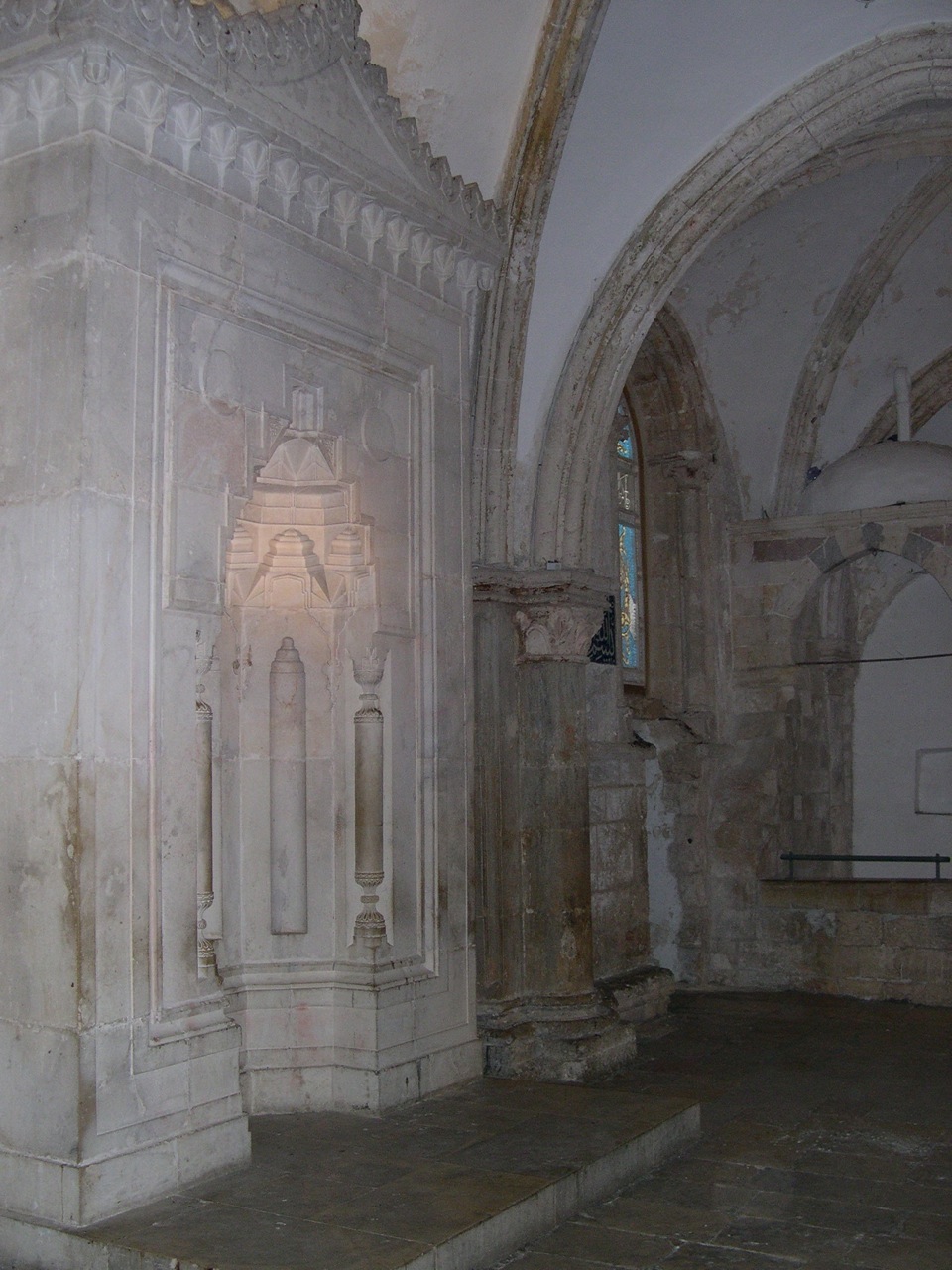
Just this week I went for a walk with a friend to the Old City. Our steps led us to Mount Zion and we visited the Coenaculum, the Upper Room where according to Christian tradition Jesus celebrated the Passover, the Last Supper.

… Where is my guest room, where I may eat the Passover with my disciples? He will take you upstairs to a large room that is already set up. That is where you should prepare our meal. The disciples left, went into the city and found things just as Jesus had told them. So they prepared the Passover.          Mark 14: 14-16

There are various suggestions about the date of the present chapel. It may have been built by the Franciscans in 1335 on the remains of an earlier Crusader church or by Crusaders just before Saladin’s conquest of Jerusalem in 1187 or later by Holy Roman Emperor Frederick II, after he arrived in the city in 1229. From repair work on the flooring it seems that the original building was a domus ecclesia that existed at the time of the Second Temple and perhaps used by early Jewish-Christians. Note that the building was converted to a mosque in 1523 by the Ottoman Turks with the addition of a michrab.


To bake matzah, the unleavened bread for the Passover seder, you need flour which we will freshly grind from organic wheat berries. We need spring water to mix with the flour and bake the dough (in less than 18 minutes). So today we went to Ein El Henya, a spring in the valley of Nahal Refaim, just south of Jerusalem.

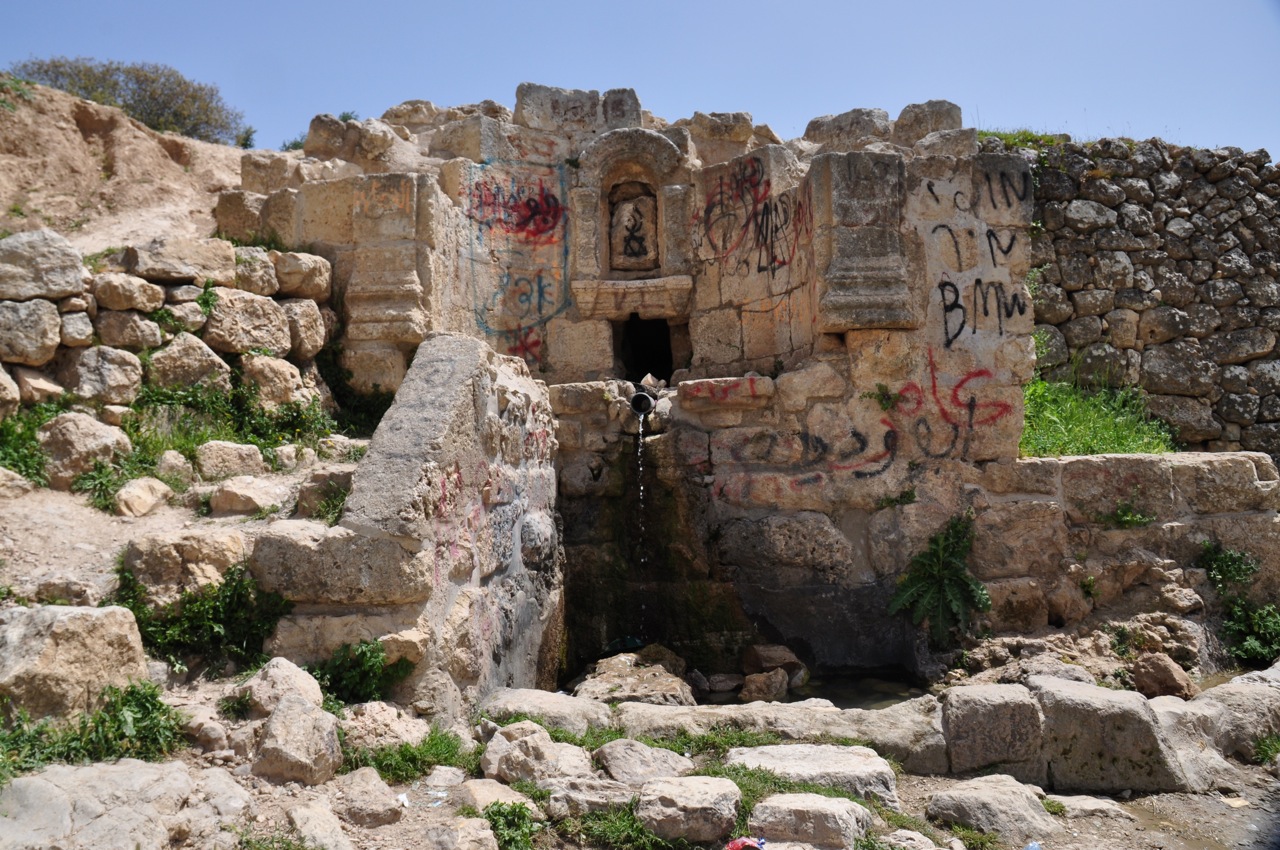
The spring is typical of those found in the Jerusalem area, consisting of a dugout chamber where the water flows from the contact between the water porous limestone and a layer of marl which as it contains clay is more impervious to water. A 39 meter underground tunnel channels the water to the ruins of a building, the apse of a 6th C Byzantine church, where it cascades down into a small pool in front of the apse framed by two pilasters. The apse gave the spring its Arabic name because henya is a round niche carved out of stone. From there it follows a channel to fill a large (11 x 7 meter, 2 meters deep) rectangular pool (though I noticed that now the pool is almost empty).

The church is named after Philip the Evangelist according to the story in Acts 8:26-40

Then an angel of the Lord said to Philip, “Get up and go towards the south to the road that goes down from Jerusalem to Gaza.”

There he met a court official of the Queen of Ethiopia in charge of her entire treasury who was sitting in his chariot reading from the prophet Isaiah. He had come to Jerusalem to worship at the Temple and was returning home. The official/eunuch asked Philip to explain what was written and was so impressed that when they came to the spring he requested that Philip baptize him there.

Bahai Shrine of the Báb

This morning the golden dome above the Shrine of the Báb was unveiled to the delight of viewers and this tour guide and shone with a new splendor above the city of Haifa.

Photo credit: Baha’i World Centre photo. All rights reserved.

The Báb, the precursor to the Bahá’u’lláh, was executed in 1850 in Iran and his remains were later laid to rest on Mount Carmel. The precise location was designated by Bahá’u’lláh himself to his eldest son, `Abdu’l-Bahá, in 1891. `Abdu’l-Bahá planned the octagonal structure crowned by a dome set on an 18 windowed drum, which was designed and completed by his grandson, Shoghi Effendi.

The architect was William Sutherland Maxwell, a Canadian Bahá’í who was a Beaux-Arts architect and the father-in-law of Shoghi Effendi. Maxwell’s design of the Rose Baveno granite colonnade, Oriental-style Chiampo stone arches, and golden dome is meant to harmonize Eastern and Western proportions and style. Some remaining aspects of the dome’s structural engineering were designed by Professor H. Neumann of Haifa’s Technion University. The Bahai gardens and Shrine of the Báb is the second holiest site for Bahai, after Bahji, the Shrine of the Bahá’u’lláh just north of  Akko.

In 2008 an extensive project began to restore and conserve the interior and exterior stonework of the original 1909 structure, as well as measures to strengthen the Shrine against earthquakes. An entirely new retrofit design – combining concrete, steel and carbon fibre wrap technology – was applied to the building. More than 120 rock anchors were fixed into the mountain behind newly fortified retaining walls. Renovations were completed at a total cost of $6.7 million.

In the last stage, 12,000 gold tiles, of 120 different shapes and sizes, had to be fitted like a large puzzle onto the dome. When it was found that the old tiles could not be repaired a Portuguese firm was contracted to produce new tiles using leading-edge technology from pure porcelain, covered with layers of glazing and gold solution, and finished with a highly durable final coating. “The company had never done anything like this before,” said Mr. Samadi, project manager. “They are renowned for museum-quality porcelain artifacts. But the result is perfect. Not only are the tiles beautiful, they are five to six times more abrasion-resistant than the originals.”

An expert mason and tile setter from New Zealand, Bruce Hancock, was flown in to supervise the tile work. “We had to learn as we went,” Mr. Hancock said. “Ordinarily, you lay tiles that are square. These tiles are all shapes and sizes. Every row is curved. Initially, I was concerned how we were going to create that curve, but these tiles were designed and detailed in such a way that they just did it themselves. They seemed to have a life of their own. If we did the right thing – getting the two corners right – they did the right thing. It was just amazing.”

The Bahai Universal House of Justice released a statement that the dome of the Shrine of the Bab “now shines in the plenitude of its splendour.” Bahá’ís consider the Shrine of the Báb and the surrounding gardens to be a “gift to humanity.”

For the complete press release and additional photos see http://news.bahai.org/story/816

Moshe Castel and Israel Art

In Maale Adumim facing the panoramic view of the hills of Jerusalem sits a building that houses the art of Israeli artist Moshe Castel. Castel himself chose the site located between Jerusalem and the Judean desert symbolizing Israel’s past and future and his own connection to Jerusalem and the land of Israel and its history. (http://www.castelmuseum.com) The Israeli architect David Resnick designed the building with input from Castel. Resnick is well known for other architectural landmarks, Yad Kennedy, the “Mushroom” synagogue at Hebrew University, Givat Ram and the Mormon university in Jerusalem.

Moshe Castel (1909-1991) was born in Jerusalem to a Sephardi family from Castile with roots that go back to the expulsion from Spain in 1492. At the age of 13 he began to study at the recently opened Bezalel Art School where he learned the rudiments of painting and painted locally inspired landscapes and images. In 1927 at age 17 he traveled to Paris to study at the Academie Julian. Quickly he exchanged his hat and black tie for vagabond clothing and hung out with his fellow artists in the cafes. He rented a small apartment above the sculptor Giacomettti and joined the circle of great artists, Picasso, Matisse, Miro, Soutine and Chagall.

At the Louvre, he sat before the works of the Old Masters and copied their paintings, paying attention to the technique of layering the paint on the canvas. There Castel learned “That art is not symbolic, but rather material, the material is the main thing, the way the paint is placed, the way the layers are placed on the picture, this is the most essential thing.”

In the 1940s he returned to Israel, settled in the Artist Colony of Tzfat and established the New Horizons group of artists that broke way from the established Artists’ Union to focus on universal artistic elements and a more abstract European style. You can visit the house he lived in, newly renovated as a gallery.

He found basalt rocks on his hikes through the Galilee, in the area of Korazim, and began to use them as raw material – the stones were crushed, mixed with a bonding agent and pigment and applied in a thick coat with a palate knife. This material was applied as the textured background for scrolls, letters, figures that became his signature and unique artwork.

There are three other museums in Israel that are dedicated to the works of a single artist. The former residence of the Israeli painter Reuven Rubin at 14 Bialik Street in the heart of Tel Aviv has been made into a museum that displays his paintings from the different periods in his artistic development and preserves the artist’s studio. There is also an audio-visual slide show on Rubin’s life and work. (http://www.rubinmuseum.org.il/home.asp)

The Nahum Gutman Museum was opened to the public at the reconstructed Writers’ House at 21 Rokach Street in Neve Zedek in 1998 and encompasses works in oil, gouache and watercolor, as well as several thousand drawings and illustrations. (http://www.gutmanmuseum.co.il/Default.aspx)

The Janco Dada Museum in the center of the Ein Hod Artists’ Village south of Haifa exhibits the prolific work of Marcel Janco chronologically from his early works as a boy of fifteen. (http://www.jancodada.co.il/en/ar_01.php)

For other museums in Israel check out http://ilmuseums.com/

“Top Ten” Biblical Archaeological Discoveries

Several months ago Tim Kimberley of the Parchment and Pen posted his “Top Ten” list of biblical discoveries in archaeology. I found the link via Todd Bolen’s Bibleplaces blog who wrote that the list corresponds closely to what he would have suggested. So drumroll please, here is the list in reverse order of importance:

10. Sennacherib’s Siege Reliefs of Lachish

9. Black Obelisk of Jehu’s Tribute to Shalmaneser III

8. Caiaphas Ossuary

7. Hezekiah’s Tunnel

6. Pontius Pilate Inscription

5. The Crucified Man (nail through heel)

4. Ketef Hinnom Silver Amulet Scroll (Priestly Blessing)

3. Jericho (Tel es-Sultan)

2. Tel Dan Stele with House of David

1. Dead Sea Scrolls

To see most of these finds, specifically #1, 2, 4, 5, 6, and 8 only requires a visit to the Israel Museum in Jerusalem. The British Museum holds #9 and 10 but there is an excellent replica of #10, Sennacherib’s Siege Reliefs at the Israel Museum. You can experience #7 Hezekiah’s Tunnel by visiting the City of David archaeological park. Just last week I took a family, we started at the sifting project at Emeq Tsurim, walked along the Jerusalem trail to the Kidron to the City of David and walked Hezekiah’s Tunnel – everyone had a great time. Site #3 Jericho is off limits for a lot of Israeli guides but I am authorized to take tourists to Jericho – there is a lot of discussion about whether the archaeology supports the Biblical account.

One of the things Tim talks about is provenance, where the artifact was found. Besides seeing the objects at the museum, this is where you would have to go to see where they were discovered:

#1 Qumran, 2 Tel Dan, 3 Jericho, 4 Ketef Hinnom, 5 Givat haMivtar, a suburb north of Jerusalem, 6 Caesarea, 7 City of David, 8 Peace Forest at tayelet/promenade, 9 and 10 you’d have to go to Iraq; you can visit Tel Lachish off of highway 3415 between Jerusalem and Tel Aviv.

You might want to add these places to your itinerary on your next trip to Israel, you’ll learn a lot. I can take you to and guide these sites except for Iraq.

Hirbet Midras Vandalized!

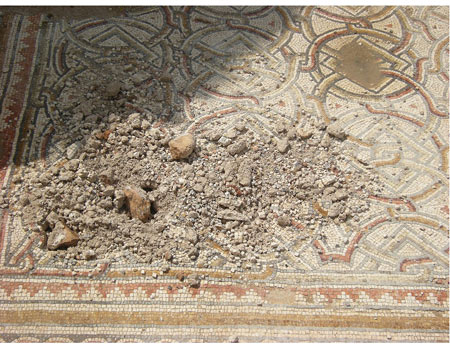
Just reported by Ynet (in Hebrew), Hirbet Midras, the site of the Byzantine church in the Ella Valley with the incredible mosaic floors, uncovered just two months ago and visited by tens of thousands of people was deliberately and brutally vandalized Wednesday night. The Antiquities Authority had made considerable effort to prepare the site and had decided to leave the mosaics uncovered so that people could visit and see them. The supervisor and archaeologist in charge, Alon Klein of the Israel Antiquities Authority’s Crime Prevention unit was shocked to find the destruction this morning when he arrived at the site.

Photo courtesy of the Israel Antiquities Authority

“Someone took a hammer and attacked the mosaic, digging them up in a large number of spots. A person hiking in the park had reported the damage. The mosaic looks like it has been hit by mortar shelling. It’s a sad sight, heart breaking. The mosaics suffered serious damage as a result of brutal vandalism. ” said Klein.

Photo courtesy of Israel Antiquities Authority

The Antiquities Authority has filed a criminal complaint with the police who are investigating. The mosaics will now be covered to protect them. When asked about whether the damage could be repaired the response was that it would be time-consuming and require a significant outlay of money but hopefully it could be done (at least to a certain degree).

This on the heels of the explosion yesterday near the entrance to Jerusalem and the escalation of rockets and mortar being fired on Beersheva and the coastal cities of Israel from Gaza. Sigh.