Tag Archives: desert

Photo of the Week near Avdat

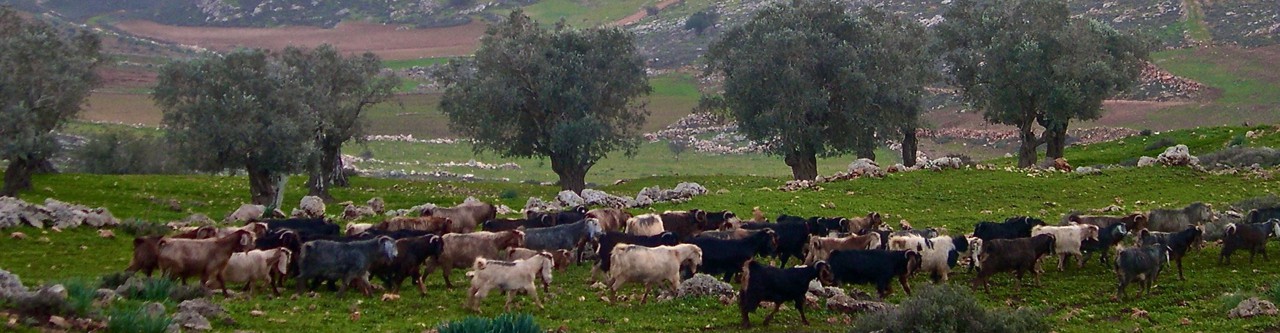
Route <40> connects the city of Beersheva in the middle of the Negev to the makhtesh, a unique geological formation at Mitzpe Ramon. Avdat, founded by the Nabateans in the 3rd century BCE, was the most important city on the Incense Route after Petra, “the rose-red city half as old as time” for some eight centuries until its destruction by earthquake in the early 7th century CE. This photo was taken across from Avdat in the area of Ramilye cisterns.

near AvdatYou can click on the image for a larger view (which may take some time to load depending on your Internet connection). Please share this post with your friends by clicking on the icons at the end of this message.

The technical details – the photo was taken with a Nikon D90 DSLR and 18-70mm lens in November (ISO 200, 18mm, F10 at 1/320 sec).

For more information about the Negev see my post at https://israeltours.wordpress.com/2009/10/26/negev-desert/

Photographs on this website are © Shmuel Browns (unless marked otherwise) – if you are interested in purchasing one of my photos or using one of my photos for your own project please contact me.

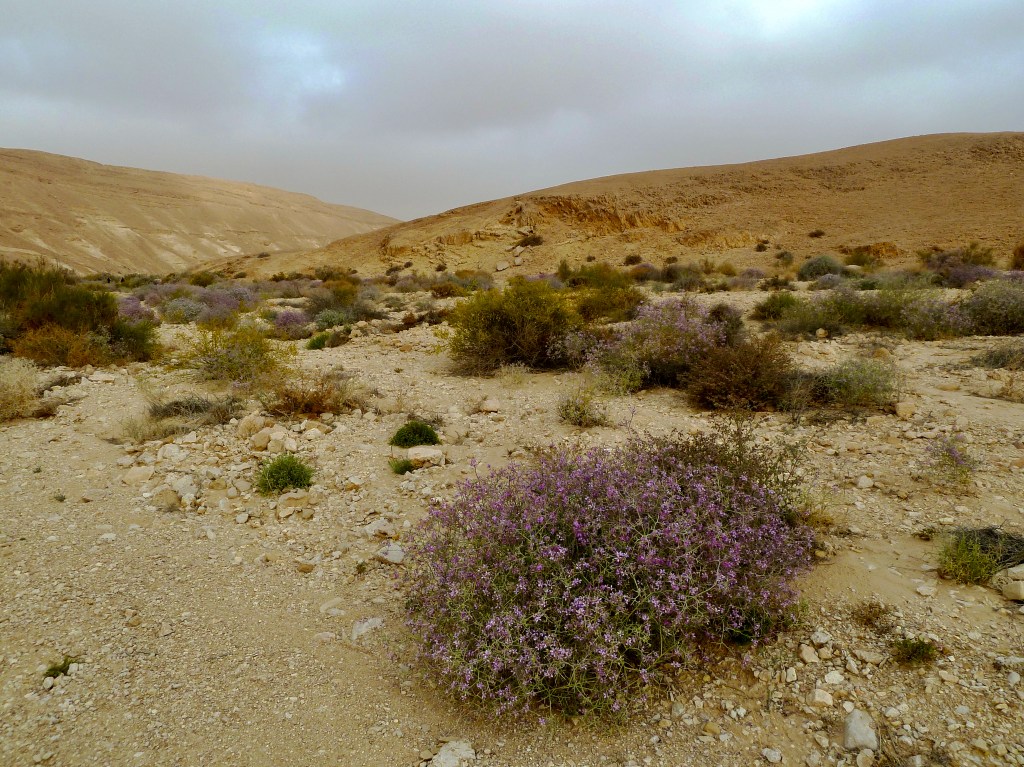
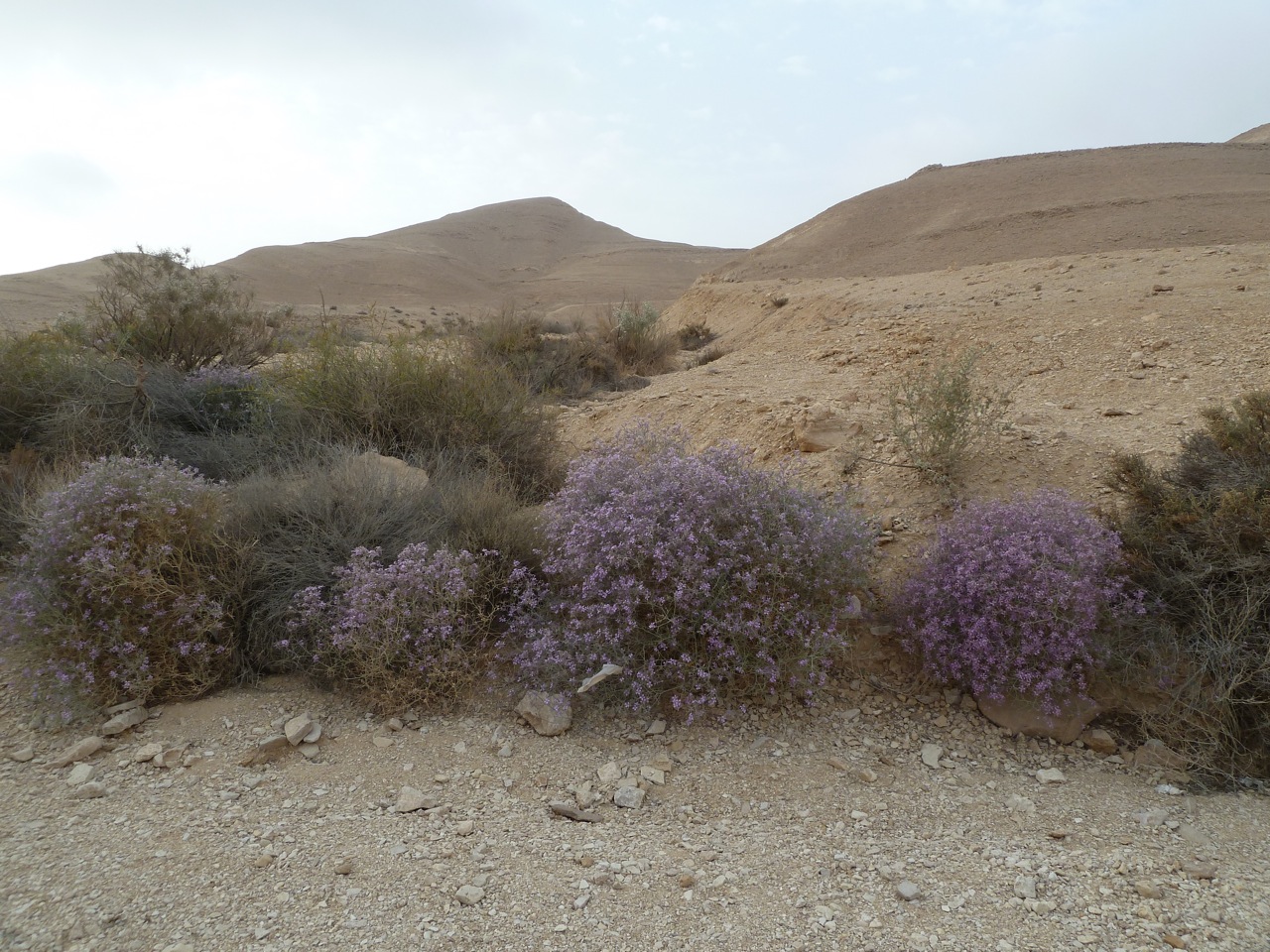
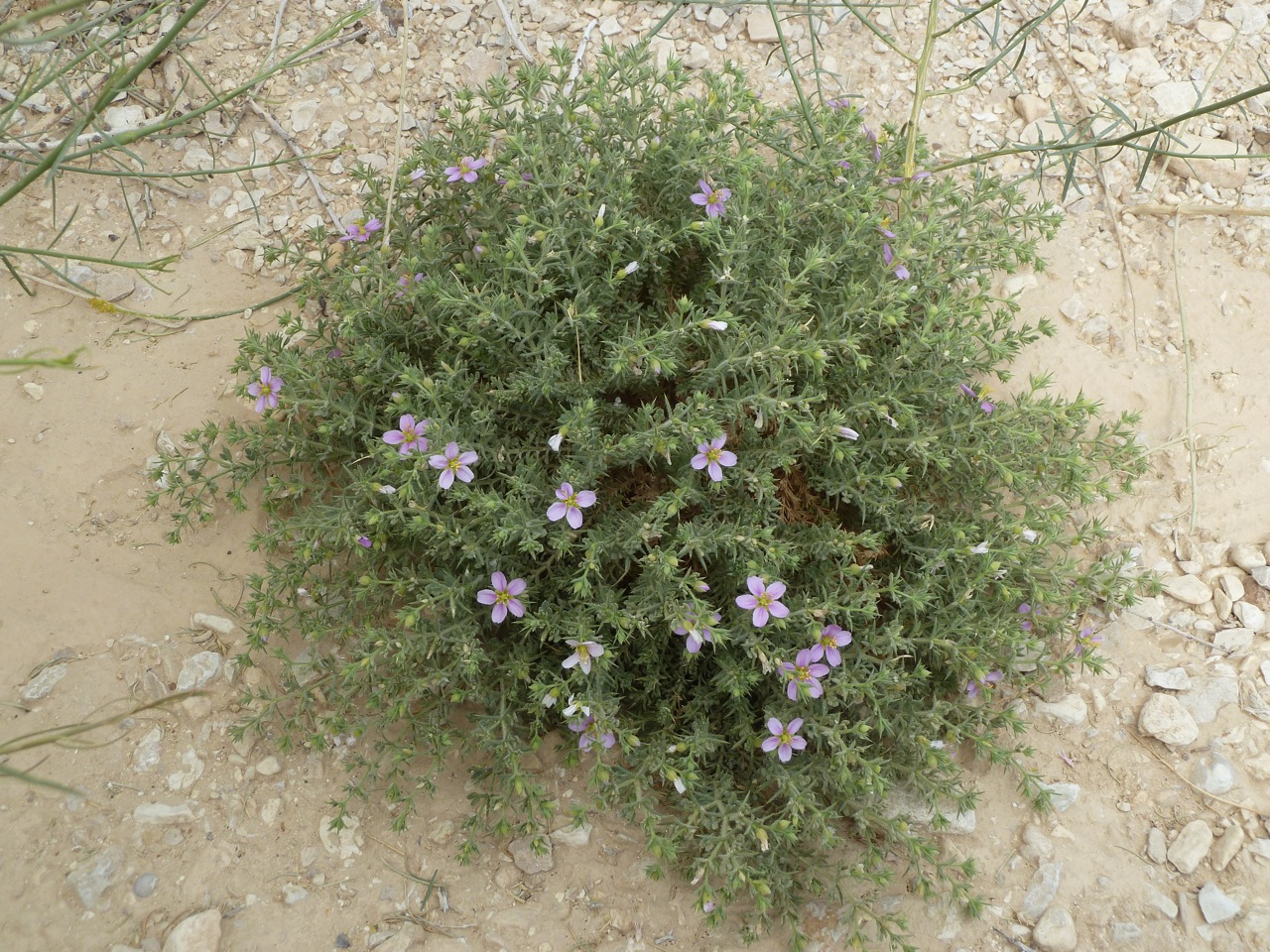
Just north of Timna continuing along the Israel trail you follow the Milhan ridge, a great area for hiking and photographs. We stayed overnight at the nearby campground, Be’er Milhan, a site that affords some protection from the wind (no toilets or running water). This photo was taken in the morning. Purple flowering bush is Spiny zilla (Zilla spinosa), a member of the brassicaceae family, you can eat the purple flowers which taste like cabbage.

Milhan well

The technical details – the photo was taken with a Lumix point and shoot camera in March (ISO 80,4.1mm, F4 at 1/320 sec).

For more information about desert wildflowers see my post at https://israeltours.wordpress.com/2011/03/14/desert-wildflowers/

Photographs on this website are © Shmuel Browns (unless marked otherwise) – if you are interested in purchasing one of my photos or using one of my photos for your own project please contact me.

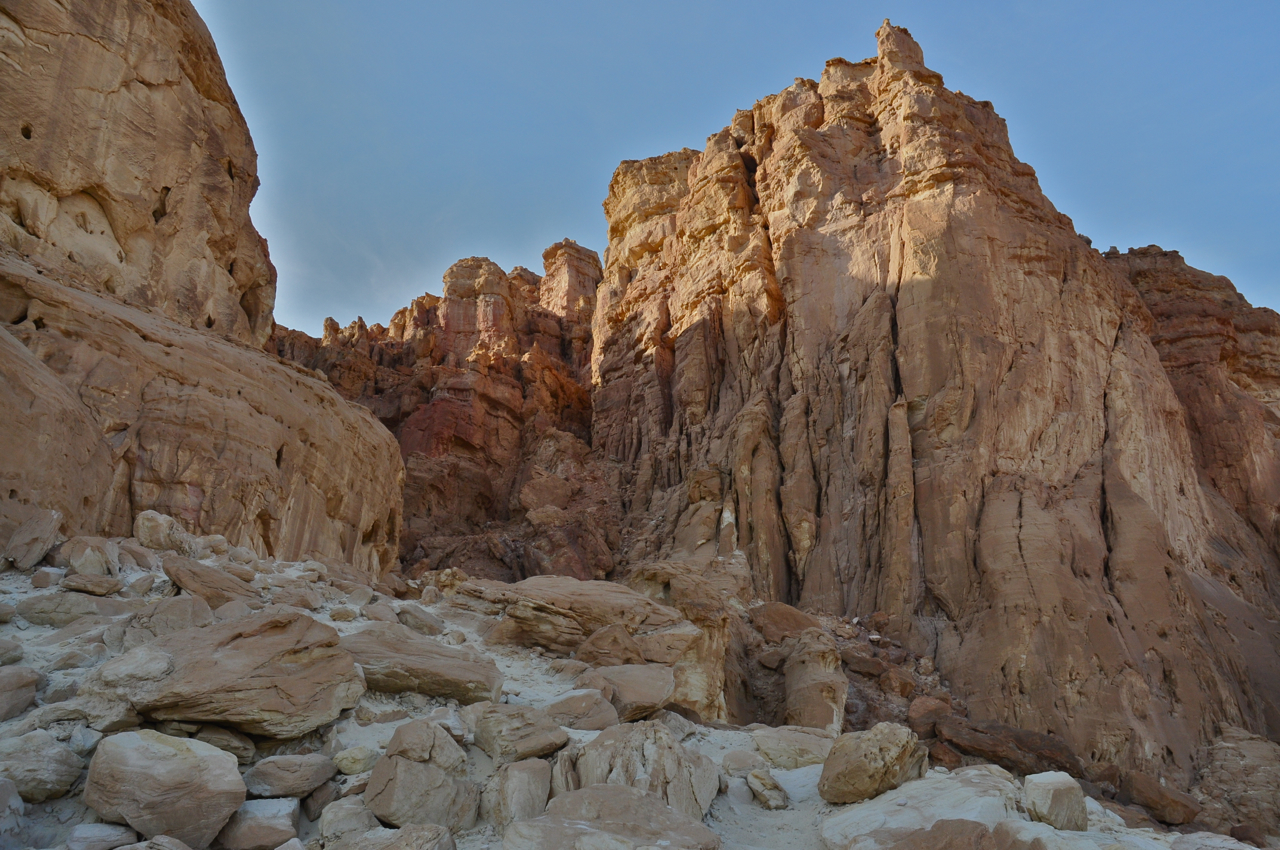
Timna is a horseshoe-shaped valley in the south of Israel in the southwestern Arava about 30 km north of the Eilat just off of highway <90>. The area is rich in copper ore and has been mined by humans as far back as the 6th millennium BCE. An Egyptian temple from the end of the 14th century BCE dedicated to Hathor, the Egyptian goddess of mining was discovered. Water and wind erosion have created several unique rock formations and there are remains of fossilized trees that grew here some 150 million years ago. In 2002 it was declared a nature reserve. There are marked trails and paved roads to the various attractions; the Israel Trail traverses the valley.

Timna cliffs

You can click on the image for a larger view (which may take some time to load depending on your Internet connection). Please share this post with your friends by clicking on the icons at the end of this message.

The technical details – the photo was taken with a Nikon D90 DSLR camera with Nikkor 18-70mm lens in February (ISO 400,18mm, F10 at 1/200 sec).

Photographs on this website are © Shmuel Browns (unless marked otherwise) – if you are interested in purchasing one of my photos or using one of my photos for your own project please contact me.

Hiking Wadi Qelt – St George Monastery

Hiking Wadi Qelt is best in the early morning on the way down to the Dead Sea, a great place to experience the Judean desert and for photographs of the desert landscape.

From Jerusalem on highway <1> take the left at Mizpe Yericho, left again and left at the T. Park the car here for a great view of Wadi Qelt/Nahal Prat. Follow the black trail down to the stream bed. Here you will see the remains of the stone arches of the bridge of the aquaduct.

Continuing another 450 meters you’ll come to a wooden bridge that crosses Nahal Prat and to your left is the Ein Qelt pool. There are two possibilities from here: hike west along the streambed to a string of pools in Lower Nahal Prat or east along the red trail which will take you after about 2 kilometers to the monastery of St George of Koziba perched on the northern cliff.

From the monastery you can climb up to the road where you drive back to the highway or continue to the ruins of Herod’s fortress at Cypros.

Christian monks began to settle in the Judean Desert in the early 4th century identifying with Moses, Elijah, Jesus and others who spent time in the desert, as a respite from the secular world. By the fifth to seventh centuries, there were some 65 monasteries in the area: St. George, Martyrius, Euthymius, Deir Hijla, Mar Saba can be visited to this day.

Originally founded as a laura, a cluster of cells or caves for hermits about 420 CE, a small chapel was added later and about 480CE St. John of Thebes transformed the site into a monastery. In the 6th century it became known as St. George under the leadership of Gorgias of Koziba, born in Cyprus about 550 CE. The Persians destroyed it in 614 and it was rebuilt during the Crusader period but abandoned when the Crusaders were defeated and was reported in ruins by a pilgrim who visited in 1483. In 1878 a Greek monk, Kalinikos, settled here and restored the monastery, completing it in 1901.

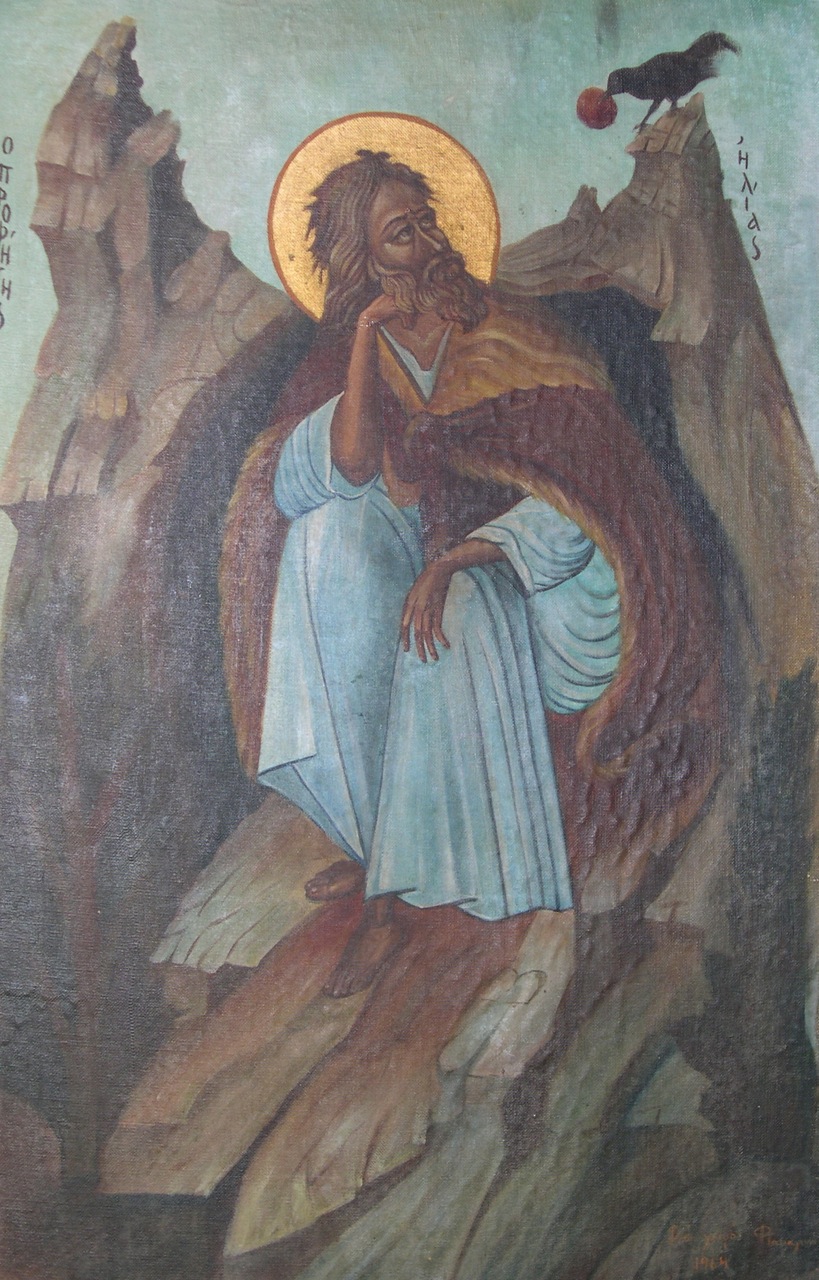
According to tradition this is the place where Elijah stayed when God commanded him to leave King Ahab during the drought and was fed by ravens:

5 So he went and did according unto the word of the LORD; for he went and dwelt by the brook Cherith, that is before the Jordan.

6 And the ravens brought him bread and flesh in the morning, and bread and flesh in the evening; and he drank of the brook.

I Kings 17

There is also the story that Joachim, father of the Virgin Mary, hid here for forty days bewailing the barrenness of his wife Anne, whereupon an angel came to him to announce that Anne was pregnant with a daughter.

Desert Wildflowers

If you are going to be in the south of Israel, there is a nice hike from the Timna valley through Nahal Mangan climbing onto the Milhan ridge; from there you can descend and camp at the Milhan well. This area gets less than 100mm of rain per year but in March we saw a lot of plants in bloom for a desert.

The Silon Kotzani (Zilla spinosa) is a perennial but only lives a couple of years dying from drought or flash floods. The plant grows into a sphere of stems and thorns that is typical of thorny plants in the desert. The peak of its flowering is March, afterwards it dries up. The small purple flowers are edible and have a mild cabbage taste. When dry the stems of the bush can be used as kindling to start your campfire.

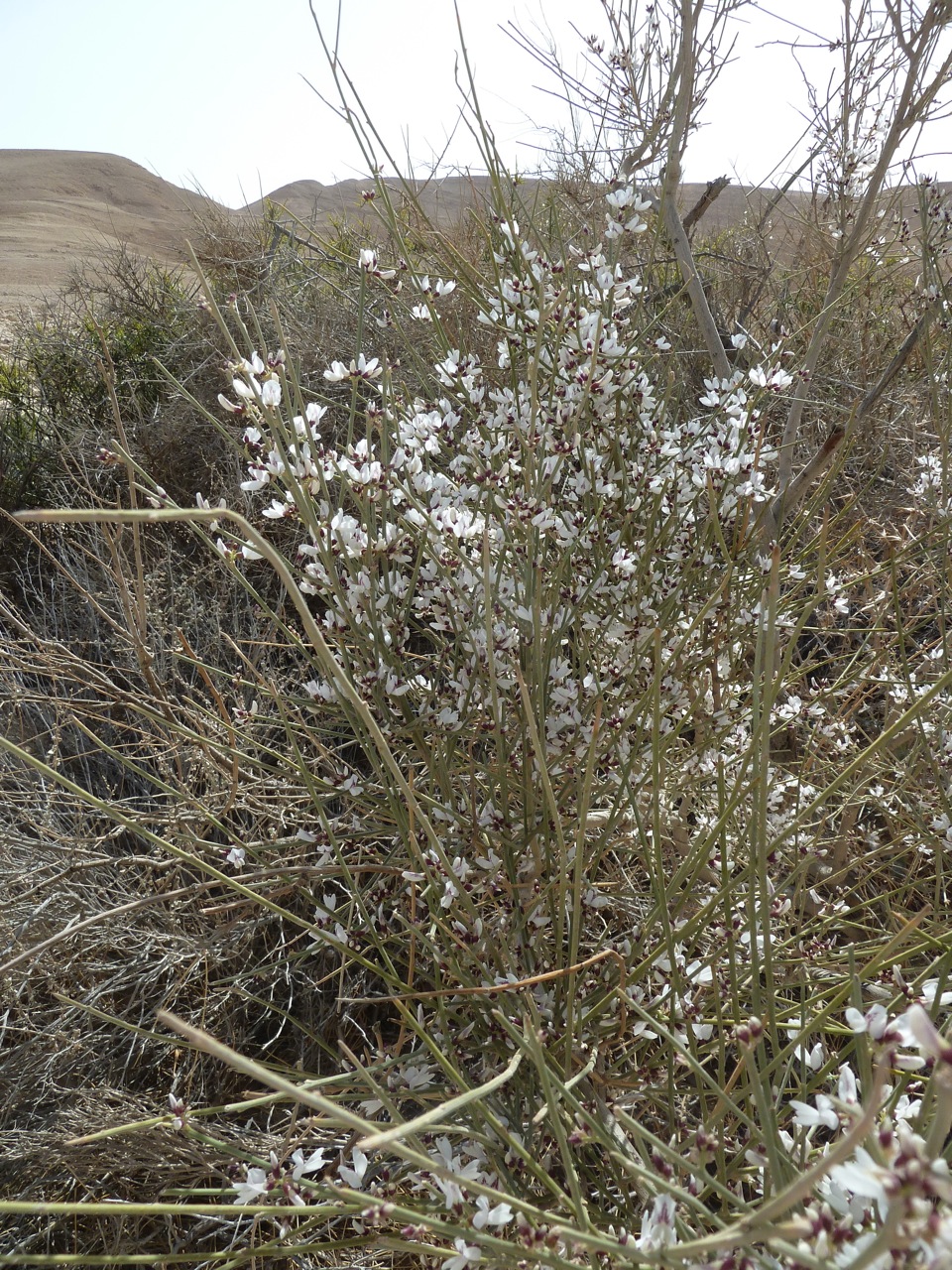
The White Broom, Rotem HaMidbar (Retama raetam) was blossoming, bunches of small, delicate white flowers. This is the bush under which the prophet Elijah sat.

But he went a day’s journey into the wilderness, and came and sat down under a broom-bush. Kings I 19, 4

The Broomrape, Yahnuk HaMidbar (Cistanche tubulosa) is a parasite that grows on and gets its nourishment from the roots of other plants. There are no leaves, just a spike of yellow flowers.

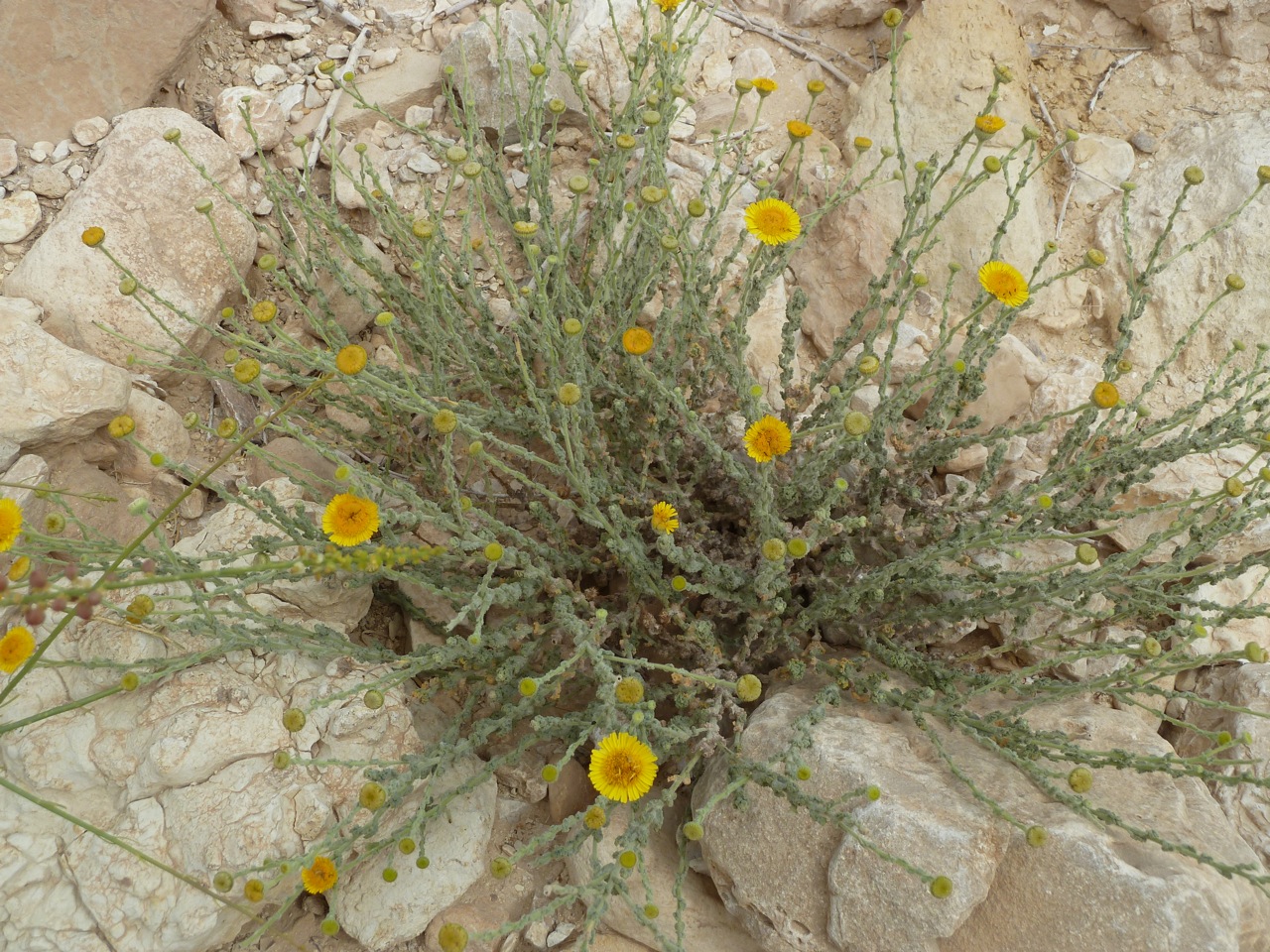
Parosheet Galonit (Pulicaria desertorum) is a low-lying plant with yellow flowers that grows in desert areas. The leaves and flowers can be used to make tea, the plant has a pleasant scent.

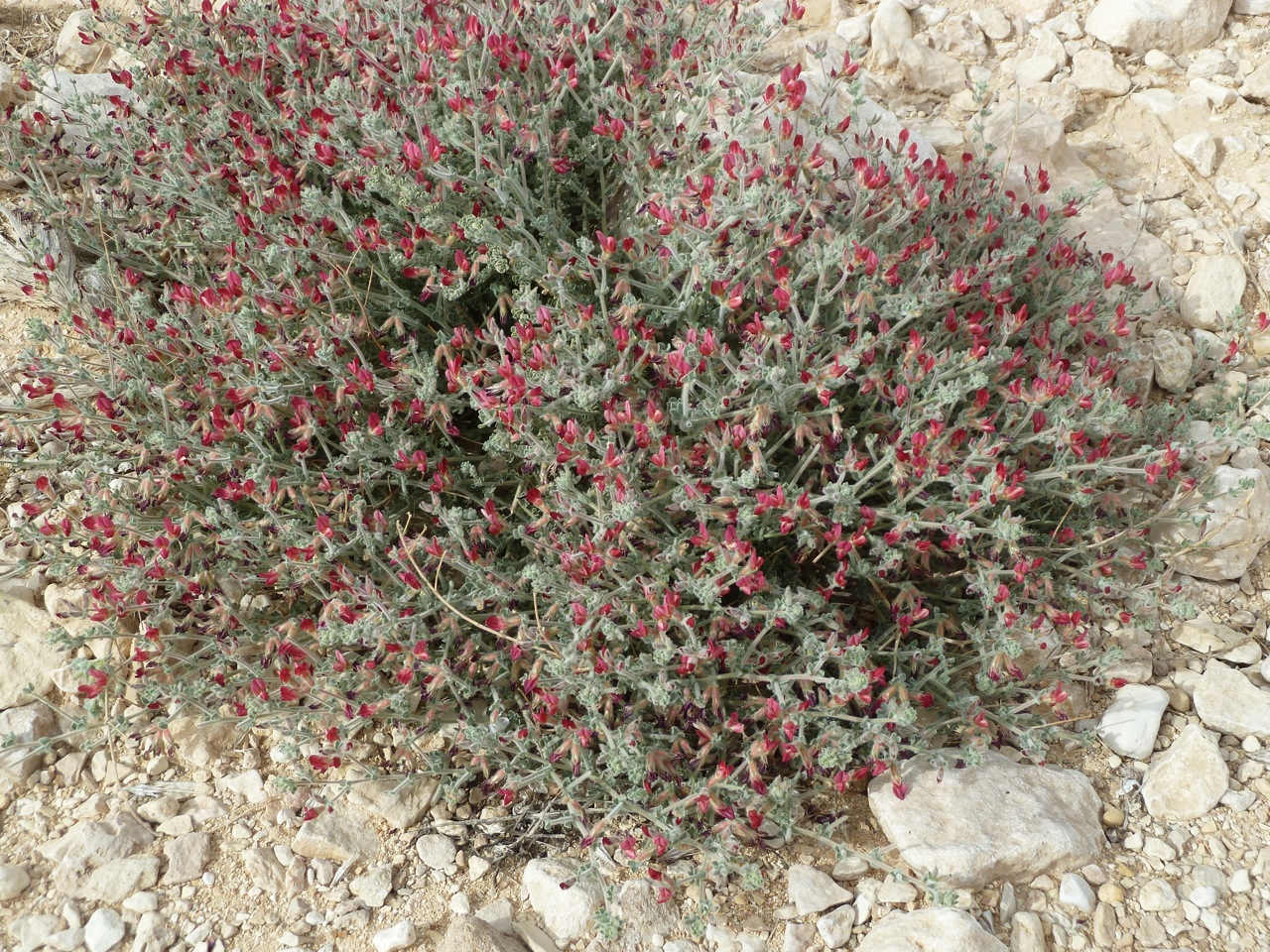
Lotus HaMidbar, Desert Lotus (Lotus lanuginosus) is a low-lying perennial with small red flowers that grows in desert areas.

Fagonia Rakah (Fagonia mollis) is one of the typical and most widespread plants that grows in the desert.

For other posts about wildflowers click on “Wildflowers”  under Categories in the right hand column or https://israeltours.wordpress.com/category/wildflowers/

Olive Park, Ramat Rahel

Concepts of rootedness and disconnection which mark the complex relation of our civilization with the earth are central to the world of oppositions manifested in the sculpture’s plastic form. Olive trees, ancient symbol of strength, fertility and peace, continue their life in a transplanted and disconnected state.

Ran Morin, environmental sculptor

The park lies at an elevated and windy location overlooking Jerusalem and Bethlehem with views over the Judean desert, Herodium and as far as the Dead Sea. In preparing the park, mature olive trees were transplanted in 1987 from the experimental orchard of Prof. Shimon Lavee of the Vulcani Institute in Rehovot. Besides various types of olives that grow in Israel, there are olive trees that originate from Greece, Italy, Spain, France, Turkey, Algeria, Morocco, Argentina and the USA.

In the center of the park is a structure of 3 steel columns covered with basalt stone aggregate that form a triangle, sitting on a stepped platform of concrete and Jerusalem boulders. On the top of the columns, 11 meters in the air, three 80 year old olive trees are growing, supported by a customized drip irrigation system.

Part of the artistic project deals with the properties and spiritual harmonies of the number three: 3 monotheistic religions, 3 forefathers of the Jewish people, 3 Magi who came to visit Jesus, etc. The location at the edge of the desert and near a blood-stained political border connects the different elements in its surroundings and relates to more ancient periods when olive trees and plowed earth were characteristic of man’s intervention in this arid landscape.

Morin’s projects can be construed to have political undertones, mainly because it can’t be avoided in Jerusalem and the areas where he works. Personally, however, Morin tries to stay away from such sensitive issues. It’s hard though: “I am dealing with earth and olive trees and actual places where there are borders. A Palestinian once told me, ‘Okay we don’t have to fight over the land; we can grow the trees in the sky’.”

Yerushalayim shel maala, heavenly Jerusalem. If we could only bring it down to earth.