Category Archives: Nature

Photographing Wildlife at Ein Gedi

These two wildlife photos were taken on a hike in Nahal Arugot in the Ein Gedi Nature reserve. Nahal David is the more popular, family oriented part of the reserve which makes Arugot great for a more off the beaten track outing, less crowded and great for photographers. If you follow the stream bed to the end of the wild and photogenic canyon you will reach the hidden waterfall.
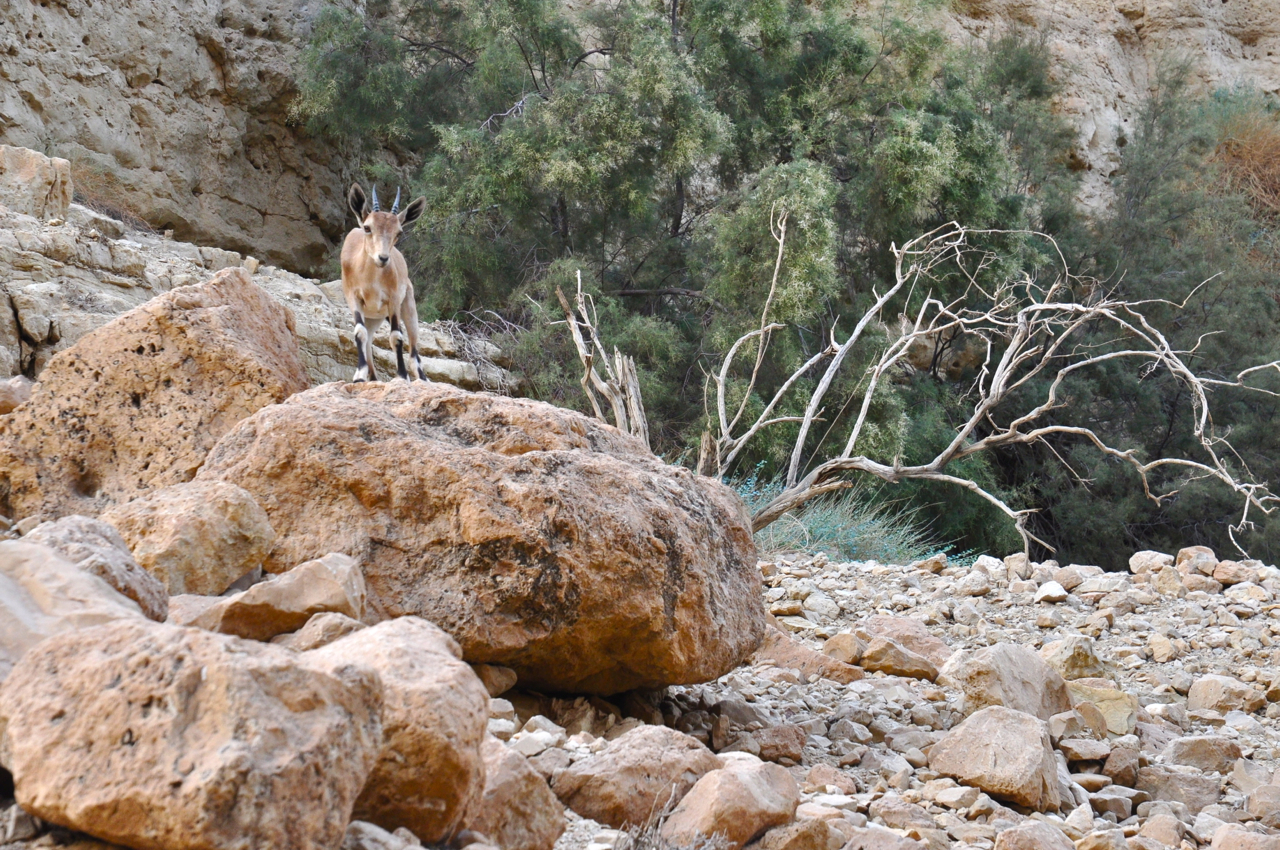
Ibex at Ein Gedi

The ibex (Capra nubiana) is one of 9 species of wild goats (the North American Rocky Mountain goat is in a separate genus, Oreamnos). The ibex is a ruminant, meaning they have four-chambered stomachs and chew their cud so they are kosher, along with addax, antelope, bison, deer, and giraffe. Evidence of the ibex is widely present in the archaeological record, for example, rock drawings, pottery and seals, particularly in the Near East and Mediterranean regions.

The technical details – the above photo of a young ibex was taken with a Nikon D90 digital SLR camera with Nikkor 18-70mm lens at the end of October (ISO 500, 70mm, F9 at 1/125 sec) in Nahal Arugot.

Rock Hyrax

The rock hyrax (Procavia capensis, in Hebrew שפן הסלע) is a medium-sized (~4 kg) terrestrial mammal, superficially resembling a guinea pig with short ears and tail but, in fact, the hyrax is related to the modern-day elephant. The rock hyrax inhabits rock crevices which protect it from predators as written in Psalms 104,18  סלעים מחסה לשפנים, rocks hide the hyrax; it also uses sentries, one or more animals take up position on a vantage point and issue alarm calls on the approach of predators. Among at least 21 vocalizations that the hyrax can make, it makes a loud grunting sound while moving its jaws as if chewing which may be the reason that the hyrax is listed in Leviticus 11,5 as a non-kosher animal that chews its cud. Unique to hyraxes is the dorsal gland, which excretes a skunk-like odor used for social communication and territorial marking. Hyraxes typically live in groups of 10–80 animals, and forage as a group. The rock hyrax has incomplete thermoregulation and so can be seen sunning itself on rocks – it spends approximately 95% of its time resting.

Passion Flower

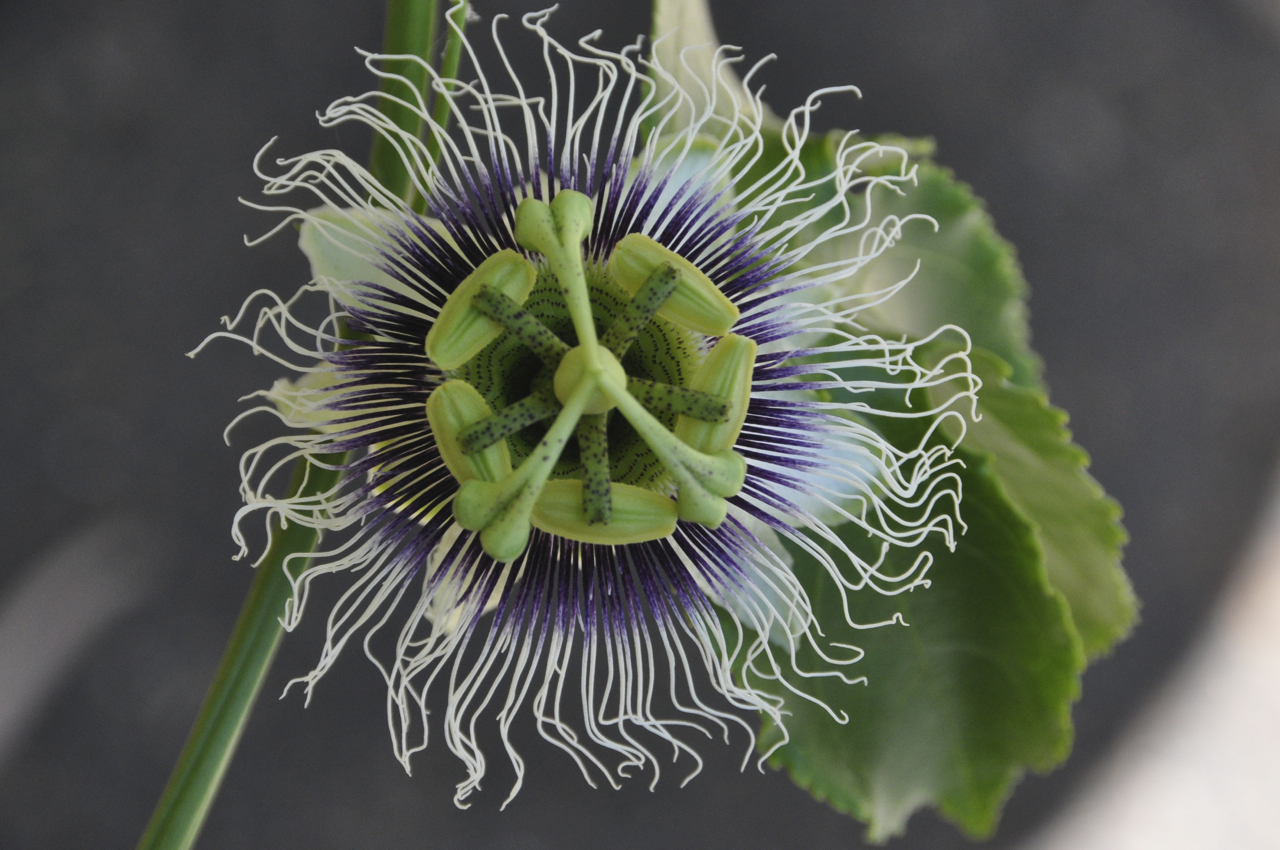
There are about 500 species of Passiflora. The Passiflora plant is widespread – nine species are native to the USA, species are found in South America, Eastern and Southern Asia, New Guinea, four or more species in Australia and a single endemic species in New Zealand – it is not native to Israel but grows happily here. This one, Passiflora edulis, is a vine with exotic looking purple and white (with green) flowers that we got from a nursery and planted in our garden in Jerusalem. When first seen in South America by Spanish Christian missionaries in the 17th century it was named passion flower. These clerics saw the parts of the flower as reminiscent of the Passion of Christ which gives it a connection to Israel and Jerusalem, the Via Dolorosa and the Church of the Holy Sepulcher:

  • The tendrils are reminiscent of whips used in the flagellation of Christ.
  • The ten petals and sepals represent the ten faithful apostles.
  • The flower’s radial filaments, which can number more than a hundred and vary from flower to flower, represent the crown of thorns.
  • The chalice-shaped ovary with its receptacle represents a hammer or the Holy Grail
  • The 3 stigmas represent the 3 nails and the 5 anthers below them the 5 wounds.

Passion Fruit

Passion flower side

Passion flower top

So on your next visit or pilgrimage to the Holy Land plan to taste a local passion fruit.

Related articles

Pomegranate for Rosh Hashana

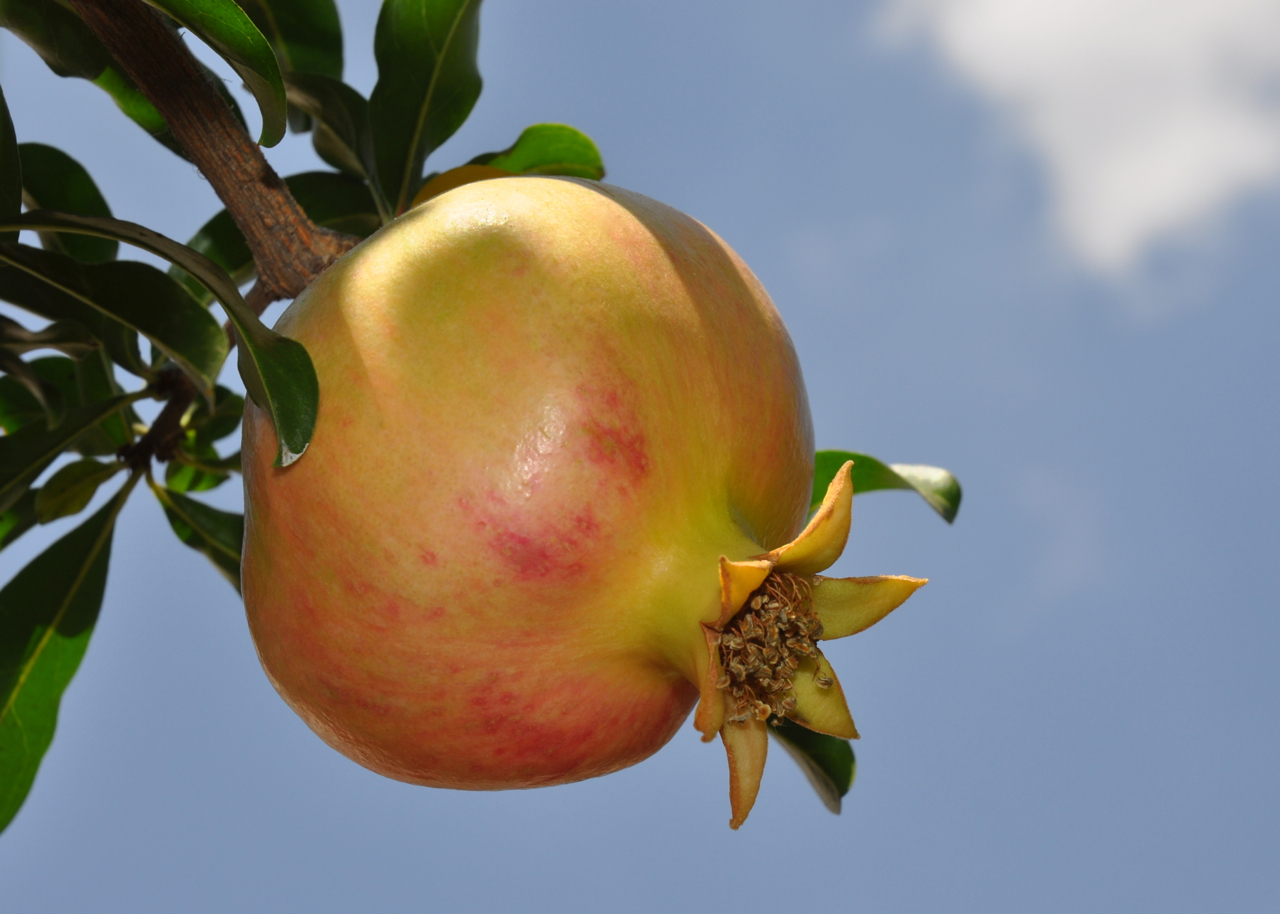
This evening is Rosh Hashana, the Jewish New Year. One of the things that I love about living in Israel is that the Jewish holidays fit the seasons and the country. The pomegranates are ripening on the trees in our garden just in time for the holiday.

So to all, subscribers, readers of my blog, would-be clients, travelers to Israel, pilgrims, I would like to take this opportunity to wish you a Happy New Year and may your year be filled with blessing, personal accomplishments, satisfaction, health and real joy.

Pomegranate sky

Weekly Photo Challenge: Sea

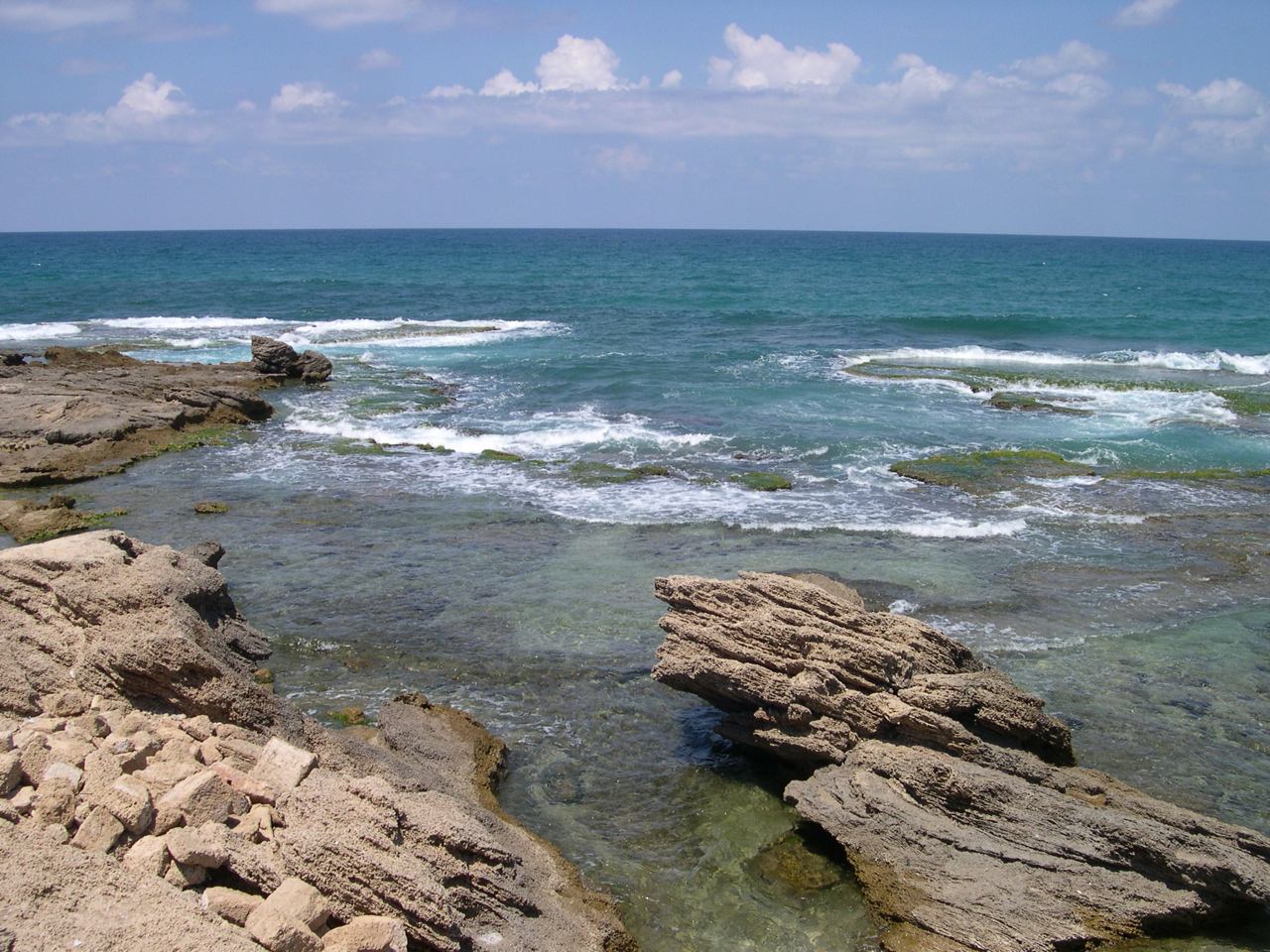
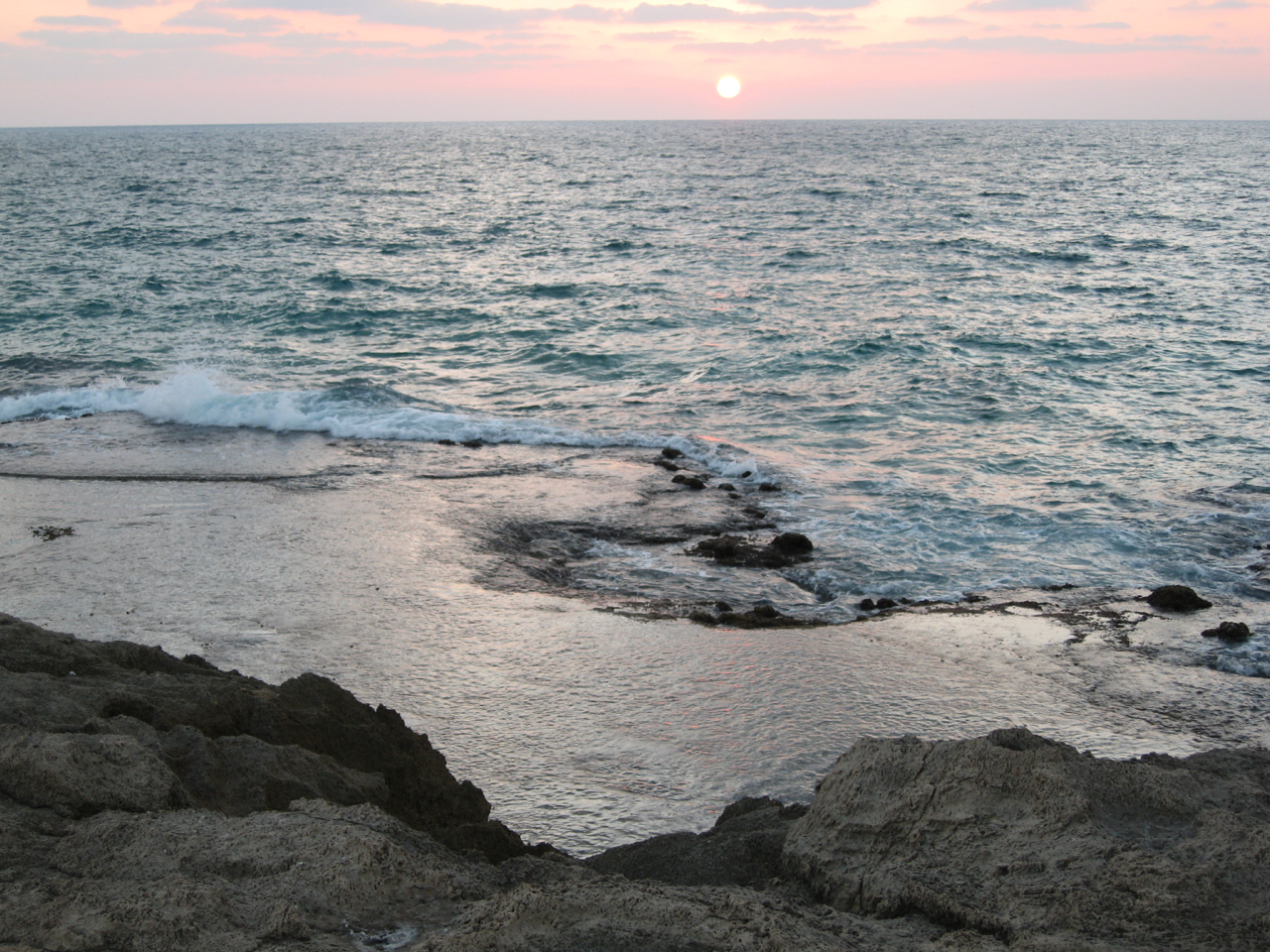
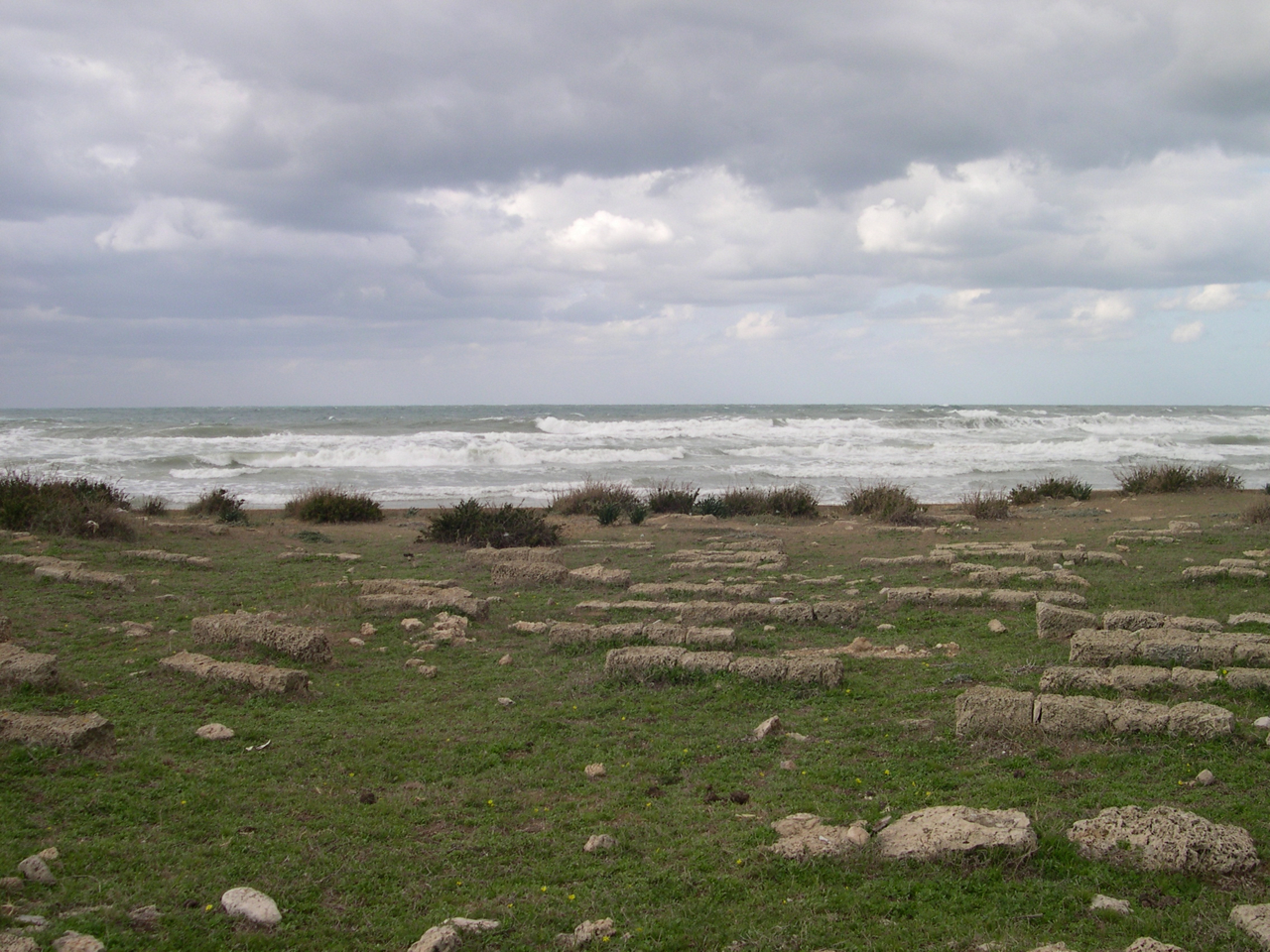
Although Israel is a small country it has about 200 km of Mediterranean coastline. There are many places along the coast where you can stand and look out to sea. In this post I’ve included 5 photographs of the sea, along the coast, from Ashkelon, Ashdod, Caesarea, HaBonim and Atlit – same sea but different geological features as we move up the coast.


Related articles

Weekly Photo Challenge: One Shot, Two Ways

I read photographer Jeff Sinon’s post Photography 101: Finding the Best Shot in which he discusses whether to shoot a scene in landscape (horizontally) or portrait (vertically). I tend to use many of my photographs of sites in Israel on my website and I find that horizontal photos fit better on my web page. But there are subjects where you pretty much have to shoot in portrait, such as cascading water. Jeff posed an interesting challenge:

The next time you’re out taking a picture, capture the scene horizontally and vertically. Then, ask yourself: does one shot work better than the other? Do you recognize why?

I was driving down to the Negev, about a 2½ hour drive from Jerusalem, to go stargazing in Makhtesh Ramon on Thursday night. I planned an early morning hike, from nearby Sde Boker to Ein Akev, a spring and pool in the desert.

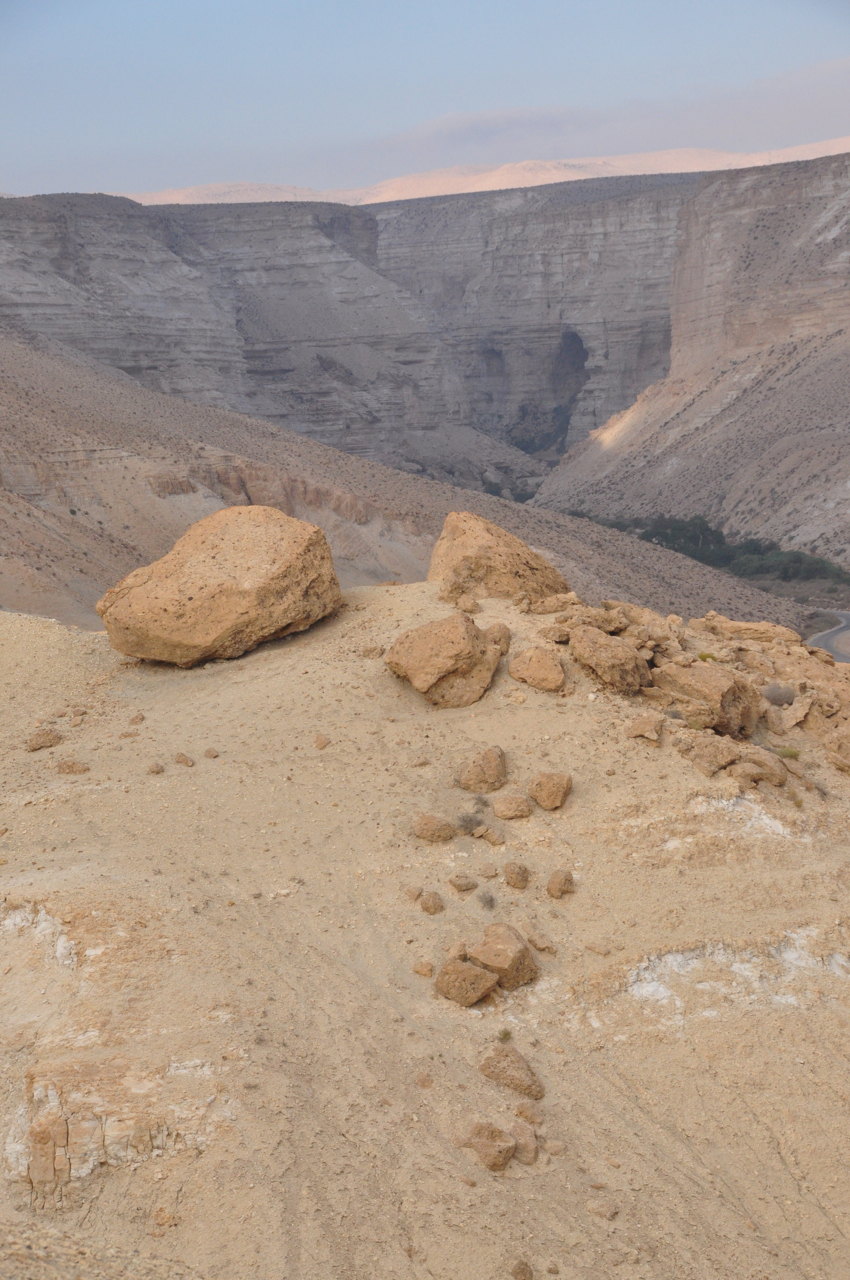
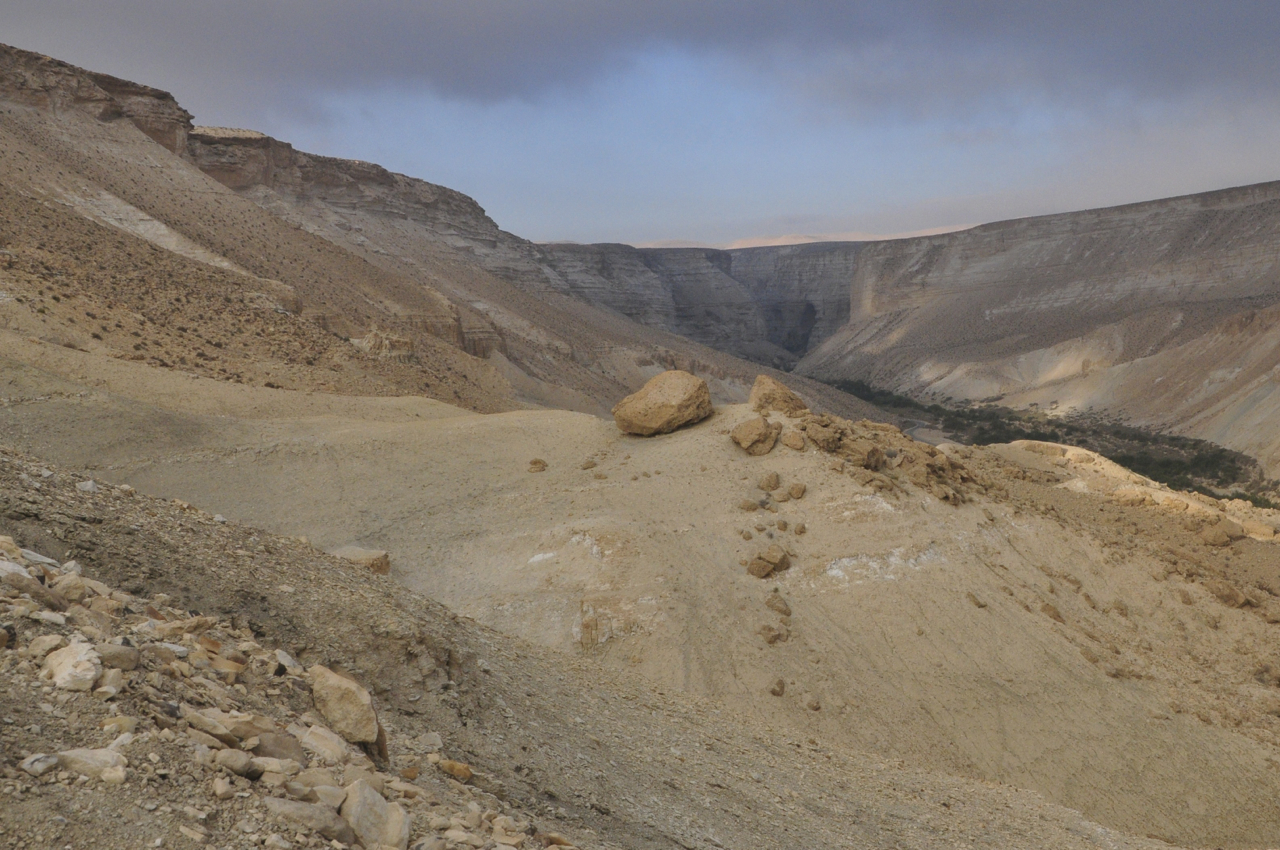
Divshon Ascent vertSo with Jeff’s challenge in mind I took the same shot, two ways – this is part of the series, Through My Lens. All the photographs were taken with a Nikon D90 DSLR camera with 18-200mm zoom lens.

The two photographs displayed here were taken at the beginning of the hike, on the climb up the Divshon Ascent with a view of the Zin valley below. The technical details – ISO 800, the vertical photo 82mm, F/11, 1/640; the horizontal one 26mm, F/13, 1/800.


Divshon Ascent horz

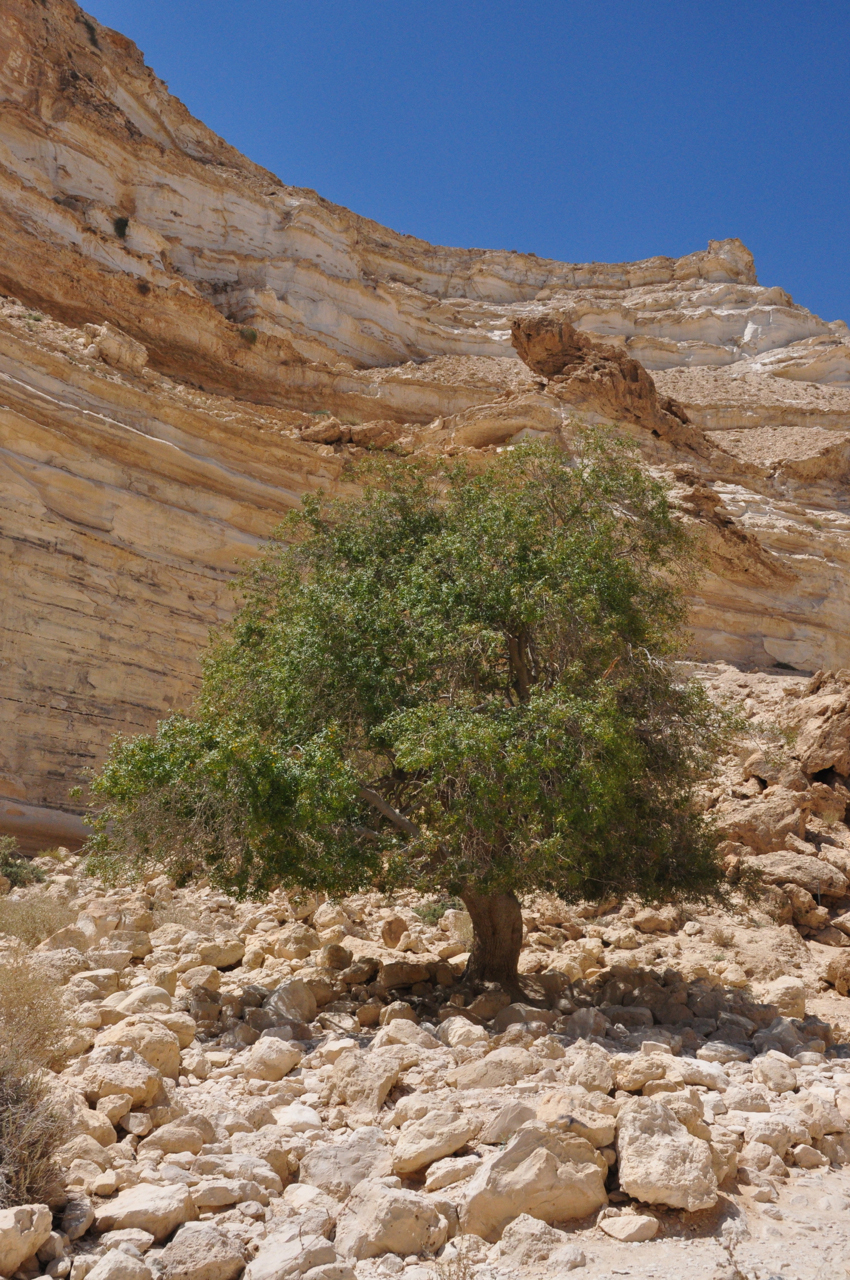
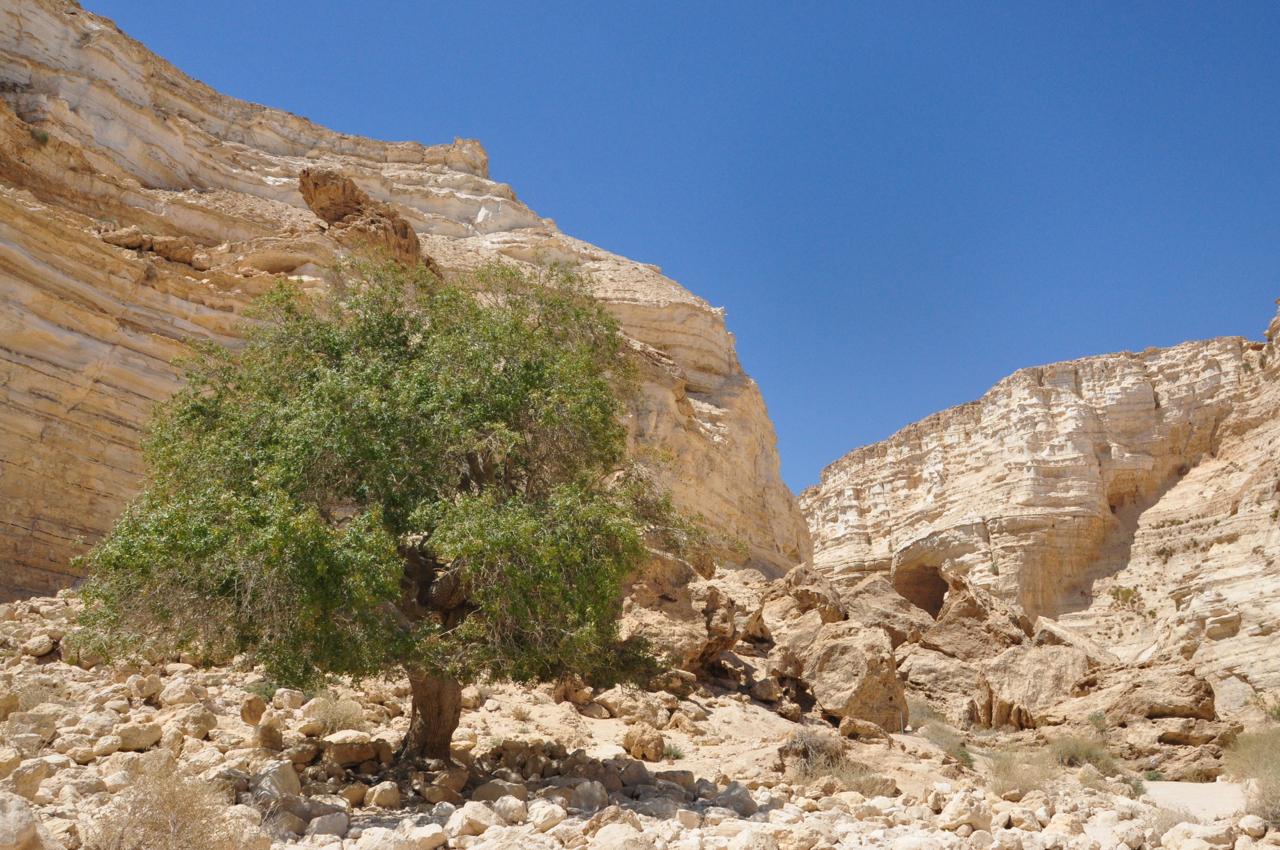
Afterwards we hiked into the nature reserve at Ein Avdat. There is a 250-year-old Atlantic Terebinth (Pistachio Atlantica) tree at the entrance, with gnarled roots holding it firmly in the rocky ground – another shot, two ways.


Terebinth Ein Avdat vert

Terebinth Ein Avdat horz

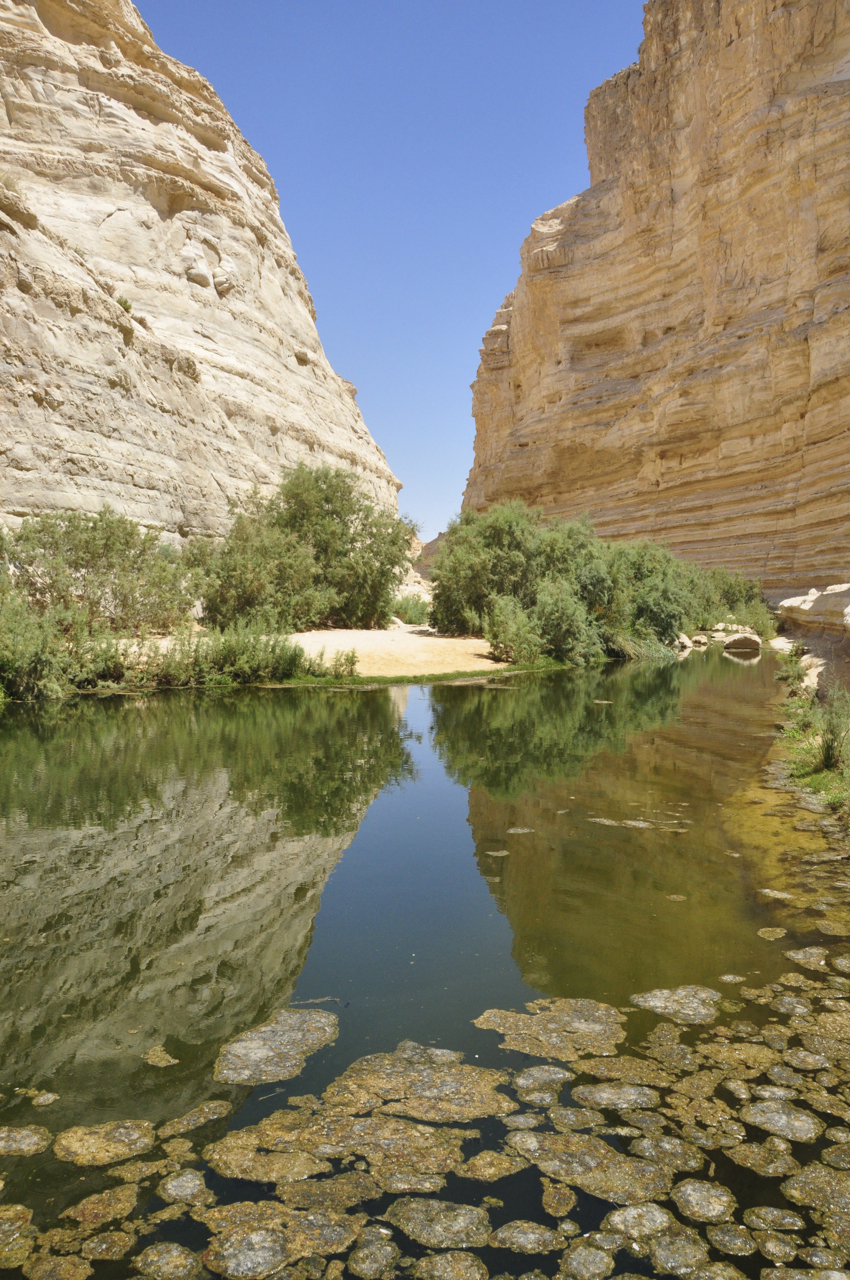
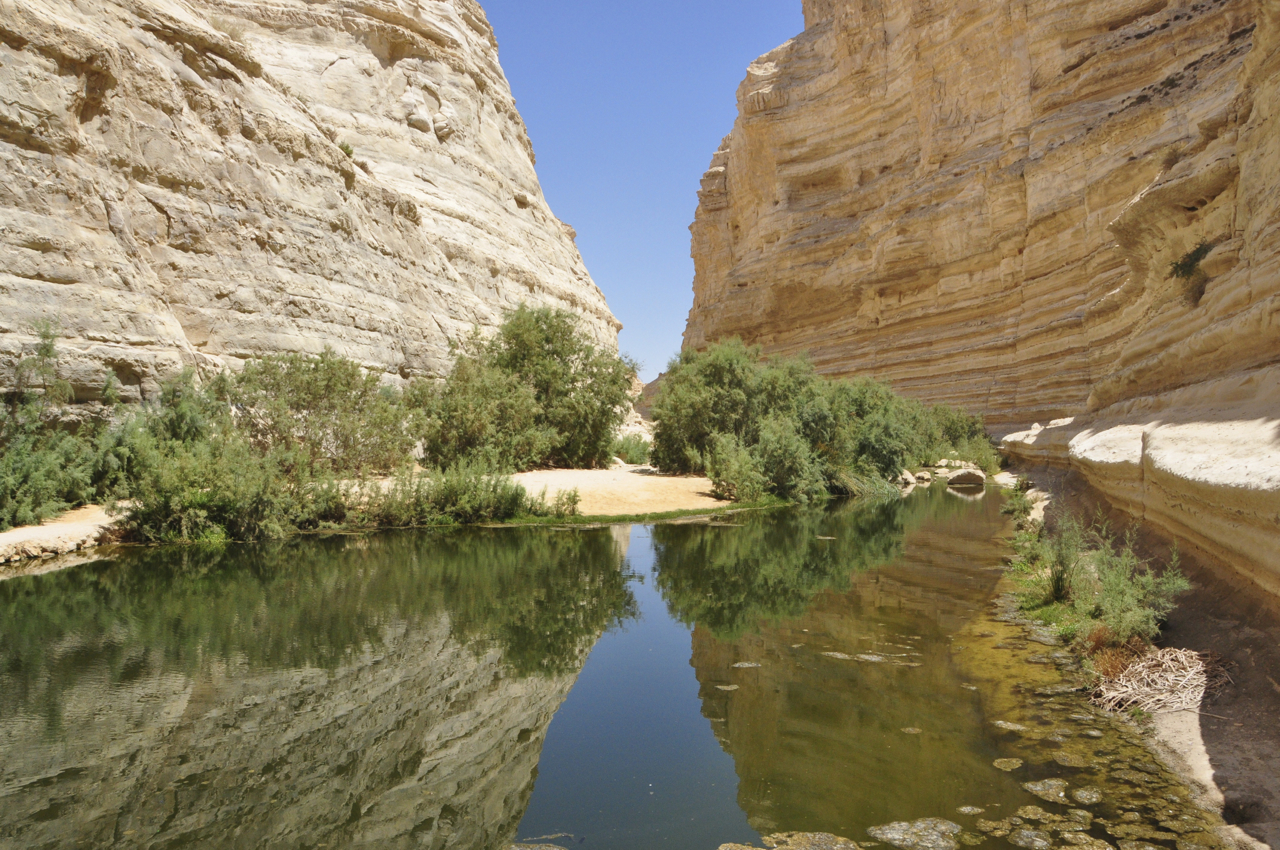
Probably the classic photo at Ein Avdat is a scene of the white limestone cliffs and blue sky reflected in the pools of water – a great shot, two ways.

Ein Avdat reflection vert

Ein Avdat reflection horz

I’d love to hear your comments, what you think about each pair of photographs. Please share this post with your friends by clicking on the icons at the end of this message.

Photographs on this website are © Shmuel Browns (unless marked otherwise) – if you are interested in purchasing a print of one of my photos or using one of my photos for your own project please contact me.

Flora of Israel – Broomrape

Broomrape

Broomrape (Cistanche tubulosa) is a flowering plant that grows in arid areas in Israel – I’ve seen them in the Large Makhtesh, Judean desert and while hiking the Israel trail north of Eilat. They are recognizable by a 30cm spike of densely packed yellow flowers. When they are not flowering, no part of the plant is visible above ground. There are no leaves, in fact, the plant contains no chlorophyll and so cannot do photosynthesis. The broomrape is a parasitic plant, one that derives some or all of its sustenance from another plant. Parasitic plants have a modified root, the haustorium, that penetrates the host plant. Amazingly about 4100 species in about 19 families of flowering plants like this are known.  On my tours, I always try to point out some interesting flower, plant or tree.


Related articles