Category Archives: Jerusalem

Nature and Nurture

You’re on vacation. It might seem weird to shop for food in the local outdoor market of a foreign country and then go to someone’s house that you don’t know and cook up the produce you just bought, set the table and serve. But it’s a lot of fun for the whole family and you don’t have to do the dishes afterwards. After eating out at restaurants, day after day, it can be a refreshing break and in this case, you’re being invited to a renovated 100 year old house in Abu Tor, a mixed Jewish and Arab neighborhood that was right on the border between Israel and Jordan from 1948 to 1967 with a great view of the Old City. In consultation with Ruti Yudecovitz of Shuk and Cook you choose what you’ll be preparing for dinner then you all head out to Mahane Yehuda market to buy the ingredients and then come back to Ruti’s and prepare the meal. Then when everything is ready, you sit down with a glass of fine Israeli wine and enjoy your meal. A unique Israel experience.

And if you are interested in tasting locally prepared foods and visiting other areas in Israel, Orly Ziv of Cook in Israel offers a number of culinary tours, one day tours in Tel Aviv and Jerusalem and a two-day tour of the Galilee, including accommodation at a boutique hotel and traditional hospitality and dinner in an Arab-Israeli home. Each tour includes a cooking lesson or workshop where you will not only learn about cooking in Israel and Israeli cuisine, but prepare a full meal using local and in season ingredients to be enjoyed by all.

DSCN3153

These culinary focused tours can be combined with nature tours throughout Israel. In the hills of Jerusalem and in the Galil we can harvest zatar, the green oregano-like herb (hyssop in English) used in Middle Eastern cookery.
DSC_0007

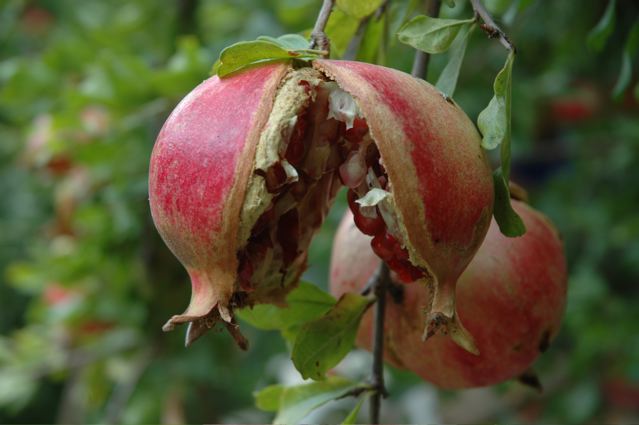
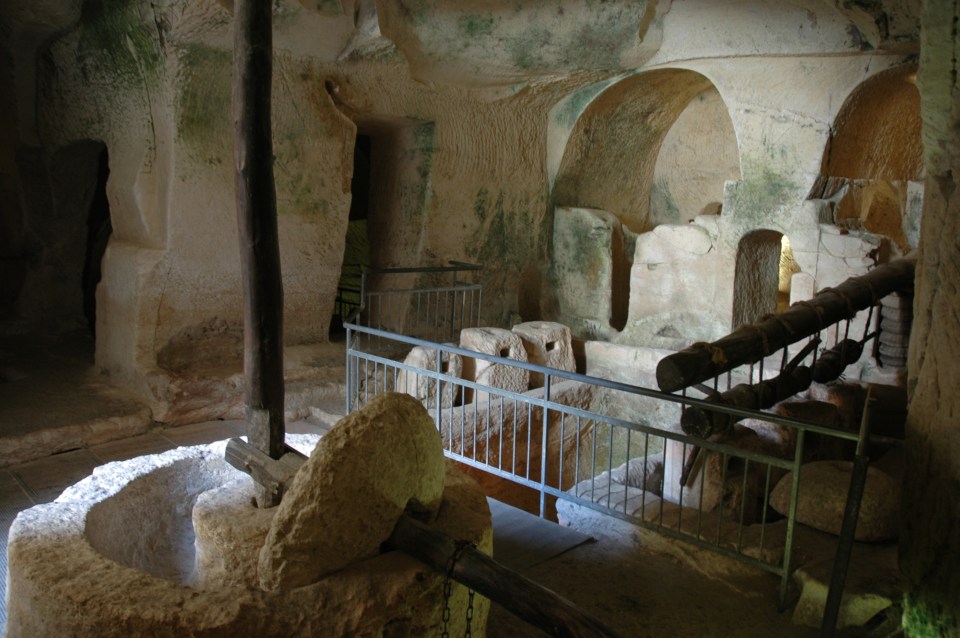
Depending on the season we will be able to find the 7 species that grow here: wheat, barley, grapes, figs, pomegranates, olives and oil and dates (honey). Vines are grown throughout Israel – you’ve probably heard of the vineyards growing in the volcanic soil of the Golan but there are also vineyards in the Galil, the hills of Jerusalem, the Shfela and even the plateau of the Negev. There are some 200 wineries throughout Israel and most encourage you to visit and taste their wines. There are also olive presses that go back thousands of years that we can find on our hikes and we can visit places to learn how olives are pressed into oil today.
DSC_0025

Israel with kids

Israel is a great place to visit with kids. The country is small but varied. One day you can be bumping along in a jeep on the Golan Heights with a view into Syria and hear the stories of Israel’s capture of the area during the Six Day War in 1967. The next day you can be riding on a camel across the sands in the Negev, sleeping in a Beduin tent or under the stars. On the Mediterranean coast, in Akko there is a Crusader fortress that was buried in sand by Al Jazar in order to build his citadel that we can explore. At Masada there is a Herodian fortress in the desert later used by Zealots in the Great Revolt against the Romans. There is an opportunity to climb through caves more than two thousand years old, an experience out of “Raiders of the Lost Ark”. In Jerusalem you can walk around the Old City on the ramparts from the time of Suleiman the Magnificent, walk on paving stones that go back to Roman times and even the Second Temple period or walk underground along the length of the Western Wall.

Check out this article by Nancy Better in the May 17th edition of the New York Times, Taking the Kids – In Israel, With a Whiff of Adventure.

All the sites mentioned in the NY Times article can be incorporated into your personalized tour. There are less expensive accommodations for those on a tighter budget.

Jerusalem Restaurant Recommendations

As a guide, I’m often asked for restaurant recommendations so here are some suggestions for restaurants to try in Jerusalem. There are many websites with lists of restaurants, reviews, etc. – my idea is to recommend a few (I’ve listed about 30) that I feel are special in some way (ethnicity, atmosphere, cuisine, location, view, food) and that are likely to be close to where you are. Those marked [NK] are not kosher, usually means that they are also open on Shabbat.

If you’re at the Mabada theater check out the restaurants in the mitkham rakevet, the old train yards: HaSadna (NK), Hahatzer (meat/fish), Guta (French) actually close by on Derekh Bet Lehem. Try Terasa at the Begin Heritage Center or Lavan [NK] (same owners as Adom) a stylish bistro at Cinemateque that have a lovely view of the walls of the Old City.

Nearby on Emeq Refaim Street are all the restaurants and cafes of the German Colony: Luciana (Italian), Joy (meat/fish), Olive (meat/fish), Taiku (Asian), Ryu (Asian), Caffit (dairy), Masaryk (dairy), Coffee Mill and the list goes on and on and changes often – it’s hard to go wrong.

In town, off Jaffa Road at number 31 enter Feingold Court through an arched passageway and find a bunch of restaurants: Dagim B’Hatzer (fish), Eldad V’zehu, Sakura (Japanese) [NK], Barood [NK], Adom [NK].

In the Nahalat Shiva neighborhood there is Tmol Shilshom (dairy/fish) in the courtyard and others along the street; at the bottom on Hillel Street there is Spaghettim [NK] with more than 50 sauces.

Farther up Jaffa Road on the right take HaRav Kook Street and you can find Anna Ticho House, Darna (Morroccan); Moshe Basson’s restaurant Eucalyptus (Israeli fusion) has moved to Hutzot HaYozer below Jaffa Gate.

In the Mahane Yehuda area and along Agrippas Street down to Gan Sacher there are a wide selection of restaurants Topolino (Italian), Ichikidana (Indian vegetarian), Mizrachi, Azura, Rachmo, MahaneYuda (NK), Ima (Kurdish). To help you find your way around Mahane Yehuda check out my map.

B’tayavon!

Jerusalem Underground

Jerusalem and the Old City are great places to walk around but there’s also a Jerusalem underground (not to be confused with the light rail :-) ). Remember that in archaeological sites as you go to lower layers you go back in history, for example, under Damascus Gate from the Ottoman period is the Roman gate to the city from the time of Hadrian. Not far is Zedekiah’s Cave, also known as Solomon’s Quarries, a 5-acre (20,000 m2) underground meleke limestone quarry that runs under the Muslim Quarter as far as the Sisters of Zion. According to legend, King Zedekiah escaped from the Chaldeans who had surrounded Jerusalem by fleeing through the cave all the way to the plains of Jericho.

If you like caves, there is also a very fine stalactite cave not far from Jerusalem, Soreq cave in the Avshalom Reserve that you can visit about 2 km from Beit Shemesh. Since you will be nearby this would be a good opportunity to visit Tel Maresha and explore underground, the caves, columbarium and tombs from the Hellenistic period.

Herodium has a series of tunnels dug in the mountain during the Great Revolt and then extended during the Bar Kochba Revolt. Near Herodium in Nahal Tekoa the Haritoun Cave is great for spelunking.

In the Jewish Quarter go underground to the Wohl Archaeological museum to see the remains of mansions from the Second Temple period. You can also take a guided tour of the Western Wall tunnel (you must reserve places in advance) that uncovers the part of the western support wall of the Temple Mount built by Herod that runs under the Muslim Quarter. Afterwards walk down the Via Dolorosa and enter the Sisters of Zion to see the Lithostratus and Struthion pool, from the time of Hadrian.

If you like tunnels, exit Dung gate and walk over to the City of David. There you can walk underground in the passageway from the Canaanite period – then you have 2 options: 1) walk the Canaanite tunnel (dry) and exit in Area E park 2) wade through Hezekiah’s tunnel (wet) and exit at the Byzantine Siloam pool. This site contains a lot of history and archaeology and is worth doing with a knowledgeable guide.

Theses are some ideas for exploring underground Jerusalem. Contact me if you would like me to take you exploring.

City of David: Inscription & bulla

I just received the latest newsletter from Ir David (in Hebrew) and they have a riddle which I’ve modified slightly and include here.

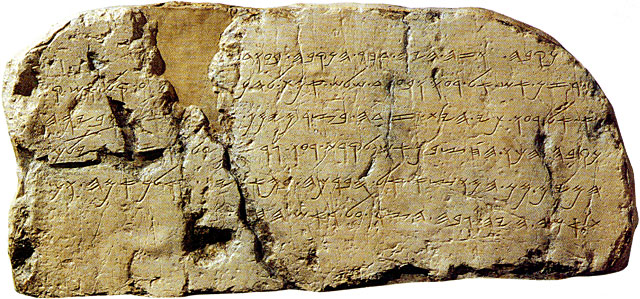
This inscription, carved in stone in proto-Hebrew was discovered in 1880 by chance at the southern end of Hezekiah’s tunnel in the City of David by a young boy named Jacob Eliahu who was playing hooky from school. Because Israel was part of the Ottoman Empire at the time, the Turkish authorities took the stone (which broke when it was pried off the wall) to the Istanbul Archaeological museum, Turkey.

siloam-inscription

Photo: from the Internet

Subtract the sum of the numbers mentioned in the text of this inscription from the year that it was discovered and then add the units digit of the year that Parker began his excavations in the City of David and you’ll get a year that is important in Jewish history and in relation to the bulla (a seal impression in clay affixed to legal documents) of Gedalya ben Pashur that Eilat Mazar found in her recent excavations below the stepped support wall in Area G. Explain the relationship. Email me your answer. Have fun. 8-)

bulla

Photo: Gabri Laron/Hebrew University/Dr. Eilat Mazar

Hints: Who was Gedalya ben Pashur and where in the Bible is he mentioned?

Siloam Pool

In summer 2004 Ronnie Reich and Eli Shukron uncovered the stone steps to a large (50m x 60m, 3 dunam) pool at the southern end of Ir David, the City of David, dated to the end of the Second Temple period and built by King Herod. Further excavations unearthed the north-east corner and northern edge of the pool and a promenade that ascends via steps to a square overlooking the pool and the beginning of a stepped street that runs 800 meters from the bottom of the City of David to the Temple Mount, connecting with the Herodian street below Robinson’s Arch. The stone surface covers an earlier pool from the Hasmonean period.
shiloach-pool21
For Jews, this is the Shiloach Pool, where the ‘living waters’ were used for ritual cleansing in the Temple and the Festival of the Water Libation during Sukkot. For Christians, the Siloam Pool is one of the two places in Jerusalem where Jesus performed miracles (the other is the Bethesda Pool in the Old City), see John 9: “The man called Jesus made mud, smeared it on my eyes and told me, ‘Go to Siloam and wash.’ So I went and washed, and was able to see.” Until this discovery, the Siloam Pool was thought to be the small pool at the end of Hezekiah’s tunnel, part of the Church of Siloam built by the Empress Eudocia between 400 and 450. The round parts of stone columns visible in the pool apparently came from the columns that adorned the promenade of the Herodian pool.

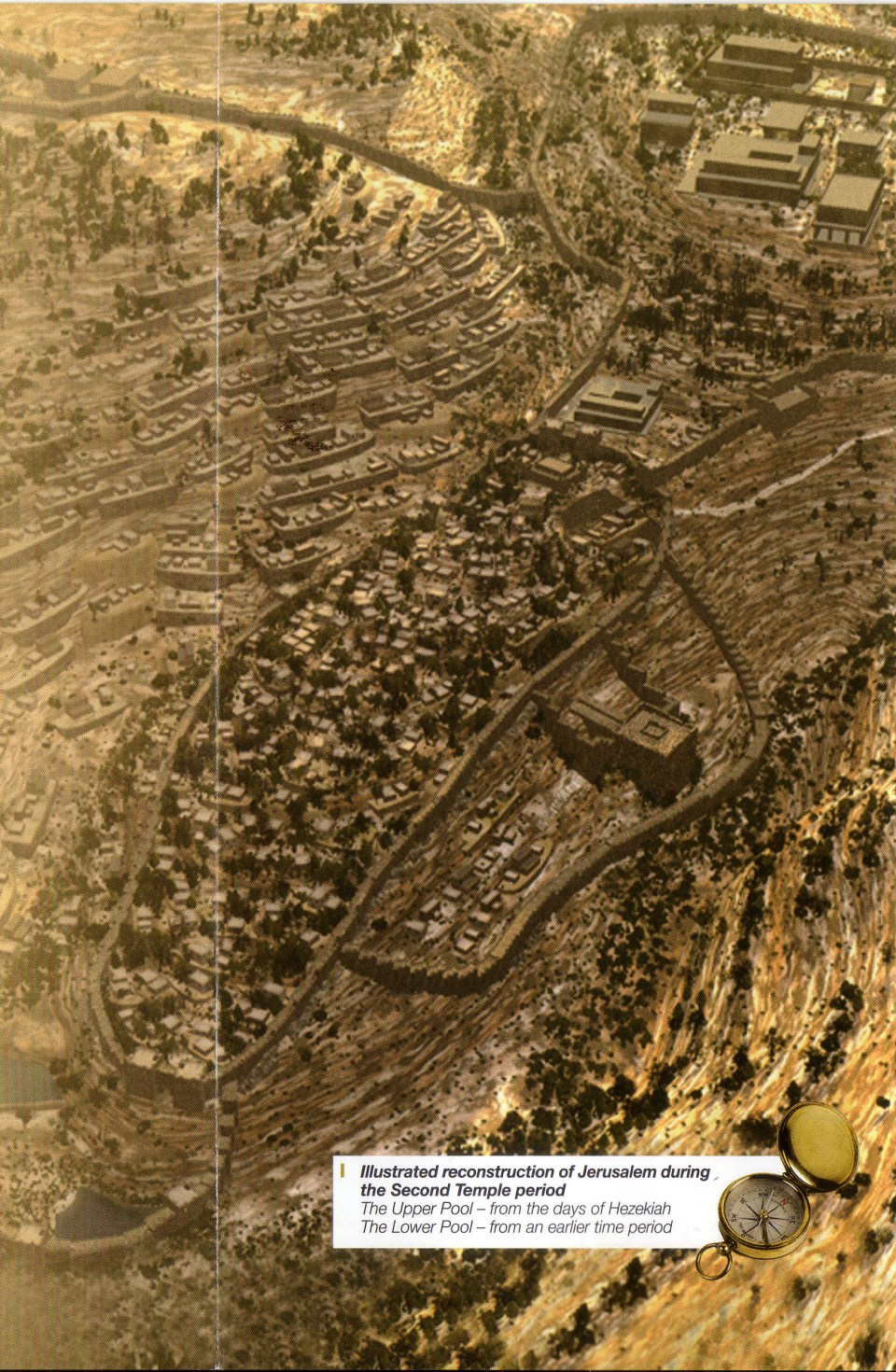
The site of yet another Pool of Siloam which would predate these two is still unknown. That first pool (Shelah Pool, mentioned in Nehemiah 3:15) was constructed in the 8th century BC by Judean King Hezekiah, in anticipation that the Assyrians would lay siege to Jerusalem to hold the waters of the Gihon Spring, brought to it by Hezekiah’s tunnel.

“Now the rest of the acts of Hezekiah, and all his might, and how he made the pool, and the conduit, and brought water into the city, are they not written in the Book of the Chronicles of the Kings of Judah?”                 (2 Kings 20:20)

Even earlier, in the 18th C BCE (MB II), the inhabitants of Canaanite Jerusalem collected both rainwater and runoff from the City of David hill and the Western hill in a pool at the mouth of the central valley. They also channeled the water of the Gihon Spring to the pool through a conduit (open to the sky), known as the Canaanite Tunnel which runs along the eastern slope of the city.

shiloach_pool

Illustrations are from the INPA-City of David brochure on the Shiloach Pool