Herod’s Mausoleum and Sarcophagus at Herodium

So they went eight furlongs to Herodium; for there by his own command he was to be buried. And thus did Herod end his life.

Josephus, Antiquities of the Jews

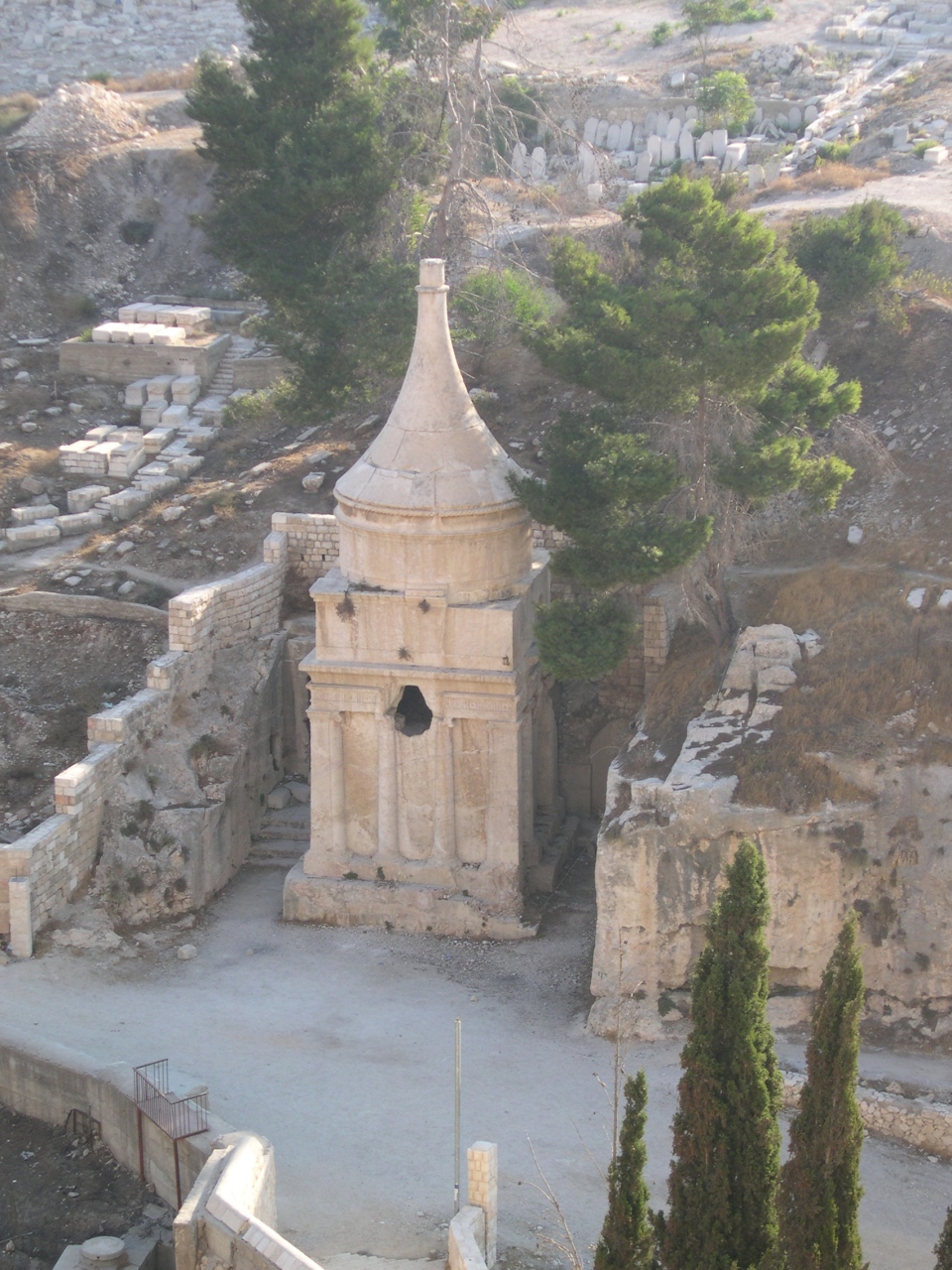
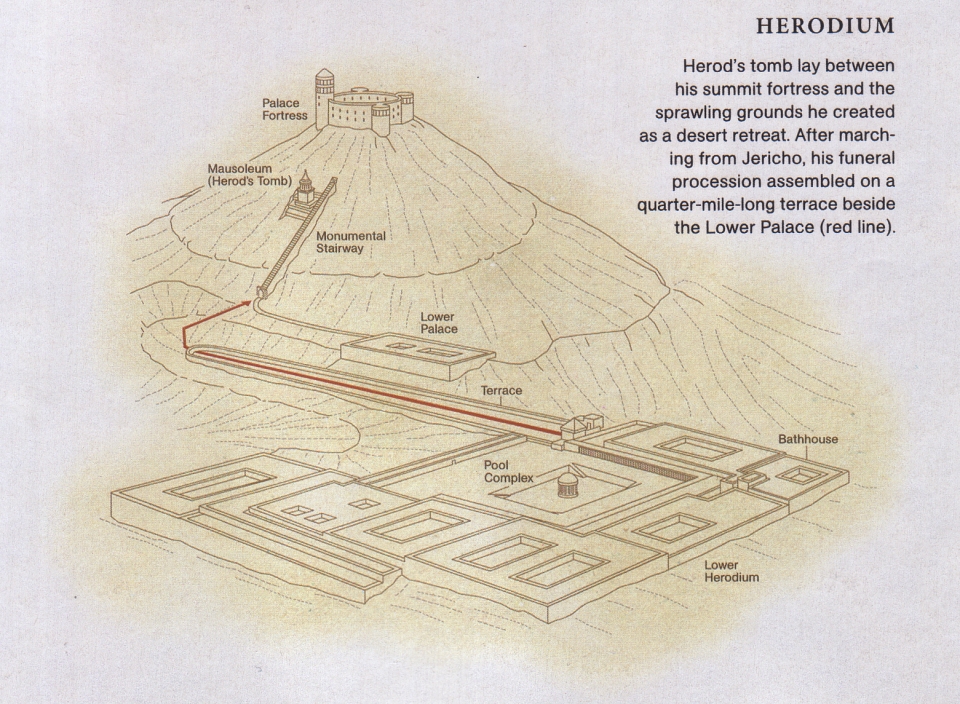
In 1972 Professor Ehud Netzer began his excavations at Lower Herodium. In May 2007 after 35 years of looking for King Herod’s tomb at Herodium, Netzer announced at a press conference that he had uncovered the base of Herod’s mausoleum halfway up the manmade mountain, on the northeast side. Netzer, both an architect and archaeologist and an expert in the Herodian period, has drawn up his reconstruction of the mausoleum, a monument 25 meters high, with a cube-shaped first floor, a cylindrical second floor and a soaring, peaked roof. Note that the photo below is of Yad Avshalom in the Kidron valley – it is an impressive nefesh from the same period so it’s likely that Herod’s monument could have looked similar.

Yad Avshaom, tomb from Second Temple period in the Kidron valley, Jerusalem

Yad Avshalom, tomb from Second Temple period in the Kidron valley, Jerusalem

herodium

National Geographic, December 2008

I’d be delighted to guide you at the site, including the palace complex at the foot of the hill excavated by Netzer in the 1970s and the palace-fortress at the top (in the archaeological park) built by Herod. Although the tomb area is not yet open to the public, they’ve made a temporary path that takes you close, to a lookout of the remains of the mausoleum. Excavations are continuing.

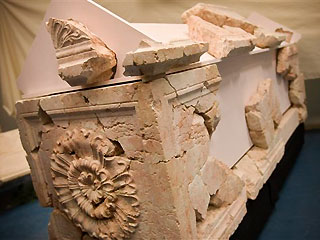
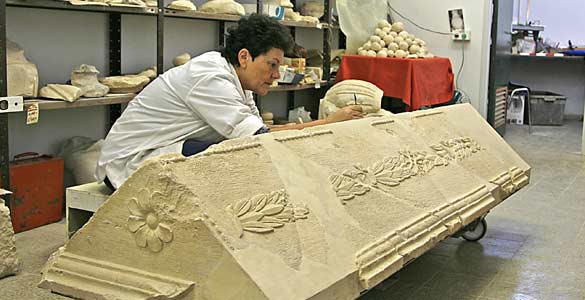
Discovered was an ornate, pink limestone sarcophagus that had been smashed to pieces in antiquity that Netzer claims was King Herod’s.

herods-sarcophagus

Photo: AP (from the Internet)

Later two other sarcophagi were discovered that Netzer claims belong to other members of Herod’s family.

herodium-sarcophagus

Photo: Gabi Laron (from Internet)

Herodium is unique among the sites like Masada, Caesarea, Cypros associated with Herod – it was an entire palace complex originally built by Herod in the desert, the only site to bear his name and where he decided to be buried. Herodium gives us a key to understanding Herod and Jewish life during the Second Temple period.

For additional information about Herodium check my blog post at https://israeltours.wordpress.com/2008/06/07/tour-herodium-herod-tomb/

For a sample tour that I do of Herodium check https://israeltours.wordpress.com/tours/herodium/

Siloam Pool

In summer 2004 Ronnie Reich and Eli Shukron uncovered the stone steps to a large (50m x 60m, 3 dunam) pool at the southern end of Ir David, the City of David, dated to the end of the Second Temple period and built by King Herod. Further excavations unearthed the north-east corner and northern edge of the pool and a promenade that ascends via steps to a square overlooking the pool and the beginning of a stepped street that runs 800 meters from the bottom of the City of David to the Temple Mount, connecting with the Herodian street below Robinson’s Arch. The stone surface covers an earlier pool from the Hasmonean period.
shiloach-pool21
For Jews, this is the Shiloach Pool, where the ‘living waters’ were used for ritual cleansing in the Temple and the Festival of the Water Libation during Sukkot. For Christians, the Siloam Pool is one of the two places in Jerusalem where Jesus performed miracles (the other is the Bethesda Pool in the Old City), see John 9: “The man called Jesus made mud, smeared it on my eyes and told me, ‘Go to Siloam and wash.’ So I went and washed, and was able to see.” Until this discovery, the Siloam Pool was thought to be the small pool at the end of Hezekiah’s tunnel, part of the Church of Siloam built by the Empress Eudocia between 400 and 450. The round parts of stone columns visible in the pool apparently came from the columns that adorned the promenade of the Herodian pool.

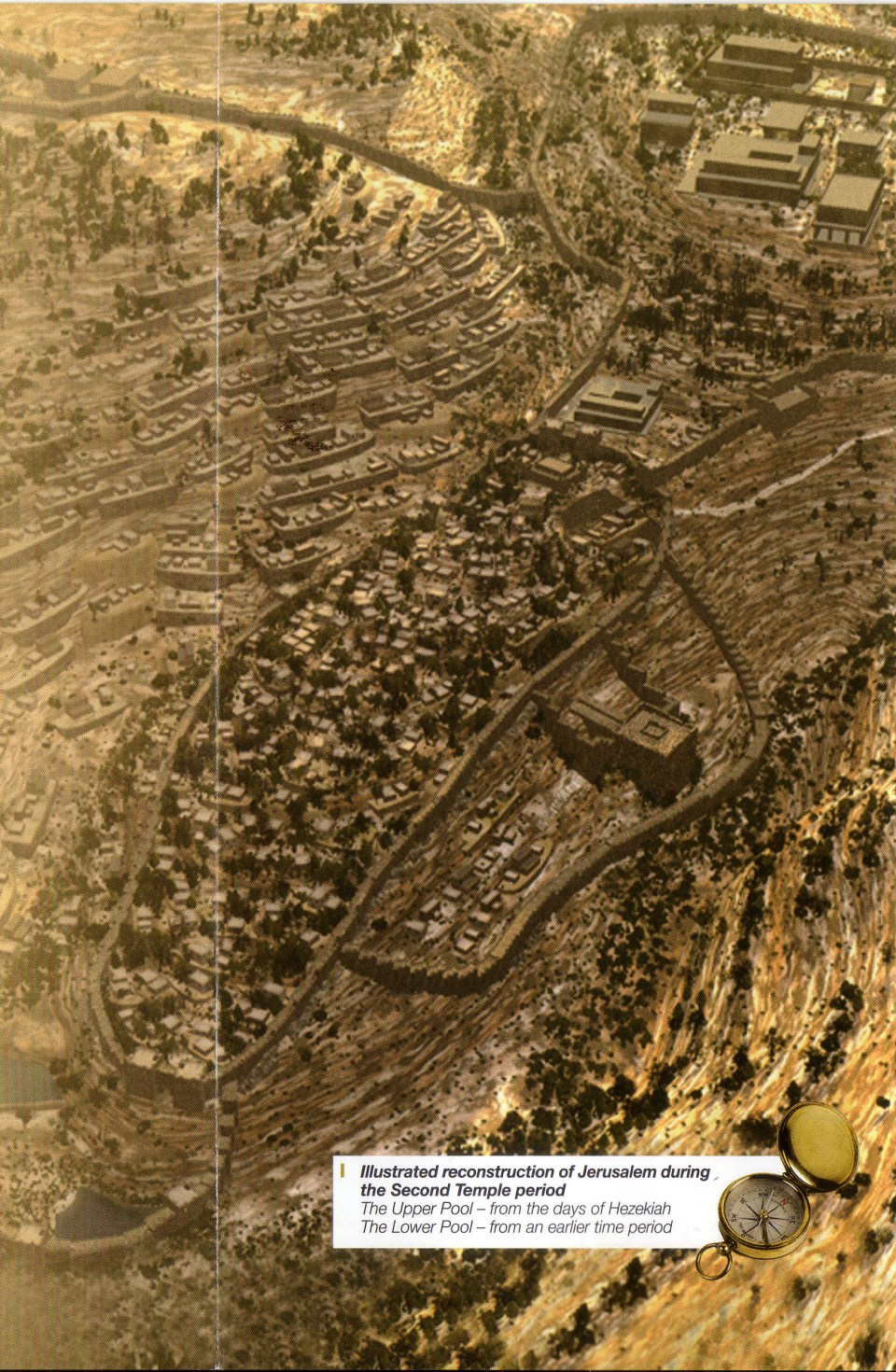
The site of yet another Pool of Siloam which would predate these two is still unknown. That first pool (Shelah Pool, mentioned in Nehemiah 3:15) was constructed in the 8th century BC by Judean King Hezekiah, in anticipation that the Assyrians would lay siege to Jerusalem to hold the waters of the Gihon Spring, brought to it by Hezekiah’s tunnel.

“Now the rest of the acts of Hezekiah, and all his might, and how he made the pool, and the conduit, and brought water into the city, are they not written in the Book of the Chronicles of the Kings of Judah?”                 (2 Kings 20:20)

Even earlier, in the 18th C BCE (MB II), the inhabitants of Canaanite Jerusalem collected both rainwater and runoff from the City of David hill and the Western hill in a pool at the mouth of the central valley. They also channeled the water of the Gihon Spring to the pool through a conduit (open to the sky), known as the Canaanite Tunnel which runs along the eastern slope of the city.

shiloach_pool

Illustrations are from the INPA-City of David brochure on the Shiloach Pool

Yatir forest

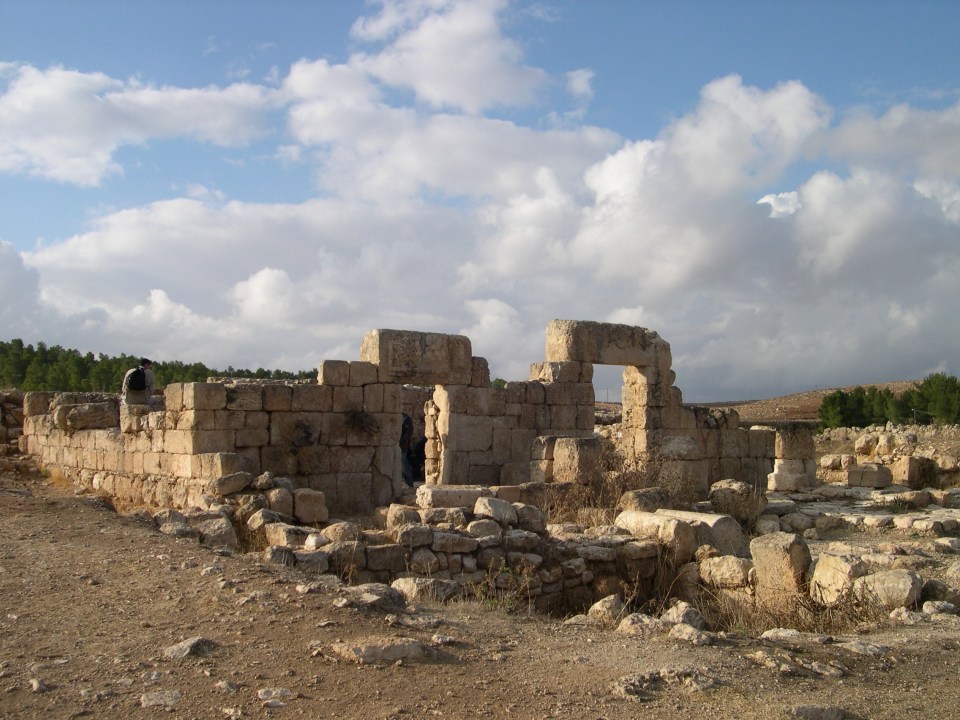
In 1964 the Jewish National Fund planted tens of thousands of trees in the barren lands just south of the Hebron hills on the edge of the Negev. Today Yatir forest is the largest of Israel’s planted forests, including pine trees, carob and pistachio. In the spring, this is one of the areas where you can see the yellow, crocus-like Sternbergia flower blooming (another place is the wadi below Maale Rehavam, near the site of Herodium).

dscn2506

The area includes Jewish and Beduin settlements, a fine winery, vineyards, orchards, agricultural fittings from the 3rd and 4th C and the ruins of a synagogue at Hurvat Anime.
dscn2499

Yatir is just one of the JNF forests and recreational areas. Check their website at
http://www.kkl.org.il/eng/tourism-and-recreation/forests-and-parks/yatir-forest.aspx

Along the trails in the Yatir forest you will see ancient wine presses, cisterns and olive presses, evidence of settlement and wine and oil production 2500 years ago. Tel Arad, another archaeological site that goes back to the Chalcolithic period is nearby. On the upper hill is the only Judean temple discovered by archaeologists to date. The incense altars and two “standing stones” may have been dedicated to Yahweh and Asherah. The Yatir winery sits at the foot of Tel Arad and tours of the winery should be arranged in advance.

Related articles

Hike Sea to Sea

Israel packs a lot into a small country, mountains, desert, coast, forests (over the past 100 years, the Jewish National Fund has planted over 240 million trees and in fact, Israel is the only country that entered the 21st century with a net gain in its number of trees). There are 4 seas, the Mediterranean, Red, Dead and the Sea of Galilee (at 209 m below sea level, the lowest fresh-water lake in the world), in Hebrew, the Kinneret.

Because Israel is small, it’s possible to hike the width of the country in a few days, from sea to sea, yam l’yam, from the Mediterranean to the Sea of Galilee.

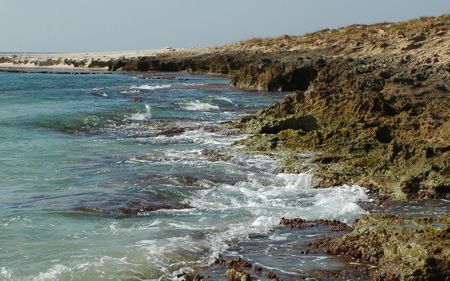
Mediterranean Sea

Coastline of Mediterranean Sea

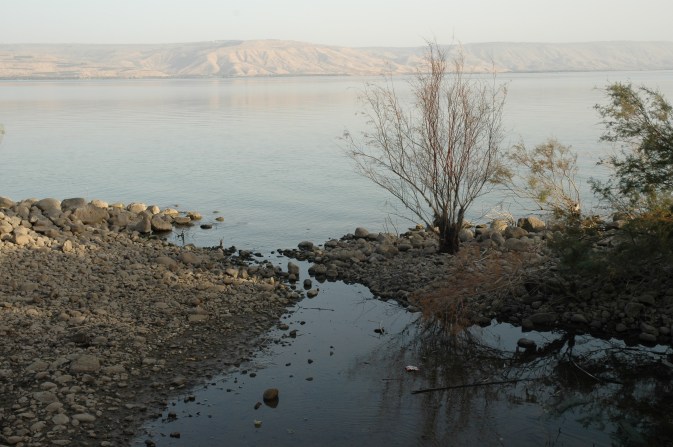
Kineret Sea of Galilee

Overlooking the Kinneret, Sea of Galilee

There are even rituals to perform, you start and end by immersing all or part of your body in each sea and you carry some water with you from one sea which you pour into the other sea when you arrive.

The hike starts at Achziv, follows Nahal Kziv past the Crusader Montfort Castle, Ein Tamir and on to the Druze village of Horpish. From there we join the Israel Trail, past Har Meron to Nahal Amud. We climb to Mizpe Yamim with a view of the Mediterrranean Sea from whence we came and below us the Sea of Galilee where we will end our hike. This hike takes 3 to 4 days, accommodation can be arranged at Bed & Breakfasts along the route.

You can also hike or drive between the other seas: 2) from the Red Sea at Eilat, along the southern part of the 940 km. Israel Trail to the area of the Dead Sea, 3) from the Mediterranean to the Dead Sea, 4) follow the Great Rift valley and drive between the Dead Sea and the Kinneret. Before you do, you might want to read Haim Watzman’s personal account in his recent book, A Crack in the Earth: A Journey up Israel’s Rift Valley:

“This rift is one of the globe’s largest features, clearly visible from space, and I live on its edge. It forms an intricate landscape that makes the human soul turn end over end in wonder…”

Hike above Bab el Wad

We’ve just passed Tu B’Shvat, the New Year of the Trees – the almond trees are blossoming in the hills of Jerusalem. There’s a special hike in the Masger reserve, overlooking the road to Jerusalem above Bab el Wad, the gorge that marks the entrance to the hills that leads to the city. We should remember that in 1948, the convoys of trucks carrying food for the inhabitants of Jerusalem were attacked along this road and Israelis lost their lives. Just like in the Haim Gouri poem, Bab el Wad, the cyclamen and anemones were blooming.

יום אביב יבוא ורקפות תפרחנה,
אודם כלנית בהר ובמורד.

באב אל וואד
לנצח זכור נא את שמותינו,
באב אל וואד בדרך אל העיר.

A spring day will come, the cyclamens will bloom,
Red of anemone on the mountain and on the slope.

Bab-el-wad,
Do remember our names forever,
Bab-el-wad on the way to the City.
img_1975

To hear Shlomo Gronich singing Bab el Wad and see some film footage from the 1948 War of Independence check out this URL on YouTube.

Why hire a Guide?

Why Hire a Guide?

Many people planning a trip to Israel or visiting never think of hiring a guide. Actually there are some advantages. Here are 10 good reasons for hiring a tour guide:

  1. A guide will work with you to create a tour customized to your interests.
  2. A guide can handle all the logistics (itinerary, accommodation, food, transportation) for you and probably save you money.
  3. A guide can take you to places that you would never know about even if you spend a lot of time reading guide books or searching the Internet.
  4. A guide will point out things that you would never notice.
  5. A guide will explain and make sense of what you are looking at.
  6. A guide will put what you are seeing in its historical, religious and cultural context.
  7. Using a guide is the best use of your time, you’ll get to do and see more.
  8. A guide is educated and trained to guide and then licensed by the Israel Ministry of Tourism.
  9. A guide is experienced and up-to-date.
  10. A guide is your personal resource, answering your questions and able to suggest things that match your interests, both before and during your trip.

So on your next trip, think about hiring a guide, maybe for part of your trip or for a special site or subject that you are particularly interested in. Consult with your guide about recommendations for less expensive accommodations, interesting hotels, hostels or B&Bs, best deals on car rentals, cheap but good restaurants. Get together with friends or others at your hotel and together hire a private guide, it will turn out to be cheaper than a larger, fixed itinerary group tour. But don’t take my word for it, ask your friends or Google “Why hire a guide” to read other peoples’ views; here is one article I found on the Independent Traveler website “When Do You Need a Tour Guide” – good advice.

Why hire this guide?

Here are some things that clients have said:

I guided two people, one a young woman who is a jazz singer currently living in NYC and she sang a hymn in the Church of Santa Anna – now that was a treat.
“Thank YOU for such a wonderful morning in Jerusalem.  Your tour was one of my favorite experiences on my trip, and I take your lessons with me into the world, eager to share them with everyone I meet.  Keep up the fabulous work – I have been describing you as a must-do to anyone traveling to the Holy Land.”

I guided a couple and her 70 year old mother focussing mostly on Christian sites in the Old City.
“… a very professional and dedicated guide – Shmuel was super – he went above and beyond what was expected and left us with one of the most beautiful days of memories of our trip – He was patient and kind and incredibly knowledgeable!
Again, an exceptional guide who I highly recommend!!!” (posted on TripAdvisor)

I guided a father and his 22 year old son, both engineers. It’s not the first time I’ve had a client who has a Nikon digital SLR and iPhone but this is the first time a client is blogging about the tour. Check it out here.

I guided an extended family of 8 (both sets of grandparents, parents and children, 11 and 13) for 5 days.
“A million thanks for being a great guide. Your high energy but mellow demeanor was perfect for our group and your deep historical knowledge kept it all interesting and in context for us.”

I guided a mother and her 16 year old son on their first trip to Israel.
“Thank you for helping to make our trip to Israel so memorable!
Without your vast grasp of the beautiful land of Israel and Jerusalem we would have been lost…
Thanks for your great service. Take care and good luck with your guiding.”

I guided a couple who were interested in archaeology and specifically Herod’s palace/fortress at Herodium.
“The tour of Herodium was awe-inspiring, largely because of Shmuel Browns, our guide. He is highly knowledgeable, and comes equipped with graphic documentation that fills the gaps of what one sees. He gave us a taste of the detective work of archaeologists. Further, Shmuel is very professional and a real “mensch”.”

I guided a Christian couple interested in archaeology and Israel.
“Mr. Browns was a 6 star guide. His knowledge of his subject was encyclopedic and made our visit to the site come alive. We will heartily recommend him to anyone we know who may be planning a visit to the Holy Land in the future!”

I guided a couple who were visiting their daughter who is studying International Medicine here.
“We are back in the US with lots of wonderful memories from our time in Israel. We want to thank you for being our guide in Jerusalem. You well earned your fee and we are grateful… Know that your skills as a guide are recognized and deeply appreciated.

I guided a father and his 2 grown daughters around Herodium, visiting for a family bat mitzva.
… my thoughts often drift back to that memorable afternoon with you and my kids at Herodium. I appreciate the time that you took and the knowledge that you shared.”

I guided a couple and his older parents (the father used a walker or wheelchair for longer distances). We drove from Tel Aviv through the Negev down to Sde Boker.
“We really enjoyed the day we spent with you, and now that I have digested all that we accomplished that day, I am even more pleased! Thanks for the update on the argan nut. Your pictures of Nahal Zin in today’s Arutz Sheva are beautiful!”

  • I am registered on the Viator travel site as a guide. This website/blog was chosen as the #1 site out of more than 100 guides.
  • I am registered as a local guide for Israel by ToursByLocals, a site designed to connect travelers with local, qualified guides.
  • I offer tours through TourHQ.
  • I’m one of eight guides recommended by Frommer’s Jerusalem Day by Day guidebook (see page 21).